How to Fish for Wiper in Utah
Trying to target Wiper in Utah can feel like chasing a ghost, especially if you're not sure where to start or what these powerful hybrid fish even prefer. Many anglers spend hours casting into empty water, frustrated by the lack of action, simply because they haven't cracked the code on where these hard-fighting fish hang out or what techniques really trigger a bite. This guide is here to demystify Wiper fishing in Utah, giving you all the insider tips on locating, attracting, and successfully landing these elusive and exciting game fish.
Understanding the Wiper Phenomenon in Utah
The Wiper is a formidable opponent on the end of a line, known for its incredible strength and aggressive strikes. But what exactly is a Wiper, and why have they become such a popular target for anglers across Utah, particularly at one famous reservoir? Let's dive into the fascinating world of these hybrid fish.
What Exactly Is a Wiper Fish
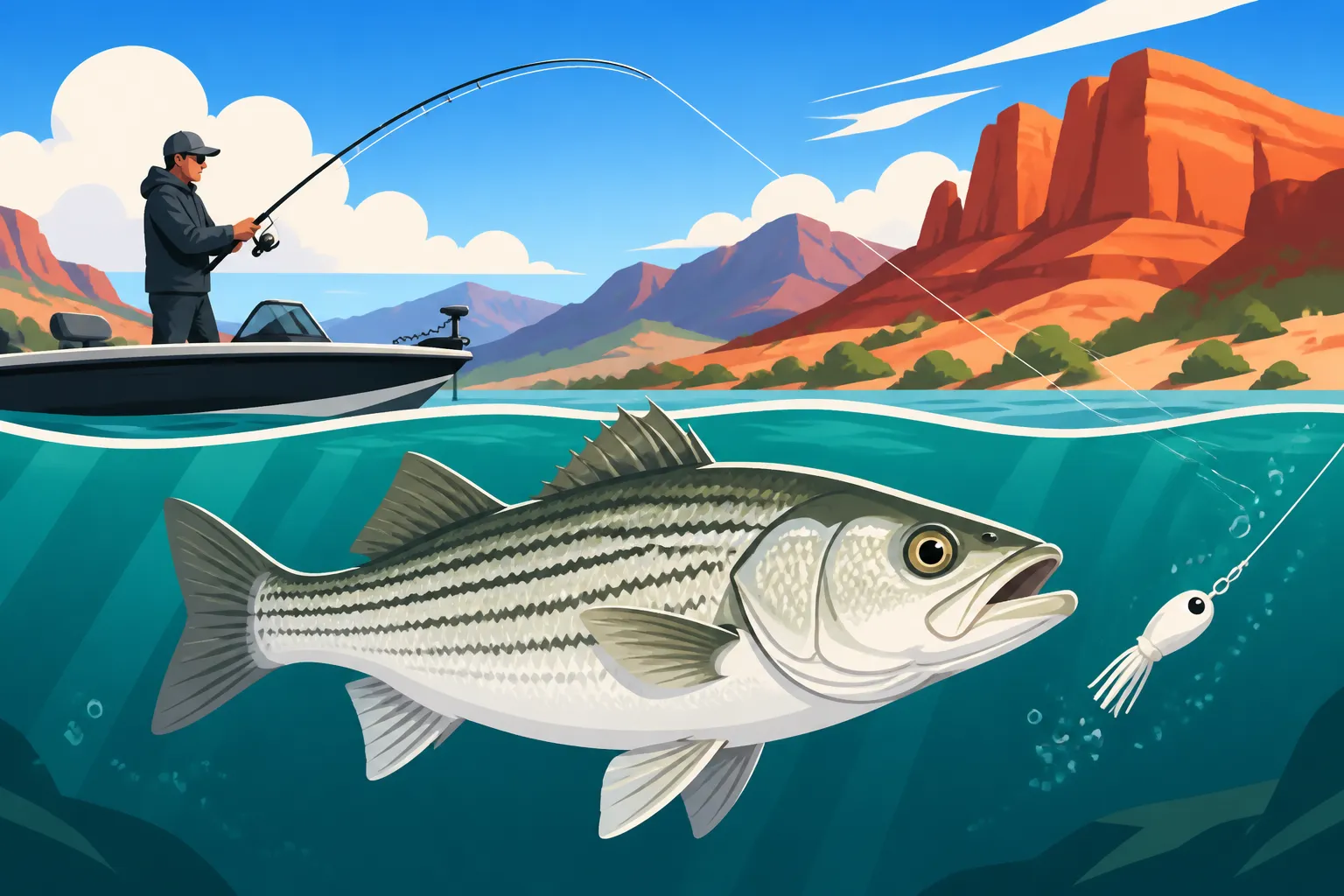
A Wiper, often referred to as a "hybrid striped bass," is precisely what its name implies: a crossbreed between a White Bass and a Striped Bass. This genetic combination results in a fish that inherits the best traits of both parents – the aggressive nature and schooling behavior of the White Bass, coupled with the larger size and endurance of the Striped Bass. They typically have a more elongated body than a pure White Bass, with broken or interrupted horizontal stripes along their sides, distinguishing them from the solid stripes of a Striped Bass. You can learn more about What a Wiper Fish Is by understanding their unique characteristics and lineage.
What makes Wiper so special for anglers is their growth rate and fighting prowess. These fish can grow quite large, often reaching impressive sizes in Utah waters, and when hooked, they put up a tremendous fight. They'll make blistering runs, pull hard, and truly test your tackle and your resolve. For many, catching a Wiper is an exhilarating experience that rivals any other freshwater species. Their power and speed require a certain finesse and appropriate gear, but the reward is always worth the effort.
Why Chase Wiper in Utah
The allure of Wiper fishing in Utah isn't just about the fight; it's about the challenge and the unique angling experience they offer. These fish are predatory, constantly on the hunt for baitfish, which means they are often active and willing to strike a well-presented lure. The thrill of watching your line go taut from a powerful Wiper strike, or experiencing a "boil" on the surface as a school of Wiper attacks baitfish, is something truly unforgettable.
Beyond the sport, Wiper are also known for being excellent table fare. Their firm, white flesh is delicious, making them a dual-purpose fish that provides both an exciting catch and a tasty meal. The Utah Division of Wildlife Resources (DWR) manages Wiper populations in specific waters to ensure healthy fish and ample opportunities for anglers. This strategic stocking and management means that when you do connect with a Wiper, you're participating in a well-maintained fishery that aims to provide top-tier angling. It's a fantastic opportunity to pit your skills against a truly impressive freshwater predator.
Finding Wiper in Utah Waters
While Wiper are a fantastic sport fish, they aren't found everywhere in Utah. Knowing where to focus your efforts is absolutely critical, as a large part of successful Wiper fishing comes down to being on the right water at the right time.
Willard Bay's Reputation as the Wiper Hotspot
If you're asking "Where do I find Wiper in Utah?", the answer almost unequivocally starts and ends with Willard Bay State Park. Located just north of Ogden, this massive, shallow freshwater reservoir is the undisputed king for Wiper fishing in the state. The unique characteristics of Willard Bay—its expansive, relatively shallow profile, combined with an abundant forage base of Gizzard Shad—create an ideal habitat for Wiper to thrive and grow to impressive sizes.
Anglers from all over the region flock to Willard Bay specifically for the chance to hook into these hard-fighting hybrids. The DWR has actively managed this fishery for Wiper for years, ensuring a robust population. While other waters might occasionally get a stocking or have incidental catches, Willard Bay is where the consistent action is. This means dedicating your Wiper fishing efforts to Willard Bay will significantly increase your chances of success. It's a challenging but incredibly rewarding fishery, and understanding its nuances is key to consistent catches. You can find more detailed information on specific spots in our guide on Best Fishing Spots at Willard Bay.
Key Locations and Structure at Willard Bay
Within Willard Bay's vast expanse, Wiper aren't just randomly spread out. They are highly migratory and often follow schools of baitfish, but they also relate to specific structures and changes in the lakebed. Understanding these patterns is crucial for consistent success.
- The Causeway: The long causeway that dissects Willard Bay is a prime location. Wiper often patrol its edges, especially during low light conditions or when baitfish are schooling near the structure. The changes in depth along the causeway provide ambush points for predatory Wiper. Both shore anglers and boaters can find success here.
- North and South Marinas: These areas, particularly the channels leading to and from the open water, can be excellent. Wiper will move into these areas following baitfish, especially in spring and fall. The docks and associated structures also offer cover and opportunities for concentrated baitfish schools. Remember to check out Best Boat Ramps at Willard Bay if you're planning to launch your boat.
- Open Water and Baitfish Schools: Wiper are pelagic, meaning they often suspend in open water, chasing bait. Look for activity on your fish finder, or even better, keep an eye out for surface boils. When a school of Wiper pushes baitfish to the surface, it creates a chaotic feeding frenzy that's unmistakable. Birds diving into the water can also be a dead giveaway. These boils can pop up anywhere in the bay, so covering water is essential.
- Depth Changes and Drop-offs: Although Willard Bay is relatively shallow overall, there are subtle depth changes and old creek channels that Wiper will utilize. These contours provide natural highways and ambush points. Using a good fish finder is invaluable for identifying these subtle structural elements and locating suspended schools of Wiper or baitfish. Knowing How to Read a Fish Finder for Utah Reservoirs will give you a significant advantage.
By focusing on these areas and keeping an eye on both your electronics and the water's surface, you'll greatly improve your chances of intercepting a hungry school of Wiper.
Optimal Times for Wiper Fishing
Timing is everything when it comes to Wiper fishing. These energetic fish have distinct seasonal and daily patterns that dictate when and where they'll be most active. Ignoring these patterns can lead to a long, fishless day on the water, while paying attention can put you right in the middle of a feeding frenzy.
Seasonal Patterns and Behavior
Wiper fishing in Utah, particularly at Willard Bay, follows a predictable seasonal rhythm, with certain times of the year offering prime opportunities.
- Spring (April – May): As water temperatures begin to rise, Wiper become incredibly active. This is often considered one of the best times to target them. They move into shallower areas, especially around the causeway and marina channels, as they become more active and prepare for spawning (though they don't reproduce naturally in Utah). They're aggressively feeding to build energy, and can often be found in large, active schools. This period often sees incredible topwater action on warmer days.
- Summer (June – August): During the heat of summer, Wiper often move to deeper, cooler water during the day, becoming more spread out. However, they'll still move into shallower areas to feed during low-light periods. Dawn and dusk are prime times, and surface boils can be spectacular as Wiper push baitfish against the warmer surface waters. Early morning is often the most consistent time for summer Wiper.
- Fall (September – November): Fall is another fantastic season for Wiper. As water temperatures drop, these fish go on a major feeding binge to bulk up for winter. They become extremely aggressive, often grouping into large schools. This is a great time for trolling and covering large amounts of water, as well as casting to visible boils. The Wiper often hold to structure more consistently in the fall, making them easier to pinpoint.
- Winter (December – March): While not impossible, winter Wiper fishing is generally more challenging due to colder water and the fish becoming less active and more lethargic. They tend to hold deeper and are less likely to chase fast-moving lures. Ice fishing for Wiper is possible at Willard Bay if the ice is safe, but it requires patience and a slower presentation. Most anglers focus on other species during this time. For a general overview of seasonal opportunities, check out our guide on the Best Time of Year to Fish in Utah.
Daily Patterns and Weather Conditions
Beyond the seasons, daily patterns and weather play a significant role in Wiper activity.
- Low Light Conditions: Without a doubt, the periods around sunrise and sunset are often the most productive for Wiper. The diminished light gives them an advantage over baitfish, leading to intense feeding activity. Overcast days can extend these feeding windows throughout the day, providing excellent opportunities.
- Wind and Waves: Don't be afraid of a little wind! A moderate chop on the water can be your best friend when Wiper fishing. The waves break up the surface, making it harder for baitfish to detect predators and providing cover for Wiper to ambush their prey. Wind also helps to concentrate baitfish against shorelines or points, which in turn concentrates the Wiper. However, strong winds can make boat control and casting difficult, so moderation is key.
- Water Temperature: Wiper are most active in a broad range of temperatures, generally from the mid-50s to high-70s Fahrenheit. Pay attention to water temperature readings, especially in spring and fall, as this can indicate where the most active fish might be holding. Abrupt temperature drops can slow activity, while a steady warming trend can kick them into gear.
- Atmospheric Pressure: While not always as critical as light or wind, stable or slowly falling barometric pressure often corresponds with better fishing. Rapidly changing pressure, especially a sharp drop, can sometimes shut down the bite.
By combining seasonal knowledge with daily observations of light, wind, and water temperature, you'll be well on your way to intercepting hungry Wiper when they're most willing to bite.
Essential Gear for Wiper Fishing
Tackling Wiper requires gear that can stand up to their powerful runs and aggressive nature. You can't just show up with a lightweight trout rod and expect to dominate. Having the right rod, reel, line, and a selection of proven lures is absolutely essential for consistent success.
Rod and Reel Setup for Hard Fighters
When it comes to Wiper, you need a setup that's powerful enough to handle a fish that can pull like a freight train. These aren't dainty eaters; they strike hard and fight even harder.
- Rods: A medium-heavy to heavy power spinning or baitcasting rod is ideal. Look for a rod in the 6'6" to 7'6" range with a fast or extra-fast action. This provides the backbone needed to cast heavy lures and control large fish, while the sensitive tip allows for good lure presentation and bite detection. A fast action helps set hooks quickly against their bony mouths. Brands like St. Croix, Ugly Stik, or Daiwa offer excellent options that can withstand the abuse of hard-fighting Wiper. When you're considering a new rod, a quick search on Amazon can show you a wide array of options and customer reviews to help you choose the best fit for your budget and style.
- Reels: Pair your robust rod with a high-quality spinning or baitcasting reel in the 3000-5000 size for spinning, or a 200-300 size for baitcasting. The key features to look for are a smooth, powerful drag system and a decent line capacity. A strong gear ratio (e.g., 6.2:1 or higher) is beneficial for quickly retrieving line and keeping up with fast-running fish or working lures effectively. Shimano, Penn, and Daiwa are reliable brands known for their durable reels.
- Line: Spool your reel with 20-30 pound braided line. Braid offers incredible strength, sensitivity, and castability, which is vital for feeling subtle bites and making long casts with heavy lures. Tie a 2-4 foot leader of 15-25 pound fluorocarbon line to your braid using a strong knot like an FG knot or an Albright knot. Fluorocarbon is nearly invisible underwater, provides abrasion resistance, and has a little stretch which can be beneficial during sudden runs. For specific needs, like strong braided line or clear fluorocarbon, I often check Amazon for a wide selection of brands and pound tests. For those just starting out, getting the right fishing line for Utah wiper can make a huge difference in your success rate.
This combination of rod, reel, and line will give you the confidence and capability to cast effectively, feel the strike, and successfully land even the biggest Wiper in Willard Bay.
Productive Lures and Baits
Wiper are opportunistic predators, but certain lures and baits consistently outfish others due to their ability to mimic the Wiper's primary forage: Gizzard Shad.
- Spoons: Casting spoons like a Kastmaster, Little Cleo, or something similar in silver, chrome, or white are incredibly effective. Their erratic, flashy action imitates a wounded baitfish, driving Wiper wild. Jigging spoons vertically when you've located a school on your fish finder can also be deadly. Sizes from 1/2 to 1 ounce are generally good.
- Crankbaits: Medium to deep-diving crankbaits that resemble shad are excellent for trolling or casting. Look for colors like chrome/blue, silver/black, or shad patterns. Brands like Rapala (Shad Rap, Down Deep Rattlin' Fat Rap), Berkley (Dredger, Warpig), or Lucky Craft (Pointer) are popular choices. Ensure the crankbait dives to the depth where Wiper are holding.
- Swimbaits: Soft plastic swimbaits, either paddle-tail or boot-tail, rigged on a weighted swimbait hook or jig head, are incredibly versatile. Colors like white, silver, chartreuse, or pearl are effective. The subtle, lifelike swimming action is irresistible to Wiper. You can cast and retrieve them or troll them slowly.
- Jerkbaits: Long, slender jerkbaits, especially those that suspend, can be incredibly effective when twitched and paused. This stop-and-go action perfectly mimics a struggling baitfish. The Rapala X-Rap or Smithwick Rogue are classic choices.
- Topwater Lures: During surface boils or low-light conditions, topwater lures like poppers, walk-the-dog style baits (e.g., Heddon Super Spook), or prop baits create an irresistible commotion that triggers explosive strikes. Nothing beats the thrill of a Wiper blowing up on a topwater lure.
- Live Bait: While artificials are popular, live bait, particularly small Chub (if legal and available, check Utah Fishing Regulations Explained), or even larger shiners, can be incredibly effective, especially when dead-sticking or fishing under a bobber near known Wiper haunts. Always check the DWR regulations for specifics on bait fish rules, including Utah Bait Fish Rules for Live Bait.
Having a varied selection of these lures in your tackle box will prepare you for different conditions and Wiper moods. Many anglers find it convenient to stock up on a variety of sizes and colors by browsing the extensive fishing lure selection on Amazon.
Effective Techniques for Catching Wiper
Catching Wiper consistently means having a diverse toolkit of techniques. These fish can be finicky one day and aggressive the next, so being adaptable and knowing how to present your lures in different scenarios is a game-changer.
Casting and Retrieving Strategies
Casting and retrieving is a fundamental technique for Wiper, allowing you to cover water and target specific areas.
- Fan Casting: When you're unsure where Wiper are holding, start by fan casting, covering a wide arc of water from your position. Cast out, let your lure sink to the desired depth, and begin your retrieve. This helps you locate active fish or bait schools. Once you get a hit, focus your casts on that area.
- Varying Retrieves: Don't just reel in at a steady pace. Experiment with retrieve speeds. Sometimes a fast, erratic retrieve mimicking fleeing baitfish is what they want. Other times, a slower, more methodical retrieve with pauses can trigger strikes from less aggressive fish. For spoons and jerkbaits, incorporate jerks, twitches, and pauses. For crankbaits, a steady retrieve is often best, but occasional rips can also work.
- Targeting Structure and Boils: When you see a surface boil (Wiper attacking baitfish on the surface), cast immediately into the frenzy. These are high-percentage situations. If you're fishing near the causeway or other submerged structure, cast your lure parallel to the structure, allowing it to work along the edges where Wiper might be ambushing prey. Casting past the structure and retrieving over it can also be effective.
- Utilizing Electronics: A good fish finder is invaluable. If you mark schools of fish (either Wiper or baitfish) on your sonar, cast directly to them. Sometimes, a vertical jigging presentation with a spoon or heavy swimbait directly below the boat can be effective for suspended schools. This takes a bit of practice, but it's a very productive way to target Wiper.
Trolling for Wiper in Open Water
Trolling is an incredibly effective method for covering large areas of Willard Bay and finding scattered or suspended Wiper, especially when they aren't actively boiling on the surface.
- Speed and Depth: Experimentation is key with trolling. Generally, speeds between 2.5 to 4 miles per hour are productive, but sometimes a slightly slower or faster speed will trigger more strikes. The goal is to get your lure to the depth where the Wiper are holding. Deep-diving crankbaits are excellent for this. You'll often be targeting Wiper that are anywhere from 10 to 30 feet deep, depending on the season and time of day. Using a lead core line or downriggers (though less common for Wiper) can help you precisely control your lure's depth.
- Lure Selection for Trolling: As mentioned in the gear section, deep-diving crankbaits in shad patterns are fantastic. Rattling crankbaits can also be very effective as the vibration helps attract fish in the vast open waters. Sometimes a larger spoon or an umbrella rig (check regulations if using multiple hooks) can also be trolled effectively. Remember, presentation is key – your lure needs to look like a confused or injured baitfish to draw strikes.
- Covering Water Effectively: Set up multiple lines at varying depths and distances behind the boat. This helps you present different lures and cover a wider column of water until you figure out what the Wiper prefer that day. Pay attention to turns; often, a lure on the inside or outside of a turn will get hit as its action changes. Trolling in S-curves rather than straight lines can also impart an enticing action to your lures. A good trolling motor can make boat control effortless, and you can find out about Trolling Motor Thrust Needed for a Utah Reservoir Boat to ensure you have enough power for your vessel.
- Staying Connected to Baitfish: Always keep an eye on your fish finder while trolling. If you pass over a large school of Gizzard Shad, chances are Wiper are nearby. Turn your boat and troll through that area again, varying your depth slightly. Wiper will often be just below or on the edges of large baitfish schools.
Live Bait Presentations
While many anglers prefer the active pursuit of casting and trolling, live bait can be an absolute Wiper magnet, especially for more finicky fish or when you've pinpointed a school.
- Suspended Rig: One of the most common live bait techniques is fishing a live Chub or shiner under a slip bobber. This allows you to present your bait at a precise depth where you've marked Wiper on your fish finder. Use a simple plain shank hook (circle hooks are great for preventing gut hooks) through the nose or back of the baitfish, just enough weight to get it down, and let the bait swim naturally. This is particularly effective near drop-offs, channels, or when Wiper are suspended over open water.
- Bottom Rig: If Wiper are holding closer to the bottom, a simple bottom rig can be effective. Use a Carolina rig or a three-way swivel rig with a sinker on the bottom and a leader with your live bait running off one of the swivels. This keeps your bait near the lakebed but allows it to move freely. This can be good for slower periods or when fish are less active.
- Anchoring and Chumming: If permitted and you've found a good spot where Wiper are passing through, anchoring your boat and presenting multiple live baits can be very effective. Some anglers will also lightly chum with cut bait or pieces of shad to attract and hold Wiper in the area. Always check DWR regulations on chumming before you try it.
- Patience and Observation: Live bait fishing for Wiper often requires a bit more patience than active casting or trolling. However, when a Wiper takes a live bait, the strike is usually unmistakable and powerful. Keep a close eye on your bobber or rod tip, and be ready for a hard fight once the hook is set.
Tips for Success and Safe Wiper Fishing
Beyond the techniques, a few critical tips can significantly boost your success rate and ensure you're fishing responsibly and safely. From reading the water to understanding regulations, these details make all the difference.
Reading the Water and Utilizing Technology
Becoming a consistently successful Wiper angler involves more than just casting a line; it's about understanding the environment and using tools to your advantage.
- Look for Surface Activity: This is perhaps the most exciting and obvious sign of active Wiper. Keep a constant lookout for "boils" or "blow-ups" on the surface, where Wiper are herding and attacking schools of baitfish. Gulls or other birds diving into the water can also point you to these feeding frenzies. When you see this, move quickly and quietly to the area and cast your lures into the chaos.
- Observe Baitfish Behavior: Are there schools of shad visible on the surface or congregating in specific areas? Where the baitfish are, the Wiper won't be far behind. Look for flicking baitfish or subtle ripples that indicate their presence. Wiper are always on the hunt, so understanding their prey is paramount.
- Harness Your Electronics: A good fish finder is your best friend. Learn to identify large schools of baitfish, as well as the distinctive arches or blobs that indicate larger predatory fish like Wiper. Pay attention to depth, structure, and water temperature readings. Side-imaging or down-imaging technologies can help you spot fish off to the sides of your boat or identify submerged structures that hold fish. Familiarize yourself with How to Read a Fish Finder for Utah Reservoirs to get the most out of your unit. Mark waypoints on your GPS when you find active fish or promising structure, so you can return to them later.
- Pay Attention to Wind and Current: As mentioned, wind can be your friend, concentrating bait and creating ideal ambush conditions. Learn how wind affects the movement of baitfish and how it might position Wiper. Even subtle currents in a large reservoir can influence where fish hold.
Handling Wiper and Understanding Regulations
Responsible angling is crucial for maintaining healthy fisheries. This includes proper fish handling and adherence to all regulations.
- Safe Handling for Release: While Wiper are delicious, you might catch more than your limit or decide to release some. Wiper are powerful fish, so use a net to land them, minimizing the fight time if you plan to release. Handle them with wet hands, support their body horizontally, and avoid touching their gills. If possible, remove hooks quickly with pliers or a de-hooker. If the fish is deeply hooked, cut the line as close to the hook as possible. Get a quick photo if you want one, and release them gently back into the water, ensuring they swim off strong.
- Utah Fishing Regulations: Always, always check the most current Utah Fishing Guidebook published by the DWR before heading out. Regulations, especially bag and possession limits, can change. For Willard Bay, specifically, the general aggregate limit for Wiper and Striped Bass is often generous, but it’s crucial to verify. Understanding these rules is part of being a responsible angler. Our Utah Fishing Regulations Explained guide can provide a comprehensive overview, but the DWR guidebook is the official source.
- Boat Safety and AIS: If you're fishing from a boat, ensure you have all the required safety equipment, including life jackets for everyone on board. Check out Life Jacket Requirements on a Utah Boat for details. Additionally, Utah has strict Aquatic Invasive Species (AIS) rules, especially concerning Quagga and Zebra mussels. Always Clean, Drain, and Dry your boat and gear every time you leave a water body, particularly Willard Bay. This protects Utah's precious waterways from invasive species.
- Respecting Other Anglers: Willard Bay can get busy, especially during peak Wiper season. Practice good etiquette, give other anglers space, and avoid cutting off boats that are trolling. A little courtesy goes a long way in ensuring everyone has an enjoyable experience on the water.
By being prepared with the right gear, understanding Wiper behavior, mastering various techniques, and always adhering to regulations and safety protocols, you're set for an exciting and successful Wiper fishing adventure in Utah.
Here's a quick reference table for Wiper fishing strategies:
| Technique | Best Time to Use | Recommended Lures/Bait | Key Considerations |
|---|---|---|---|
| Casting/Retrieve | Low light (dawn/dusk), surface boils, near structure | Spoons, swimbaits, jerkbaits, topwater | Vary retrieve speed, accurate casting, look for surface action |
| Trolling | Open water, searching for schools, hot summer/fall | Deep-diving crankbaits, spoons | Speed (2.5-4 mph), depth control, multiple lines, watch electronics |
| Live Bait | When Wiper are finicky, specific depth targeting | Live chub/shiners | Slip bobber or bottom rig, patience, anchoring |
Disclaimer
Fishing conditions, regulations, and fish behavior can change. Always consult the latest Utah Division of Wildlife Resources (DWR) fishing guide and local advisories before heading out. This guide is for informational purposes only and does not guarantee fishing success. Always prioritize safety on the water.