How to Tell When Kokanee Are Staging to Spawn
It can be incredibly frustrating to head out to your favorite Utah reservoir, expecting to fill your stringer with vibrant kokanee salmon, only to find them elusive or acting completely different than usual. Many anglers miss a crucial window of opportunity, or struggle to adapt their techniques, because they don't quite understand when kokanee are transitioning into their pre-spawn "staging" phase. This guide will walk you through exactly how to identify when kokanee are staging to spawn, helping you understand their changing behaviors and visual cues so you can adapt your fishing strategy for better success.
Understanding the Kokanee Spawning Cycle in Utah
Kokanee salmon, landlocked sockeye salmon, have one of the most fascinating and challenging life cycles for anglers to understand. Unlike many trout species that can spawn multiple times, kokanee are semelparous, meaning they spawn once and then die shortly after. This single, monumental event drives all their behaviors in the months leading up to it. In Utah, this typically happens in the late summer and early fall, roughly from August through October, depending on the specific water body and elevation. Reservoirs like Strawberry Reservoir, Flaming Gorge, and Jordanelle are prime locations where anglers target these fish during their final journey.
The term "staging" refers to the period where kokanee begin to congregate, preparing for their upstream migration or movement into shallow spawning grounds. It's a critical time when their biology shifts dramatically from growth and feeding to reproduction. This phase doesn't happen overnight; it's a gradual process, but there are distinct signs that reveal these changes. During the earlier parts of their life, kokanee focus on foraging, building up energy and mass. As the days shorten and water temperatures begin their slow decline, an internal clock tells them it's time to begin their final act. Understanding the full Kokanee Salmon Life Cycle in Utah can provide a deeper appreciation for this incredible journey. This period is often considered the Best Month to Catch Kokanee in Utah if you know what to look for, but it requires a very different approach than targeting them mid-summer.
Key Visual Cues of Staging Kokanee
One of the most obvious indicators that kokanee are staging for their spawn is a dramatic change in their physical appearance. These transformations are unmistakable once you know what to look for and are often the first things anglers notice.
Dramatic Color Changes
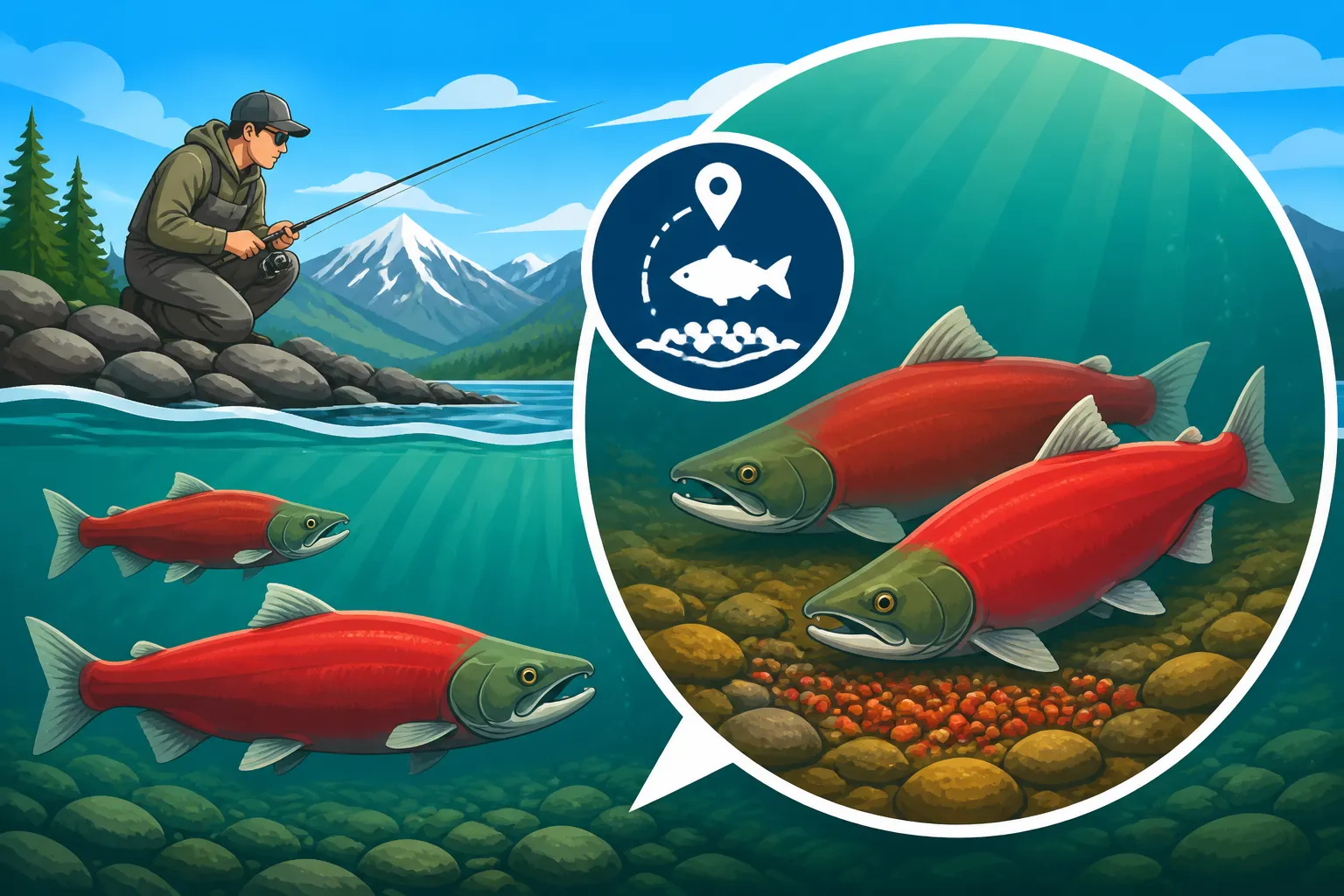
The most striking visual cue is the shift in coloration. Kokanee, typically silver with a bluish-green back for most of their lives, begin to take on a vibrant, almost fiery hue. Their bodies will turn a brilliant red, often with patches of orange and dark green mottling. This transformation is part of their breeding dress, signaling their readiness to spawn to other kokanee. The intensity of the red can vary depending on the individual fish, its genetics, and how far along it is in the staging process. You might see fish ranging from a deep orange to an almost scarlet red. This isn't just a surface change; their entire skin pigment undergoes this radical shift. It's truly a sight to behold, but it also signals a fundamental change in their behavior. This process explains Why Kokanee Salmon Turn Red Before They Die, marking the culmination of their life cycle.
Development of the Kype and Dorsal Hump
Another significant visual change, particularly in males, is the development of a pronounced kype, which is a hooked jaw, and a noticeable dorsal hump on their back. The kype becomes more exaggerated as the fish gets closer to spawning, often making it difficult for them to fully close their mouths. This hooked jaw is used in territorial displays and battles for spawning rights. Simultaneously, males will develop a thicker, more muscular hump behind their heads and along their backs. These physical modifications make them look much more formidable and different from the sleek, streamlined kokanee you might catch earlier in the summer. Females, while also changing color, typically do not develop as prominent a kype or dorsal hump, although their bodies will become fuller with eggs. Observing these changes helps you differentiate between actively spawning fish and those still in the earlier staging phases.
Behavioral Indicators of Pre-Spawn Kokanee
Beyond their striking physical transformations, staging kokanee also exhibit distinct behavioral changes that can tell you a lot about their readiness to spawn. These shifts in movement, feeding, and schooling patterns are crucial for anglers to recognize.
Altered Schooling and Movement Patterns
As kokanee approach their spawning time, their schooling behavior shifts dramatically. Earlier in the season, they might form tighter, more dispersed schools in open water, constantly on the move to find food. During staging, however, they begin to congregate in larger, denser schools, often concentrating near inlets, tributaries, or areas with suitable gravel bottoms where they intend to spawn. Their movement becomes less about covering vast distances for food and more about positioning themselves closer to their reproductive grounds.
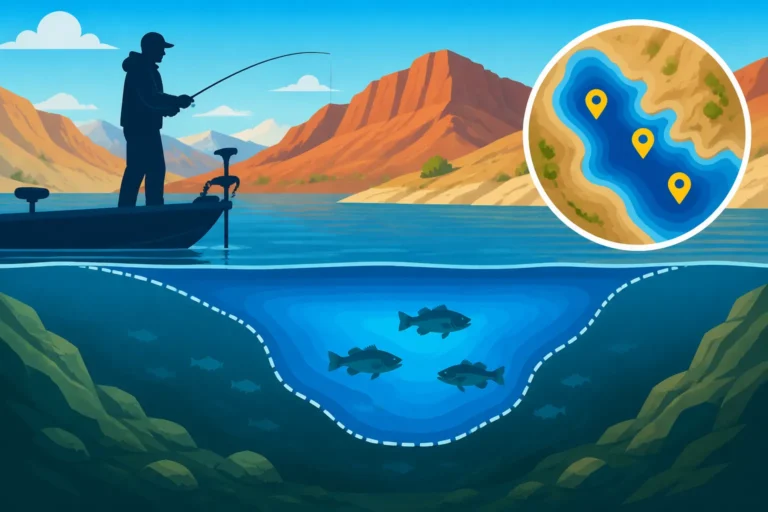
At reservoirs like Flaming Gorge, you might see massive schools pushing into the upper reaches of canyons or river arms that feed the main lake. Similarly, at Strawberry Reservoir, they'll often move towards the shallower bays and the mouth of the Strawberry River. These movements are deliberate and directional, a clear signal they are no longer randomly cruising for zooplankton. You might notice them holding at specific depths, sometimes shallower than their usual summertime haunts, as they prepare to ascend into the spawning areas. If you're out on the water, pay close attention to your fish finder; those dense, tightly packed schools near potential spawning grounds are a strong indicator of staging activity. Some anglers even utilize advanced Best Fish Finders for Utah Reservoirs to locate these congregations more effectively.
Decreased Feeding and Increased Aggression
Perhaps the most challenging aspect for anglers during the staging phase is the significant decrease in feeding activity. Kokanee stop actively foraging as their digestive systems begin to shut down, prioritizing the final maturation of their eggs and milt. This means that traditional trolling methods with small, flashy lures that mimic zooplankton, which work so well earlier in the season, become less effective. They're no longer eating for sustenance; their energy reserves are being dedicated to reproduction.
However, this doesn't mean they won't strike. Instead of feeding, their strikes become much more reactionary and aggressive. They will often strike at lures or jigs out of irritation, territorial defense, or an instinctive reflex. They might be protecting a perceived spawning area or simply lashing out at anything that invades their personal space. This is why techniques like jigging with brighter, more erratic presentations can sometimes be successful during this period, even when trolling fails. You're trying to provoke a strike, not necessarily entice a meal. Keep an eye on reports about specific waters, as local knowledge is key during this sensitive time. Information on Strawberry Reservoir Seasonal Closure Dates might also be relevant, as certain areas are closed during peak spawning to protect the fish.
Here's a quick reference table to help you identify these changes:
| Indicator | Early Staging (Pre-Spawn) | Late Staging (Near Spawning) |
|---|---|---|
| Coloration | Fading silver, hints of orange/pink | Vibrant red/orange, dark green mottling |
| Jaw/Hump | Slight kype/hump starting (males) | Pronounced kype (males), distinct dorsal hump |
| Schooling | Denser schools, moving towards inlets/spawning areas | Very dense, holding close to actual spawning beds |
| Feeding | Significantly reduced, reactionary bites | Almost no feeding, aggressive defensive strikes |
| Location | Deeper channels near inlets, mouth of rivers/creeks | Shallower gravel flats, river/creek channels |
| Energy Level | Still strong, but less acrobatic fighting | Deteriorating, slower, more sluggish |
Adapting Your Fishing Strategy for Staging Kokanee
Recognizing these visual and behavioral cues is only half the battle; the other half is knowing how to adjust your fishing techniques accordingly. Since these fish are no longer actively feeding, a different approach is necessary to elicit a strike.
Trolling Near Spawning Areas
While the traditional open-water trolling for actively feeding kokanee might slow down, you can still find success by focusing your efforts closer to the areas where they are staging. This means identifying the inlets of rivers, creeks, or shallow gravel bars within the reservoir itself that act as spawning grounds. Trolling slowly in these transition zones, particularly at depths where you're marking dense schools on your fish finder, can be effective. Instead of delicate presentations, consider slightly larger, more aggressive lures in bright, attention-grabbing colors like chartreuse, hot pink, or bright orange. These colors can trigger an aggressive response.
Consider the depth; as they move closer to spawning, they might move shallower than their mid-summer depths. Pay close attention to your electronics. Sometimes, a more erratic trolling pattern, with slight speed changes or sharp turns, can also induce strikes from otherwise lethargic fish. Remember, you're trying to annoy them into biting, not feed them. Products found on Amazon can offer a wide variety of these specialized lures and dodgers designed for kokanee fishing, helping you experiment with different presentations. When considering your trolling setup, understanding What Trolling Speed Works Best for Kokanee Salmon? is also crucial, as slower speeds are often preferred during this period.
Jigging and Vertical Presentations
Once kokanee are heavily concentrated in staging areas, jigging becomes a highly effective method. This technique involves dropping a lure or jig directly into a school of fish and imparting an aggressive, vertical action. You're essentially presenting a nuisance, a flash of color and movement that invades their space. Jigs in fluorescent colors, often tipped with a piece of corn or bait for added scent and appeal, can be deadly. Small jigging spoons or ice fishing jigs can also work well, even if there's no ice yet.
The key is to use your fish finder to locate schools and then position your boat directly over them. Drop your jig down to their depth, and work it with sharp lifts and drops. Experiment with the aggressiveness of your jigging motion until you find what triggers a strike. Sometimes a subtle flutter is all it takes, while other times a hard rip and fall is more effective. This method is particularly useful in tight quarters or when fish are holding in very specific, confined areas near tributaries. A good quality Best Spoon Size for Kokanee can make a big difference in presentation. Many anglers stock up on their favorite kokanee jigs and spoons from online retailers like Amazon to ensure they have a wide selection of colors and weights.
Terminal Tackle and Line Considerations
Given the aggressive, reactionary nature of strikes from staging kokanee, your terminal tackle needs to be robust enough to handle their short, powerful runs. While they might not fight with the same acrobatic intensity as a trout, their sheer bulk and determination can test your gear. Using strong leaders, usually 6-8 pound test fluorocarbon, is a good idea. Fluorocarbon is nearly invisible in the water, which can be an advantage even for aggressive fish. Hook sharpness is paramount; a dull hook will result in missed opportunities, as these strikes can be quick and violent.
Consider using hooks with slightly larger gaps than you might use for feeding fish, to ensure a solid hookset. Also, while you might be tempted to use heavier line to prevent break-offs, remember that these fish are becoming more sensitive to pressure. A balanced approach, perhaps using a Best Fishing Line for Utah Trout that offers both strength and stealth, is usually best. Don't forget to have a good landing net handy, as bringing a large, angry kokanee into the boat can be tricky. When you're dealing with larger, more robust lures for these aggressive fish, having a reliable tackle box that keeps everything organized, perhaps one you picked up from Amazon, is always a plus.
What to Expect as Staging Progresses
As the staging phase progresses and the kokanee move closer to their final spawning act, their behavior will become even more pronounced. The brilliant red coloration will intensify, and the kypes on males will be fully developed. You might see fish actively clearing redds (spawning beds) or engaging in territorial battles. At this point, their bodies are rapidly deteriorating, and they are nearing the end of their lives.
Anglers should be aware that once kokanee are actively spawning, they become even more difficult to catch by traditional angling methods. Many waters in Utah have regulations or even closures during peak spawning season to protect these fish and their reproductive efforts. It's always best to check the current Utah Fishing Regulations Explained for the specific body of water you plan to fish. Catching a spawning kokanee that is actively on a redd, while sometimes possible, is often discouraged as it can disrupt their crucial reproductive activities. The goal during the staging phase is to intercept them before they are fully committed to spawning, when they are still relatively strong and can be provoked into striking.
Disclaimer
Fishing conditions and regulations in Utah can change frequently. Always consult the latest official Utah Division of Wildlife Resources (UDWR) regulations before heading out on the water. This guide provides general information and recommendations based on typical patterns and practices.