What Lures Work Best for Utah Lake Walleye After Dark?
The struggle is real when you’re out on Utah Lake during the day, casting your heart out for walleye only to feel like you’re just feeding the water. It can be incredibly frustrating to know these elusive fish are there, but they just won't cooperate under the glaring sun. But what if I told you the cover of darkness often holds the secret to unlocking Utah Lake’s walleye potential? This comprehensive guide will illuminate the specific lures and tactics that work wonders for enticing those nocturnal predators after the sun dips below the horizon.
Why Night Fishing for Walleye on Utah Lake is a Game Changer
Many anglers shy away from night fishing, daunted by the low visibility and cooler temperatures. However, for walleye enthusiasts on Utah Lake, it's often the most productive time to be on the water. Understanding why these fish become more active after dark is the first step toward a successful night out.
The Walleye's Nocturnal Nature and Utah Lake's Ecosystem
Walleye are renowned for their excellent low-light vision, a distinct evolutionary advantage thanks to a reflective layer in their eyes called the tapetum lucidum. This "night vision" allows them to hunt effectively when other prey fish, like the abundant gizzard shad and juvenile carp in Utah Lake, become disoriented or seek shallow cover. During the day, walleye often retreat to deeper, cooler, or more turbid waters, conserving energy and avoiding bright light. But as dusk settles, they move into shallower feeding grounds, ready to ambush unsuspecting baitfish.
Utah Lake itself plays a huge role in this nocturnal behavior. Its naturally turbid waters, a result of its shallow depth and a soft, often silty bottom that gets stirred up by wind, create a perpetual low-light environment even during the day. This means walleye are always somewhat "primed" for low-light conditions. At night, that turbidity acts as an even greater cover, allowing them to roam more freely. The lake's vast, relatively uniform bottom also means walleye often key in on subtle changes in depth, structure, or current breaks, which are easier to approach under the veil of night without spooking them. Knowing more about the general habits of the lake's population can be super helpful, so check out our article on the Utah Lake Walleye Population.
Optimal Conditions and Prime Times After Dark
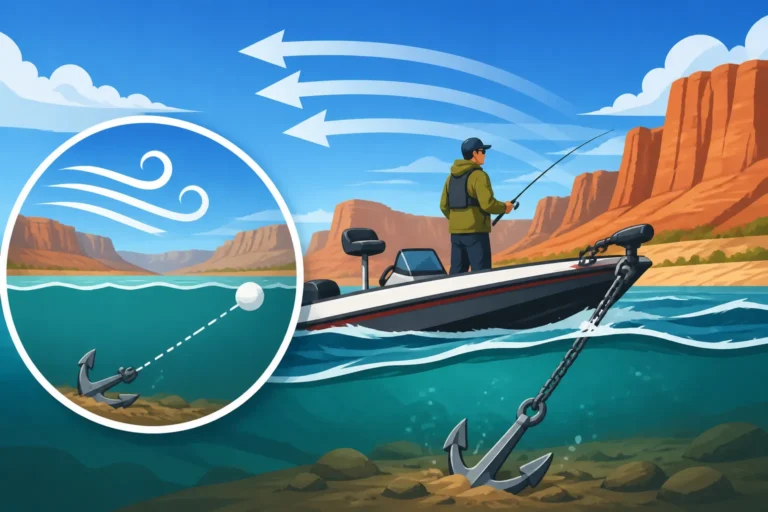
While any night fishing excursion can be productive, certain conditions enhance your chances of success. Cloud cover, for instance, is your friend. Overcast nights further reduce light penetration, making walleye even bolder. New moon phases, or times when the moon is less visible, can also be fantastic, again due to less ambient light. A gentle breeze, just enough to create a slight chop on the water, can also be beneficial, as it breaks up the surface, reduces visibility for the fish, and often gets the baitfish moving.
The prime feeding window often occurs during the first few hours after sunset, as walleye transition from their daytime haunts to shallower feeding areas. Another hot window can be just before dawn, as they prepare to retreat to deeper water. Don't be afraid to stay out through the late hours; some of the biggest walleye are caught in the dead of night, especially between midnight and 3 AM. Water temperature also plays a role. In warmer months, the surface water cools down at night, drawing fish up from the depths. During cooler periods, night fishing might still be effective, but the walleye might not come as shallow. If you want to refine your timing even further, understanding the Best Time of Year to Fish in Utah can help you plan your trips.
Top Lure Categories for Night Walleye on Utah Lake
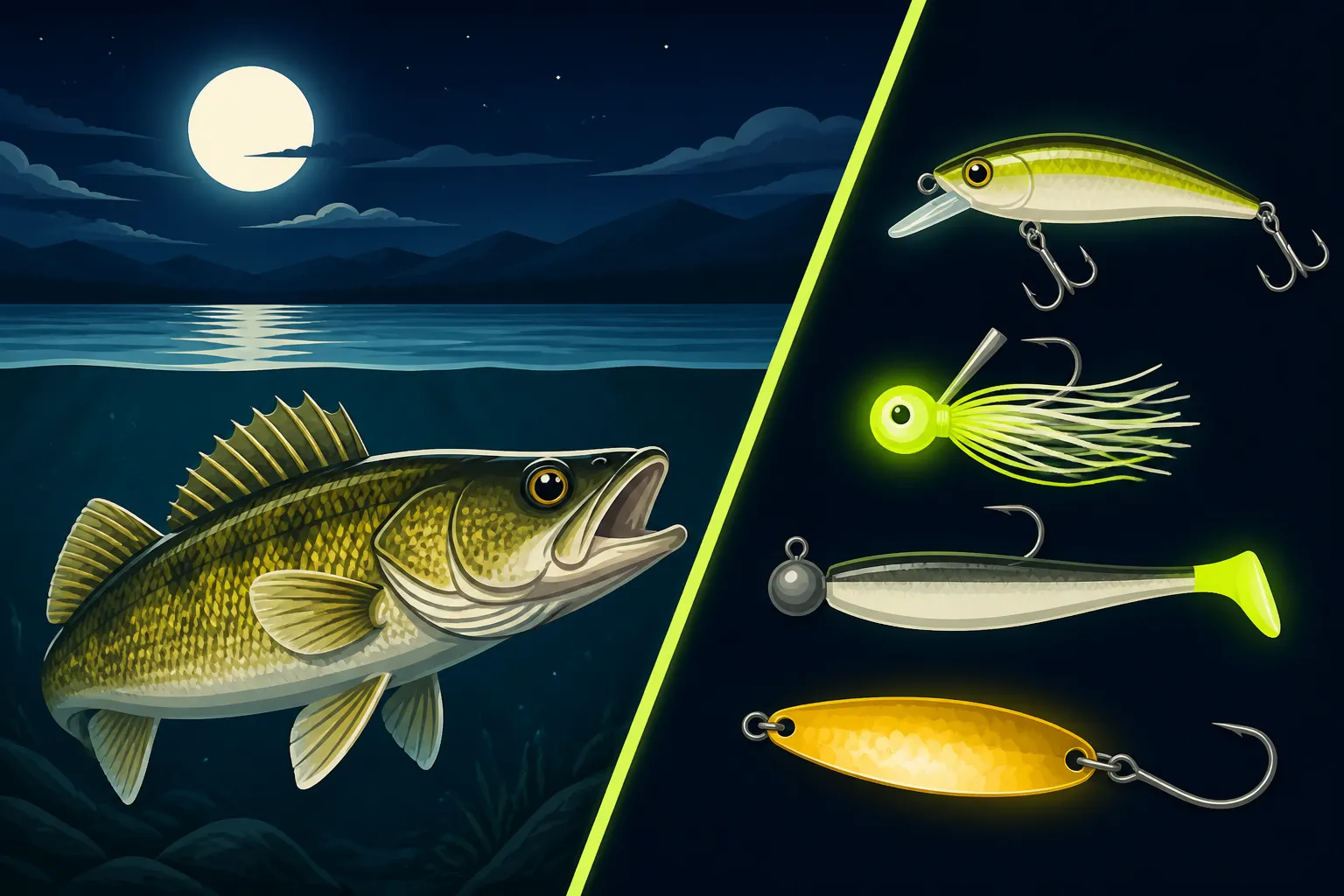
When the sun goes down, visual cues diminish, and walleye rely more on their other senses: lateral line (to detect vibration), scent, and their superior low-light vision. This means your lure selection needs to cater to these senses. Forget the subtle, natural patterns of daytime. At night, you want lures that make a statement, whether it's through thumping vibrations, a strong silhouette, or glow-in-the-dark properties.
Crankbaits and Jerkbaits: Vibration and Profile
Crankbaits and jerkbaits are absolute powerhouses for night walleye, especially when fish are actively patrolling shallow flats or submerged weed lines. Their aggressive wobbling action creates a strong vibration that walleye can detect from a distance with their lateral line, even in the murky waters of Utah Lake. The distinct profile of these lures, silhouetted against the faint moonlight or even just the sky glow from nearby cities, can also be irresistible.
For Utah Lake, consider medium-diving crankbaits that reach depths of 5-15 feet. Look for models with internal rattles that add an extra sonic attraction. Color-wise, don't overthink it. Often, dark colors like black, blue, or purple create the best silhouette against lighter skies. However, some anglers swear by bright, fluorescent colors like chartreuse or firetiger, especially those with UV properties, arguing they're more visible even in low light and turbid water. It's often worth experimenting with both. Brands like Rapala Shad Raps or Berkley Flicker Shads are classic choices. You can easily find a wide selection of these lures on platforms like Amazon, making it convenient to stock up before your trip. Experiment with a slow, steady retrieve that allows the lure to achieve its maximum wobble. Don't be afraid to add short pauses or subtle twitches to mimic a struggling baitfish – this often triggers a reaction strike from a hesitant walleye.
Jigs and Soft Plastics: Slow and Seductive
When walleye are less aggressive or holding tighter to structure, jigs paired with soft plastics become incredibly effective. This combination allows for a much slower, more controlled presentation, letting you meticulously work specific areas where walleye are suspected to be holding. The subtle movements of soft plastics, coupled with the potential for scent, can be deadly.
For night fishing on Utah Lake, choose jigs in the 1/8 oz to 3/8 oz range, depending on depth and wind conditions, to ensure a slow, natural fall. The key here is to impart subtle action. Try plastic tails that have a lot of movement, even at slow speeds, such as paddle tails, curly tails, or straight worms. Gulp! Alive! from Berkley offers incredible scent attraction, which is a major advantage in the dark where visual cues are limited. Again, dark colors like black, blue, or junebug (dark purple with green flakes) provide a good silhouette. However, glow-in-the-dark or highly fluorescent plastics can also be incredibly effective, especially if you "charge" them with a flashlight before casting. The best presentation for these is a slow lift-and-drop, or a drag-and-pause motion, keeping the lure close to the bottom. Sometimes, simply letting the current or your boat's drift move the jig is enough. This technique is also fantastic for catching other species like catfish, which also become active at night, especially if you're hitting some of the Utah Lake Catfish Fishing Spots.
Spinnerbaits and Blade Baits: Flash and Thump
For those times when walleye are a bit more scattered or when you want to cover water quickly, spinnerbaits and blade baits can be excellent search lures. They offer a combination of flash, vibration, and profile that can entice aggressive walleye.
Spinnerbaits, with their rotating blades (Colorado blades for maximum thumping vibration, or willow leaf for more flash), create a distinct disturbance in the water. For night fishing on Utah Lake, focus on spinnerbaits with larger, darker blades that displace more water and create a strong silhouette. Add a dark-colored soft plastic trailer to bulk up the profile and add subtle movement. These are great for burning over shallow flats or alongside submerged structures. A slower retrieve will help keep the bait in the strike zone longer. Blade baits, like the Johnson Thinfisher or Berkley Walleye Rippers, are compact lures that vibrate intensely on the retrieve or when jigged vertically. Their metallic construction emits a high-frequency vibration, and their flash can be surprisingly effective even in low light due to reflections from ambient light or a bioluminescent glow. Work them with a lift-and-drop technique, letting them flutter back down on a semi-slack line. You can find many options for these versatile lures, including various sizes and colors, on Amazon.
Mastering Presentation and Technique After Dark
Lure choice is just one piece of the puzzle. How you present those lures and adapt your technique to the darkness will ultimately determine your success. Night fishing demands a heightened sense of feel and patience.
The Importance of Slow Presentation and Sensory Cues
At night, walleye are less likely to chase down a fast-moving bait. They rely heavily on their lateral line to detect vibrations and scent to locate prey. This means your presentation needs to be slower and more deliberate. Think about mimicking a wounded or disoriented baitfish rather than a fleeing one. A slow, steady retrieve for crankbaits, or a gentle lift-and-fall for jigs, allows the walleye ample time to home in on the lure.
Pauses are crucial. Many bites occur when the lure is completely motionless, giving the walleye that extra second to commit. Learn to feel for subtle taps, unnatural weight, or even just a slight cessation of the lure's action. This is where a sensitive rod and braided line really shine. Often, a walleye will simply "suck in" the bait rather than deliver a sharp strike, making a sensitive setup absolutely essential. If you want to know more about appropriate gear, our comprehensive Utah Fishing Gear Guide and Best Fishing Rods for Utah Anglers can help you select the right tools for the job.
Strategic Color Choices and Scent Enhancements
While we touched on colors earlier, it's worth a deeper dive for night walleye on Utah Lake. In general, dark colors create a strong silhouette against the lighter sky or water surface, making them easier for walleye to perceive in low light. Think black, dark blue, purple, or even dark green. These provide a stark contrast.
However, glow-in-the-dark lures or those with UV finishes can also be incredibly effective. The turbidity of Utah Lake water can scatter light, and UV light penetrates deeper, making these lures potentially visible from a greater distance. It's often a good idea to have both options in your tackle box. Before casting a glow-in-the-dark lure, "charge" it with a bright flashlight for a few seconds; you'll be amazed at how much it glows underwater.
Scent is another sensory cue that is often overlooked but can be a game-changer at night. Walleye have an excellent sense of smell. Applying a commercial fish attractant (like those from Pro-Cure or Dr. Juice) to your soft plastics or even crankbaits can significantly increase your strike chances, especially on slower retrieves or when fish are finicky. Many walleye pros swear by garlic or anise scents.
Here's a quick reference table for night walleye lure colors on Utah Lake:
| Lure Type | Best Night Colors (General) | Best Night Colors (Turbid/Dark) | Key Advantage at Night |
|---|---|---|---|
| Crankbaits | Black, Dark Blue, Purple | Chartreuse, Firetiger, Glow | Strong silhouette, vibration |
| Jerkbaits | Black, Dark Blue, Silver | White, UV finishes, Glow | Erratic action, slim profile |
| Jigs & Plastics | Black, Junebug, Pumpkinseed | Chartreuse, White, Glow | Slow presentation, scent hold |
| Spinnerbaits | Black blades, Dark skirt | Gold blades, Bright skirt | Flash, vibration, weedless |
| Blade Baits | Dark metallic, Silver | Gold metallic, Bright colors | Intense vibration, flash |
Gear Considerations for Night Walleye
Successful night fishing requires more than just the right lures; having the right gear is paramount for both effectiveness and safety.
- Rods and Reels: A medium-light to medium power spinning rod, 6'6" to 7'6" in length, with a fast action tip is ideal. This combination offers enough backbone to fight a decent walleye, but the sensitive tip is crucial for detecting those subtle night bites. Pair it with a smooth spinning reel in the 2500-3000 series. If you're wondering which reel type is best, our guide on Best Fishing Line for Utah Bass (which applies to walleye as well) might offer some insights.
- Line: Braided line (10-20 lb test) is often preferred for night fishing due to its zero-stretch properties, offering maximum sensitivity to feel those light bites. A fluorocarbon leader (8-12 lb test) provides invisibility in the water and abrasion resistance, especially if you're fishing near rocky areas.
- Lighting: A good headlamp with a red light option is non-negotiable. Red light preserves your night vision better than white light, which is crucial for tying knots or navigating. Always have a backup light source.
- Net: A large, rubberized landing net is essential. The rubber coating protects the fish (especially important if you're planning to release any, keeping in mind the Utah Walleye Daily Limit), and it prevents hooks from getting tangled in the mesh, which is a nightmare in the dark.
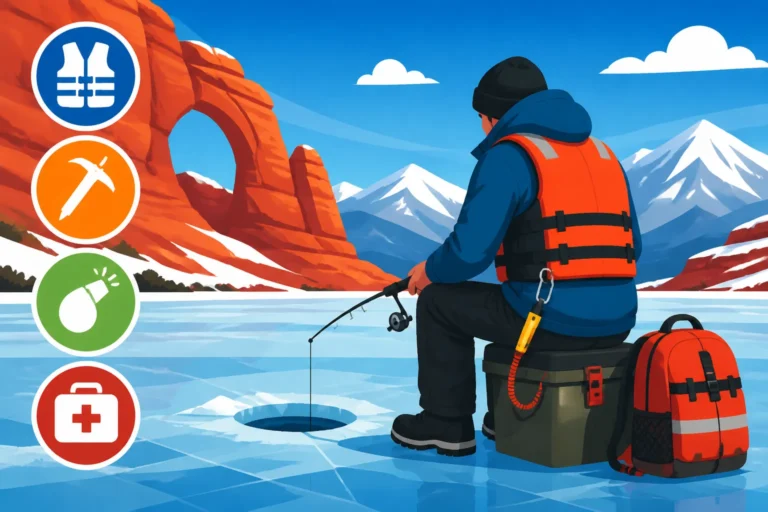
- Safety Gear: Don't forget your PFDs (personal flotation devices), a sound-producing device (horn or whistle), navigation lights if you're on a boat, and possibly a GPS unit or a fish finder to navigate the lake safely in the dark. Devices that help you understand the underwater topography are very useful; you can learn more about them in our piece on How to Read a Fish Finder for Utah Reservoirs. A cell phone with a full charge is also critical for emergencies. Remember that fishing a big lake like Utah Lake at night carries inherent risks, so always go with a buddy if possible.
Walleye fishing after dark on Utah Lake isn't just about catching more fish; it's an immersive, almost mystical experience. The quiet of the lake, the star-filled sky, and the heightened anticipation of a bite make for unforgettable memories. By understanding walleye behavior, selecting the right lures that appeal to their nocturnal senses, and mastering your presentation, you'll be well on your way to consistent success. Embrace the darkness, and let the walleye come to you.
Disclaimer
Fishing regulations, license requirements, and local conditions can change. Always consult the official Utah Division of Wildlife Resources (UDWR) website or guidebooks for the most current information before planning your fishing trip. This guide is for informational purposes only and does not constitute legal advice regarding fishing regulations.