Best Coves for Smallmouth Bass at Flaming Gorge
Many anglers head to Flaming Gorge Reservoir hoping to tangle with its legendary trout, but often overlook one of its most exciting, hard-fighting residents: the smallmouth bass. Finding these aggressive fish in such a massive body of water can feel like searching for a needle in a haystack, leaving many feeling frustrated after a long day on the water. This comprehensive guide is designed to cut through that confusion, revealing the best coves for smallmouth bass at Flaming Gorge, complete with specific locations and tactics to help you target them effectively.
Understanding Smallmouth Bass at Flaming Gorge
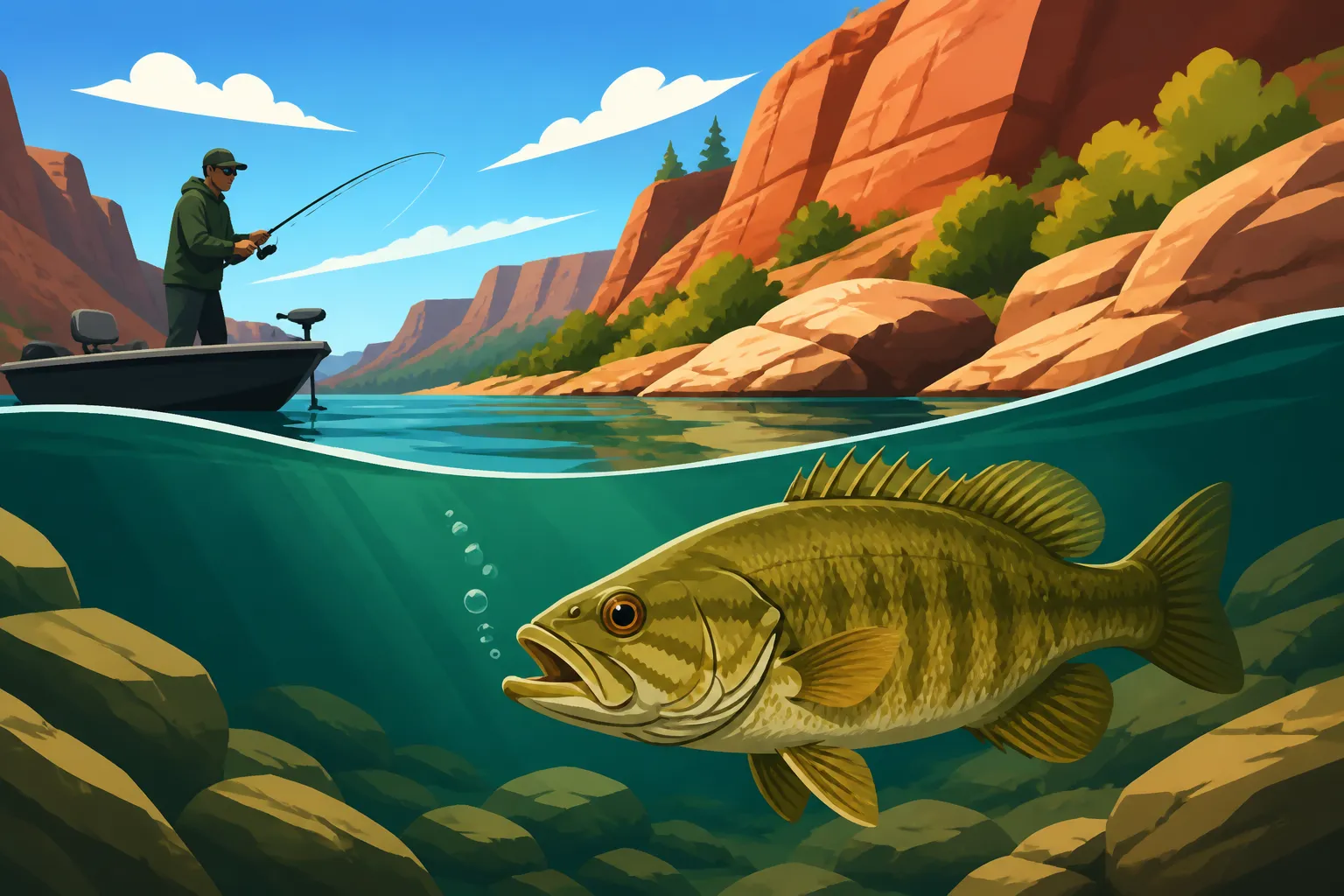
Smallmouth bass, often affectionately called "bronzebacks" for their distinctive coloration, are a highly sought-after game fish known for their powerful strikes and acrobatic fights. Flaming Gorge Reservoir, spanning the Utah-Wyoming border, has become a premier destination for these feisty fish, offering abundant rocky structure and forage that they absolutely thrive on. While the reservoir is famed for its trophy lake trout and kokanee salmon, the smallmouth population has quietly flourished, providing incredible angling opportunities, especially in specific coves and rocky areas.
Why Flaming Gorge is a Smallmouth Paradise
Flaming Gorge's unique geography makes it an ideal habitat for smallmouth. The reservoir boasts thousands of acres of clear, cool water, but it's the sheer amount of rocky shoreline, submerged ledges, and abrupt drop-offs that truly create a smallmouth haven. These fish are structure-oriented, meaning they love to hide and ambush prey around rocks, boulders, and steep banks. The Gorge provides this in spades, from the sheer red canyon walls to the countless smaller coves and points. Imagine a stretch of shoreline with a mosaic of large rocks, gravel, and some scattered timber—that's prime smallmouth territory.
The forage base is also excellent. Smallmouth bass in Flaming Gorge feed on everything from crayfish and various insects to smaller baitfish like juvenile kokanee and chub. This abundant food supply, coupled with the ideal habitat, contributes to healthy populations and impressive growth rates. Anglers frequently encounter smallmouth ranging from 1 to 3 pounds, with true giants pushing 5 pounds and even larger not uncommon. It’s not just about the size either; the fight these fish put up in the clear, cold water of Flaming Gorge is something every angler should experience. If you're curious about the general fishing opportunities across the entire reservoir, I've put together a comprehensive Flaming Gorge Fishing Guide that covers all species and general strategies.
Seasonal Smallmouth Behavior and Hotspots
Understanding the seasonal movements of smallmouth bass is crucial for consistent success. Their behavior changes dramatically with water temperature, dictating where they'll be found and what they'll be willing to eat. This means that a cove that's red-hot in May might be a ghost town in August, and vice versa.
- Spring (Ice-Off to Early June): As the ice recedes and water temperatures climb into the 40s and 50s, smallmouth move from deeper wintering grounds to shallower, sun-warmed coves and points. This is the pre-spawn period, and fish are hungry and aggressive, looking to pack on calories. They'll be scouting for rocky areas with quick access to deeper water, often holding on the sunnier north-facing banks first as these warm up fastest. During this time, you can often catch numbers of active fish, making it one of the most exciting periods to target them. Look for transition areas where rocky flats meet steeper drops.
- Summer (June to August): Once water temperatures reach the 60s and 70s, smallmouth begin to spawn. They construct nests in shallow, rocky pockets, often visible in clear water. After the spawn, they disperse but remain largely in the shallower, rocky coves and points, often moving a bit deeper during the intense heat of midday. Focus your efforts on shaded rock walls, submerged timber, and deep ledges adjacent to shallower flats. Fishing early morning or late evening can be particularly productive as the sun isn't directly overhead, and fish are more willing to venture into shallower feeding zones.
- Fall (September to November): As water temperatures cool, smallmouth aggressively feed to put on weight for winter. This is a fantastic time for trophy fish. They'll be found in a variety of depths, often moving in and out of coves, feeding heavily on schooling baitfish. Look for them on points, humps, and steep rock walls, sometimes congregating in large schools as they gorge themselves. Understanding How to Fish Deep Structure for Smallmouth in Fall can be a game-changer during this period, as fish might stack up in surprising places.
- Winter (December to Ice-On): With water temperatures dropping into the 30s and 40s, smallmouth move to their deep wintering areas. While ice fishing for smallmouth is less common than for species like lake trout, they can be targeted with vertical jigging presentations in deep rocky coves and along steep drops. This season requires patience and often specialized electronics to locate schools that are tightly grouped in deeper water, but the reward can be a hefty smallmouth.
Top Coves and Areas for Smallmouth Bass
Flaming Gorge is immense, and simply "fishing the rocks" isn't always enough. Knowing the specific coves and geographical features that consistently produce smallmouth bass will drastically increase your success. These areas often share common characteristics: a mix of rocky structure, varying depths, and ready access to deeper, cooler water. It's about finding those specific pockets that offer everything a smallmouth needs to thrive.
Lucerne Valley and Buckboard Crossing Areas
The areas around Lucerne Valley and Buckboard Crossing on the Wyoming side are incredibly popular, and for good reason. They offer diverse habitats easily accessible by boat and often from shore, making them fantastic starting points for any smallmouth quest.
- Lucerne Valley Marina Area: Just outside the marina, the numerous rocky points, small islands, and ledges extending into the main channel are phenomenal smallmouth spots. The entire shoreline around the "old" Lucerne boat ramp area, which is now mostly submerged rocky structure, holds excellent fish. This area saw significant water level changes over the years, creating new and intricate underwater topography that smallmouth adore. It’s a great place to cast crankbaits, jigs, or drop shot rigs along the contours. The clear water here means you might even spot smallmouth cruising before you make your cast, adding an exciting visual element to your fishing.
- Buckboard Crossing: A bit further north, Buckboard Crossing offers a rugged, rocky shoreline with countless small coves and inlets. The sheer amount of broken rock, boulders, and submerged timber makes it a perfect ambush habitat for smallmouth. Focus your efforts on the transition zones where steep rock walls meet more gradual rocky banks, as these often create current breaks and diverse feeding opportunities. This area is a bit more remote and can offer more solitude compared to the busier marina areas, allowing for a more peaceful fishing experience. If you’re not familiar with the vastness of the Gorge, you might consider booking a trip with an experienced local guide through FishingBooker to help you navigate and pinpoint these productive, secluded spots.
Linwood Bay to Hideout Canyon
Moving south towards the Utah side, the section from Linwood Bay down to Hideout Canyon is a smallmouth haven, especially if you're looking for larger fish. This region is characterized by dramatic geological features and deep, clear waters.
- Linwood Bay: This large bay has extensive rocky points, submerged humps, and shallow reefs that attract smallmouth, particularly during the spring and early summer. The eastern side of Linwood Bay, with its mix of ledges and chunk rock, is consistently productive. Look for isolated boulders or clusters of rocks that offer a distinct break in the bottom contour, as these are classic places for smallmouth to lie in wait. They often use these features as ambush points for passing baitfish.
- Hideout Canyon: A truly iconic Flaming Gorge location, Hideout Canyon is a prime target for trophy smallmouth. The deep, sheer canyon walls create endless rocky ledges, overhangs, and shaded pockets where big smallmouth love to lurk. Fish parallel to the walls, casting jigs, tubes, or senkos into any visible cracks or ledges. The structure here is intense and complex, meaning fish can be found at varying depths depending on the time of day and year. It’s also one of the areas where the Smallmouth Bass Size at Flaming Gorge really shines, producing some of the reservoir's largest bronzebacks. Be prepared for some truly breathtaking scenery while you fish here.
Cart Creek and Cedar Springs Area
Closer to the dam, these areas offer excellent access and diverse smallmouth opportunities, often with slightly different characteristics due to their proximity to the deep main channel.
- Cart Creek: This arm of the reservoir, near the Flaming Gorge Dam, features numerous rocky points and submerged channels. The water here can be deeper and cooler than other parts of the lake, making it excellent for summer smallmouth that are seeking thermal refuge from the heat. Target the steeper drop-offs and points leading into the main channel, as these provide easy access to different depth zones for the bass. The points on either side of the mouth of Cart Creek are especially reliable, often holding good schools of fish.
- Cedar Springs Marina: The shoreline stretching east and west from Cedar Springs Marina offers classic smallmouth habitat. Rocky points, small feeder creeks, and areas with submerged timber provide excellent cover. This can be a great place to start your day, especially if you're launching your boat nearby. The accessibility combined with consistent fishing makes it a popular choice. Knowing the Best Boat Ramps on Flaming Gorge Reservoir will help you plan your access points efficiently for this or any other part of the Gorge. The convenience of launching here means you can maximize your fishing time in productive waters.
Here's a quick reference table for some top smallmouth coves and areas:
| Cove/Area | Key Features | Best Season(s) | Recommended Techniques | Notes |
|---|---|---|---|---|
| Lucerne Valley Marina | Rocky points, islands, submerged structure | Spring, Summer | Crankbaits, Jigs, Drop Shot | Accessible, can be crowded. Excellent pre-spawn. |
| Buckboard Crossing | Rugged, rocky shoreline, boulders, timber | All Seasons | Jigs, Tubes, Ned Rigs, Topwater | More remote, good for solitude and structure. |
| Linwood Bay | Rocky points, humps, shallow reefs | Spring, Summer | Spinnerbaits, Jerkbaits, Tubes | Eastern side particularly productive, good for covering water. |
| Hideout Canyon | Deep, sheer canyon walls, ledges, overhangs | All Seasons | Jigs, Tubes, Senkos, Deep Cranks | Trophy potential, intense vertical structure. |
| Cart Creek | Deep rocky points, submerged channels | Summer, Fall | Jigs, Drop Shot, Deep Cranks | Deeper water, good for hot weather and active fish. |
| Cedar Springs Marina | Rocky points, feeder creeks, submerged timber | Spring, Fall | Spinnerbaits, Wacky Rigs, Squarebills | Good access, diverse habitat, convenient launching. |
Essential Tactics and Gear for Flaming Gorge Smallmouth
Catching smallmouth bass at Flaming Gorge isn't just about finding the right coves; it's about employing the right techniques and having the proper gear to entice these aggressive fish. Given the clear water and abundant structure, stealth and precision often pay off. You’ll need to adapt your approach to the conditions and the specific type of cover the smallmouth are holding on.
Top Baits and Lures for Bronzebacks
Smallmouth bass are opportunistic predators, but they can also be finicky, especially in clear water. Having a versatile tackle box filled with confidence baits is key to adapting to their mood.
- Jigs and Tubes: These are arguably the most consistent smallmouth producers at Flaming Gorge. Imitating crayfish or small baitfish, a 1/8 to 1/4 oz jighead paired with a green pumpkin, watermelon, or black tube bait can be deadly when fished along rocky bottoms, ledges, and drop-offs. The key is to let it sink, then twitch and drag it subtly, mimicking a crawling crayfish or a darting baitfish. For more specifics on what works best, check out this detailed guide on Best Lures for Utah Smallmouth Bass.
- Crankbaits and Jerkbaits: Especially effective in spring and fall when fish are actively chasing bait, medium-diving crankbaits in shad or crayfish patterns are excellent for covering water along rocky points and flats. The deflection off rocks can trigger violent reaction strikes. Jerkbaits, like those from Rapala or Lucky Craft, excel when fish are suspended or when you need to impart an erratic, stop-and-go action to trigger a strike. For the very best options for this specific reservoir, consider the Best Crankbait for Smallmouth Bass at Flaming Gorge.
- Soft Plastics (Drop Shot, Ned Rig, Wacky Rig): When fish are pressured, finicky, or holding tight to structure, finesse presentations shine. A drop shot rig with a 3-4 inch minnow or worm imitation (like a Yamamoto Senko) is fantastic for targeting fish on vertical drops or suspended over deep water, allowing you to present the bait right in their face without heavy weight. The Ned Rig, a mushroom-head jig with a small, buoyant worm, is incredibly subtle and deadly when dragged slowly along the bottom, mimicking a foraging minnow. Wacky rigs also shine in clear water around sparse cover. Learn How to Fish a Drop Shot Rig for Utah Bass for a tactical advantage that can unlock bites when other methods fail.
- Topwater Baits: During low light conditions in summer and fall, topwater lures like poppers, walking baits (e.g., Heddon Super Spook), or prop baits can provide explosive, heart-stopping strikes. There's nothing quite like watching a smallmouth blow up on a surface lure. These work best over shallower rocky areas in calm conditions, often during the dawn or dusk hours.
Rods, Reels, and Lines for Success
Having the right setup makes all the difference when fighting a strong smallmouth in rocky terrain. A balanced setup allows for better casting, sensitivity, and control during the fight.
- Rods: A medium-light to medium power spinning rod (6'6" to 7'2") with a fast action is perfect for finesse techniques like drop shotting and Ned rigs, offering superior sensitivity to detect subtle bites and enough backbone for long casts. For crankbaits, jerkbaits, and heavier jigs, a medium to medium-heavy casting rod (6'8" to 7'4") with a moderate-fast to fast action is ideal for power, accuracy, and handling larger, more aggressive presentations. If you're just starting out and need a versatile setup, a good Best Rod and Reel Combo for Beginners can get you started for many species, including smallmouth.
- Reels: Pair your spinning rod with a 2500 or 3000 series spinning reel, which offers a good balance of line capacity and smooth drag. For casting rods, a low-profile baitcasting reel with a gear ratio around 7.1:1 or 8.1:1 is versatile for various presentations, allowing for quick line pick-up when a fish strikes or when you need to retrieve slack. If you're serious about your bass fishing and looking for optimal performance, exploring Best Baitcasting Reels for Utah Bass Fishing will give you some top-tier options.
- Line: For spinning setups, 6-10 lb fluorocarbon or a braided main line (10-15 lb) with a 6-10 lb fluorocarbon leader is excellent for sensitivity, low visibility, and abrasion resistance against those sharp rocks. For casting setups, 10-14 lb fluorocarbon is a popular choice due to its low visibility, direct contact with the bait, and good sensitivity. If you're fishing particularly heavy cover or targeting larger fish, you might bump up to 15-20 lb fluorocarbon or braided line for added insurance.
Navigating and Finding Fish
Flaming Gorge is vast, covering over 42,000 acres, so efficient navigation and fish-finding tools are invaluable. Simply going by eye can waste precious fishing time.
- Electronics: A quality fish finder with side imaging or down imaging is a huge asset. These technologies allow you to scan wide areas and pinpoint submerged rock piles, ledges, and even individual fish that might be holding tight to structure that you'd never see with the naked eye. Many experienced anglers use these tools not just to find fish, but to understand the bottom contour and identify potential ambush points even before making a cast. The ability to mark waypoints on these units is also critical for returning to productive spots.
- Trolling Motor: A bow-mounted electric trolling motor, especially one with GPS anchoring capabilities (like a Minn Kota Ulterra or Terrova, or a Garmin Force), is a game-changer for smallmouth fishing. It allows you to precisely position your boat along rocky banks, hold against wind and current, and silently approach active fish without spooking them. While this specific post focuses on Flaming Gorge, understanding the general benefits of a powerful Trolling Motor Thrust Needed for a Utah Reservoir Boat is helpful for any large body of water.
- Maps and Apps: Utilize detailed lake maps, either on your fish finder or via mobile apps like Navionics or C-MAP. These maps highlight contour lines, depth changes, and underwater structure that are smallmouth magnets. Mark productive spots and analyze the topography to find similar areas. These tools can help you develop a mental map of the underwater landscape, improving your efficiency. When planning your trip, consider checking out guided trips from local experts via FishingBooker to learn the nuances of specific spots. They often have unparalleled local knowledge and can show you exactly how to read the maps and structure.
Remember that clear water at Flaming Gorge means smallmouth can be spooky. Make long casts, keep your distance, and be mindful of your boat's shadow, as it can easily send fish scattering. Also, be aware of How Wind Affects Fishing on Utah Reservoirs can impact your boat control and fish behavior. A calm day might mean fish are shallower and more visible, while a windy day might push them deeper or into more protected coves, changing your approach entirely. Mastering boat control in windy conditions is a skill that will greatly improve your smallmouth success.
Planning Your Smallmouth Adventure
A successful smallmouth trip to Flaming Gorge involves more than just knowing where to cast. Thoughtful planning, especially regarding the time of year and safety, will enhance your experience and ensure you have a memorable and responsible outing. Taking these factors into account can turn a good day into a fantastic one.
Best Time of Year for Peak Action
While smallmouth can be caught year-round, certain seasons offer more consistent action and better chances at trophy fish. Timing your trip correctly can make a huge difference in your success rate.
- Late Spring (May to early June): This is arguably the prime window for aggressive smallmouth. Fish are moving shallow, actively feeding before the spawn, and are generally very aggressive. Water temperatures are rising, but not yet at their summer peak, keeping fish relatively shallow and accessible. This is the period when you can often find good numbers of fish and some larger individuals mixed in, making it a favorite time for many smallmouth enthusiasts.
- Early Fall (September to October): As water temperatures begin to cool from their summer highs, smallmouth enter a "feeding frenzy" to prepare for winter. They can be incredibly active and often school up, making for fantastic days on the water. This is a great time for both numbers and size, with fish often putting up an even stronger fight as they bulk up. To get the full picture on seasonal patterns, delve into the Best Time of Year for Smallmouth Bass Fishing in Utah.
Summer can be good, particularly early morning and late evening, but the midday heat often pushes fish deeper into shaded areas, requiring different tactics. Winter fishing for smallmouth is challenging but can produce rewarding catches for dedicated anglers willing to brave the cold, often finding larger fish grouped tightly in deep structure.
Safety and Conservation on the Gorge
Flaming Gorge is a large, deep reservoir, and safety should always be your top priority. Beyond personal safety, it's also crucial to be a responsible steward of this incredible natural resource.
- Weather Awareness: The weather can change rapidly on the Gorge, especially with gusty winds and sudden thunderstorms. Always check the forecast before heading out, and be prepared for changing conditions, even if the morning starts calm. High winds can whip up quickly and make boating dangerous, particularly for smaller craft, so always err on the side of caution.
- Life Jackets and Safety Gear: Ensure everyone on board has a properly fitting life jacket, and that all required safety gear (throwable device, horn/whistle, fire extinguisher, etc.) is readily accessible and in good working order. Remember, even strong swimmers can be overwhelmed by cold water or sudden, unexpected events on a large body of water.
- Aquatic Invasive Species (AIS): Utah has strict regulations regarding aquatic invasive species, particularly quagga and zebra mussels. If you're launching a boat, be prepared for mandatory inspections and decontamination if necessary. Always adhere to the "Clean, Drain, and Dry" protocol for your vessel and gear after every trip to prevent the spread of these harmful species. This protects the ecosystem of Flaming Gorge and other Utah waters, preserving them for future generations.
- Practice Catch and Release: While smallmouth bass are excellent table fare, consider practicing catch and release, especially for larger fish. This helps maintain a healthy population of trophy-sized fish and ensures future generations can enjoy the fantastic smallmouth fishing at Flaming Gorge. When releasing fish, handle them carefully, minimize their time out of water, and use single, barbless hooks when possible to reduce stress and injury. Releasing these hard fighters ensures they can spawn and contribute to the fishery.
By combining knowledge of these prime coves with effective techniques and a strong commitment to safety and conservation, your smallmouth bass fishing experience at Flaming Gorge Reservoir will undoubtedly be a memorable one. Don't forget that if you're looking to explore new waters or want local insights, FishingBooker can connect you with experienced guides who know these coves like the back of their hand. They can shave years off your learning curve and put you on fish faster!
Disclaimer
Fishing conditions and regulations in Utah can change. Always consult the latest Utah Division of Wildlife Resources (UDWR) regulations before your trip. This guide is for informational purposes only and does not supersede official rules.