Utah Smallmouth Bass Guide
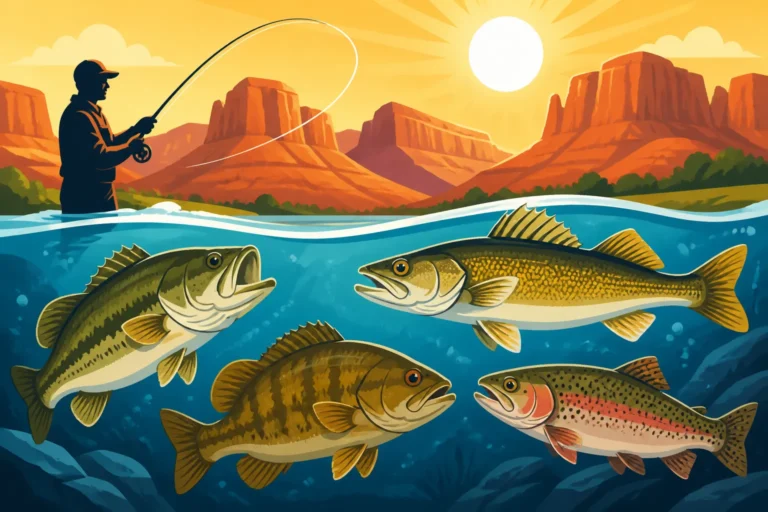
Few fish in Utah put up a fight quite like the smallmouth bass. They are feisty, hard-hitting, and acrobatic, making them a favorite target for anglers who love a challenge. But knowing where to find these tenacious fighters and how to entice them can feel like a mystery, especially with Utah's diverse waters. This comprehensive guide will demystify smallmouth bass fishing in the Beehive State, covering everything from identifying these incredible fish to the best techniques and gear to land them, ensuring your next outing is a success.
Understanding Utah's Smallmouth Bass
Smallmouth bass, often affectionately called "smallies," are renowned for their aggressive strikes and powerful fights. While not native to Utah, they have found a home in several of our reservoirs and provide an exciting angling opportunity. Getting to know their characteristics and habits is the first step to consistently finding them.
Smallmouth Bass Identification and Characteristics
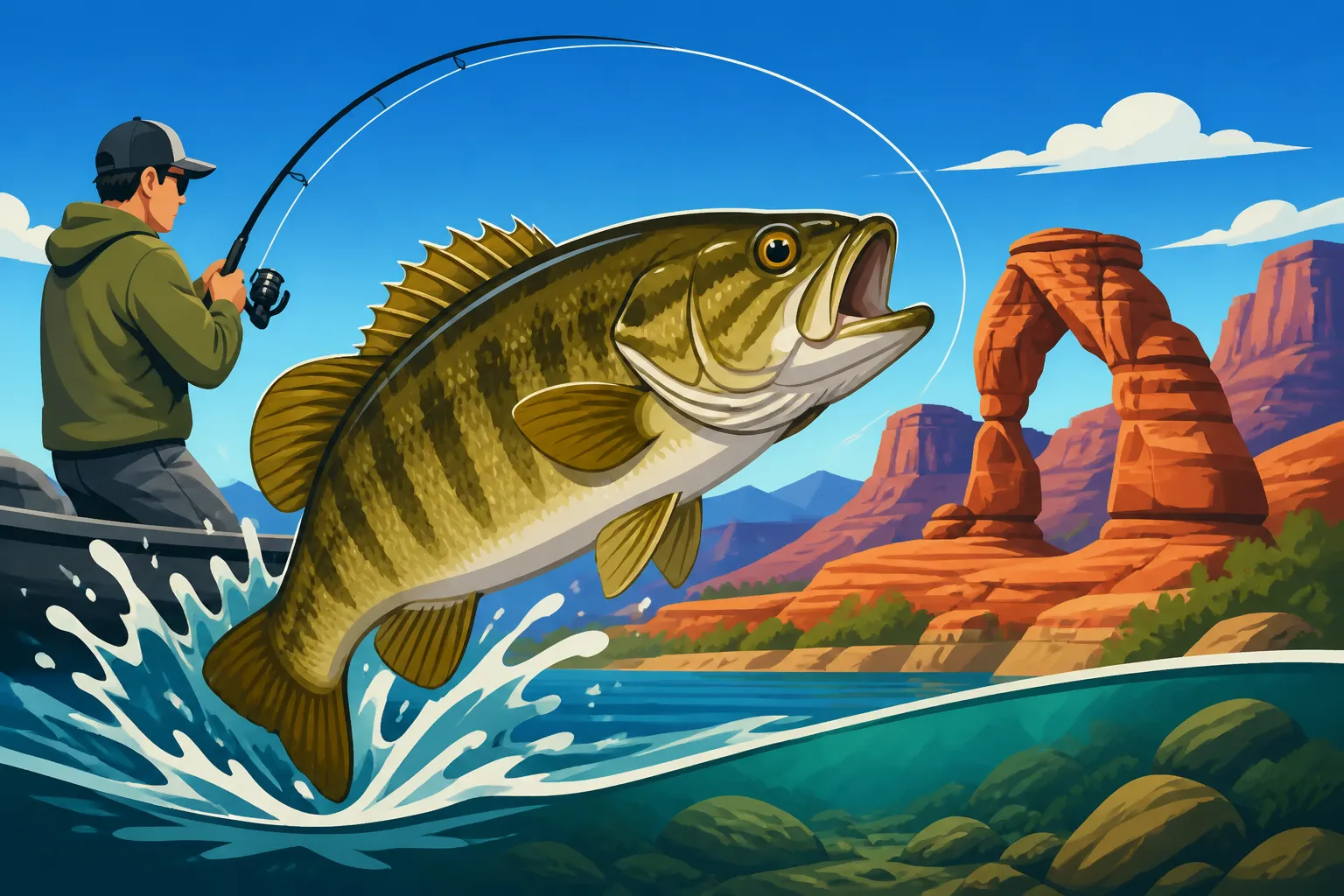
When you pull a smallmouth bass out of the water, you'll immediately notice its distinct features. They generally have a bronze-brown to yellowish-green body, often with vertical bars or blotches on their sides, though these can vary greatly depending on the water clarity and substrate of their habitat. Their eyes are typically reddish. The most defining characteristic, and the one that gives them their name, is their mouth. Unlike their largemouth cousins, a smallmouth's jaw doesn't extend past the back of its eye when closed. They also possess a continuous dorsal fin, without the deep notch seen in largemouths.
Size-wise, smallmouth bass in Utah can range from smaller panfish-sized individuals to true trophies. While not reaching the massive weights of some largemouths, a 3 to 5-pound smallmouth is a phenomenal catch, offering incredible sport. Their fighting style is legendary; they often leap clear of the water, shaking their heads vigorously to dislodge the hook, and pull with surprising power for their size. This combination of aerial acrobatics and relentless tugging is what makes Smallmouth Bass Identification in Utah a joy for so many anglers.
Where Smallmouth Bass Live in Utah
Smallmouth bass are particular about their habitat, preferring clear, cool waters with rocky or gravelly bottoms. You won't typically find them lurking in thick vegetation or muddy shallows like largemouths. Instead, look for them around structure: rock piles, submerged boulders, steep rocky points, ledges, and transition areas where rock meets sand or mud. They are ambush predators and will use these structures to hide and dart out at unsuspecting baitfish or crayfish.
In Utah, the premier destinations for smallmouth bass are large, clear reservoirs with extensive rocky shorelines and deep water. These environments provide the perfect combination of shelter, foraging opportunities, and temperature regulation that smallmouth thrive in. We'll delve into specific locations shortly, but generally, if you find clear water, rocky structure, and depths of 10 to 30 feet, you're likely in smallmouth territory.
Are Smallmouth Bass Considered Invasive in Utah?
This is a really important question for many anglers who care about our local ecosystems. Smallmouth bass are not native to Utah; they were introduced to certain waters, primarily for sportfishing purposes. Because of this, their presence can sometimes impact native fish species, especially in river systems or smaller, more sensitive lakes where they might outcompete or prey on indigenous populations.
However, the situation isn't always black and white, and it varies by water body. In many of Utah's larger, western-style reservoirs, like Flaming Gorge, smallmouth bass have established healthy, self-sustaining populations that coexist with other introduced species. The Utah Division of Wildlife Resources (DWR) carefully manages these fisheries. While they might be considered an "introduced" species, in certain reservoirs, they are a well-established and highly valued sport fish, not typically targeted for eradication. You should always check the specific regulations for the body of water you plan to fish, as DWR management goals can differ. Understanding Are Smallmouth Bass Considered Invasive in Utah? is key to being a responsible angler.
Top Utah Waters for Smallmouth Bass Fishing
Utah offers some incredible smallmouth bass fishing, with a few reservoirs standing out as true hotspots. Each location presents its own unique challenges and rewards, but one thing remains constant: the thrill of a smallmouth strike.
Flaming Gorge Reservoir: The Smallmouth Mecca
If you're serious about smallmouth bass, Flaming Gorge Reservoir should be at the very top of your list. This massive, high-desert impoundment, straddling the Utah-Wyoming border, is world-renowned for its trophy lake trout, but its smallmouth population is equally impressive and perhaps even more consistent. The reservoir's vast expanse of rocky shorelines, deep canyon walls, and countless coves provide ideal habitat for smallies.
Anglers here can expect to find smallmouth bass ranging from a pound or two up to genuine giants, sometimes pushing the 5-pound mark. The fishing can be phenomenal, especially during the warmer months. Focus your efforts on the rocky points, sheer rock walls, and submerged ledges. Coves with a mix of rock and scattered brush can also be productive, especially in the spring and early summer when the fish are shallower. The sheer size of Flaming Gorge means you can explore new water for years and still not fish it all, but that's part of its charm. Many state records, including Smallmouth Bass Size at Flaming Gorge, have been caught here, solidifying its reputation.
Deer Creek Reservoir: A Hidden Gem
While Flaming Gorge gets a lot of the spotlight, Deer Creek Reservoir, located near Provo, offers fantastic smallmouth bass fishing that often flies under the radar. This beautiful reservoir is much smaller and more accessible than Flaming Gorge, making it a great option for a day trip, especially for those in the Wasatch Front area. Deer Creek’s clear, cool waters and ample rocky structure create an excellent environment for smallmouth to thrive.
The smallmouth here tend to be plentiful and aggressive, making it a great spot for both seasoned anglers and those looking to get into bass fishing. You'll find them holding tight to the rocky shorelines, particularly along the dam face, various points, and any submerged boulders or ledges you can locate with your electronics. Spring and fall are particularly good times to target them in shallower water, but they can be caught deep during the heat of summer as well. Access is good around the reservoir, with boat ramps and plenty of shore fishing opportunities.
Lake Powell: Abundant Opportunities
Lake Powell, with its breathtaking red rock canyons and vast, intricate system of bays and coves, offers an incredible, albeit overwhelming, smallmouth bass fishery. The sheer scale of Powell means finding the fish can be a challenge, but when you do, the rewards can be immense. Smallmouth bass here often share habitat with largemouth and striped bass, adding to the variety of your catch.
The key to success on Lake Powell is focusing on areas with steep, rocky canyon walls, submerged rock piles, and points that drop off quickly into deep water. The smallmouth here are opportunistic feeders, often schooling up in clear water. Houseboat fishing is a popular way to explore remote areas and find untouched coves. Pay close attention to water levels, as they can dramatically alter the shoreline and fish holding patterns. While the reservoir is famous for its striped bass boils, don't overlook the incredible Best Coves for Bass at Lake Powell and smallmouth opportunities it presents.
Other Notable Smallmouth Waters
Beyond these top three, several other Utah waters hold respectable smallmouth bass populations, offering diverse experiences for anglers:
- Pineview Reservoir: Located near Ogden, Pineview is primarily known for its tiger muskie, but it also boasts a decent smallmouth population. Focus on rocky points and the dam area.
- Willard Bay Reservoir: While predominantly a warm water fishery for wipers and catfish, the rocky areas of Willard Bay can produce smallmouth, especially on the western side.
- Utah Lake: Though generally known for its walleye and catfish, Utah Lake has pockets of smallmouth, particularly around rocky structures or areas where the water clarity is higher. It’s less consistent, but the fish you find can be surprisingly healthy.
- Starvation Reservoir: This reservoir can be hit-or-miss but has a solid smallmouth population, especially in rocky coves and around submerged timber.
These additional spots offer more localized opportunities for smallmouth bass, proving that these feisty fighters have found a home in various corners of the state.
Essential Gear for Utah Smallmouth Bass
Having the right tackle can make a huge difference in your smallmouth bass success. These fish are powerful, and their preference for rocky environments means your gear needs to be up to the task. You don't need to break the bank, but a few key items will significantly improve your experience.
Rods, Reels, and Line Selection
For smallmouth bass, you'll want a versatile setup that can handle both delicate presentations and powerful fights. A medium to medium-heavy spinning rod, typically 6'6" to 7' in length, is an excellent all-around choice. It offers good casting distance for lighter lures and sufficient backbone to set the hook and control a fighting fish. Pair this with a reliable spinning reel in the 2500-3000 size range. This combination gives you the sensitivity to feel subtle bites and the power to bring in larger fish. For those who prefer baitcasting, a similar medium-heavy setup is ideal for heavier jigs, crankbaits, or topwaters.
Line selection is crucial. Many anglers prefer a braided main line (10-15 lb test) for its sensitivity and strength, especially when fishing around abrasive rocks. Tie a 6-10 lb fluorocarbon leader to the braid. Fluorocarbon is nearly invisible underwater, which can be a huge advantage in clear smallmouth waters, and its abrasion resistance helps protect against rocky snags. Alternatively, a straight fluorocarbon or monofilament line can work well, but you might sacrifice some sensitivity or strength compared to braid with a fluoro leader. You can find a fantastic selection of these fishing lines on Amazon, making it easy to experiment with different types.
Must-Have Lures and Baits
Smallmouth bass are opportunistic predators, and they'll hit a variety of lures. Having a diverse tackle box will prepare you for different conditions and moods of the fish. Here are some staples:
- Jigs and Soft Plastics: These are arguably the most versatile and effective smallmouth lures. Tube jigs (2.5-4 inches) in greens, browns, and whites, rigged with an internal jig head, mimic crayfish, a primary smallmouth food source. Grub-style soft plastics, rigged on a ball head jig, are also deadly. Drop shots, Ned rigs, and shaky heads with various worm or creature baits are excellent for finesse presentations, especially when fish are finicky or deep.
- Crankbaits and Jerkbaits: Hard baits like crankbaits are fantastic for covering water and triggering reaction strikes. Shallow-diving crankbaits work well along rocky shorelines, while medium-diving models are great for drop-offs and ledges. Jerkbaits, with their erratic darting action, are lethal in cooler water, particularly during spring and fall. Look for natural baitfish patterns.
- Topwater Lures: When conditions are right – calm water, low light, or active fish – nothing beats the explosive thrill of a topwater strike. Poppers, walk-the-dog style baits, and prop baits can be incredibly effective, especially around sunrise and sunset.
- Spinnerbaits and Chatterbaits: These can be great for covering water quickly and generating a lot of flash and vibration, particularly around submerged timber or rocky points.
- Live Bait: While many smallmouth anglers prefer artificial lures, live bait like crayfish (where legal), shiners, or nightcrawlers can be incredibly effective, especially for larger, less aggressive fish. Always check Utah Fishing Regulations Explained regarding live bait use.
Having a good selection of these Best Lures for Utah Smallmouth Bass will ensure you're ready for whatever the smallmouth throw at you.
Kayaks, Boats, and Accessories
Accessing prime smallmouth habitat often requires a boat. For larger reservoirs like Flaming Gorge or Lake Powell, a multi-species boat or bass boat is ideal for covering vast distances and safely navigating open water. Equipped with a good fish finder, these vessels allow you to pinpoint submerged structures and schools of baitfish.
However, you don't need a large boat to be successful. Kayaks and float tubes are incredibly effective, especially on smaller waters like Deer Creek, or for exploring the countless coves of larger reservoirs. They allow for stealthy approaches to shallow rocky areas where smallmouth often feed. When selecting a kayak, consider stability for casting and room for gear. Best Kayaks for Utah Lake Fishing can also be a great choice for smallmouth in various waters.
Regardless of your vessel, essential accessories include:
- Fish Finder/GPS: Crucial for locating structure, depth changes, and fish. A quality unit will quickly pay for itself.
- Anchor: Essential for holding position on rocky points or over deep structure, especially in windy conditions.
- Landing Net: A rubberized, knotless net helps protect the fish's slime coat and makes landing lively smallmouth much easier.
- Pliers/Forceps: For safely removing hooks, particularly if you're practicing catch-and-release.
- Cooler: To keep drinks, snacks, and any harvested fish fresh. Many excellent options are available on Amazon that fit a variety of boat sizes.
Effective Techniques for Catching Smallmouth Bass in Utah
Catching smallmouth bass consistently involves understanding their behavior and adapting your techniques to their preferred habitats and feeding patterns. These intelligent fish often require a thoughtful approach.
Casting to Structure and Cover
Smallmouth bass are kings of the rocky realm. They use structure not just for cover, but also as ambush points to surprise prey. Your primary strategy should be to cast your lures to or around these features. Think about rocky points that extend into the water, submerged ledges, boulder fields, and steep drop-offs. If there's any current or wave action hitting these areas, even better, as it often disorients baitfish and concentrates them.
Accuracy is key. Aim to hit the structure itself or cast just beyond it and retrieve your lure so it "bounces" or "crawls" along the rocks. When using jigs or soft plastics, a slow, methodical retrieve with pauses can be deadly, mimicking a crayfish scuttling along the bottom. For crankbaits, try to make them deflect off the rocks; this erratic action often triggers strikes. Remember, smallmouth often hold tight to the bottom, so getting your lure down into their strike zone is paramount. This is especially true when fishing How to Catch Smallmouth Bass in Rocky Coves.
Trolling and Drifting Strategies
While casting to specific structures is often the most exciting way to catch smallmouth, trolling or drifting can be incredibly effective for covering large areas, especially in vast reservoirs like Flaming Gorge or Lake Powell. This approach is excellent for finding schools of active fish or for targeting deeper-holding smallmouth when they aren't actively chasing bait in the shallows.
When trolling, use crankbaits that dive to the depth where you expect the fish to be. Experiment with different colors and sizes until you find what they prefer. A slow, steady speed is usually best, but occasional turns or speed changes can induce strikes. Drifting with the wind or current, while dragging jigs, tubes, or drop-shot rigs along the bottom, can also be very productive. This allows for a more natural presentation and covers deeper contours. Using your fish finder to identify underwater humps, points, and sudden depth changes is critical for successful trolling or drifting; these are the areas where smallmouth will often congregate.
Seasonal Tactics: Spring, Summer, Fall, Winter
Smallmouth bass behavior is highly influenced by water temperature and the changing seasons, meaning your tactics need to adapt throughout the year.
- Spring (Pre-Spawn & Spawn): As water temperatures rise into the 40s and 50s, smallmouth move shallower, often staging on rocky points and flats near spawning areas. They'll be hungry after winter. Jerkbaits, crankbaits, and slow-rolled spinnerbaits are effective. During the spawn (late spring, 58-68°F), they'll be on beds in 2-15 feet of water, aggressively defending their nests. Sight fishing with tubes or creature baits can be productive, but practice ethical angling to protect spawning fish.
- Summer (Post-Spawn & Deep Water): After the spawn, smallmouth move to deeper, cooler water. They'll relate to offshore structures like humps, deep rock piles, and ledges, often at depths of 20-40 feet or more, especially during the heat of the day. Drop shots, Ned rigs, deep-diving crankbaits, and heavy jigs are go-to lures. Early mornings and late evenings might see them push shallower to feed. Topwater can be explosive in low light.
- Fall (Feeding Frenzy): As water temperatures cool (50s-60s°F), smallmouth go on a major feeding binge, stocking up for winter. They'll often move back shallower onto rocky points, flats, and around baitfish schools. This is a fantastic time for aggressive presentations: jerkbaits, crankbaits, spinnerbaits, and even topwaters. Pay attention to schooling baitfish, as smallmouth won't be far behind. How to Fish Deep Structure for Smallmouth in Fall can be particularly rewarding.
- Winter (Ice Fishing): In waters that freeze, smallmouth bass can be caught through the ice, though they are less active. They'll typically hold in deeper basins or near prominent deep structure. Small spoons, jigs tipped with a grub or a piece of nightcrawler, and slow-moving blade baits can entice sluggish fish. Locating them with electronics is essential, as they often school tightly.
For more generalized tips on when to expect the best action, consider Best Month for Smallmouth Bass Fishing in Utah, as this can guide your seasonal approach.
Smallmouth Bass Conservation and Regulations
As anglers, we have a responsibility to protect our fisheries and ensure healthy populations for future generations. Understanding and adhering to regulations, and practicing responsible angling, are crucial, especially when targeting a popular sport fish like smallmouth bass.
Understanding Utah's Bass Fishing Regulations
The Utah Division of Wildlife Resources (DWR) sets specific regulations for bass fishing, which can vary by water body. These regulations typically cover bag limits (how many fish you can keep) and length limits (minimum or maximum sizes of fish you can keep). Some waters might have special provisions, such as catch-and-release only, or slot limits that protect a certain size range of fish.
It is absolutely essential to check the current Utah Fishing Regulations Explained before every fishing trip. You can find these online through the DWR website or by picking up a physical copy wherever fishing licenses are sold. Failing to follow these rules can result in significant fines and impact the health of the fish population. For instance, some waters might encourage keeping smaller bass to manage populations, while others might protect larger, trophy-sized fish. Knowing these nuances is part of being a good steward of the resource.
Practicing Responsible Angling
Responsible angling goes beyond just following the rules; it's about minimizing your impact on the fish and their habitat. Smallmouth bass are incredibly resilient, but improper handling can still cause stress, injury, or mortality, especially for fish you intend to release.
Here are some key practices:
- Handle Fish Gently: If you plan to release a fish, handle it as little as possible. Keep it in the water if you can. If you must remove it, support its body horizontally and avoid squeezing it, especially around the belly.
- Use Barbless Hooks: Many anglers crimp down the barbs on their hooks. This makes hook removal much easier and quicker, reducing stress and injury to the fish's mouth.
- Proper Hook Removal: Carry a pair of long-nosed pliers or hemostats. If a fish is deeply hooked, especially in the gills or throat, it's often best to cut the line as close to the hook as possible rather than attempting to rip the hook out. The hook will likely rust away, and the fish has a better chance of survival.
- Minimize Air Exposure: If you take a photo, do it quickly and get the fish back in the water immediately. Every second out of water is stressful.
- Revive Fatigued Fish: If a fish seems sluggish after a long fight, hold it gently in the water, facing into the current (if any), until it regains strength and can swim away on its own.
These practices ensure that the next angler, or even you on a future trip, can enjoy the thrill of catching a healthy smallmouth bass.
The Role of Smallmouth in Utah's Ecosystems
As an introduced species, smallmouth bass have established a unique niche in Utah's aquatic ecosystems. In some of the larger reservoirs, they provide a thriving sport fishery without significant detriment to native species, especially when balanced by other introduced predators and prey. They often help control populations of prolific forage fish, contributing to the overall health and balance of these complex environments.
Their presence also diversifies angling opportunities, drawing anglers who might not otherwise visit Utah's waters. This increased interest can support local economies and recreational funding that benefits all species. However, it's a delicate balance. DWR continuously monitors smallmouth populations and their interactions with other fish, making management adjustments as needed. For example, Utah Bass Fishing Regulations are often tailored to promote healthy predator-prey dynamics within specific lakes.
Advanced Tips and Tricks for Trophy Smallmouth
Chasing trophy smallmouth bass in Utah requires more than just basic techniques; it demands a deeper understanding of their environment and behavior. If you're looking to elevate your game and land that personal best, these advanced tips can make a significant difference.
Reading the Water: Identifying Prime Habitat
The ability to "read the water" is a skill that takes time to develop, but it's invaluable for locating big smallmouth. It's about looking beyond just obvious points and understanding the subtle cues that indicate prime holding areas. Think about where current breaks occur: even in a reservoir, wind-driven currents can create seams and eddies that concentrate baitfish and smallmouth. Look for subtle changes in bottom composition—a transition from sand to rock, or from smaller rocks to large boulders, can be a magnet for smallmouth.
Pay attention to depth contours. Smallmouth often patrol specific depth ranges, moving shallower to feed and deeper to rest or escape pressure. Use your knowledge of the species and the specific water body to anticipate where they'll be at different times of the day and year. For instance, a steep bluff that has shade for most of the day in summer might hold trophy fish seeking cooler water. The more you observe and interpret what you see (and what your electronics tell you), the better you'll become at identifying those hidden gems where a monster smallmouth might be lurking.
Electronics: Mastering Your Fish Finder
A modern fish finder is more than just a depth sounder; it's a powerful tool for finding smallmouth bass and their preferred habitats. Mastering its features can drastically improve your catch rates. Side imaging, for example, allows you to scan wide swaths of the bottom, revealing submerged rock piles, ledges, and even individual boulders that you might otherwise miss directly beneath your boat. Down imaging gives you a photo-like view of what's directly below, clearly showing structure and fish relating to it.
Learn to interpret what you see. Fish arches are great, but also look for bait balls (smallmouth are often nearby) and the subtle contours of the bottom. Mark waypoints on your GPS when you find productive structure or catch a fish; this allows you to return to those exact spots later. Understand how different sonar frequencies work and when to use them for maximum clarity in different depths. Using your electronics effectively turns an educated guess into a targeted search, increasing your chances of finding that big The Utah State Record Smallmouth Bass.
Weather and Water Conditions
Smallmouth bass are highly reactive to changes in their environment, particularly weather and water conditions. Understanding these factors and adjusting your approach accordingly can be the difference between a slow day and a banner day.
- Wind: A moderate chop on the water can be your friend. It breaks up the surface, making it harder for fish to see you, and often concentrates baitfish. Windy, rocky points are often prime smallmouth locations. However, extreme winds can make boat control and casting difficult, and fish might move to more sheltered areas.
- Sunlight: Bright, high sun often pushes smallmouth deeper or into shady cover, particularly in clear waters. Overcast days or periods of low light (sunrise/sunset) are often excellent, as fish feel more comfortable moving shallower to feed.
- Water Clarity: Smallmouth generally prefer clear water, relying heavily on sight to hunt. In stained or murky conditions, they might become less active or require louder, more vibrant lures to get their attention.
- Barometric Pressure: While often debated, many anglers believe that stable or rising barometric pressure tends to encourage more active feeding, while rapidly falling pressure (before a storm) can shut them down.
Keep a mental log, or even a written one, of how these conditions correlate with your success on different waters. Over time, you'll develop a strong intuition for what works best under various scenarios.
Here's a quick summary of key smallmouth fishing elements:
| Factor | Preferred Habitat | Best Lure Types | Peak Season (General) | Notes |
|---|---|---|---|---|
| Location | Rocky points, ledges, submerged boulders | Jigs, Crankbaits, Jerkbaits | Spring, Fall | Clear, cool water is key. |
| Depth | 10-40+ feet (deeper in summer, shallower in spring/fall) | Drop Shots, Deep Crankbaits | Summer, Winter | Relate to thermocline in deeper lakes. |
| Forage | Crayfish, minnows, shad | Tubes, Swimbaits, Jerkbaits | Year-round | Match your lure to available bait. |
| Water Temp. | 55-70°F (most active) | Varied, depending on activity | Spring, Fall | Cooler temps for jerkbaits; warmer for topwater. |
| Structure Type | Rock, Gravel, Hard Bottom | Jigs, Soft Plastics | Year-round | Avoid heavy vegetation or muddy flats. |
Remember, smallmouth bass are incredibly fun to catch. With the right knowledge, gear, and a bit of persistence, you'll be well on your way to enjoying some fantastic smallmouth fishing across Utah's diverse and beautiful waters. Don't forget to review your Utah Fishing License Guide and always respect the regulations for the waters you fish.
Disclaimer
This article is for general informational purposes only and does not constitute professional advice. Laws, prices and regulations vary by location and change over time. Consult a qualified professional for guidance on your specific situation.