Utah Striped Bass Guide
It's no secret that Utah, with its stunning mountain rivers and pristine high-altitude lakes, offers incredible trout fishing. But what if I told you there's a whole different kind of fight waiting in the deeper, warmer waters of the state's largest reservoir? Many anglers are surprised to learn that Utah is home to a thriving population of striped bass, a hard-hitting, aggressive species that offers an entirely unique and exhilarating angling experience. This guide is dedicated to helping you understand, locate, and successfully catch these powerful fish, predominantly found in the majestic Lake Powell.
Understanding Utah Striped Bass
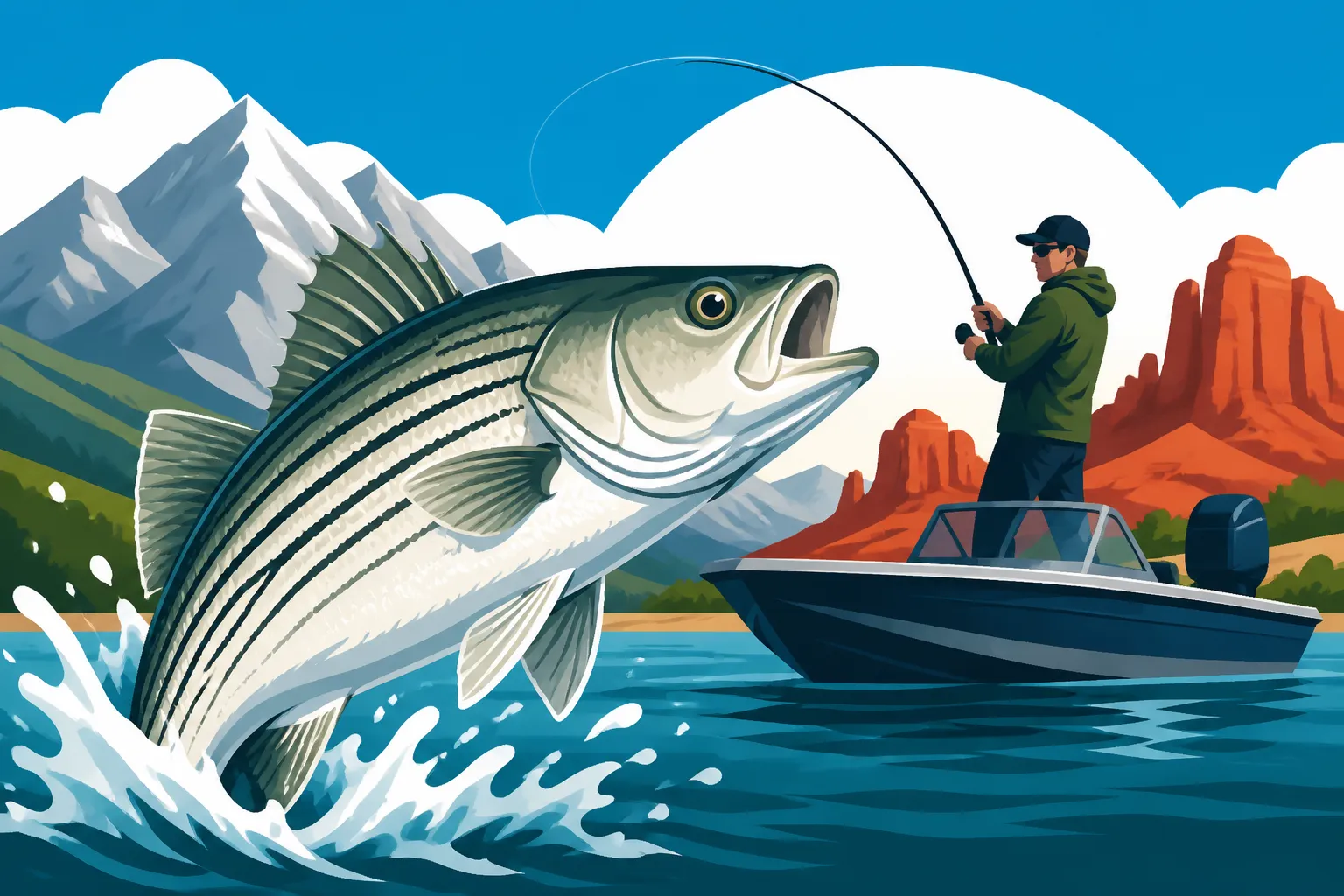
Striped bass, often simply called "stripers," are not native to Utah, but they've found a formidable home in the vast expanse of Lake Powell. These fish are known for their incredible fighting power and their tendency to school in massive numbers, creating unforgettable fishing opportunities. If you've never experienced the thrill of a striper "boil" on the surface, you're in for a treat – it's pure adrenaline!
The Lake Powell Phenomenon: Why Stripers Thrive Here
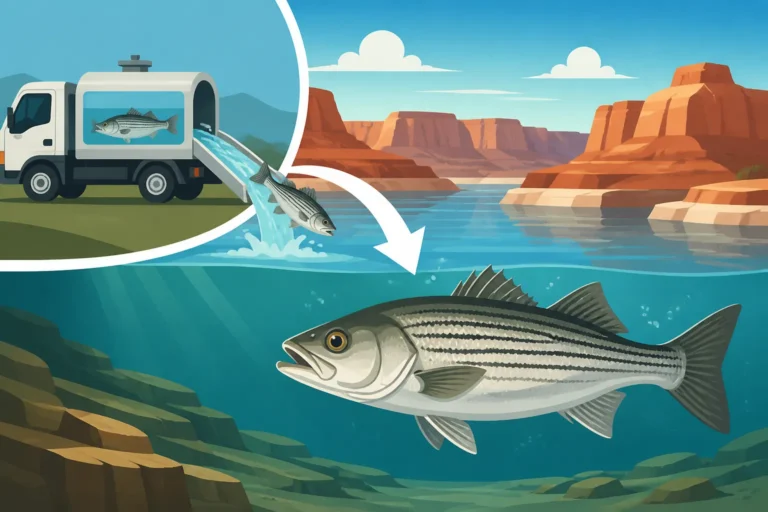
The introduction of striped bass to Lake Powell in the 1970s was a deliberate move to create a trophy fishery and to help control the abundant gizzard shad population. What happened next was nothing short of remarkable. Why Striped Bass Were Introduced to Lake Powell The lake's vast, deep waters, coupled with an ample food supply of shad, provided the perfect environment for stripers to flourish. They found ideal spawning conditions in the tributary canyons, and their predatory nature allowed them to dominate the open-water forage base. This created a boom-and-bust cycle over the years, but Lake Powell has consistently proven itself as a premier destination for catching these powerful fish. Unlike many other species, stripers are often found in immense schools, which can lead to days where you catch dozens, if not hundreds, of fish. This unique dynamic is what makes Lake Powell a true anomaly for Utah fishing.
Striped Bass Identification: What to Look For
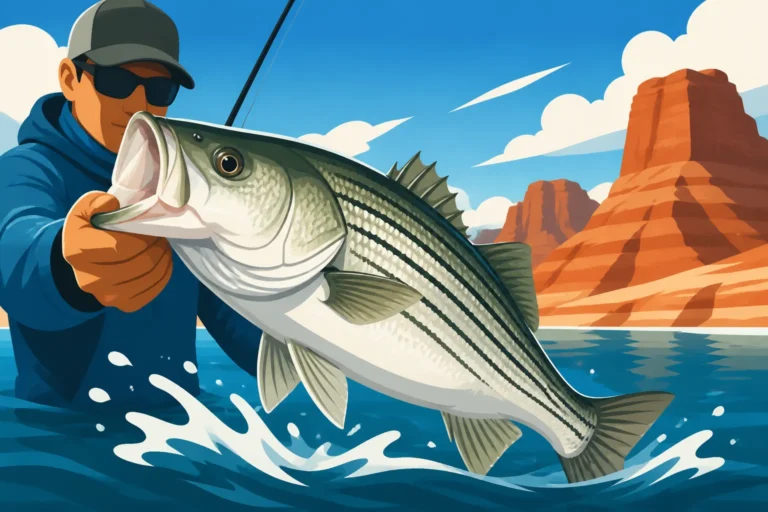
Identifying a striped bass is fairly straightforward once you know what you're looking for. They have a sleek, torpedo-shaped body, typically silver with distinct horizontal dark stripes running from gills to tail. Their dorsal fins are separated into two parts, with the front one being spiny and the rear one soft-rayed. In Lake Powell, you'll find them ranging from smaller "schoolie" stripers, often 1-3 pounds, to much larger fish reaching 10-20 pounds or more, though these bigger ones are less common in the general population. Striped Bass Size at Lake Powell The key is their powerful tail and muscular body, which are built for speed and fighting hard once hooked. When you reel one in, you'll immediately notice the sheer strength they possess.
Life Cycle and Behavior in Utah Waters
Striped bass in Lake Powell typically spawn in the spring, usually from April through June, when water temperatures reach suitable levels. They are open-water spawners, broadcasting their eggs and milt in the moving waters of major tributaries, like the San Juan River or the Escalante arm, which then drift downstream to hatch. Unlike many fish, adult stripers don't guard their nests. Their survival hinges on the right water flow and conditions. Once hatched, the young stripers feed on plankton and quickly switch to a diet of gizzard shad, which are their primary food source in Lake Powell. This abundance of shad is critical to their growth and congregation patterns. Stripers are constantly on the move, chasing baitfish schools, and their behavior is heavily influenced by water temperature, light levels, and the presence of their prey. Understanding this migratory and predatory nature is key to locating them, as they can literally be anywhere one day and gone the next.
Where to Find Striped Bass in Utah
When it comes to striped bass in Utah, there's one location that stands head and shoulders above the rest: Lake Powell. This colossal reservoir, straddling the Utah-Arizona border, is practically synonymous with striper fishing in the region.
Lake Powell: The Primary Striper Hotspot
Lake Powell is the undisputed kingdom of striped bass in Utah. Its sheer size – over 1,900 miles of shoreline when full – and intricate network of canyons, coves, and main channels provide an enormous habitat. Lake Powell Fishing Guide The vast open waters are where you'll find schools of stripers actively chasing shad, often resulting in those exhilarating surface "boils." But they also penetrate deep into the canyons, holding in shaded areas, near structure, or at depth. Knowing the general areas where stripers are active is crucial, and this often means focusing on the larger arms like the San Juan, Escalante, or Bullfrog areas, but also don't discount the main channel near Wahweap or Antelope Point.
Finding Striped Bass in Specific Lake Powell Coves and Channels
Striped bass are constantly on the hunt, and their movements are largely dictated by the location of their primary food source: gizzard shad. In spring, after spawning, they might be more dispersed, but as summer heats up, they tend to consolidate into larger schools and follow the shad. Look for them in the main channels, especially around submerged points, ledges, and humps where baitfish can be ambushed. During the cooler months of fall and winter, stripers often move deeper, seeking more stable water temperatures, and can be found congregating in deep canyons or near the dam.
It's not just about open water, though. Many anglers find success in the back of coves and side canyons, especially those with steep walls that offer shade and deeper water. These areas can act as ambush points for stripers, particularly during periods when they're not actively boiling on the surface. Understanding the lake's topography and using a good fish finder is invaluable for pinpointing these hotspots. You might even find them tucked into quiet corners, particularly if there's a spring or inflow bringing cooler water. Lake Powell Striped Bass Spots
Best Times to Fish for Striped Bass
Timing is everything when it comes to maximizing your striped bass success. While you can catch them year-round in Lake Powell, certain seasons and even times of day dramatically increase your odds of a memorable experience.
Seasonal Patterns: Spring, Summer, Fall, Winter Strategies
- Spring (March-May): As the water warms, stripers become more active and start to move into spawning areas in the lake's tributaries. This can be a fantastic time for both bait fishing and trolling, as the fish are hungry and migrating. They might be a bit more spread out, but their activity levels are high.
- Summer (June-August): This is often considered prime time, especially for chasing "boils." When surface water temperatures peak, stripers herd shad to the surface, creating a feeding frenzy. When Do Striped Bass Boil on the Surface at Lake Powell? This period can offer fast-paced action, but you need to be prepared for the heat. Deep trolling or jigging also works well during the hotter parts of the day.
- Fall (September-November): Many seasoned anglers consider fall the absolute best time for trophy stripers. As water temperatures begin to cool, stripers feed aggressively to bulk up for winter. Boils can still occur, but deeper patterns become more consistent. This is often when you'll find larger fish mixed in with the schools.
- Winter (December-February): Don't discount winter! While the lake is quieter, stripers congregate in large, deep schools in the main channel or deep canyons, seeking stable temperatures. Vertical jigging or slow trolling with spoons and heavy lures can be incredibly effective. It's a colder, slower pace, but the rewards can be massive, often yielding some of the largest stripers of the year.
Daily Rhythms: Dawn, Dusk, and Mid-Day Action
Like many predatory fish, striped bass often exhibit peak activity during low-light conditions. Dawn and dusk are prime times for surface activity, especially during the summer months when the sun is less intense. Best Time of Day to Catch Striped Bass at Lake Powell As the sun climbs higher, stripers tend to retreat to deeper, cooler waters or seek shade along canyon walls.
However, a striper boil can erupt at any time of day, particularly during summer. If you're targeting boils, it's about being vigilant and mobile. For those focusing on deep water techniques like trolling or vertical jigging, the mid-day sun can actually concentrate fish in specific depths, making them easier to target with electronics. In winter, when light penetration is less of an issue, consistent bites can occur throughout the day, often peaking during the warmest part of the afternoon.
Impact of Water Temperature and Lake Levels
Water temperature is a significant factor in striper behavior. They are comfortable in a wide range, but their activity levels definitely correlate with it. In warmer water, their metabolism speeds up, making them more aggressive. Cooler water slows them down, pushing them deeper.
Lake levels also play a crucial role. Fluctuations in water levels can change the structure available to fish, sometimes exposing new ambush points or creating new spawning habitat. When water levels are high, stripers have more area to roam, and finding them can be like finding a needle in a haystack. Lower levels can concentrate fish into specific areas, making them easier to locate, but also potentially stressing baitfish populations. Always check current lake conditions before planning your trip to understand how recent changes might affect the fishing.
Essential Gear for Utah Striped Bass
Tackling striped bass, especially the robust ones found in Lake Powell, requires gear that can stand up to their powerful runs and aggressive nature. You don't want to be undergunned when a school of hungry stripers decides to crash your lures.
Rods, Reels, and Line for Powerful Fish
For striped bass, you'll want a medium-heavy to heavy action spinning or baitcasting rod, typically 6'6" to 7'6" in length. This gives you the backbone to handle larger fish and cast heavier lures, while still offering enough sensitivity to detect subtle bites. Many anglers prefer a fast-action tip for quick hooksets.
Matching that rod, a sturdy reel with a good drag system is paramount. For spinning reels, look for a 3000-5000 size (or equivalent) from a reputable brand. If you prefer baitcasting, a medium-heavy reel with a strong retrieve ratio will serve you well. These fish will test your drag, so ensure it's smooth and consistent.
As for line, braided line is incredibly popular for striper fishing due to its strength, sensitivity, and lack of stretch. A 20-40 pound test braid is a good all-around choice. You'll want to add a fluorocarbon leader (15-30 pound test, 3-6 feet long) to your braid. This offers invisibility in clear Lake Powell waters and abrasion resistance against rocks and the stripers' rough mouths. For those who prefer monofilament, 12-20 pound test is a common choice, but you'll sacrifice some sensitivity. You can find a fantastic selection of all these options, often with helpful reviews, on platforms like Amazon.
Lures and Baits That Stripers Can't Resist
Striped bass are primarily piscivores, meaning they love to eat other fish, particularly gizzard shad. Therefore, lures that mimic shad are consistently effective.
- Swimbaits: Both soft plastic paddle tail swimbaits and hard-bodied swimbaits are incredibly popular. Sizes from 3 to 6 inches are common. These are fantastic for casting into boils or retrieving through schools located on your fish finder. Best Swimbait for Striped Bass at Lake Powell
- Topwater Lures: When stripers are actively boiling on the surface, nothing beats the excitement of a topwater lure like a popper or a walking bait. Cast them directly into the frenzy and prepare for an explosive strike!
- Spoons: Heavy jigging spoons, like kastmasters or crippled herring, are excellent for vertical jigging deep schools. Drop them down, rip them up, and let them flutter back down. They perfectly mimic a dying baitfish.
- Crankbaits/Jerkbaits: Diving crankbaits or suspending jerkbaits can be trolled or cast to target stripers at various depths, especially when they're not chasing on the surface.
- Cut Bait/Anchovies: For a more relaxed, stationary approach, especially in the evening or when fishing deeper, cut bait (like pieces of anchovy or sardine) or whole dead anchovies fished on the bottom or under a bobber can be deadly. How to Rig Cut Bait for Striped Bass at Lake Powell Ensure you have a good supply; stripers can go through bait quickly!
Electronics and Accessories for Striper Hunters
In a massive reservoir like Lake Powell, electronics aren't just helpful; they're almost essential for consistent striper success.
- Fish Finder/Sonar: A quality fish finder with down imaging and side imaging capabilities can help you locate bait schools and the stripers feeding on them, even if they aren't showing on the surface. It’s your eyes below the water.
- GPS: Integrated GPS on your fish finder or a standalone unit is invaluable for marking productive spots, navigating the complex canyon systems, and safely returning to your launch point.
- Binoculars: For chasing boils, a good pair of binoculars is a game-changer. They allow you to spot distant surface activity long before you could with the naked eye, giving you a head start to get your boat into position.
- Landing Net: A large, sturdy landing net is crucial for safely bringing in big stripers, especially when they are hooked on lighter tackle.
- Cooler: You'll need a big cooler with plenty of ice. When the bite is on, you can catch a lot of fish, and keeping your catch fresh in the warm Lake Powell environment is critical. You can often find durable, high-capacity coolers suitable for boat use on Amazon.
- Pliers/Forceps: Stripers have strong jaws, and hooks can get buried. Pliers or forceps are essential for quick and safe hook removal.
Effective Techniques for Catching Striped Bass
Striped bass are incredibly diverse in their feeding habits and locations, which means a variety of techniques can be effective. Being adaptable and having a few tricks up your sleeve will significantly boost your catch rates.
Chasing the Boils: The Ultimate Striper Thrill
This is perhaps the most iconic and exhilarating way to catch striped bass at Lake Powell. A "boil" occurs when a massive school of stripers aggressively herds a school of shad to the surface, creating a chaotic, churning mass of water as they feed. It looks like the water is literally boiling! How to Find Shad Boils at Lake Powell
When you spot a boil (often with the help of binoculars), approach cautiously, staying downwind and up-current if possible, to avoid spooking the fish or running over them with your boat. Get within casting distance, shut off your engine, and let the wind or current drift you into position. Then, cast topwater lures, swimbaits, or jigging spoons directly into the feeding frenzy. The strikes are often immediate and ferocious. The key is to get your lure into the action quickly. Remember, these boils can be fleeting, lasting only a few minutes, so speed and precision are vital. Don't be afraid to cast right into the middle of the school; they're too focused on the shad to be shy!
Trolling and Jigging Deep Waters
When the stripers aren't boiling, they're often holding deeper in the water column, especially during the brighter parts of the day or in cooler seasons. This is where trolling and vertical jigging shine.
- Trolling: Trolling involves dragging lures behind your boat at a controlled speed to cover large areas and present your lure at specific depths. Use deep-diving crankbaits, swimbaits rigged with heavy jig heads, or umbrella rigs (where legal and practical) to target stripers at depths from 20 to 60 feet or more. Pay attention to your fish finder to identify bait schools and suspended stripers, and adjust your lure depth accordingly. Experiment with speeds; stripers often respond to a fast retrieve, so trolling between 3-5 mph is a good starting point. You'll want sturdy rod holders for this technique. How to Fish for Striped Bass at Lake Powell
- Vertical Jigging: This technique is extremely effective when you've located a concentrated school of stripers directly beneath your boat using your fish finder. Drop heavy metal jigging spoons (like the Kastmaster or something similar you might find on Amazon) or heavy swimbaits directly into the school. Let the lure fall to the desired depth, then aggressively rip it upwards a few feet, letting it flutter back down on a semi-slack line. Most strikes occur on the fall. This method is particularly deadly in winter when stripers are less active and concentrated in deeper water.
Anchoring Up with Bait in Coves
Sometimes, the most relaxing and productive way to catch stripers is to find a promising cove or channel, anchor up, and present bait. This is a great option when the fish aren't actively chasing or when you simply want to enjoy the scenery without constantly running the boat.
Look for areas with good structure, like submerged points, ledges, or the mouths of side canyons that offer deeper water nearby. Rig up with cut anchovies, sardines, or other oily cut bait on a Carolina rig or a simple bottom rig with a weight and a 2/0 to 4/0 circle hook. Cast your bait out, let it sink to the bottom, and wait. Stripers will often cruise these areas, picking up scent trails and opportunistically feeding. This technique can be very effective in the evenings or early mornings, or during colder months when stripers are less inclined to chase fast-moving lures. Don't be surprised if you catch other species like catfish or smallmouth bass using this method too.
Regulations and Conservation
Fishing for striped bass in Utah, especially on Lake Powell, comes with its own set of rules and a strong emphasis on managing the fishery. Understanding and adhering to these regulations is crucial for a sustainable angling experience for everyone.
Utah's Striped Bass Regulations at Lake Powell
One of the most notable aspects of striped bass fishing in Lake Powell is the generally generous, or even non-existent, bag and possession limits. Unlike many other prized species, striped bass are often managed as an overabundant species in Lake Powell. This is due to their prolific reproduction and their impact on other fish populations, particularly the endangered native species in the Colorado River system downstream.
It's common for there to be no possession limit on striped bass at Lake Powell, and anglers are often encouraged to keep all the stripers they catch. This is a unique situation compared to most other fisheries in Utah where strict limits apply. Always, always check the current Utah Fishing Guidebook before heading out. This guide, published annually by the Utah Division of Wildlife Resources (UDWR), provides the most up-to-date and accurate information on specific regulations, including bag limits, size restrictions (or lack thereof), and any other special rules for Lake Powell. What might be allowed one year could change the next, so staying informed is your responsibility as an angler.
The Importance of Responsible Harvest and Aquatic Invasive Species Rules
Even with generous limits, responsible angling practices remain vital. The encouragement to keep stripers at Lake Powell is part of a larger management strategy to balance the ecosystem. However, this doesn't mean wasteful harvesting. Only keep what you can realistically clean and consume.
Beyond catch limits, Lake Powell is ground zero for aquatic invasive species (AIS) concerns, particularly Quagga Mussels. These mussels pose a significant threat to the lake's ecosystem and infrastructure. As an angler, you have a critical role to play in preventing their spread. Before leaving Lake Powell, it is mandatory to "Clean, Drain, and Dry" your boat and all fishing equipment. This means removing all weeds and debris, draining all water from your boat (livewells, bilge, motor), and allowing your boat and gear to thoroughly dry before launching into another body of water.
You will also encounter Utah Aquatic Invasive Species Inspection Stations when leaving Lake Powell or other infested waters. These inspections are mandatory, and sometimes a full decontamination is required, especially if you have been in the water for an extended period or if you are heading to a "clean" lake. Failing to comply can result in significant fines and penalties. Remember, protecting Utah's waters from invasives is everyone's job. Utah Quagga Mussel Decontamination Rules
Preparing Your Catch
After a successful day of battling hard-fighting striped bass, the final, rewarding step is preparing your fresh catch. Striped bass are excellent eating fish, known for their firm, white, flaky flesh, but how you handle and prepare them makes all the difference.
Cleaning and Filleting Your Stripers
Once you've decided which stripers to keep, getting them on ice quickly is paramount, especially in the warm climate of Lake Powell. I can't stress this enough: warm fish degrade rapidly. A large cooler packed with ice is your best friend.
When it comes to cleaning, stripers are fairly straightforward to fillet. They have large scales, so some anglers prefer to scale them first, but it's often easier to simply fillet the fish straight off the bone, leaving the skin on or removing it depending on your preference.
Here’s a basic filleting approach:
- Lay the fish flat on a clean, stable surface.
- Make a cut behind the pectoral fin down to the backbone.
- Turn your knife flat and run it along the backbone towards the tail, separating the fillet.
- Repeat on the other side.
- Remove the skin (if desired) by laying the fillet skin-side down, holding the tail end, and sliding your knife between the skin and meat at a slight angle.
- Check for pin bones. Run your finger along the center of the fillet; you'll likely feel a line of small bones. You can remove these with pliers or by cutting a small "V" shape around them.
- Rinse the fillets under cold water and pat dry.
You'll quickly get the hang of it after a few fish, and having a good, sharp fillet knife (which you can easily find on Amazon) makes the process much more enjoyable.
Best Practices for Cooking Fresh Striped Bass
Striped bass fillets are incredibly versatile in the kitchen. Their firm texture and mild, slightly sweet flavor make them a crowd-plepleaser. Here are a few popular and delicious ways to enjoy your catch:
- Pan-Seared: This is a classic for a reason. Pat your fillets dry, season with salt, pepper, garlic powder, and paprika. Heat a tablespoon of olive oil or butter in a skillet over medium-high heat. Sear the fillets skin-side down (if you left the skin on) for 3-5 minutes until crispy, then flip and cook for another 2-4 minutes, depending on thickness, until opaque and flaky. A squeeze of lemon juice at the end elevates the flavor beautifully.
- Baked/Broiled: For a lighter option, place fillets on a baking sheet, drizzle with olive oil, sprinkle with your favorite herbs (dill, parsley, thyme work well), and a little lemon zest. Bake at 400°F (200°C) for 12-15 minutes, or broil for 5-8 minutes, until cooked through. This method keeps the fish moist and tender.
- Grilled: Striped bass stands up well to grilling. Marinate fillets for 30 minutes in a mixture of olive oil, lemon juice, garlic, and herbs. Grill over medium-high heat for 4-6 minutes per side, until you have nice grill marks and the fish flakes easily.
- Fish Tacos: Flaky, pan-seared or grilled striper is absolutely phenomenal in fish tacos. Flake the cooked fish into warm tortillas with cabbage slaw, crema, and a squeeze of lime for a fresh, vibrant meal.
Always cook fish until it reaches an internal temperature of 145°F (63°C) and flakes easily with a fork. Enjoying the fruits of your labor is truly one of the best parts of the fishing experience, especially when you've reeled in such a powerful and tasty species as the Utah striped bass.
Disclaimer
This article is for general informational purposes only and does not constitute professional advice. Laws, prices and regulations vary by location and change over time. Consult a qualified professional for guidance on your specific situation.