Largemouth Bass in Utah Waters
While Utah is often celebrated for its incredible trout fisheries, many anglers might be surprised to learn that our state also harbors some fantastic largemouth bass opportunities. If you've ever found yourself wondering where to chase those bucketmouths, how to tell them apart from their smallmouth cousins, or what gear gives you the best shot, you're in the right place. This comprehensive guide will dive deep into everything you need to know about targeting largemouth bass across Utah's diverse waters, helping you unlock a thrilling new dimension of angling adventure.
Understanding Largemouth Bass in Utah
Largemouth bass are iconic freshwater game fish, famous for their aggressive strikes and powerful fights. While they might not be as widespread as trout in Utah, they thrive in specific habitats, offering exciting fishing experiences for those who seek them out. Understanding their unique characteristics and preferences is key to success.
Noteworthy Characteristics and Identification
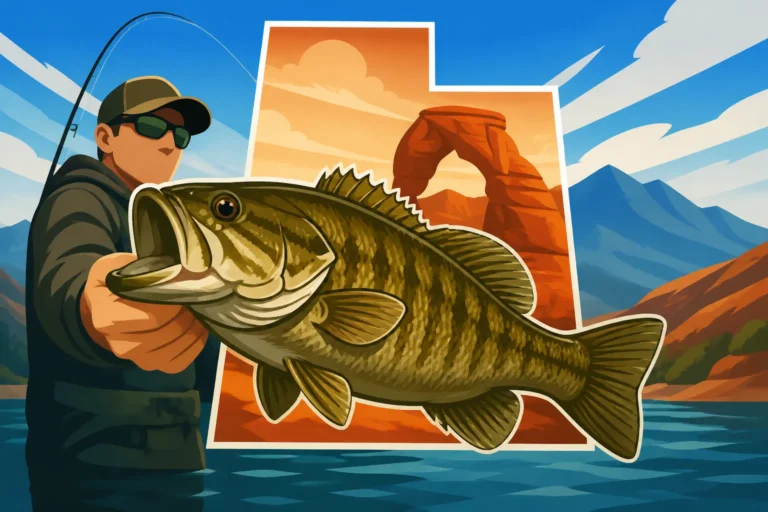
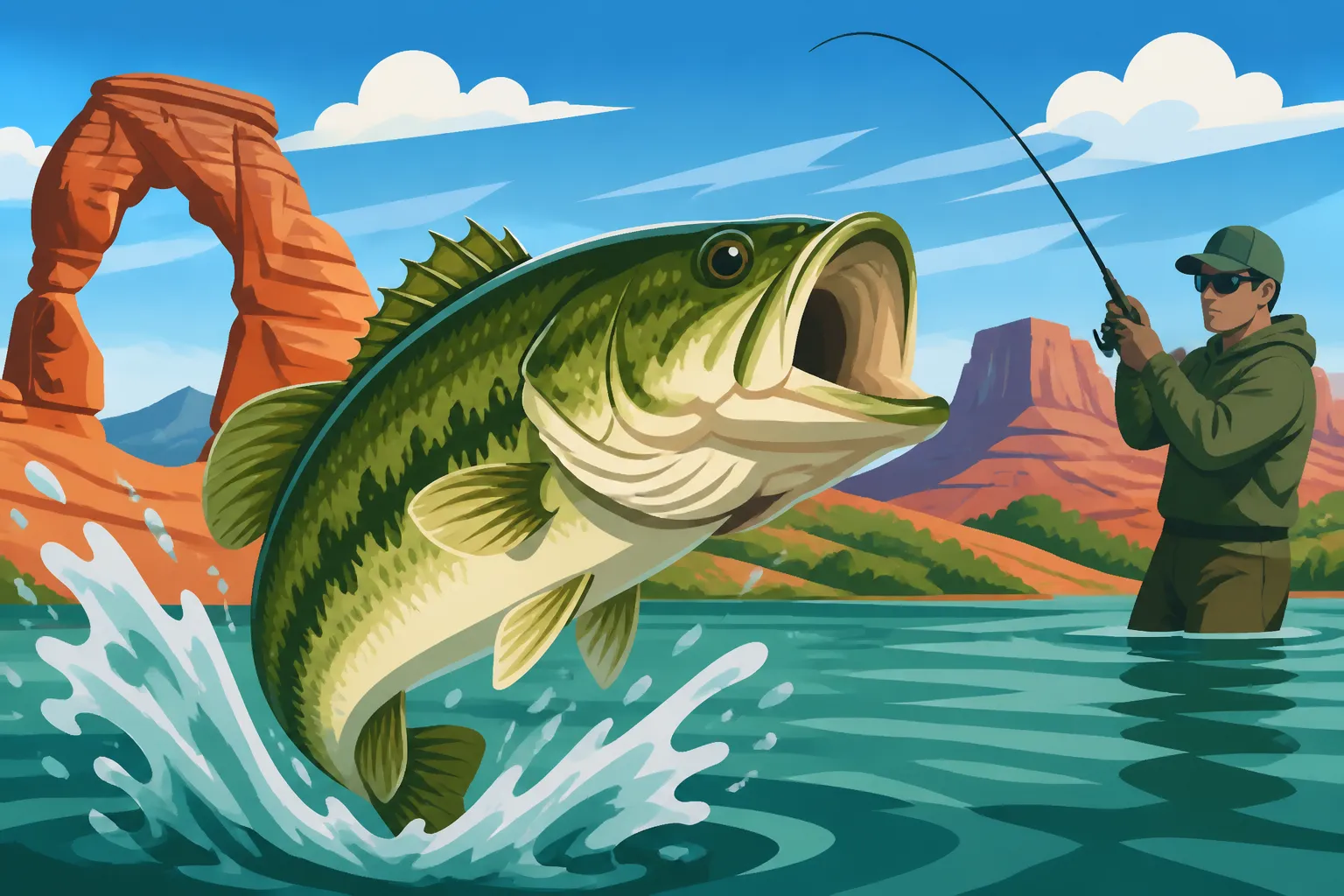
Largemouth bass are fairly easy to identify once you know what to look for, though they are often confused with smallmouth bass. The most prominent feature is their mouth: when closed, the hinge of a largemouth's jaw extends well past the back of its eye. Compare that to a smallmouth, where the jaw typically doesn't extend past the middle of the eye. They also have a deep notch in their dorsal fin, almost appearing like two separate fins. Their coloration can vary quite a bit depending on the water they live in, ranging from dark green to almost black on the back, fading to lighter green or white on the belly. A distinctive dark, horizontal stripe or series of blotches usually runs along their sides. They tend to be chunkier and more football-shaped than the sleeker smallmouth. If you're looking for a detailed comparison, our guide on Largemouth vs Smallmouth Bass Differences can offer even more insights.
When you hook into one, you'll immediately notice the difference in their fight. Largemouth often make spectacular jumps, shaking their heads violently to throw the hook, especially when they're near the surface. They’re powerhouses, often trying to dive into cover rather than making long runs. This distinct fighting style, combined with their visual cues, makes identifying a largemouth on the end of your line a truly satisfying experience.
Native vs. Introduced Status in Utah
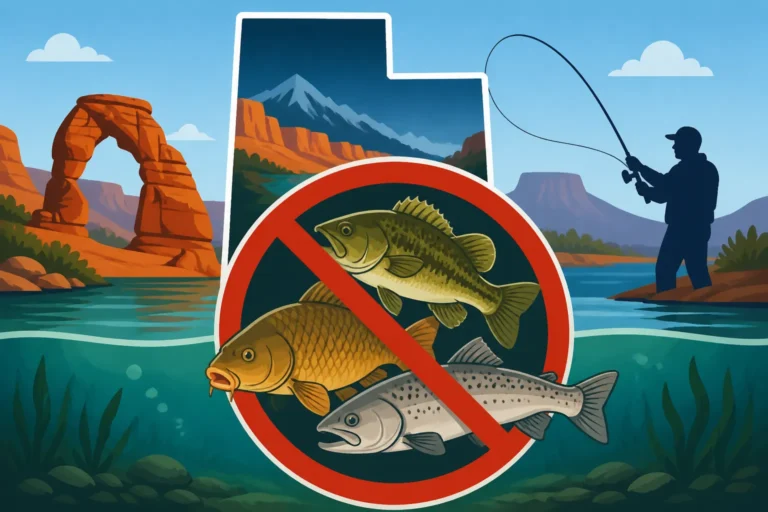
Largemouth bass are not native to Utah. They were introduced to many waters in the state primarily as a sport fish to provide additional angling opportunities and sometimes for biological control of other fish species. This means that while they've established strong, self-sustaining populations in many reservoirs and ponds, they aren't part of the historical aquatic ecosystem of the region. This introduced status is important because it sometimes influences how fisheries are managed, particularly in terms of stocking practices and specific regulations aimed at promoting healthy fish populations without negatively impacting native species.
Their successful introduction speaks to their adaptability, as they've found niches in warmer, often shallower Utah waters that mimic their natural southern range. Understanding this history helps explain why you'll find them in certain types of waters, and less so in others, particularly the colder, higher-elevation lakes and rivers that are more suited to trout. It also highlights the efforts of early fisheries managers to diversify Utah's angling landscape beyond just trout, giving us the fantastic bass fisheries we enjoy today.
Habitat Preferences and Behavior
Largemouth bass are true structure-loving fish. They thrive in warmer, relatively shallow waters with plenty of cover where they can ambush prey. Think submerged timber, thick weed beds, rocky points, docks, lily pads, and brush piles. These areas provide both shelter from predators and ideal ambush points for their meals, which can include smaller fish, crayfish, frogs, and even ducklings. They're visual predators, and their large mouth is perfectly adapted for swallowing prey whole.
Their behavior is heavily influenced by water temperature and light conditions. In warmer months, they are most active during low-light periods like early morning and late evening, or on overcast days. During the heat of the day, especially in summer, they'll often retreat to deeper, cooler water or seek refuge in dense cover. As temperatures drop in the fall, they become highly active, feeding aggressively to build up fat reserves for winter. During winter, their metabolism slows down, and they become less active, often holding near deeper structure. Understanding these seasonal and daily patterns is absolutely crucial for consistently locating and catching them.
Where to Find Largemouth Bass in Utah
While Utah is famous for its trout streams and reservoirs, there are several fantastic spots where largemouth bass reign supreme. Knowing these locations and understanding their unique characteristics will put you on the path to some exciting bass action.
Key Reservoirs and Lakes Known for Largemouth
When you think largemouth bass in Utah, a few prime locations immediately come to mind. These larger bodies of water offer extensive habitat and the potential for trophy-sized fish.
- Utah Lake: This is arguably Utah's most prominent largemouth bass fishery. The lake's shallow, fertile waters, abundant vegetation (especially in bays and protected areas), and numerous docks create an ideal environment for largemouth to thrive. Anglers often find success targeting the reeds, submerged brush, and rocky shorelines. The largemouth here can grow to impressive sizes, offering a real challenge. You can learn more about all the Fish Species in Utah Lake if you plan a trip there.
- Deer Creek Reservoir: While known for its trout and smallmouth, Deer Creek also holds a healthy population of largemouth bass, particularly in the shallower, warmer coves and bays that have submerged timber or weed growth. The areas closer to the Provo River inlet and the calmer, less exposed shorelines often produce good numbers.
- Jordanelle Reservoir: Similar to Deer Creek, Jordanelle offers a mixed bag, but its warmer, shallower arms and protected coves can be excellent for largemouth. Look for areas with rocky banks, drop-offs, and any remaining submerged structure from when the reservoir was first filled.
- Quail Creek Reservoir (near St. George): Down in Southern Utah, Quail Creek is a fantastic warm-water fishery, and largemouth bass absolutely thrive here. Its clear, warm waters and rocky structure make it a hotspot. This reservoir is known for producing some seriously chunky bass, and it's a popular destination for competitive bass anglers.
- Lake Powell: While Lake Powell is a vast body of water famous for its striped bass, the backs of its countless coves, especially those with brush, timber, or submerged canyon walls, can hold excellent largemouth. These fish are often found relating to the canyon walls and the structure within the shallower, warmer sections of the coves.
These reservoirs offer varied conditions, from the turbid waters of Utah Lake to the clearer depths of Quail Creek, requiring anglers to adapt their presentations, but the reward is often a hard-fighting largemouth.
Smaller Ponds and Community Fisheries
You don't always need a big boat and a massive reservoir to find largemouth bass in Utah. Many smaller ponds and community fisheries, especially along the Wasatch Front and in more urban areas, are regularly stocked or naturally support decent populations of largemouth. These spots are fantastic for beginners, kids, or anyone looking for a quick fishing fix without a long drive.
- Urban and Community Ponds: Many of Utah's community fishing ponds, managed by the state, offer opportunities for largemouth, often alongside stocked trout and panfish. These ponds typically have easy access, docks, and shorelines with some vegetation. While they might not hold "trophy" bass, they're great for consistent action and perfecting your techniques. Examples might include smaller ponds in neighborhoods or city parks, though specific fish populations can vary by pond and stocking schedule. Check the local fishing reports for recent updates on specific pond stockings.
- Farm Ponds and Private Waters: With permission, private farm ponds can be incredible largemouth fisheries. These smaller, often nutrient-rich waters can support surprisingly large bass due to less fishing pressure and abundant forage. Always secure permission before accessing private property.
- Warm Water Sloughs and Canals: Occasionally, calmer sections of irrigation canals or oxbows off larger rivers can hold largemouth, especially if they have good cover and are less affected by strong currents. These are often hidden gems for adventurous anglers.
Fishing these smaller waters often means lighter tackle and a more stealthy approach, as the fish can be warier due to their confined environment. But the accessibility and frequent action make them a perfect starting point for anyone new to bass fishing or introducing a youngster to the sport. Best Fishing Spots for Beginners in Utah will often highlight many of these accessible pond options.
Seasonal Movements and Prime Locations
Largemouth bass are highly migratory within their chosen waters, their movements dictated largely by water temperature, forage availability, and spawning cycles. Understanding these seasonal shifts is paramount to consistent success.
- Spring (Pre-Spawn & Spawn): As water temperatures rise into the 50s and 60s Fahrenheit, largemouth move from their deep wintering holes to shallower spawning areas. This is often called the "pre-spawn" and is one of the best times to catch large, aggressive fish as they feed heavily. They’ll be found on flats, points, and near shallow cover adjacent to deeper water. Once the water hits the mid-60s, they move onto beds to spawn, usually in protected, shallow areas. During the spawn, they can be sight-fished, but many anglers prefer to let them spawn undisturbed.
- Summer: When water temperatures climb into the 70s and 80s, largemouth often retreat to deeper water during the day, seeking cooler temperatures and oxygen. They'll relate to deep structure like humps, ledges, or the deep edges of weed lines. During dawn, dusk, or on cloudy days, they might push up into shallower cover to feed. This is a great time for topwater lures early and late, and deeper presentations during the day. Consider our advice on Best Time of Day to Fish in Summer Heat in Utah.
- Fall (Post-Spawn & Fall Feed): As air and water temperatures begin to cool, largemouth become highly active again, following baitfish into shallower coves and creek arms. This "fall turnover" period can lead to fantastic fishing as bass aggressively feed to prepare for winter. They can be found in a wide variety of depths, often chasing schools of bait.
- Winter: In colder Utah waters, largemouth activity slows significantly. They move to deep wintering grounds, often holding tight to structure like channel bends, submerged timber, or deep rock piles in the warmest available water. Presentations need to be slow and subtle, typically with jigs or slow-moving plastics fished right on their noses.
Mapping out these movements based on the season you're fishing will drastically improve your chances of finding fish. For more general advice on bass fishing strategies, you might want to look at Utah Bass Fishing Techniques to refine your approach throughout the year.
Essential Gear and Techniques for Utah Largemouth
Chasing largemouth bass is a gear-intensive sport, but you don't need to break the bank to get started. Having the right tools and knowing how to use them will dramatically increase your success. From the perfect rod to the most enticing lure, every choice makes a difference.
Rods, Reels, and Line for Bass Fishing
Choosing the right rod, reel, and line is fundamental for effective largemouth bass fishing. Unlike trout fishing, where lighter, more sensitive gear often prevails, bass fishing frequently calls for a bit more backbone.
- Rods: For most largemouth fishing, a medium-heavy power rod, typically 6'6" to 7'6" in length, is a great all-around choice. This power allows you to cast heavier lures, set the hook firmly, and pull fish out of cover. A fast action tip is usually preferred as it offers sensitivity for detecting bites while maintaining power lower down the blank. Longer rods are excellent for casting distance and managing line around cover, while shorter rods can offer better accuracy in tight spots. Brands like Ugly Stik or Shakespeare offer robust and affordable options that are widely available, including on platforms like Amazon, for beginners.
- Reels: You'll typically choose between spinning reels and baitcasting reels.
- Spinning Reels: These are more user-friendly, especially for beginners, and are excellent for lighter baits, finesse techniques, and casting into the wind. A 2500-3000 series spinning reel spooled with 8-12 lb monofilament or fluorocarbon is a versatile setup.
- Baitcasting Reels: These offer more power, precision, and control for casting heavier lures and handling larger fish in thick cover. They require more practice to master, especially avoiding "bird's nests," but are invaluable for serious bass anglers. Pair a baitcaster with a matching rod for jigs, crankbaits, and heavier plastics.
- Line: Your fishing line choice depends on your technique and the cover you're fishing.
- Monofilament: Affordable, good stretch (forgiving), and easy to cast. Great for topwater lures or crankbaits where some stretch can be beneficial.
- Fluorocarbon: Less stretch, more sensitive, and nearly invisible underwater. Excellent for most bass techniques, especially soft plastics and jigs where sensitivity is key.
- Braided Line: Extremely strong for its diameter, no stretch, and highly sensitive. Ideal for fishing heavy cover, punching through weeds, or when you need maximum hook-setting power. You'll often tie a fluorocarbon leader to braided line for stealth.
Experimenting with different combinations will help you find what feels best for your fishing style. For a good starter setup, check out rod and reel combos available on Amazon; they often provide a balanced feel without requiring extensive research. Don't forget, having the right line is just as important as the rod and reel themselves. Consider our guide on Best Fishing Line for Utah Bass for deeper insights.
Top Lures and Baits for Largemouth
The world of bass lures is vast and sometimes overwhelming, but a few core categories consistently produce fish in Utah waters. Building a versatile tackle box with these options will cover most scenarios.
- Soft Plastics: These are incredibly versatile and imitate a wide range of prey.
- Worms (e.g., Senkos, Trick Worms): Rigged Texas-style or wacky-style, these are irresistible to bass, especially in and around cover. They offer a subtle, natural presentation.
- Creature Baits/Jigs: Designed to mimic crawfish or other critters, these are fantastic for fishing on the bottom, especially when dragged or hopped along structure. Often paired with a lead jig head or Texas-rigged.
- Swim Baits: Replicate baitfish and are effective when bass are actively feeding on schools of minnows.
- Crankbaits: These hard-bodied lures dive to various depths depending on their lip size and retrieve speed.
- Shallow Divers: Great for fishing over submerged grass or shallow flats.
- Medium/Deep Divers: Effective for targeting bass holding on ledges, humps, or deeper structure. The erratic action and vibrations mimic a fleeing baitfish.
- Spinnerbaits: With their flashing blades and vibrating skirts, spinnerbaits are excellent for covering water quickly and drawing reaction strikes. They're particularly effective in windy conditions or stained water.
- Jigs: Often tipped with a soft plastic trailer, jigs are phenomenal for targeting bass in heavy cover like brush piles or weed beds. They imitate crawfish or small baitfish. There are many types, from football jigs for open water to weedless flipping jigs for dense vegetation.
- Topwater Lures: Nothing beats the excitement of a topwater strike! Poppers, walking baits (like a Zara Spook), and prop baits are incredibly effective, especially in low-light conditions or when bass are shallow. They create commotion on the surface, mimicking injured baitfish or frogs.
When stocking your tackle box, think about the specific waters you'll be fishing. If you're heading to Utah Lake, weedless soft plastics and spinnerbaits are often key. For clearer waters like Quail Creek, finesse worms and crankbaits can shine. Don't forget a selection of hooks (EWG, straight shank), bullet weights, and swivels. You can find a huge variety of these lures and components on Amazon, making it easy to build a diverse arsenal.
Effective Fishing Techniques
Having the right gear is only half the battle; knowing how to present your lures effectively is what truly brings success. Largemouth bass techniques often involve methodical presentations and understanding how to work different types of cover.
- Casting to Cover: Largemouth bass are ambush predators, so accurate casting to structure is crucial. Whether it's a fallen tree, a dock, a patch of lily pads, or a rocky outcrop, getting your lure right into or on the edge of the cover is key. Practice your pitching and flipping techniques to present baits quietly and precisely.
- Working Soft Plastics:
- Texas Rigging: This weedless setup is perfect for fishing worms or creature baits in heavy cover. Cast it out, let it sink, and slowly drag, hop, or twitch it along the bottom. Most bites will feel like a subtle "tick" or added weight.
- Wacky Rigging: Hooking a stick worm through the middle allows both ends to wiggle seductively as it falls. It’s a great finesse presentation for pressured fish or in clearer water.
- Crankbait Retrieval: Vary your retrieve speed. Sometimes a steady retrieve works, other times a stop-and-go or a "rip and pause" can trigger a strike. Experiment until you find what the fish want. Make sure your crankbait "digs" into the bottom or deflects off cover; these deflections are often when a bass will hit.
- Jigging and Skipping: Jigs are best worked slowly along the bottom or through cover. Skipping jigs under docks or overhanging branches is a fantastic way to reach otherwise inaccessible areas where big bass often hide.
- Topwater Action: Work topwater lures with pauses and erratic movements. For poppers, a "pop-pop-pause" cadence is often effective. For walking baits, create a "walk-the-dog" retrieve by twitching your rod tip while reeling slowly, making the lure zigzag across the surface. Wait until you feel the weight of the fish before setting the hook!
Remember that the most effective technique often varies by season, time of day, water clarity, and fishing pressure. Be prepared to adapt. If one technique isn't working, don't be afraid to switch it up. For more detailed technique advice, especially as seasons change, check out Best Season for Bass Fishing in Utah.
Largemouth Bass Conservation and Regulations
As with any popular game fish, responsible angling and adherence to regulations are vital for maintaining healthy largemouth bass populations in Utah. Understanding these aspects ensures that future generations can also enjoy the thrill of catching these impressive fish.
Size and Bag Limits in Utah
Utah's fishing regulations are designed to manage fish populations sustainably, and largemouth bass are no exception. These rules can vary by water body, so it's absolutely crucial to consult the current Utah Fishing Guidebook published by the Division of Wildlife Resources (DWR) before you head out. Never rely on old information or hearsay.
Generally, for largemouth bass, you might encounter regulations that specify:
- Daily Bag Limit: This is the maximum number of fish of a particular species you are allowed to keep in a 24-hour period. For largemouth, this is often a fairly generous number, like 6 or 10 fish, depending on the specific water.
- Possession Limit: This refers to the maximum number of fish you can have in your possession, usually twice the daily bag limit, covering fish kept over multiple days.
- Size Restrictions: Many waters will have minimum or maximum size limits, or even slot limits. For example, a common regulation might be "all largemouth bass between 10 and 17 inches must be immediately released." This protects prime spawning-size fish, allowing them to reproduce and grow, while permitting harvest of smaller or larger fish.
These limits are set based on biological data and management goals for each fishery. For instance, in some waters, managers might want to thin out smaller bass to allow the remaining fish to grow larger, so they might implement a generous bag limit on smaller fish. In others, they might want to protect trophy potential, leading to stricter slot limits. Always carry a measuring device and be prepared to release fish that don't meet the legal requirements. You can also find specific regulations for waters like Fish Species in Jordanelle Reservoir or Fish Species in Deer Creek Reservoir in the current guidebook.
The Role of Largemouth in Utah's Ecosystems
While largemouth bass are an introduced species in Utah, they have established a significant role in the ecosystems where they thrive. As a top-tier predator in their preferred warm-water habitats, they help control populations of various forage fish, amphibians, and invertebrates. This predation can be beneficial by keeping certain populations in check and maintaining a balance within the food web.
However, their presence also comes with ecological considerations. Being a non-native species, largemouth bass can sometimes compete with or prey upon native fish species, especially if those native species share similar habitat or are vulnerable to their aggressive feeding habits. Fisheries managers carefully monitor these interactions, using stocking decisions, regulations, and sometimes even selective removal programs to ensure that largemouth bass populations are managed in a way that minimizes negative impacts on native fish, particularly endangered species. Their success as a sport fish must always be balanced with the health of the broader aquatic ecosystem.
Best Practices for Catch and Release
Catch and release is a cornerstone of responsible bass fishing, especially for larger, older fish that are vital for sustaining healthy populations. Practicing proper catch and release techniques significantly increases a fish's survival rate and ensures that these magnificent creatures can be caught again or contribute to future generations.
Here are some key practices:
- Minimize Fight Time: Bring the fish in as quickly as possible to reduce stress and exhaustion. Prolonged fights can deplete their energy reserves and lactic acid buildup.
- Handle with Care: Keep the fish in the water as much as possible. If you must remove it, support its entire body horizontally. Avoid holding it vertically by the jaw if it's a large fish, as this can damage its internal organs and jaw structure. Use wet hands to minimize the removal of the fish's protective slime coat.
- Use Barbless Hooks: Crushing the barbs on your hooks or using barbless hooks makes removal much easier and less damaging.
- Quick Hook Removal: Use a pair of long-nosed pliers or a dehooking tool to quickly remove the hook. If the fish is deeply hooked, especially in the gills, it's often best to cut the line as close to the hook as possible, as attempts to remove it can do more harm.
- Revive the Fish: Hold the fish gently in the water, facing into the current (if any), and allow water to flow over its gills until it regains strength and can swim away on its own. Don't just toss it back; ensure it's fully revived.
By following these practices, you're not just ensuring a fish lives to fight another day; you're actively contributing to the health and vitality of Utah's largemouth bass fisheries. It’s part of being a true steward of our precious aquatic resources.
| Water Body | Primary Largemouth Habitat | Key Forage | Best Time to Fish (General) | Notes |
|---|---|---|---|---|
| Utah Lake | Reeds, submerged brush, docks | Carp, Utah Chub, Panfish | Spring & Fall | Shallow, fertile, can be turbid. Look for structure in bays. |
| Deer Creek Reservoir | Warmer coves, timber, weed edges | Perch, Minnows | Spring & Summer | Mixed fishery, focus on specific warm-water areas. |
| Jordanelle Reservoir | Shallow arms, rocky structure | Crayfish, Minnows | Spring & Summer | Similar to Deer Creek, target protected coves and shorelines. |
| Quail Creek Reservoir | Rocky points, submerged structure | Bluegill, Threadfin Shad | Spring, Fall, Winter | Clear, warm waters; potential for trophy bass in Southern Utah. |
| Lake Powell | Backs of coves, brush, canyon walls | Shad, Bluegill, Crayfish | Spring & Fall | Vast, remote opportunities; focus on protected, structured coves. |
| Community Ponds | Weeds, docks, submerged logs | Stocked Trout, Bluegill | Spring, Summer, Fall | Accessible, great for beginners; fish lighter tackle. |
Disclaimer
This article is for general informational purposes only and does not constitute professional advice. Laws, prices and regulations vary by location and change over time. Consult a qualified professional for guidance on your specific situation.