How Fast Stocked Trout Grow in Utah Reservoirs
It's a common dream for us Utah anglers, isn't it? You hear about a fresh stocking, grab your gear, and head out, picturing those newly introduced trout packing on pounds overnight, ready to become trophy-sized battles. But the reality of how fast stocked trout grow in Utah reservoirs can sometimes feel like a mystery, leaving many of us wondering if those little fingerlings ever truly become the lunkers we hope for. This guide is here to unravel that mystery, breaking down the many factors that influence the growth of stocked trout and giving you a realistic picture of what to expect from our incredible Utah waters.
The Reality of Stocked Trout Growth in Utah Reservoirs
Let's be real, when the Utah Division of Wildlife Resources (DWR) trucks roll up and dump thousands of trout into our local reservoirs, most of us envision them ballooning in size almost immediately. We dream of catching those fat, healthy fish just weeks later. While some growth is certainly rapid, it's not always a Hollywood movie montage of a tiny fish becoming a monster in a flash. Understanding the journey from a hatchery truck to a sizable catch involves managing expectations and appreciating the biological processes at play.
Initial Size Upon Stocking and Immediate Survival
When trout are stocked, they're typically not all the same size. You'll often hear terms like "fingerlings" for very small fish, sometimes just a few inches long, or "catchable-sized" trout, which are usually 9-12 inches, put in specifically for immediate angler gratification. The growth story really begins the moment they hit the water. Smaller fish have a tougher time initially. They're navigating a new environment, dodging predators like larger fish and birds, and finding new food sources. Survival is their first priority, and that energy isn't going directly into rapid growth.
For those smaller fingerlings, their first few months are critical. They're essentially in a race against time to grow large enough to avoid being easy prey. A reservoir with ample cover and fewer aggressive predators gives them a much better fighting chance. Think of it like sending a bunch of kindergartners into a new school – some adapt instantly, others take a bit more time to find their rhythm and thrive.
From Fingerling to Feisty Fighter: A General Timeline
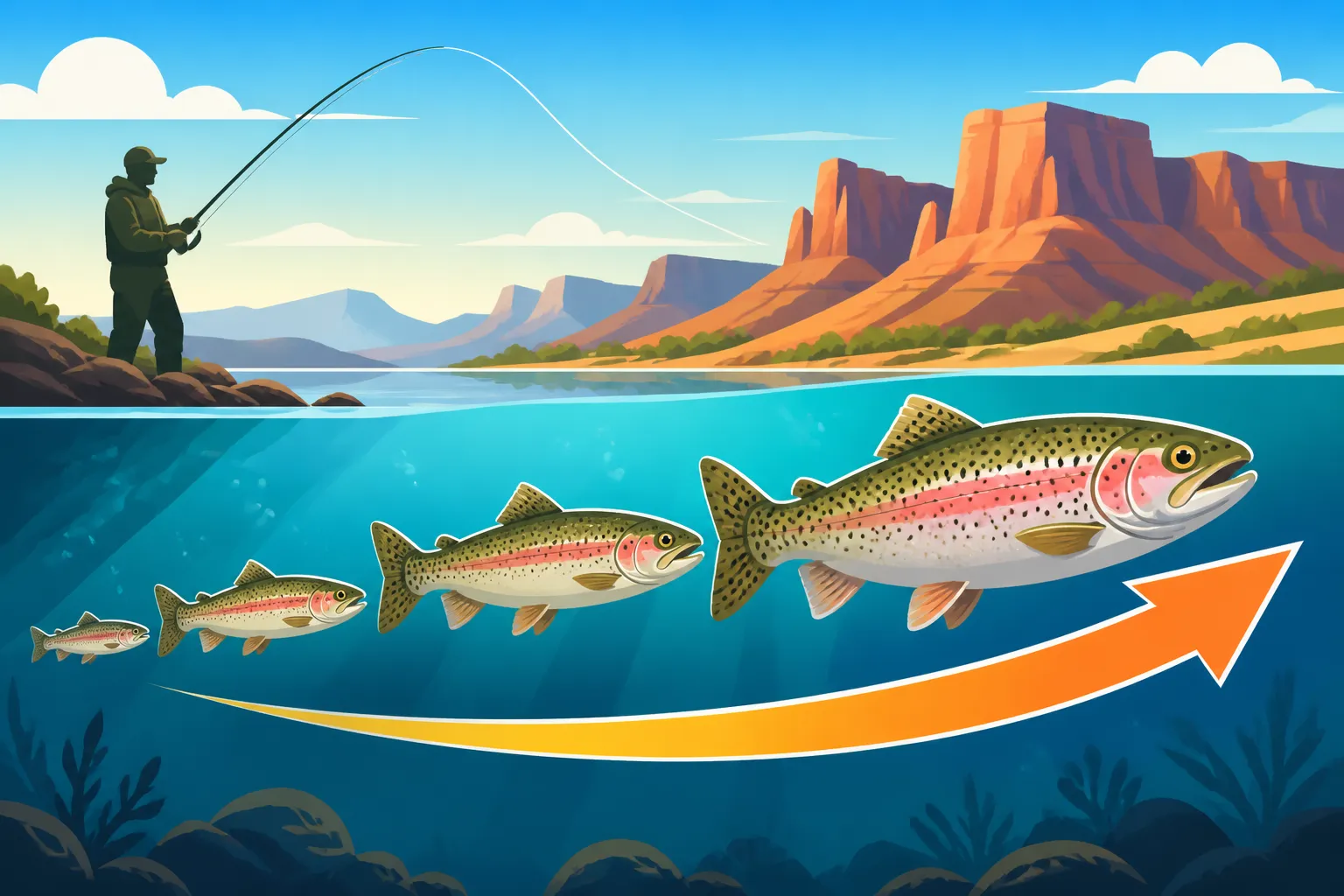
So, how quickly do they grow? It's not a single answer, but we can talk in generalities. A fingerling trout, say 3-5 inches, introduced into a rich, productive Utah reservoir might grow an inch or two a month under ideal conditions. This means a 4-inch fish could potentially be 8-10 inches by the end of its first summer, and perhaps 12-14 inches by its first full year in the wild. Catchable-sized trout, already around 9-12 inches, might add another 2-4 inches in a good year, potentially putting them into the 1-2 pound range.
However, these are best-case scenarios. Many factors can slow this down significantly. If food is scarce, or if the water is too warm or too cold for optimal metabolism, growth will be much slower. It takes time, consistent food, and favorable conditions for those stocked trout to truly flourish and become the vibrant, hard-fighting fish we all love to catch. This journey from a small, hatchery-raised fish to a "holdover" trout, as we often call those that have spent a season or more in the wild, is a testament to their adaptability and the richness of our Best Places to Fish in Utah.
Managing Expectations: It's Not Always a Trophy in Weeks
It’s easy to get caught up in the hype of a stocking report and imagine a reservoir brimming with giants in a matter of weeks. The truth is, while some trout will grow quickly, turning into impressive "holdovers," not every stocked fish becomes a trophy. Many will be caught before they reach significant size, which is part of their purpose: to provide immediate angling opportunities. The DWR often stocks catchable-sized fish for this very reason.
For those of us targeting bigger fish, patience is key. The true growth stories often come from fish that survive multiple seasons, finding the best feeding grounds, and avoiding predators and anglers alike. While it's fantastic to catch a freshly stocked rainbow, the real thrill often comes from landing a trout that has adapted, grown, and developed the wild instincts that make them such a challenging and rewarding catch. Don't go out expecting to catch a five-pounder two weeks after the DWR drops in a truckload of 10-inchers. Think of it as a long-term investment; some will grow big, but it takes time.
Factors Influencing Growth Rates
The growth rate of a stocked trout isn't just a matter of time; it's a complex equation involving several critical environmental and biological factors. Understanding these elements can help you identify reservoirs where trout might grow faster and even inform your fishing strategy. It’s like tending a garden; some plants thrive with rich soil and ample sun, while others barely eke out a living in poor conditions.
Food Availability and Quality
This is perhaps the most significant factor. Simply put, fish need to eat to grow. Reservoirs rich in aquatic insects, crustaceans, and especially baitfish like minnows or shad, will produce much faster-growing trout. When a stocked trout enters a reservoir teeming with these natural food sources, it can spend less energy hunting and more energy converting food into body mass.
Consider the difference between two hypothetical Utah reservoirs:
- Reservoir A: A relatively new reservoir with limited natural forage. The stocked trout might quickly deplete the available food, leading to slower growth and potentially stunted fish if competition is high.
- Reservoir B: A well-established reservoir like Strawberry Reservoir, known for its abundant forage fish (like Utah chub) and insect hatches. Trout here can find a consistent, high-protein diet, allowing them to grow at an accelerated rate. This is why places like Strawberry are famous for their larger trout.
Anglers often see this firsthand. You might catch a trout that's long and lean, indicating it's had to work hard for its meals. Then you'll catch another, same species and approximate age, but stout and plump – a clear sign of a rich diet. Ensuring a healthy food web is a constant challenge for fisheries managers.
Water Temperature and Oxygen Levels
Trout are cold-water fish. Their metabolism, and thus their growth rate, is highly dependent on water temperature and the dissolved oxygen it holds.
- Optimal Temperature Range: For most trout species, there's an ideal temperature range for growth, typically between 50-65°F (10-18°C). Within this range, their bodies efficiently convert food into energy and muscle.
- Too Cold: In very cold water, below 40°F (4°C), trout metabolism slows significantly. They eat less and grow very little, essentially going into a semi-dormant state. This is why ice fishing can be challenging; fish are often sluggish.
- Too Warm: Conversely, water that's too warm (above 70°F/21°C) can stress trout. Their oxygen needs increase, but warm water holds less oxygen, leading to lethargy, reduced feeding, and even mortality in extreme cases. This is a critical point for How Water Temperature Affects Utah Trout Fishing, especially in summer.
Reservoirs with stable, cool water temperatures throughout the year, particularly those with deep sections that remain cold in summer, provide better conditions for sustained trout growth. Lakes that stratify well, meaning they develop distinct warm and cold layers, allow trout to seek out their preferred temperatures.
Competition and Predation Pressures
The presence of other fish species, both other trout and different types of fish, creates competition for food. If a reservoir is overpopulated with carp, perch, or even too many trout, everyone's growth can suffer due to limited resources. The DWR carefully considers stocking numbers to avoid this.
- Intraspecific Competition: Too many trout of the same size vying for the same food.
- Interspecific Competition: Trout competing with other species (e.g., walleye, bass, panfish) for food.
Then there's predation. From the moment they're stocked, trout are on the menu for various predators. Larger fish (like bigger lake trout or northern pike), ospreys, pelicans, and even otters take their toll. If a fish is constantly expending energy avoiding predators, it has less energy available for growth. A stocked fish that survives its first year and starts to pack on size has proven itself a survivor. Sometimes, competition can also lead to faster growth if it forces the fish to become more efficient foragers, but generally, high competition and predation divert energy away from growth. This dynamic is a huge part of Utah Fishing Season Dates and Limits and why certain waters have unique rules, like the Utah Northern Pike Kill Rules at Utah Lake.
Genetic Strain and Species Differences
Not all trout are created equal, even within the same species. There are different genetic strains of rainbow trout, for example, each with slightly varying growth potentials, disease resistance, and environmental tolerances. The DWR carefully selects strains that are best suited for particular Utah reservoirs and management goals. Some strains are bred for fast growth in hatchery settings, while others might be more robust for wild survival.
Furthermore, different species of trout naturally have different growth rates:
- Rainbow Trout: Generally fast-growing, especially in fertile reservoirs. They are a staple of Utah's stocking programs and often reach catchable size quickly.
- Brown Trout: Tend to grow slower than rainbows initially but can achieve very large sizes, particularly in rivers with abundant forage. They're known for their longevity and can become significant predators.
- Cutthroat Trout: Growth varies greatly by subspecies and water body. Native Bonneville Cutthroat Trout, for instance, might grow slower in their natural stream habitats but can reach good size in larger lakes. Bear Lake Cutthroat Trout Facts highlight how specific populations can thrive.
- Lake Trout (Mackinaw): These are the true giants of Utah's deep, cold reservoirs like Flaming Gorge. While their early growth might be slower than a rainbow, they can live for many years and reach immense sizes, often growing to over 20 pounds.
This table illustrates the general growth characteristics of commonly stocked or found trout species in Utah:
| Species | Typical Stocked Size | Growth Rate (Optimal) | Potential Adult Size | Preferred Habitat | Key Trait |
|---|---|---|---|---|---|
| Rainbow Trout | 8-12 inches | Fast | 1-5 lbs (often larger) | Reservoirs, Lakes, Rivers | Readily takes bait/lures, popular |
| Brown Trout | 6-10 inches | Moderate to Fast | 2-10 lbs (trophy size) | Rivers, Lakes, Tailwaters | Wary, opportunistic predator |
| Cutthroat Trout | 6-10 inches | Moderate | 1-5 lbs (can be larger) | Rivers, High Mountain Lakes | Native, can be aggressive feeders |
| Lake Trout | 10-18 inches | Slow to Moderate | 10-50+ lbs | Deep, Cold Lakes/Reservoirs | Long-lived, deep-water dwelling predator |
| Tiger Trout | 6-10 inches | Moderate to Fast | 1-5 lbs (trophy potential) | Reservoirs, High Mountain Lakes | Sterile hybrid, aggressive, unique look |
| Splake | 8-12 inches | Moderate to Fast | 2-10 lbs | Cold Lakes/Reservoirs | Hybrid of Lake & Brook Trout |
Knowing the species you're targeting and the typical growth patterns can significantly influence your approach. Many of these Utah Trout Species Guide details are fascinating and speak to the diversity of our waters.
Comparing Growth in Different Reservoir Types
It's not just about the fish; it's about the water they call home. Utah is incredibly diverse, from vast, deep reservoirs carved into desert landscapes to high-altitude lakes nestled in the Uintas. Each body of water offers a unique environment that dictates how quickly (or slowly) stocked trout will grow. Understanding these differences is crucial for any angler who wants to predict where they might find bigger fish.
Nutrient-Rich vs. Oligotrophic Waters
This distinction comes down to how much "food" the water itself produces.
- Nutrient-Rich (Eutrophic/Mesotrophic) Waters: These reservoirs have a good supply of nutrients, often from agricultural runoff or natural geological features. This leads to higher productivity, meaning more algae, aquatic plants, and invertebrates – the base of the food chain. Examples might include waters like Utah Lake (though primarily warm-water species) or some of our more fertile mid-elevation reservoirs. In these waters, trout often find a consistent and abundant food supply, allowing for faster growth rates. They act like a well-fed pasture for fish.
- Oligotrophic Waters: These are typically very clear, deep, and cold waters with low nutrient levels. Think of our high mountain lakes or deep sections of reservoirs like Flaming Gorge. While they might support trout, the overall productivity is lower. Trout in these waters might grow slower due to a more limited food supply, but the trade-off is often clearer water and sometimes longer-lived, robust fish that fight incredibly hard. They need to work harder for their meals.
The productivity of a reservoir directly correlates with the potential for fish growth. A small fingerling put into a highly productive reservoir will generally outgrow its counterpart in a nutrient-poor lake, given all other factors are equal. This is why knowing about a reservoir's characteristics is as important as knowing about the fish.
Deep, Cold Reservoirs vs. Warmer, Shallower Lakes
The physical characteristics of a reservoir also play a massive role.
- Deep, Cold Reservoirs: Waters like Flaming Gorge or Bear Lake offer vast expanses of deep, cold water that remains stable even during Utah's hot summers. This is ideal for trout, especially species like lake trout and cutthroat, that prefer colder temperatures. The stability in temperature, combined with often excellent forage bases (like kokanee salmon or cisco), allows these fish to grow to impressive sizes over many years. They provide the perfect year-round habitat. Strawberry Reservoir Seasonal Closure Dates and Why Is Strawberry Reservoir Closed From November Through Mid-April? are examples of how even productive cold-water fisheries have management strategies tied to these environmental factors.
- Warmer, Shallower Lakes: Smaller, shallower reservoirs or those at lower elevations might warm up considerably in the summer. While they can still support trout, especially if they are heavily stocked with catchable-sized fish for immediate harvest, the extreme summer temperatures can stress trout and slow their growth. In some cases, the "trout zone" (the area with adequate oxygen and cool temperatures) shrinks significantly, concentrating fish and increasing competition. These waters are often managed as "put-and-take" fisheries where the expectation isn't long-term growth but rather quick angling enjoyment.
The depth and thermal properties of a reservoir are major determinants of its capacity to produce large, healthy holdover trout. Anglers frequently consult water temperature charts or use fish finders from Amazon to locate these cooler zones where trout will be most active and feeding.
Impact of Forage Fish Availability
This ties back to food availability but deserves its own spotlight due to its profound impact on trophy trout growth. When a reservoir has a thriving population of smaller "forage fish," like Utah chub, redside shiners, or even stocked kokanee salmon, it provides a high-calorie, protein-rich diet that can transform stocked trout into monsters.
- Protein Powerhouse: Eating other fish is like hitting the jackpot for a growing trout. It's much more energy-efficient than picking off individual insects. This is why you hear about certain reservoirs being "trophy fisheries."
- Examples:
- Strawberry Reservoir: Famous for its large cutthroat and rainbow trout, largely thanks to a healthy population of Utah chub, which provide an excellent food source.
- Flaming Gorge: Lake trout and even some large rainbow and brown trout here thrive on abundant kokanee salmon and other baitfish. This rich diet is why Flaming Gorge Trophy Lake Trout Spots are so legendary.
When a trout shifts from primarily an insect diet to a fish diet, its growth can accelerate dramatically. This is when they truly start to pack on weight and become the "football-shaped" lunkers we all dream of catching. Fisheries managers often work to maintain healthy forage fish populations precisely to maximize the growth potential of stocked trout. If you're looking for bigger trout, target waters known for a strong baitfish presence.
How Anglers Can Identify Growth and Contribute to Management
As anglers, we're not just passive participants; we're part of the ecosystem. Understanding trout growth helps us appreciate our catches and can even influence how we fish. Recognizing a healthy, growing fish and participating responsibly helps the DWR maintain robust fisheries for everyone.
Recognizing "Holdover" Trout
One of the most satisfying things for an angler is catching a "holdover" trout. These are the fish that have survived at least one winter in the reservoir and have had time to adapt to the wild and grow. How can you tell the difference?
- Fins: Hatchery-raised trout often have somewhat eroded or "fin-nipped" fins due to crowded conditions. A holdover trout will typically have fully developed, pristine fins, especially the dorsal and caudal (tail) fins. They'll look sleek and powerful.
- Coloration: Freshly stocked trout can sometimes appear paler or more silver. Once they've spent time in a natural environment, their colors deepen and become more vibrant. Rainbows will have richer reds and purples, browns will have more pronounced spots and marbling. This is one of the easiest ways to How to Identify a Stocked Rainbow Trout in Utah.
- Body Shape: While freshly stocked fish are often plump from a hatchery diet, true holdovers from a productive reservoir develop a robust, torpedo-like, or even football-like shape, indicating a wild diet and strong musculature from fighting currents and hunting. They're built tougher.
Catching a holdover is a special experience. These fish often fight harder and have a more defined character than a recent stocker. It's a sign that the reservoir is providing the conditions necessary for trout to thrive beyond their initial introduction. Using quality gear, perhaps a new spinning reel from Amazon, can make these fights even more exhilarating.
The Role of Catch Limits and Responsible Angling
Our actions as anglers directly impact the growth potential and overall health of a fishery. Catch limits, often referred to in Utah Daily Bag and Possession Limits, aren't arbitrary numbers; they're carefully calculated by fisheries biologists to ensure sustainable populations and allow fish to reach optimal sizes.
- Adhering to Limits: By taking only your legal limit, you ensure that enough fish remain in the reservoir to continue growing and reproducing (where applicable). Overharvesting, especially of larger, healthier fish, can deplete the genetics for fast growth.
- Catch and Release (When Appropriate): On some waters or for certain species, catch and release is encouraged or even mandatory. This allows trophy-sized fish to continue growing and contributing to the fishery. Learning How to Release a Fish Without Hurting It in Utah is a vital skill.
- Barbless Hooks: Using barbless hooks, or pinching down barbs, makes releasing fish much easier and reduces stress and injury, improving their chances of survival and continued growth.
Responsible angling practices are crucial for the long-term health of our fisheries. We all want to catch big fish, and part of achieving that is respecting the limits and doing our part to protect the resource. Whether you're fishing with Utah Fishing Techniques for Beginners or advanced methods, responsible angling is always paramount.
Supporting Fisheries Management Through Data
The DWR relies on angler feedback and participation to make informed management decisions. While you might not realize it, your fishing trips can actually contribute valuable data.
- Reporting Your Catches: If you catch a particularly large fish, especially one that seems to defy typical growth rates, or notice unusual conditions, reporting it to the DWR can be helpful. They use this information to monitor fish health and population dynamics.
- Participating in Surveys: Occasionally, the DWR will conduct angler surveys. Taking a few minutes to participate can provide them with crucial insights into fishing pressure, catch rates, and angler satisfaction, all of which inform stocking decisions and regulatory changes.
- Understanding Regulations: By staying informed about Utah Fishing Regulations Explained and changes to specific waters, you become a better steward of the environment. Regulations are often put in place to enhance growth rates or protect certain species. For instance, understanding why Utah Trout Limits by Water exist helps manage expectations and preserves the future of fishing.
The growth of stocked trout in Utah reservoirs is a dynamic process, influenced by a delicate balance of biology and environment. While we all love the instant gratification of catching a fish, appreciating the journey a stocked trout takes from a small hatchery fish to a wild, thriving holdover adds a deeper dimension to our angling experiences. Get out there, explore our incredible waters, and enjoy the pursuit of those growing, feisty fighters! You can always find great gear to help you on your journey, from new lines to tackle boxes, readily available on Amazon.
Disclaimer
This article is for general informational purposes only and does not constitute professional advice. Laws, prices and regulations vary by location and change over time. Consult a qualified professional for guidance on your specific situation.