Utah Free Fishing Day
Feeling the itch to cast a line but dreading the paperwork or the cost of a fishing license? You're not alone! Many aspiring anglers, or even seasoned pros looking to introduce a loved one to the sport, often hit a roadblock when it comes to navigating Utah's licensing requirements. Thankfully, the Utah Division of Wildlife Resources (DWR) offers a fantastic solution: Utah Free Fishing Day, a special annual event designed to remove that barrier and invite everyone to experience the joy of fishing without a license. This comprehensive guide will walk you through everything you need to know to make the most of this wonderful opportunity, from understanding the rules to planning your perfect outing.
What Exactly Is Utah's Free Fishing Day?
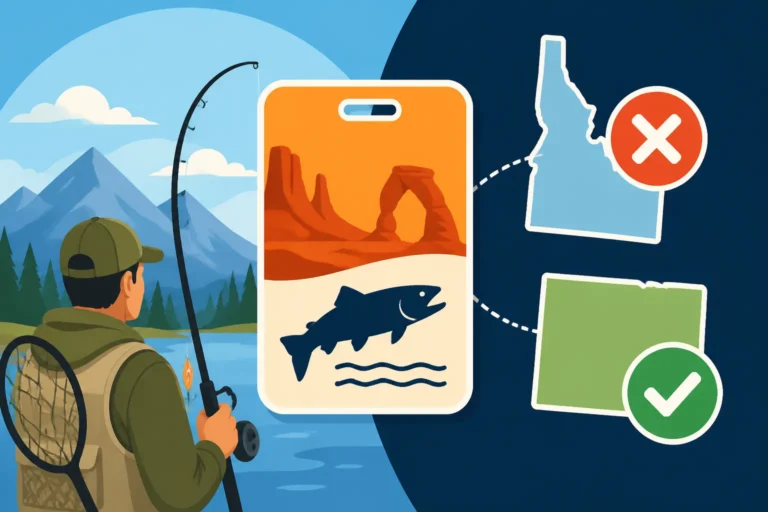
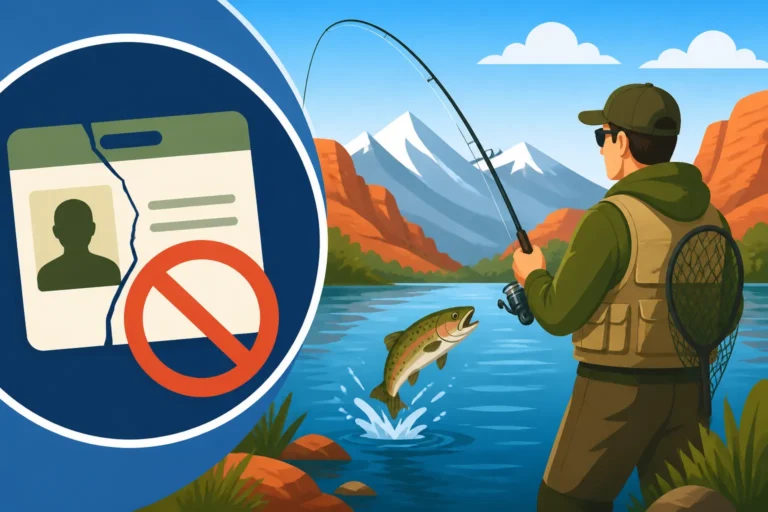
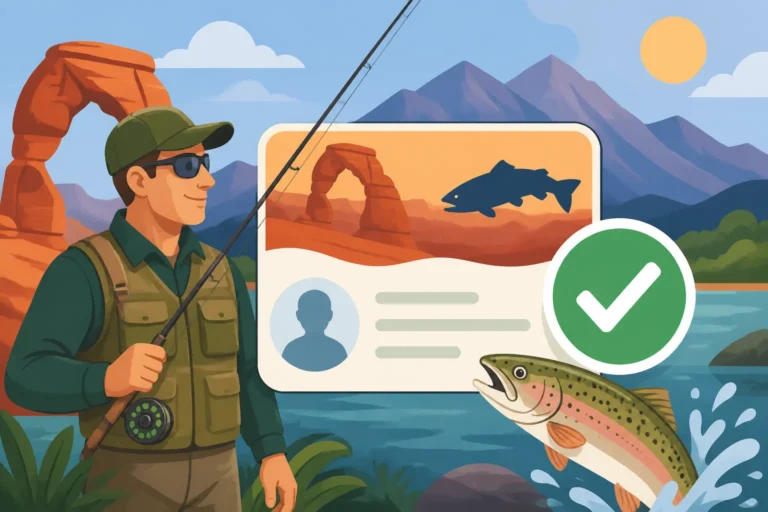
Utah's Free Fishing Day is a much-anticipated annual event where anglers of all ages, both residents and non-residents, can fish any public water in Utah without needing a valid fishing license. It's a day dedicated to fostering a love for the outdoors and the sport of fishing, removing the financial and administrative hurdle that sometimes prevents people from trying it out.
The Purpose Behind the Event
The Utah Division of Wildlife Resources (DWR) organizes Free Fishing Day with several key goals in mind. Primarily, it's about introducing new people, especially families and children, to the sport of fishing. Many people might be curious about fishing but are hesitant to invest in a license and gear if they're not sure they'll enjoy it. This day removes that initial barrier, making it incredibly accessible. Think of it as a "test drive" for fishing!
Beyond recruitment, it's also a fantastic way to encourage families and friends to spend quality time together outdoors. In our increasingly busy lives, finding simple, engaging activities that connect us with nature can be a challenge. Free Fishing Day provides a ready-made excuse to pack a picnic, grab some rods, and head to a local pond or reservoir. It’s also an opportunity for experienced anglers to share their passion and knowledge without having to worry about purchasing an extra license for a spouse or a visiting relative. The DWR views it as a crucial part of their broader mission to connect people with Utah's diverse wildlife and natural resources.
When Does Free Fishing Day Happen?
Utah's Free Fishing Day is consistently held on the second Saturday of June each year. For instance, in 2024, it was on June 8th, and in 2025, it will fall on June 14th. This consistency helps anglers plan well in advance and mark their calendars.
While the date is usually fixed, it's always a good idea to double-check the official Utah DWR website as the date approaches, just in case there are any unforeseen changes (though this is rare). The DWR typically puts out press releases and updates on their social media channels and website well before the event. Knowing the precise date allows you to coordinate with family and friends, arrange for any necessary gear, and pick out your prime fishing spot. Planning ahead also helps you avoid the disappointment of showing up on the wrong day, only to realize you need a license. It’s a great reminder to stay plugged into official sources for all your fishing updates, whether it's for this special day or for understanding new regulations.
Who Can Participate and What You Need to Know
One of the best aspects of Utah Free Fishing Day is its broad inclusivity. It truly is a day for everyone, but understanding the specifics can prevent any confusion and ensure a smooth, enjoyable experience.
Who Is Eligible for Free Fishing?
The beauty of Utah Free Fishing Day is that it's open to everyone. This means both Utah residents and non-residents can fish without a license on this specific day. There are no age restrictions either; whether you're a seasoned angler over 65, an adult new to the sport, or a teenager eager to try, the license requirement is waived for all. It's worth remembering that children under 12 typically don't need a license anyway, but Free Fishing Day extends this freedom to all age groups, making it a truly universal event.
However, there's a crucial caveat: this exemption only applies to public waters. If you're considering fishing on tribal lands, like those of the Ute Indian Tribe, or on private waters, such as a privately owned pond or reservoir, you will almost certainly still need to secure the appropriate permits or obtain permission from the landowner. Tribal lands often have their own distinct licensing requirements, and private waters are, by definition, not subject to state-level free fishing days unless the landowner explicitly allows it. Always do your homework if you plan to venture beyond easily accessible public fishing spots, as ignoring these distinctions could lead to legal trouble, even on Free Fishing Day.
Do Regular Fishing Rules Still Apply?
This is perhaps the single most important point of clarification for Utah Free Fishing Day: ALL other fishing regulations remain in full effect. This is a common misunderstanding that can quickly turn a fun day into a frustrating one, potentially resulting in fines. While you don't need a license, you absolutely must adhere to all other established rules, just as you would on any other day of the year.
This means:
- Daily Bag and Possession Limits: Every waterbody has specific limits on how many fish of a certain species you can keep per day. For example, there are specific Utah Trout Limits by Water that vary depending on the location. You cannot exceed these limits, even if the fish are biting like crazy.
- Size Restrictions: Some species, like Utah Bass Fishing Regulations, might have minimum or maximum length requirements. Make sure you know what these are for the water you're fishing.
- Species Limits: Certain fish, especially invasive ones like northern pike at Utah Lake, have mandatory kill regulations. You must know these rules; for example, you must harvest every Utah Northern Pike Kill Rules at Utah Lake caught there.
- Legal Methods and Bait Restrictions: Some waters are fly-fishing-only, others prohibit the use of live baitfish, and still others might have restrictions on the number of rods you can use. Always check the specific regulations for your chosen fishing spot. You can find general information in the Utah Fishing Regulations Explained.
- Special Waterbody Rules: Iconic locations like Strawberry Reservoir or Flaming Gorge often have unique rules that apply specifically to them. Don't assume general state regulations cover every nuance.
Disregarding these rules, even unknowingly, can lead to citations and fines. Wildlife officers are still patrolling on Free Fishing Day, ensuring that everyone respects the resource. It’s vital to consult the current Utah Fishing Guidebook before you head out, available on the DWR website or at most sporting goods stores. This proactive approach ensures you're not just fishing for free, but fishing legally and responsibly.
Gear, Preparation, and Best Practices for Free Fishing Day
While the license is waived, having the right gear and a solid plan will significantly boost your chances of success and enjoyment on Utah Free Fishing Day. You don't need to break the bank, but a little preparation goes a long way.
Essential Gear for a Successful Outing
For a successful and enjoyable Free Fishing Day, you don't need a professional setup, but a few basics are essential. If you're new to fishing, starting with an entry-level spinning rod and reel combo is perfect. Many sporting goods stores or online retailers like Amazon offer affordable combos that are great for beginners. A medium-light action rod, around 6 feet long, paired with a small spinning reel spooled with 6-8 pound monofilament line, will handle most of Utah's common species, especially the stocked trout you're likely to encounter in community ponds.
Beyond the rod and reel, you'll want some basic terminal tackle:
- Hooks: A variety of small to medium-sized hooks (sizes 6, 8, and 10) will cover most needs.
- Sinkers: A small assortment of split-shot sinkers will help get your bait down.
- Bobbers: These are invaluable for visual bite detection, especially for kids. A classic red and white bobber is always a winner.
- Bait: For stocked trout, PowerBait (in colors like chartreuse, rainbow, or white), worms, or even canned corn can be incredibly effective. For panfish, worms or small pieces of hot dog work wonders.
- Pliers: Essential for removing hooks safely and cutting line.
- Small Tackle Box: To keep everything organized. You can find very inexpensive beginner tackle kits that include all these essentials on Amazon, making it easy to get started without much hassle.
Don't forget comfort and safety items! Sunscreen, a hat, sunglasses, plenty of water, and snacks are crucial, especially if you plan to be out for a few hours. A small first-aid kit for minor cuts or hook mishaps is also a smart addition. For more detailed information on what to pack, check out our Utah Fishing Gear for Beginners guide. Remember, the goal is to have fun, and being prepared for the elements and basic needs ensures that.
Planning Your Free Fishing Day Adventure
Planning is key to maximizing your Free Fishing Day experience. The first step is deciding where to go. Utah has an incredible diversity of fishing opportunities, from urban community ponds to vast reservoirs and scenic mountain rivers. For beginners and families, community ponds are often the best bet, as they are typically well-stocked by the DWR, easily accessible, and designed for high success rates. Locations like Decker Lake in West Valley City or Highland Glen Park in Highland are popular choices. Our guide on Utah Community Pond Fishing Spots can provide excellent starting points.
Next, you'll want to check stocking reports. The DWR often increases stocking efforts leading up to and during Free Fishing Day to ensure plenty of fish are available. Knowing How to Find Recent Stocking Reports for Utah Waters can give you an edge, guiding you to waters that have been recently refreshed with trout, making success almost guaranteed for a beginner. These reports are usually posted on the DWR website.
Finally, consider the crowds. Free Fishing Day is popular, and many prime spots can get busy, especially later in the morning. If you prefer a more peaceful experience, consider arriving early in the day right at sunrise. Alternatively, explore some lesser-known, smaller ponds or walk a bit further down a riverbank away from the main access points. Even during peak times, spreading out and finding your own little piece of tranquility is often possible. Having a backup plan for a second location if your first choice is too crowded can save the day.
Common Misconceptions and Legalities
Even though it’s a “free” day, it’s crucial to understand that not all rules are suspended. There are some significant legal aspects, particularly concerning boating and aquatic invasive species, that continue to apply and often catch people off guard.
Boating and AIS Regulations on Free Fishing Day
Here's another critical distinction that many overlook: Utah Free Fishing Day waives the fishing license requirement, but it does not exempt you from other boating and Aquatic Invasive Species (AIS) regulations. This is a common point of confusion, and misunderstanding it can lead to serious legal consequences and fines.
If you plan to use a motorized boat, personal watercraft, or even a paddleboard or kayak on any Utah water, you still need to ensure your vessel is properly registered. Our guide on Utah Boat Registration Requirements will give you all the details. Furthermore, you must carry all required safety equipment, such as life jackets for everyone on board, a fire extinguisher if applicable, and a sound-producing device. These are outlined in the Utah Boating and Fishing Rules.
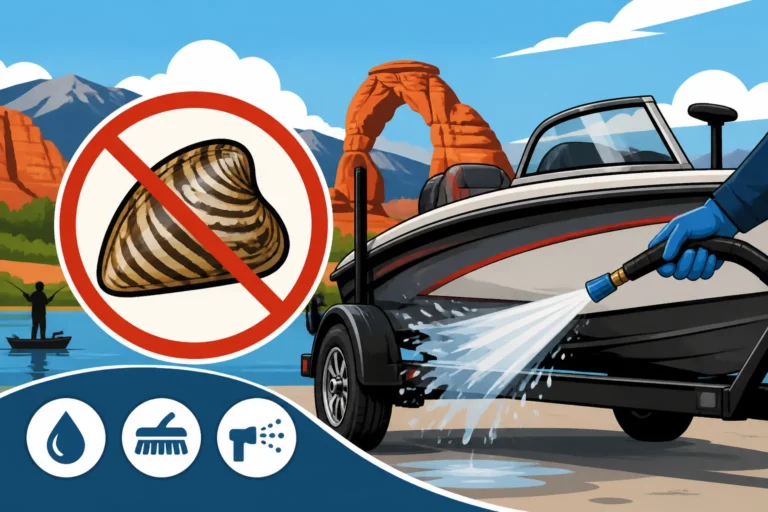
Perhaps even more importantly, Utah has stringent Aquatic Invasive Species (AIS) rules. If you're launching any vessel into a Utah waterbody, you are responsible for ensuring it is clean, drained, and dry to prevent the spread of invasive species like quagga and zebra mussels. This often involves mandatory inspections at designated Utah Aquatic Invasive Species Inspection Stations, especially if you're coming from or going to waters known to be infested, such as Lake Powell. Even kayaks and paddleboards are subject to these rules. Failing to comply with AIS regulations can result in hefty fines and delays. The state takes the threat of invasive species very seriously, as they can devastate native fish populations and clog infrastructure. So, while you're enjoying the free fishing, don't let your guard down on boat safety and AIS compliance. For more details on these vital protections, refer to our Utah Aquatic Invasive Species Rules for Anglers article.
Beyond the Free Day: Encouraging Continued Participation
Utah Free Fishing Day is designed as an entry point, a taste of what Utah fishing has to offer. The hope is that after a successful and enjoyable day, new anglers will be hooked (pun intended!) and want to continue their fishing adventures throughout the year. If that's the case, the next step is to obtain a regular fishing license.
The process for purchasing a license is straightforward, and the Utah DWR has made it very accessible. You can easily learn How to Buy a Utah Fishing License either online through the DWR website, at various retail agents (like sporting goods stores or some grocery stores), or by phone. The Utah Fishing License Online Purchase Process is quick and convenient.
There are various license options to fit different needs. If you enjoyed the day but aren't sure you'll fish frequently, you can opt for short-term licenses, such as the Utah 3-Day and 7-Day Fishing License Options, which are perfect for a weekend trip or a quick getaway. For dedicated anglers, an annual license offers the best value. The costs vary based on age and residency, so it's good to understand the Utah Fishing License Costs by Age and Residency to choose the right one for you. Continuing to fish responsibly throughout the year not only supports wildlife conservation through license fees but also allows you to deepen your skills and discover more of Utah's incredible fishing opportunities.
Maximizing the Experience for New Anglers and Families
Free Fishing Day is often the first time many people, especially kids, ever hold a fishing rod. Making sure it’s a positive and memorable experience is crucial for fostering a lifelong love for the sport.
Making It Fun for Kids and Beginners
When you're introducing kids or total beginners to fishing on Free Fishing Day, remember that success isn't just about catching the biggest fish; it's about having fun and creating memories. Start simple. Focus on techniques that are easy to learn and offer a good chance of immediate results. Fishing with a bobber and bait (like worms or PowerBait) is often the most effective method for stocked trout and panfish, which are typically found in abundance in community ponds. Kids love watching the bobber go down!
Keep the trip relatively short to avoid boredom or frustration, especially if the fish aren't biting right away. An hour or two of focused effort, followed by a picnic or another activity, can be more enjoyable than a long, drawn-out session. Celebrate every success, no matter how small—even a nibble or a fish that gets away is part of the experience. Emphasize the beauty of the outdoors, the thrill of the anticipation, and the joy of spending time together. You can find excellent advice on How to Teach a Kid to Fish in Utah which highlights patience, positive reinforcement, and making the process engaging. Focus on accessible spots with amenities like restrooms and picnic tables. For ideas, check out our guide to the Best Fishing Spots for Kids in Utah, which often overlap with prime Free Fishing Day locations.
What to Do with Your Catch
Once you've successfully reeled in a fish, you have a couple of options: keep it for a meal or release it. If you decide to keep your catch, remember to consult the specific Utah Daily Bag and Possession Limits for the waterbody you're fishing. Having a cooler with ice readily available is essential to keep your fish fresh, especially on a warm June day. Learning How to Fillet a Trout After Keeping Your Limit can be a rewarding experience, turning your fresh catch into a delicious meal.
If you choose to practice catch and release, or if you catch a fish that falls outside the legal harvest size or species (like a protected native cutthroat that must be released), handling the fish carefully is paramount to its survival. Wet your hands before touching the fish to protect its slime coat, which is crucial for its health. Try to minimize its time out of the water, and use needle-nose pliers or a hook remover to quickly and gently remove the hook. If the hook is too deep, cut the line and leave the hook in; sometimes, it will rust out. Gently revive the fish by holding it upright in the water, facing into a gentle current, until it swims away on its own. Understanding How to Release a Fish Without Hurting It in Utah ensures that you are a responsible angler and helps maintain healthy fish populations for future generations of anglers.
Utah Free Fishing Day vs. Regular Fishing Day Comparison
To help clarify the differences and constant regulations, here's a handy comparison table.
| Feature | Utah Free Fishing Day | Regular Fishing Day |
|---|---|---|
| Fishing License | NOT required for anyone, resident or non-resident. | Required for anyone 12 years and older. |
| Date | Specific, usually the second Saturday in June. | Any day of the year (with a valid license). |
| Bag & Size Limits | STILL APPLY. Must follow all regulations. | ALWAYS APPLY. Must follow all regulations. |
| Methods/Bait | STILL APPLY. Must follow all water-specific rules. | ALWAYS APPLY. Must follow all water-specific rules. |
| Boating Regulations | STILL APPLY. Boat registration, safety gear, etc., required. | ALWAYS APPLY. Boat registration, safety gear, etc., required. |
| AIS Regulations | STILL APPLY. All vessels must be Clean, Drained, Dry. | ALWAYS APPLY. All vessels must be Clean, Drained, Dry. |
| Purpose | Introduce new anglers, family fun, participation. | Year-round enjoyment, wildlife conservation funding. |
| Target Audience | All ages, especially beginners and families. | All anglers with a valid license. |
| Crowds | Often higher at popular, accessible spots. | Varies by season, location, and fishing conditions. |
Disclaimer
The information provided in this guide is for general informational purposes only and does not constitute legal advice. Fishing regulations in Utah can change, and it is the sole responsibility of each individual angler to consult the most current Utah Fishing Guidebook published by the Utah Division of Wildlife Resources (DWR) before engaging in any fishing activities. Always prioritize safety and adherence to all local and state laws.