Utah Fly Fishing Gear Guide
Oh, the sheer joy and sometimes, let's be honest, the utter confusion of getting into fly fishing in Utah! It's a beautiful pursuit, but the gear can feel like a labyrinth of specialized terms and tiny, expensive pieces. Many folks just starting out, or even seasoned spin anglers looking to make the leap, feel overwhelmed by what's truly necessary versus what's just "nice to have" in our unique high-desert and mountain environments. This guide is here to untangle that, walking you through the essential fly fishing gear you'll need to hit Utah's diverse waters, from the famed Provo River to the secluded Uinta mountain lakes, ensuring you're well-equipped for success and comfort.
Understanding the Essentials of a Utah Fly Rod & Reel Combo
Getting the right rod and reel isn't just about brand names; it's about matching your tools to the fish you're targeting and the water you'll be fishing. In Utah, we have everything from tiny mountain streams teeming with eager cutthroat to vast reservoirs holding monster lake trout. Your rod and reel are the foundation of your entire setup.
Choosing the Right Fly Rod Weight for Utah
The "weight" of a fly rod refers to its stiffness and the corresponding line weight it's designed to cast. This isn't about how heavy the rod feels in your hand, but rather its power. A higher number means a heavier, more powerful rod, capable of casting larger flies and handling bigger fish. For Utah, you'll likely want a few different weights if you plan on exploring various waters, but for a general all-around rod, a 5-weight is often recommended as a fantastic starting point. It's versatile enough for most trout streams and even some smaller stillwaters.
For instance, if you're planning to spend your days on the Provo River Fishing Guide chasing brown and rainbow trout, a 4-weight or 5-weight rod would be ideal. These lighter rods offer a delicate presentation, which is key for spook-prone trout in clearer, smaller rivers. You'll feel every head shake, making the fight more engaging. On the other hand, if you're dreaming of bigger fish in larger reservoirs like Strawberry or Flaming Gorge, or if you're after substantial bass or pike in other Utah waters, you might need to jump up to a 7-weight or even an 8-weight to effectively cast larger streamers or handle the sheer power of those fish. Consider what kind of fishing excites you most before making that initial purchase.
Selecting a Fly Reel to Complement Your Rod
Unlike spin fishing, where the reel does most of the work bringing in the fish, a fly reel primarily serves as a storage device for your line and as a drag system to tire out larger fish. For most trout fishing in Utah, a simple, reliable click-and-pawl or disc-drag reel is perfectly sufficient. The key is to match the reel to the rod's weight, ensuring it balances well in your hand. An unbalanced setup will make casting feel awkward and quickly lead to fatigue.
When you're shopping for a reel, look for one that specifies the line weight it's designed for, usually something like "5/6 weight." This means it's suitable for both 5-weight and 6-weight lines. While expensive reels can be beautiful works of art, for most of Utah's trout, you don't need to break the bank. A mid-range, machined aluminum reel will offer excellent durability and a smooth drag, which is really all you need to protect your tippet when a spirited fish decides to run. For bigger species in lakes and reservoirs, a reel with a sealed, robust disc drag becomes more important, as those fish can really test your equipment. Many anglers find great deals on these essentials from retailers like Bass Pro Shops or by browsing online selections on Amazon.
The Importance of Rod Action for Utah Conditions
Beyond weight, fly rods come in different "actions," referring to where the rod bends when casting. Fast action rods bend mostly at the tip, offering power and distance, great for cutting through Utah's often-windy conditions or casting heavy fly setups. Medium action rods bend more through the middle, providing a good balance of power and feel, which is excellent for all-around trout fishing. Slow action rods bend deep into the blank, offering delicate presentations, perfect for small streams and short, accurate casts.
For a beginner or someone looking for versatility, a medium-fast action rod is often the sweet spot. It's forgiving enough to learn on, but still has the backbone to cast a decent distance and handle most of what Utah's trout streams throw at you. If you primarily plan to Fly Fish the Provo River, where delicate dry fly presentations can be key, a medium or even a slow-action rod might give you a slight edge in accuracy and feel, allowing you to "feel" the cast more. Understanding rod action helps you make an informed choice that matches your casting style and fishing goals, rather than just picking the first rod you see.
Choosing the Right Fly Line for Utah's Diverse Waters
Your fly line is the engine of your cast, transferring energy from the rod to propel your fly to its target. Without the right line, even the most expensive rod will feel like a noodle. Utah's varied waters, from high-desert reservoirs to alpine lakes, demand different line types.
Decoding Fly Line Tapers and Weights
Fly lines are graded by weight, matching your rod, but they also come in various "tapers." The taper refers to the thickness distribution along the line, which affects how it casts and presents a fly. Weight-forward (WF) lines are the most common, featuring a heavier front section that helps load the rod quickly and cast larger flies or in windy conditions. Double-taper (DT) lines have an even taper on both ends, offering delicate presentations and excellent roll casting, often preferred for smaller streams or when dry fly fishing. Running lines (level or thin lines) are used in conjunction with shooting heads for extreme distance.
For most Utah trout fishing, a weight-forward floating line (WF-F) is your workhorse. It allows for versatile presentations, from dry flies to nymphs under an indicator, and is easy to mend. However, if you're chasing fish in stillwaters or deeper sections of rivers, a sinking line (WF-S) or an intermediate sinking line (WF-I) becomes invaluable. These lines get your flies down to where the fish are holding, especially when targeting submerged structure or in situations like How to Troll for Kokanee in Utah where depth control is critical.
Floating, Sinking, and Specialty Lines for Utah Anglers
While a floating line is a fantastic all-rounder, Utah's diverse fisheries often call for specialized lines. Intermediate lines sink very slowly, making them perfect for fishing just below the surface in lakes or for swinging streamers in rivers. Full sinking lines, available in various sink rates, are crucial for getting down to significant depths, especially when fishing larger reservoirs for species like lake trout or deep-holding kokanee salmon. These lines are often used in conjunction with a specialized boat setup, like those employing Best Downriggers for Flaming Gorge Lake Trout, to ensure precise depth control.
Beyond the main categories, there are specialty lines for specific situations, such as saltwater lines (not typically needed in landlocked Utah, unless you count the Great Salt Lake's unique brine shrimp fishing, which is a whole different ballgame!), or lines designed for bass bugs. For our purposes, consider a standard floating line as your first purchase, then add an intermediate or full-sinking line as you expand your fishing repertoire to stillwaters and deeper river sections. Many online retailers like Amazon offer a wide range of fly lines, making it easy to find exactly what you need for your chosen target species and water type.
Essential Fly Patterns and Tackle for Utah's Fish Species
Having the right flies and the small bits of tackle that connect them to your line is just as critical as your rod and reel. This is where the magic happens, enticing those fish to strike!
Must-Have Fly Patterns for Utah Trout
Utah's trout, whether rainbow, brown, cutthroat, or brookies, respond to a variety of fly patterns depending on the season, water conditions, and insect hatches. A well-stocked fly box will include a mix of dry flies, nymphs, and streamers. Dry flies imitate insects on the water's surface, like Pale Morning Duns, Caddis, or Terrestrials such as grasshoppers and ants, especially during summer months. A good general-purpose dry fly is a Parachute Adams, which can imitate a variety of mayflies.
Nymphs are subsurface flies that imitate insect larvae and pupae. These are often the most effective flies, as trout feed primarily underwater. Popular Utah nymphs include the Pheasant Tail, Hare's Ear, Prince Nymph, and Zebra Midge. Having these in various sizes (from tiny size 22 midges to larger size 14 stoneflies) is crucial. For fishing Utah's renowned tailwaters, such as the Green River below Flaming Gorge or sections of the Provo, Best Nymph Patterns for Utah Tailwaters are particularly effective due to the consistent insect life found in these regulated flows.
Streamers imitate baitfish or larger aquatic insects. Woolly Buggers (in black, olive, or brown) are incredibly versatile and effective for aggressive trout, especially larger brown trout. Clouser Minnows and other baitfish patterns are also excellent, particularly in lakes and larger river stretches, giving you a chance at a true trophy fish. Having a selection of these patterns, ready for deployment, will drastically increase your success.
Leaders, Tippet, and Indicators: The Connection Points
These might seem like small details, but they are absolutely vital for successful fly fishing. A leader is a tapered piece of monofilament or fluorocarbon that connects your fly line to your tippet. Its taper helps transfer casting energy smoothly, allowing your fly to land delicately. Leaders typically come in lengths from 7.5 to 12 feet, with a 9-foot leader being a great all-around choice for Utah's rivers and stillwaters. The "X" rating (e.g., 5X, 4X) refers to the tippet end's diameter; higher X numbers mean thinner, less visible line, but also less strength.
Tippet is a thinner section of line that you tie to the end of your leader, and then your fly is tied to the tippet. It's crucial because it allows you to change flies without shortening your expensive leader. You'll want a spool of tippet in several sizes that match your leader (e.g., 5X, 4X, 3X). Having a range ensures you can fish small dry flies delicately (using thinner tippet) or tie on larger streamers with more confidence (using stronger tippet). For clear waters and wary trout in Utah, a good fluorocarbon tippet is often preferred due to its low visibility underwater. Many anglers keep a tippet dispenser on their person for quick changes.
Strike indicators (or "bobbers" in spin-fishing terms) are essential when nymph fishing. They suspend your fly at a predetermined depth and signal subtle takes. There are many styles, from small foam pieces to yarn indicators. Split shot weights are also often needed to get your nymphs down to the fish in faster currents. Remember, the goal is to make your fly drift naturally, so adjusting your weight and indicator placement is a constant game of finesse.
Waders, Boots, and Apparel: Staying Comfortable and Safe
Fly fishing in Utah often means spending hours wading in cold rivers or standing in chilly lakes. Proper attire isn't just about comfort; it's about safety and extending your time on the water. Nobody enjoys shivering through a potentially great hatch.
Choosing the Right Waders for Utah's Seasons
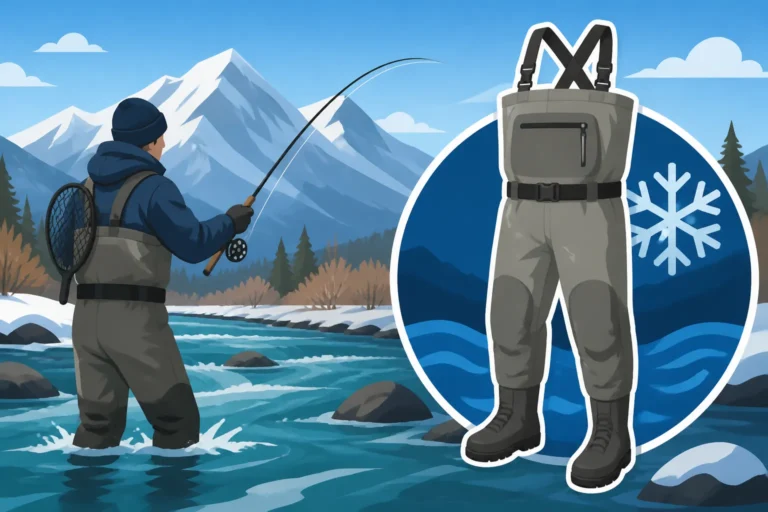
Waders are perhaps the most significant apparel investment for a fly angler. For Utah's climate, chest waders are almost always preferred over waist-high models, offering better protection against deeper water and colder temperatures. The primary choice is between neoprene and breathable waders. Neoprene waders are fantastic for cold weather and Utah Ice Fishing Guide, offering excellent insulation, but they can be too hot for summer.
Breathable waders, typically made from GORE-TEX or similar multi-layered fabrics, are the most versatile option for Utah. They allow perspiration to escape, keeping you comfortable in warmer weather, and can be layered underneath with fleece pants or long johns for insulation in colder conditions. This makes them suitable for everything from spring runoff to fall fishing. Given the sharp rocks and sometimes thorny vegetation you'll encounter on riverbanks, look for durable, puncture-resistant models. Brands like Simms and Patagonia are popular for their robust construction, though many solid options exist across various price points.
Wading Boots: Grip, Support, and Aquatic Invasive Species
Wading boots are equally important as waders, providing critical ankle support and traction on slippery river bottoms. They are designed to be worn over the neoprene booties of your waders. The choice of sole is key: felt soles offer superior grip on slick, algae-covered rocks, but can be a vector for spreading aquatic invasive species (AIS), making them prohibited in some areas or requiring thorough cleaning. Rubber soles, often with aggressive lug patterns, are more versatile for hiking and are less likely to carry invasives, though they might not grip as well on very slick surfaces. Some rubber soles are designed to accept studs for added traction.
Given Utah's significant efforts to combat AIS, especially quagga mussels, many anglers now opt for rubber-soled boots and ensure they are thoroughly cleaned and dried after each outing. If you're frequently fishing the Middle Provo River Access Points or other rocky streams, good ankle support is paramount to prevent twists and falls. When selecting boots, make sure they are adequately sized to accommodate your wader booties; it's often recommended to go up a half to a full size from your street shoe size.
Layering Apparel for Utah's Variable Weather
Utah's weather can be notoriously unpredictable, swinging from warm sunshine to sudden thunderstorms or chilly winds within hours, especially in the mountains. Layering is your best friend. Start with a moisture-wicking base layer (synthetic or merino wool) to draw sweat away from your skin. Add an insulating mid-layer, such as a fleece jacket or vest, for warmth. A waterproof and windproof outer shell (like a good rain jacket) is essential for protection against rain, snow, and stiff breezes.
For sunny days, a wide-brimmed hat, polarized sunglasses (crucial for spotting fish and protecting your eyes), and sun-protective clothing are a must. In colder weather, warm gloves or fingerless gloves, a warm hat, and wool socks are non-negotiable. Always pack an extra layer or two, even on days that start warm, especially if you're venturing into the high country or fishing areas like the Uinta Mountains, where temperatures can drop dramatically. Comfort directly translates to more enjoyable and productive time on the water.
Nets, Bags, and Accessories: Practical Gear for the Utah Fly Angler
Once you have your core rod, reel, line, flies, and appropriate apparel, there are a host of smaller items that make your fly fishing experience smoother, safer, and more effective. These aren't just luxuries; many are essential tools.
Landing Nets: Handling Your Catch Responsibly
A good landing net is more than just a convenience; it's a crucial tool for safely handling fish, especially those you intend to release. For fly fishing, a net with a rubberized or "ghost" mesh is highly recommended. Unlike traditional knotted nylon nets, rubberized mesh is much gentler on a fish's delicate slime coat, fins, and scales, reducing injury and improving survival rates. It also helps prevent hooks from tangling, which is a major frustration with traditional nets.
For stream fishing, a shorter-handled "scoop" style net that can be carried on your back or attached to your vest is ideal. For boat fishing on larger reservoirs like Strawberry or Flaming Gorge, or if you're targeting bigger species, a longer-handled net offers more reach and leverage. Always wet your net before a fish enters it, and try to keep the fish in the water as much as possible while removing the hook and preparing for a photo. Responsible fish handling is a cornerstone of ethical angling, and a quality net is a big part of that.
Vest, Pack, or Sling Bag: Organizing Your Essentials
How you carry your gear on the water largely depends on your fishing style and how much equipment you need. A traditional fly fishing vest, with its multitude of pockets, is a classic choice for wading anglers who like to keep everything within easy reach. They distribute weight evenly and offer immense organizational capacity for fly boxes, tippet spools, tools, and personal items.
Sling packs or chest packs have become very popular alternatives. Sling packs are worn over one shoulder and can be easily swung around to your front for access, offering a balance of capacity and mobility. Chest packs are smaller and keep everything front and center, often preferred by minimalist anglers or those who want a clear back for a backpack when hiking into remote spots like the Uinta Mountains High Lakes Fishing areas. For multi-day trips or deep backcountry excursions, a proper fishing backpack is essential to carry extra water, food, first-aid, and additional layers. The key is to find something comfortable that allows you to access your tools quickly and efficiently without fumbling.
Essential Tools and Accessories for Every Fly Angler
Beyond the main storage options, a few small tools are absolute must-haves:
- Hemostats or Forceps: Crucial for removing hooks quickly and safely from a fish's mouth, especially if the hook is deeply set. Look for models with a curved tip for easier access.
- Nippers: Small clippers for trimming excess line when tying knots. Many come with an attached needle for clearing the eye of a hook or a small sharpening stone.
- Tippet Spool Holder: Keeps your tippet spools organized and easily accessible.
- Floatant: For dry fly fishing, this dressing keeps your flies buoyant and floating high on the water.
- Leader Straightener: A small rubber or leather patch used to straighten kinks in your leader for better presentation.
- Thermometer: Water temperature greatly affects fish activity. A small stream thermometer can help you decide what depth to fish and what insects might be active.
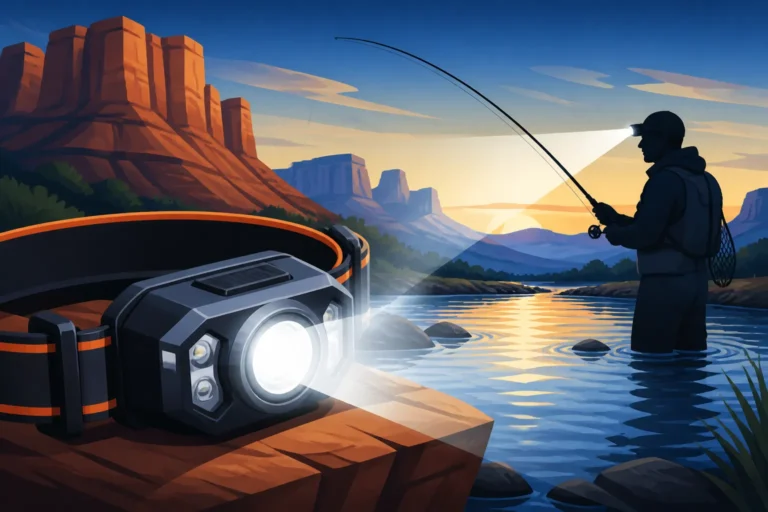
- Headlamp: Invaluable for early morning starts, late evening fishing, or unexpected low light conditions.
- First-Aid Kit: Even a basic kit for small cuts, scrapes, and hook injuries is essential, especially when fishing in remote areas.
This table summarizes common fly rod weights and their typical applications in Utah:
| Rod Weight | Primary Target Species | Ideal Water Type | Common Fly Size Range | Best Use Cases in Utah |
|---|---|---|---|---|
| 2-3 weight | Small Trout, Panfish | Small Streams, High Mountain Creeks | #18-24 | Delicate dry fly fishing on tiny Uinta streams |
| 4-5 weight | Trout, Small Bass | Rivers, Mid-sized Streams, Ponds | #12-20 | All-around trout fishing on Provo, Weber, Logan Rivers |
| 6-7 weight | Larger Trout, Bass, Carp | Larger Rivers, Stillwaters, Smallmouth | #6-16 | Streamer fishing for big browns, bass at Flaming Gorge |
| 8-9 weight | Large Bass, Pike, Lake Trout | Big Reservoirs, Pike & Muskie Waters | #2-1/0 | Casting large flies for trophy fish at Pineview, Utah Lake |
Maintaining Your Fly Fishing Gear for Longevity in Utah's Environment
Your fly fishing gear is an investment, and like any investment, it performs best and lasts longest with proper care. Utah's environment, with its often dry conditions, fine dust, and sometimes corrosive alkaline waters, can be tough on equipment.
Cleaning and Drying Your Waders and Boots
After every outing, especially if you've been in muddy or alkaline waters, rinse your waders thoroughly with fresh water. Hang them to dry completely, both inside and out, in a shaded area away from direct sunlight. Sunlight can degrade the fabric and seams over time. Pay special attention to the neoprene booties; residual moisture can lead to mildew and unpleasant odors. If your waders start to leak, many breathable waders can be patched with specialized repair kits, extending their lifespan significantly.
Your wading boots also need a good rinse, particularly to remove any mud or debris that might harbor aquatic invasive species. Inspect them for embedded burrs or thorns. Allow them to air dry completely. Storing wet waders and boots in a confined space can quickly lead to mildew and material breakdown. Proper drying is not just about extending your gear's life; it's also a crucial part of following Utah Aquatic Invasive Species Rules for Anglers and protecting our valuable fisheries.
Rod and Reel Care: Post-Trip Rituals
Your fly rod, while seemingly robust, benefits from regular care. After each use, wipe down the blank and cork handle with a damp cloth to remove dirt, grit, and any fish slime. Check the guides for any damage or corrosion, especially if you've bumped the rod or fished in salty conditions (unlikely in Utah, but good practice). Store your rod in its cloth sock and rigid tube to protect it from impacts during transport. Never store a rod leaning against a wall where it can easily tip over.
Fly reels are generally low-maintenance, but they aren't entirely set-it-and-forget-it. Periodically, especially after heavy use or if they've gotten particularly dirty, it's a good idea to remove the spool and wipe down the spindle and the inside of the reel frame. Check the drag system for any grit or debris that might impede its smooth operation. If your reel has a sealed drag, minimal maintenance is typically required beyond an occasional external wipe. For more complex reels, consult the manufacturer's instructions for any recommended lubrication or servicing. Proper reel care ensures your drag performs flawlessly when that trophy fish decides to run.
Fly Line Cleaning and Storage
Your fly line is constantly exposed to dirt, algae, and insect repellents, all of which can degrade its performance. A dirty line loses its slickness, making casting harder and reducing its ability to float. Regularly clean your fly line with a specialized fly line cleaner and a soft cloth. Simply run the line through the cleaner-dampened cloth as you reel it in. This will restore its slickness and extend its life.
When storing your line for extended periods, especially over the off-season, remove it from the reel and loosely coil it. This prevents "memory" from forming on the spool, which can lead to frustrating coils and tangles when you next spool it up. Store coils in a cool, dry, dark place. Never leave your fly line baking in the sun or coiled tightly on a reel for months on end in a hot garage. A well-maintained fly line will cast smoother, float better, and last much longer, saving you money and frustration in the long run.
Specialized Gear for Different Utah Fly Fishing Scenarios
Utah's diverse landscapes offer a huge range of fly fishing experiences, and sometimes, a general-purpose setup just won't cut it. Thinking about the specific conditions you'll encounter can help you tailor your gear.
High-Altitude and Backcountry Fly Fishing Gear
If your idea of paradise is a multi-day backpacking trip into the Uinta Mountains High Lakes Fishing region, your gear choices will shift dramatically. Every ounce counts when you're hiking miles at elevation. Opt for lightweight, packable gear. A shorter, lighter action fly rod (like a 3- or 4-weight, often a 4-piece travel rod) is easier to carry and handles the smaller trout typical of alpine lakes and streams. Consider a minimalist chest pack or a small fishing-specific backpack that can hold essential gear, water, and food for a day or more.
Warm layers are absolutely crucial, as mountain weather can change in an instant, even in summer. A lightweight, waterproof rain shell, warm hat, and gloves are non-negotiable. Don't forget a map, compass or GPS, and a substantial first-aid kit for remote trips. A small, inflatable float tube can also be a game-changer for accessing deeper water in alpine lakes, but its portability needs to be carefully weighed against your hiking distance and effort. These trips are incredibly rewarding, but they demand a more intentional and lightweight approach to gear.
Fly Fishing Stillwaters and Reservoirs
Stillwater fly fishing (lakes and reservoirs) presents different challenges and opportunities than river fishing. Here, you're often targeting deeper-holding fish, or fish that cruise open water, requiring different tactics and, consequently, different gear. While a floating line is still useful for fishing dries or nymphs under an indicator near shore, an intermediate or full-sinking line becomes essential for reaching fish in deeper water. Having a few different sink rates can be incredibly helpful for covering the water column.
A boat, float tube, or kayak can significantly increase your success on stillwaters. Best Kayaks for Utah Lake Fishing or a quality float tube allows you to cover more water, access areas unreachable from shore, and present flies more effectively. For this type of fishing, longer rods (9.5 or 10 feet) can provide better line control and casting distance from a seated position. Look into specialized stillwater fly patterns like callibaetis nymphs, leeches, or chironomids, which imitate common lake food sources. A fish finder can also be invaluable for locating structure and fish in larger bodies of water.
Fly Fishing Tailwaters and Technical Rivers
Utah is blessed with several world-class tailwater fisheries, such as the Green River below Flaming Gorge Dam and sections of the Provo River. These rivers, fed by cold, consistent water from dams, often hold abundant, wary trout that require a highly technical approach. Here, delicate presentations and precise fly selection are paramount. You'll often find yourself using long, thin leaders and fine tippets (5X, 6X, or even 7X) to fool these educated fish.
A longer rod (9.5 or 10 feet) can be beneficial for better line control, mending, and roll casting in these often-complex currents. You'll need a comprehensive fly box stocked with a wide range of tiny nymphs and midges, matching the specific hatches or "micro-hatches" that occur year-round. Best Flies for a Utah Fly Box for these waters will heavily lean into imitations of small mayflies, caddis, and midges. It's also worth investing in high-quality polarized sunglasses to help you spot fish and read subtle takes in clear water. Patience and observation are key here, along with the right gear, to unlock the secrets of these productive but challenging waters.
Disclaimer
This article is for general informational purposes only and does not constitute professional advice. Laws, prices and regulations vary by location and change over time. Consult a qualified professional for guidance on your specific situation.