Best Rain Gear for Utah Fishing Trips
There's nothing quite like the crushing disappointment of a planned Utah fishing trip turning into a miserable, rain-soaked ordeal. One moment you're basking in glorious sunshine, the next, dark clouds roll in over the mountains, the wind picks up, and you're soaked to the bone before you can even think about packing up. This guide is all about helping you avoid that disheartening experience by equipping you with the knowledge to choose the best rain gear, ensuring you stay dry, comfortable, and focused on landing that next big catch, no matter what Utah's famously unpredictable weather throws your way.
Why Quality Rain Gear Is Non-Negotiable for Utah Anglers
Utah's landscapes are breathtaking, offering everything from high-alpine lakes to desert rivers. But with that incredible diversity comes a weather pattern that can change faster than a hungry trout strikes a dry fly. Investing in good rain gear isn't just about avoiding a little discomfort; it's about safety, endurance, and ultimately, making sure your time on the water is enjoyable and productive, not a test of your shivering tolerance.
The Unpredictable Nature of Utah Weather
Ask any local angler, and they'll tell you: Utah weather has a mind of its own. You could start your morning with clear skies and a gentle breeze at a place like Strawberry Reservoir, only to find yourself in a torrential downpour by lunchtime. Afternoon thunderstorms are a common occurrence, especially in the mountains during summer, appearing seemingly out of nowhere and bringing heavy rain, hail, and even lightning. These aren't just light drizzles; they can be serious deluges that turn a pleasant outing into a survival test if you're not prepared.
Elevation plays a huge role too. As you gain elevation, temperatures drop rapidly, and precipitation types can shift. A mild rain in the valley might be sleet or even snow just a few thousand feet higher. If you're heading to the Uinta Mountains for some high-lakes fishing, anticipating all four seasons in a single day isn't an exaggeration. Being caught unprepared for a sudden cold rain at 10,000 feet isn't just unpleasant; it can be genuinely dangerous.
Comfort and Safety Beyond Just Staying Dry
Beyond the obvious benefit of keeping your clothes dry, quality rain gear provides crucial protection against the elements that can quickly erode your enthusiasm and pose real health risks. When your core temperature drops due to wet clothes and cold winds, the risk of hypothermia increases significantly. Even in what seems like mild conditions, consistent dampness can lead to this dangerous state, impairing your judgment and physical ability.
Moreover, if you're constantly battling the cold and wet, your focus shifts from the fishing itself to simply trying to stay warm. Your hands become clumsy, your casts lose their precision, and your overall enjoyment plummets. Good rain gear allows you to maintain your comfort and dexterity, keeping your mind on the water, the presentation of your lure or fly, and the excitement of the chase. It extends your fishing day, lets you brave conditions that send others packing, and ultimately, helps you make the most of your precious time outdoors.
Understanding the Different Types of Rain Gear
When you start looking at rain gear, you'll quickly realize it's not a one-size-fits-all situation. Different styles and constructions are designed for varying levels of activity, weather severity, and specific fishing needs. Understanding these distinctions is key to making an informed choice that truly suits your Utah angling adventures.
Rain Jackets: Shells, Insulated, and Hybrid Options
Rain jackets are your primary defense against the wet stuff, and they come in a few main categories. First, you have the "shell" jackets. These are lightweight, uninsulated garments that focus purely on waterproofing and breathability. They're designed to be worn over layers, making them incredibly versatile for fluctuating Utah temperatures. If you're hiking into a remote stream in the Uintas or How to Fly Fish the Provo River, a packable shell allows you to layer up or down as needed without adding bulk. They're excellent for active fishing where you're generating a lot of body heat.
Then there are insulated rain jackets. These combine a waterproof outer shell with an internal layer of insulation, offering both warmth and dryness. They're fantastic for colder conditions, like late fall reservoir fishing or early spring days when the air still has a bite. The downside is they're less versatile for warmer weather, and if you're hiking a lot, you might overheat. Finally, you'll find hybrid options that might feature strategic insulation in key areas or clever layering systems that offer adaptability. When browsing online at retailers like Bass Pro Shops or Amazon, pay close attention to whether the jacket is purely a shell or includes warmth.
Rain Pants and Bibs: Protecting Your Lower Half
While a good rain jacket is crucial, don't underestimate the importance of protecting your lower half. Sitting on a wet boat seat, kneeling by the bank, or wading through a shower can quickly saturate your pants, leading to discomfort and cold. Rain pants are generally lighter and easier to pull on and off, ideal for unexpected showers or when you're mostly staying out of direct contact with water, like shore fishing or lighter boat use. Look for full-length leg zippers to make putting them on over boots easier.
For more serious wet-weather fishing, especially from a boat or when deep wading, rain bibs are often the superior choice. Bibs extend higher up your torso, providing an extra layer of protection over your core and preventing water from splashing or running down your back when you bend or cast. They're particularly effective at keeping you dry when battling waves on a larger reservoir or enduring persistent rain. The added coverage helps prevent water from migrating between your jacket and pants, a common frustration for anglers in heavy downpours.
Essential Accessories: Hats, Gloves, and Waterproof Bags
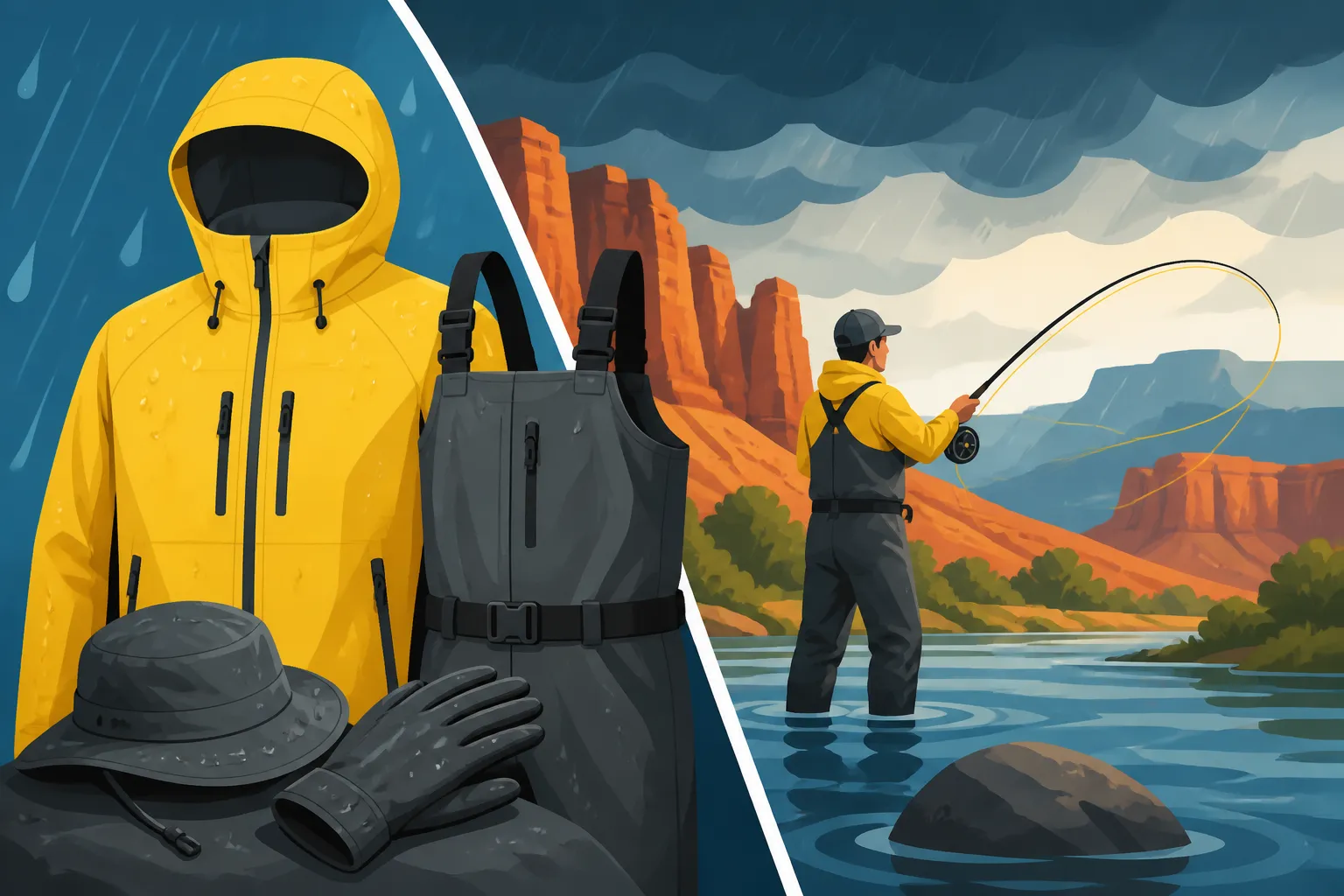
Rain gear isn't complete without the right accessories, which often make the difference between a tolerable and a truly enjoyable wet-weather trip. A waterproof hat, ideally with a brim, is vital. It keeps rain off your face, out of your eyes (improving visibility for casting and spotting fish), and prevents water from running down your neck. A wide-brimmed fishing hat can be worn under a jacket hood for double protection.
Waterproof gloves are another game-changer, especially for colder conditions or when handling fish. Cold, wet hands quickly lose dexterity, making it difficult to tie knots, manage your line, or even hold your rod effectively. Look for gloves that offer good grip even when wet and sufficient warmth for the conditions you anticipate. Lastly, don't forget waterproof bags or dry bags for your essential gear like your phone, camera, extra layers, and your Utah Fishing License Guide. Keeping these items dry ensures they function when needed and aren't damaged by an unexpected dunking or persistent rain.
Key Features to Look for in Utah Fishing Rain Gear
Choosing effective rain gear goes beyond just picking something labeled "waterproof." The devil, as they say, is in the details. Understanding what makes rain gear truly perform in tough conditions will help you select pieces that stand up to Utah's demanding fishing environments and keep you comfortable for the long haul.
Waterproofing and Breathability Ratings Explained
The core function of rain gear is to keep water out, but modern gear also needs to let moisture vapor (sweat) out. This is where waterproofing and breathability ratings come in. Waterproofing is often measured in millimeters (mm), indicating the height of a column of water the fabric can withstand before leaking. For serious fishing in Utah, especially in areas prone to heavy rain like the Uintas or on exposed reservoirs, aim for a jacket with a waterproof rating of at least 10,000mm, with 20,000mm or higher being ideal for extreme conditions.
Breathability is measured by Moisture Vapor Transmission Rate (MVTR), often in grams of water vapor per square meter in 24 hours (g/m²/24hr). A higher number means the fabric is better at allowing sweat to escape, preventing you from feeling clammy and wet from your own perspiration. For active fishing, such as wading rivers or hiking to Uinta Mountains High Lakes Fishing, an MVTR of 10,000 g/m²/24hr or more is recommended. Many brands, like Gore-Tex or proprietary membranes, will list these specs, and they are critical for comfort. Also, look for Durable Water Repellent (DWR) coatings, which make water bead up and roll off the fabric, preventing it from soaking into the outer layer and hindering breathability.
Durability and Construction for Rugged Use
Fishing isn't always a gentle sport, and your rain gear needs to withstand snags, scrapes, and constant movement. Fabric durability is often measured by denier (D), with higher numbers indicating thicker, more robust material. While a very high denier can add weight, it offers superior resistance to tears and abrasions. For general fishing, a denier of 70D to 150D is common, but areas prone to high wear, like the knees and seat of rain pants, might feature reinforced patches of even higher denier material.
The construction of the garment is equally important. Look for fully taped seams, which means all internal seams are sealed with a waterproof tape to prevent water penetration through the needle holes. Quality zippers are also key; water-resistant or waterproof zippers, often laminated or protected by storm flaps, are essential to keep pockets and main openings dry. Pay attention to the stitching; double or triple stitching in high-stress areas like armpits and shoulders indicates a garment built to last through many Utah Fishing Seasons Explained.
Fishing-Specific Design Elements
Good rain gear for anglers isn't just a generic rain jacket. It includes thoughtful design elements tailored for fishing. Pockets are paramount: look for multiple, easily accessible pockets with waterproof zippers or storm flaps to keep your tackle, phone, and other essentials dry. Placement matters too; chest pockets are great for quick access, and hand-warmer pockets are a blessing on cold days.
Hood design is critical. A good fishing hood should be adjustable (cinch cords around the face and back of the head) to provide a snug fit that moves with your head, maintaining peripheral vision without flapping in the wind. Articulated elbows and knees in jackets and pants allow for a full range of motion, crucial for casting and moving around a boat. Adjustable cuffs with Velcro or elastic closures help prevent water from running down your sleeves when you're reaching into the water or casting. Some jackets even feature integrated tool loops or D-rings for attaching gear, making your life easier on the water.
Choosing Rain Gear for Specific Utah Fishing Scenarios
Utah's diverse fishing opportunities mean that the "best" rain gear isn't always the same. What works for a day of fly fishing a mountain stream might not be ideal for battling waves on a vast reservoir. Tailoring your choice to your specific fishing style and location will maximize your comfort and effectiveness.
High-Altitude Stream and River Fishing
When you're trekking into the high country to fish pristine streams or hiking along the Provo River Fishing Guide, lightweight and packable rain gear is paramount. You'll be doing a lot of walking, often uphill, so breathability is key to prevent overheating and becoming saturated with your own sweat. A high-performance shell jacket with excellent MVTR (Moisture Vapor Transmission Rate) is ideal, allowing you to layer appropriately underneath based on the temperature. Think about how easily it stuffs into your backpack.
For pants, lightweight rain pants that can be pulled on quickly over your wading pants or hiking shorts are perfect. Features like full-length side zippers make donning and doffing them over boots a breeze, which is invaluable when a sudden storm rolls in. Since you're often moving and casting actively, gear that allows for unrestricted movement is essential. Many anglers fishing these areas opt for flexible fabrics that don't feel stiff or restrictive, even when layering.
Reservoir and Lake Boat Fishing
Fishing from a boat on large bodies of water like Flaming Gorge, Lake Powell, or Bear Lake Fishing Guide presents different challenges. You're exposed to wind, spray, and often prolonged, heavy rain. Here, robust, full-coverage gear becomes your best friend. Rain bibs, extending high up the chest, are often preferred over rain pants because they prevent water from splashing up or running down your back when sitting, bending, or leaning over the gunwale. They also provide an extra layer of warmth to your core on cold, windy days.
For your top half, a durable, highly waterproof jacket with a substantial hood is crucial. Look for jackets with reinforced elbows and shoulders if you're frequently moving gear or rubbing against boat surfaces. Pockets with secure, waterproof closures are indispensable for storing electronics, tackle, and snacks. When you're out on the open water for hours, especially in a downpour, the peace of mind that comes from truly impenetrable rain gear is priceless. Consider gear that's built for serious marine environments, as it's designed to withstand constant exposure to water. Best Boats for Utah Reservoir Fishing often means you're more exposed, so your gear needs to stand up to it.
Ice Fishing and Cold Weather Considerations
Ice fishing in Utah, whether at Scofield Reservoir or Strawberry Reservoir, brings its own unique set of demands for rain gear – or rather, insulated waterproof gear. While "rain" in the traditional sense might not be your primary concern, protection from snow, slush, and biting winds is critical. Your gear needs to be heavily insulated to keep you warm during long periods of stationary fishing, but also waterproof enough to handle melting snow, slush on the ice, and wet conditions in your ice shelter.
Many ice anglers opt for specialized insulated ice fishing suits, which typically consist of a heavy-duty, waterproof/breathable insulated jacket and matching bibs. These suits often feature flotation assistance for safety, reinforced knees and seat for kneeling on the ice, and plenty of large, easy-access pockets. Layering is still important underneath your insulated outerwear. Check out our guide on How to Layer Clothing for a Utah Winter Fishing Trip for more tips. While these suits are bulky, they offer unmatched warmth and protection for serious hard water pursuits.
Maintaining Your Rain Gear for Longevity
Investing in quality rain gear is only half the battle; proper care and maintenance are essential to ensure it continues to perform year after year. Neglecting your gear can significantly shorten its lifespan and compromise its waterproof and breathable properties, leaving you wet and frustrated.
Proper Cleaning and Storage Techniques
After a muddy or particularly grimy fishing trip, it's tempting to just toss your rain gear in the corner, but a little cleaning goes a long way. Always follow the manufacturer's washing instructions, as they can vary by fabric type and membrane. Generally, it's best to wash rain gear in cold or lukewarm water on a gentle cycle, using a technical wash specifically designed for waterproof breathable fabrics. Avoid conventional detergents, fabric softeners, and bleach, as these can clog the fabric's pores and strip away the DWR coating, impairing breathability and waterproofing.
After washing, rinse thoroughly to remove all detergent residue. Air drying is usually best, hanging the garment in a well-ventilated area away from direct sunlight or high heat. Some technical garments can be tumble-dried on a low setting, which can actually help reactivate the DWR coating. Once completely dry, store your rain gear loosely in a cool, dry place, away from extreme temperatures and direct sunlight. Avoid compressing it tightly, as this can degrade the waterproof membrane over time.
Re-Waterproofing and Repairing Your Gear
Over time, even the best DWR coating will wear off, especially in high-wear areas like shoulders, elbows, and the seat. When you notice water no longer beading up and instead soaking into the outer fabric, it's time to re-waterproof. This is usually done with a spray-on or wash-in DWR treatment, readily available from outdoor retailers or online stores like Amazon. These products restore the fabric's water-repellent properties, preventing saturation and allowing the breathable membrane to function optimally.
Small tears or punctures can happen, especially when you're navigating brushy banks or dealing with sharp hooks. Don't despair! Many of these can be easily repaired with fabric repair patches or seam sealants. Flexible, waterproof repair tape can patch small holes, while specialized seam sealants can fix leaky taped seams. For larger tears or issues with zippers, consider seeking professional repair services to ensure the integrity of the garment's waterproofing. A little proactive repair can save you from having to replace an entire piece of expensive gear.
Budgeting for Your Rain Gear Investment
The price tag on quality rain gear can sometimes be a bit of a shock, especially if you're used to basic ponchos. However, thinking of it as an investment in your comfort, safety, and overall enjoyment of Utah fishing makes the decision easier. There's a spectrum of options, and understanding what you get at each price point can help you make a wise choice.
Entry-Level vs. Mid-Range vs. Premium Gear
Entry-level rain gear, often found for a lower cost, typically uses basic waterproof coatings or laminates that might not offer the same level of breathability or durability as more expensive options. While they'll keep you dry in a light shower, they might struggle with heavy, prolonged rain or intense activity, leading to clamminess or eventual wetting out. They're a good starting point for casual anglers or those on a tight budget who only need occasional protection. You might find basic sets that work for a quick trip to a community pond.
Mid-range gear strikes a balance between performance and price. These garments often feature proprietary waterproof/breathable membranes, better seam sealing, and more durable fabrics. They offer a significant jump in comfort and reliability for regular anglers who face varied conditions. You'll likely see more fishing-specific features like better pocket layouts and adjustable hoods in this category. For most dedicated Utah anglers who fish regularly, this range provides excellent value.
Premium rain gear utilizes top-tier materials like Gore-Tex Pro or similar high-performance membranes, boasts exceptional breathability and waterproofness, and features robust construction with highly durable fabrics and meticulous attention to detail. This gear is built for extreme conditions, extended exposure, and demanding use, offering the highest level of comfort and longevity. It's an investment, but for those who spend a lot of time on the water in all seasons, the superior performance and durability can be well worth it. This is where you find the gear that truly empowers you to fish confidently through any weather.
Where to Find Good Deals and Trusted Brands
When it comes to outfitting yourself with the best rain gear for Utah fishing, you have several excellent options for finding both trusted brands and good deals. Large outdoor retailers are a fantastic place to start. Stores like Bass Pro Shops often have dedicated fishing apparel sections where you can physically try on different jackets and bibs, get a feel for the materials, and compare features side-by-side. Their staff can also offer valuable advice based on local fishing conditions and specific brands they carry.
Online retailers like Amazon also provide a vast selection, often with competitive pricing and detailed customer reviews that can help you gauge real-world performance. You'll find a wide range of brands there, from well-known fishing apparel companies to more general outdoor gear manufacturers. Keep an eye out for end-of-season sales or holiday promotions, which can be great opportunities to snag higher-end gear at a more accessible price. Additionally, checking out the clearance sections of specialty fly fishing shops or sporting goods stores can sometimes reveal hidden gems.
Remember, regardless of where you shop, always compare the key features we've discussed – waterproofing, breathability, durability, and fishing-specific design – to ensure the gear meets your needs for the demanding and rewarding fishing environments Utah offers.
| Rain Gear Type | Primary Purpose | Key Features for Fishing | Best Use Case in Utah |
|---|---|---|---|
| Shell Jacket | Lightweight, waterproof/breathable outer layer | High MVTR, adjustable hood, articulated cut, waterproof zippers, packable | Active hiking to high-lakes, fly fishing rivers, warm weather showers |
| Insulated Jacket | Warmth & waterproof protection | Waterproof shell with internal insulation, durable outer fabric, sealed seams | Colder weather boat fishing, early spring/late fall fishing |
| Rain Pants | Lower body waterproof protection | Lightweight, full-length leg zippers, elastic waist, DWR coating | Shore fishing, casual boat use, quick protection from light showers |
| Rain Bibs | Full lower body & torso waterproof protection | Extends high on chest, reinforced knees/seat, suspenders, multiple pockets | Boat fishing on large reservoirs, heavy rain, cold/wet conditions |
| Waterproof Hat | Head/face protection from rain | Wide brim, waterproof fabric, adjustable fit, fits under hood | Any fishing scenario in rain or snow to keep face/eyes clear |
| Waterproof Gloves | Hand warmth, grip & dryness | Insulated or thin waterproof membrane, good dexterity, textured grip | Cold weather, handling wet fish, keeping hands warm and functional |
Disclaimer
This article is for general informational purposes only and does not constitute professional advice. Laws, prices and regulations vary by location and change over time. Consult a qualified professional for guidance on your specific situation.