Best Pound Test Line for Utah Stocked Trout
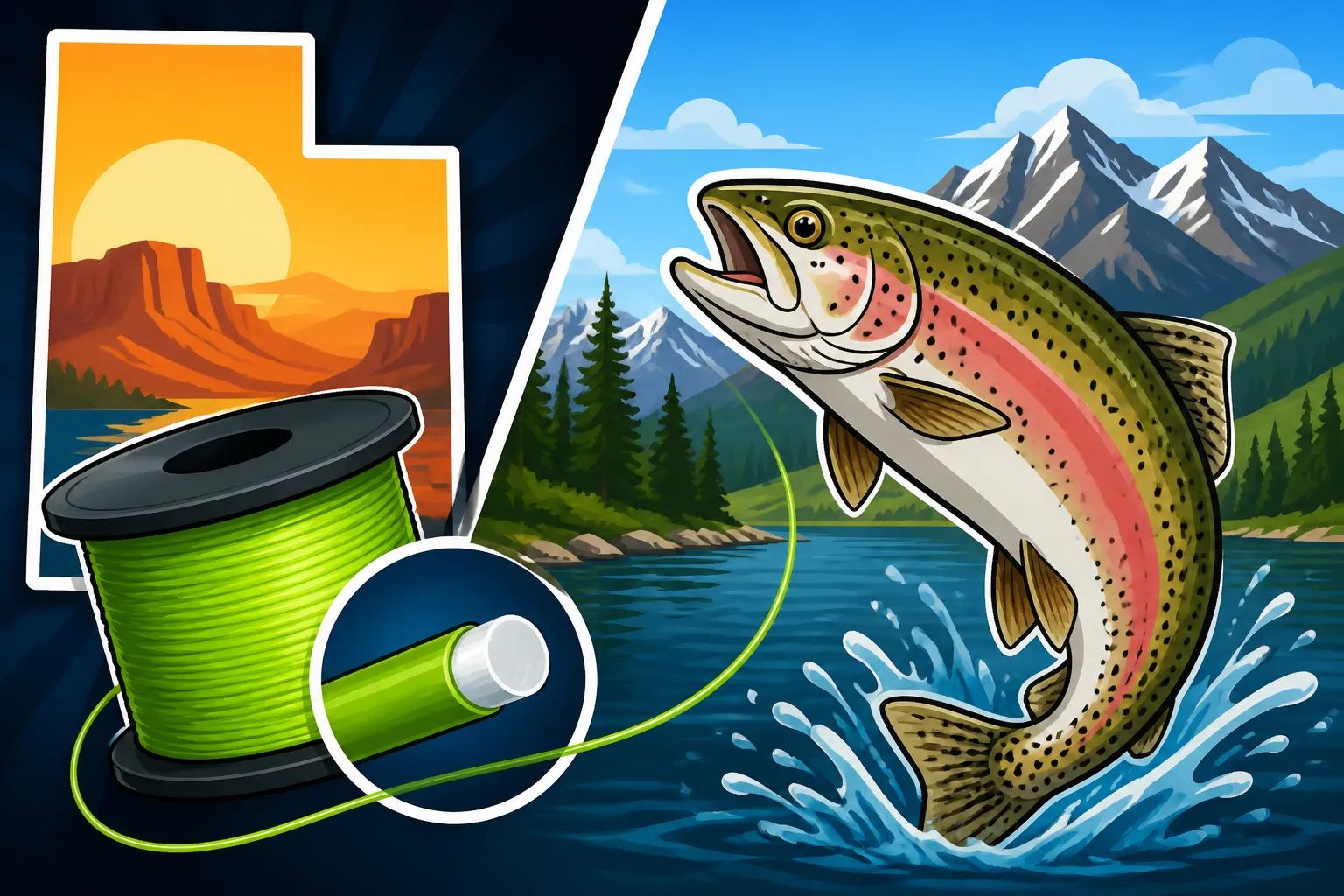
Figuring out the right fishing line for Utah's stocked trout can feel like a riddle sometimes. You want something strong enough to land a fish, but not so heavy that the trout get spooky and ignore your bait. It’s a common frustration, especially when you’re standing at a beautiful reservoir or a community pond, seeing fish jump but getting no bites. This guide is here to unravel the mystery and help you choose the best pound test line for consistently catching those eager, yet sometimes finicky, stocked trout across our diverse Utah waters.
Understanding Fishing Line Pound Test and Why It Matters for Trout
When we talk about "pound test" in fishing line, we're referring to the breaking strength of the line. A 4-pound test line, for example, is theoretically designed to withstand up to 4 pounds of pressure before it snaps. But it’s not just about brute strength; it’s a delicate balance that impacts everything from how far you can cast to how subtle your presentation is. For stocked trout, this balance is especially critical.
Stocked trout, while often less wary than their wild counterparts, can still be surprisingly selective. They've been raised in a hatchery environment and then introduced to new waters, which means they might be used to seeing feed drop from above, but also might be easily spooked by unnatural presentations. A heavy, highly visible line can be a huge deterrent, making your bait or lure look suspicious. On the flip side, too light a line means you're constantly risking break-offs, especially if you hook into a larger-than-average trout or get snagged. It’s about finding that sweet spot where your line is virtually invisible to the fish, allows for a natural presentation, yet still gives you the confidence to fight and land your catch.
The Trade-Off: Strength vs. Stealth
This is the eternal angler's dilemma, especially when targeting trout. Do you prioritize strength, hoping to muscle a fish out of cover, or do you go for stealth, trying to fool a wary fish with a near-invisible presentation? For stocked trout, especially in clear waters, stealth often wins the day. Think about fishing a pristine mountain lake or a crystal-clear reservoir; the trout there can see incredibly well. A thick, dark line stands out like a neon sign.
However, choosing a lighter line isn't without its challenges. You'll need to be more careful with your retrieve, set your drag precisely, and tie strong, reliable knots. The thrill of landing a good-sized trout on ultralight tackle is immense, but the heartbreak of a snapped line can quickly turn a great day sour. This is why understanding the environment you're fishing in and the typical size of the trout being stocked is so important. It helps you make an informed decision rather than just guessing.
How Line Diameter Plays a Role
It's not just the breaking strength that matters; the diameter of your fishing line is closely related and equally important. A 4-pound test fluorocarbon line might have a much smaller diameter than a 4-pound test monofilament line, for example. A smaller diameter line cuts through the water better, offers less resistance to currents, and is much less visible to the fish. It also allows for longer, smoother casts, which can be crucial when trying to reach those distant feeding lanes.
Thinner lines also mean you can spool more line onto your reel, giving you extra capacity if a larger fish decides to make a long run. However, thinner lines can be more prone to tangles, especially with certain types of knots, and can feel flimsy in the hands of a novice angler. It's a nuanced consideration, but definitely one that experienced trout anglers always keep in mind when selecting their spool.
Factors to Consider When Choosing Pound Test for Utah Stocked Trout
Utah offers a fantastic variety of fishing experiences, from high-alpine lakes to urban community ponds. The "best" pound test line isn't a one-size-fits-all answer; it changes based on where and how you're fishing.
Water Clarity and Conditions
This is often the biggest factor in determining your line choice. Utah boasts incredibly clear waters in many of its mountain reservoirs and streams, like those found up in the Uintas or sections of the Provo River. In these pristine conditions, trout can be incredibly line-shy.
- Crystal Clear Water: If you're fishing a lake where you can see the bottom several feet down, or a river with exceptionally clear flow, opt for the lightest line you can get away with. We're talking 2-pound to 4-pound test. This is where fluorocarbon leaders really shine, as their refractive index is very close to water, making them nearly invisible.
- Moderately Clear Water: Most of Utah's larger reservoirs, like Strawberry or Deer Creek, fall into this category. The water might have a slight tint, or you might be fishing at depths where visibility isn't as critical. Here, a 4-pound to 6-pound test monofilament or fluorocarbon main line often works wonderfully, offering a good balance.
- Murky or Stained Water: Community ponds, especially after heavy rains or when there's a lot of churn, can sometimes be quite murky. In these conditions, visibility is less of a concern for the fish, and you can comfortably bump up your line test without scaring them away. A 6-pound to 8-pound test line might be appropriate, especially if you're concerned about snags or catching larger panfish alongside the trout.
Size of Stocked Trout and Potential Holdovers
While "stocked trout" often brings to mind smaller, pan-sized fish, Utah's stocking programs can vary wildly. Some waters receive huge numbers of smaller trout, perfect for kids and beginners, while others are stocked with larger "trophy" sized fish. Many reservoirs also have impressive populations of "holdover" trout – fish that have survived for a year or more and grown considerably.
- Average Stocking Size: If you know the typical stocking size for a particular pond is 8-12 inch trout, a 4-pound test line is usually more than adequate.
- Larger Stocked Trout or Holdovers: If you're targeting waters known for larger stockers (14-18 inches) or have a good chance of hooking into a multi-pound holdover, you might feel more comfortable with a 6-pound test. This extra strength can be the difference between landing that big fish and watching it snap your line as it makes a strong run. Consider a place like Fish Lake, which has a reputation for some truly impressive trout, where an extra pound or two of line strength can provide peace of mind.
Type of Lure, Bait, or Fly
Your presentation method also influences line choice. Different baits and lures behave differently in the water, and your line needs to complement that.
- Light Baits (PowerBait, Worms, Corn): When using light baits, especially with a slip bobber or minimal weight, you want a line that allows the bait to drift naturally. Lighter monofilament (2-4 lb test) with its subtle stretch and buoyancy is often ideal here. The less the line interferes with the bait's natural movement, the better. How to Fish PowerBait for Stocked Trout is a great resource if you're looking to hone these techniques.
- Small Lures (Spinners, Spoons, Jigs): For small inline spinners (like Panther Martins or Mepps), tiny spoons, or micro jigs, a 4-pound to 6-pound test line is a versatile choice. It provides enough casting distance for these lightweight lures while still offering decent strength. You'll get good action from your lure without the line overpowering it. How to Rig a Jig for Utah Trout can offer more insights into jig fishing.
- Flies (with spinning gear): If you're using a bubble and a fly with spinning gear, you're essentially mimicking fly fishing. Again, a lighter, more subtle line (2-4 lb test) will ensure your fly has the most natural presentation possible, gently drifting in the current or suspending just right.
- Heavier Lures/Techniques: If you're casting larger spoons or crankbaits, or fishing in areas with dense vegetation, you might consider bumping up to 6-pound or even 8-pound test. This provides better casting control for heavier lures and more abrasion resistance if your line rubs against structure.
Cover and Structure in the Water
What's lurking beneath the surface? Rocks, submerged trees, weed beds – these are all potential hazards that can fray or snap your line.
- Open Water: If you're fishing wide-open stretches of a reservoir with a clean bottom, line abrasion isn't a huge concern. You can comfortably go lighter.
- Rocky Areas/Submerged Trees: Many of Utah's waters have rocky bottoms or submerged timber. If you know you'll be casting near these areas, or if you snag frequently, a line with good abrasion resistance is key. Fluorocarbon is excellent for this, even if used as a leader, but a slightly heavier monofilament (6-pound test) can also offer more durability than a super-light line. This is where a slightly thicker diameter line can be a real asset.
- Weed Beds: Fishing near weed beds can provide great cover for trout, but also pose a risk of snags. If the weeds are thick, a 6-pound test or even an 8-pound test monofilament might give you the extra oomph needed to pull a fish (and some weeds) free without snapping your line.
Recommended Pound Tests and Line Types for Utah Stocked Trout
Based on the factors above, here's a breakdown of common pound test recommendations and line types that shine for Utah's stocked trout.
2-4 Pound Test: The Finesse Choice
This is your go-to for ultralight setups, highly pressured waters, or incredibly clear conditions. It demands a delicate touch but often yields the most bites.
- When to Use:
- Extremely clear waters: Think high mountain lakes or pristine tailwaters where visibility is exceptional. Utah Fly-Fishing-Only Water Rules often imply such clear conditions where fine leaders are crucial.
- Finicky trout: Sometimes trout just aren't biting, and downgrading your line to 2-pound test can be the trick that makes them commit.
- Ultralight tackle: If you're using an ultralight rod and reel, this line test balances perfectly with your gear, allowing for delicate presentations and thrilling fights.
- Small baits/lures: When using tiny jigs, PowerBait worms, or single salmon eggs, this line provides the most natural drift and action.
- Pros: Maximum stealth, increased bites, long casting distance with light lures, exhilarating fight.
- Cons: Very prone to breaking if not careful, requires precise drag settings, less abrasion resistance, can be difficult for beginners to manage.
- Best Line Types: High-quality monofilament or fluorocarbon (especially as a leader).
4-6 Pound Test: The Versatile All-Rounder
If you're looking for a single pound test that will cover most of your stocked trout fishing in Utah, this is it. It's the workhorse that balances strength, stealth, and castability.
- When to Use:
- General stocked trout fishing: For most community ponds and larger reservoirs like Scofield, Jordanelle, or Deer Creek, a 4-6 pound test line is usually ideal.
- Variety of techniques: This range handles everything from PowerBait and worms to small spinners and spoons effectively.
- Beginner to intermediate anglers: It offers a good margin of error compared to ultralight lines, making it less frustrating for those still developing their angling skills.
- Mixed fish populations: If you expect to catch a range of fish sizes, from panfish to decent trout, this line can handle it.
- Pros: Good balance of strength and stealth, versatile for various baits and lures, decent casting distance, manageable for most anglers.
- Cons: Might still be too visible in extremely clear waters, or not quite strong enough for trophy-sized holdovers in heavy cover.
- Best Line Types: Monofilament, or a combination of braided mainline with a fluorocarbon leader. Best Fishing Line for Utah Trout delves deeper into these options.
6-8 Pound Test: For Confidence and Challenging Conditions
Sometimes you need a little more muscle, whether it's for bigger fish, tougher cover, or just personal preference.
- When to Use:
- Targeting larger holdovers: If you know a particular reservoir consistently kicks out trout in the 3-5 pound range or larger, this line provides the confidence to land them. Think trophy lakes like Fish Lake or even some of the deeper sections of Strawberry Reservoir.
- Heavy cover/structure: Fishing around submerged timber, thick weed beds, or rocky areas where abrasion is a concern.
- Beginners: For those just starting out, the extra strength can prevent frustrating break-offs and build confidence.
- Heavier lures/bait presentations: If you're casting larger spoons or using heavier sinkers for bottom fishing.
- Pros: Excellent strength, good abrasion resistance, less prone to breaking, provides confidence when fighting larger fish.
- Cons: More visible to fish, can reduce casting distance with lighter lures, can overpower smaller baits, may reduce strike rates in very clear water.
- Best Line Types: Monofilament (for its stretch and shock absorption), or a strong braided main line with a robust fluorocarbon leader.
Exploring Line Materials: Monofilament, Fluorocarbon, and Braided
The material your line is made of is just as important as its pound test. Each type has distinct characteristics that make it better suited for different situations.
Monofilament (Mono) Line
Monofilament is the classic choice and still incredibly popular for trout fishing due to its versatility and ease of use.
- Pros:
- Stretch: Mono has a good amount of stretch, which acts as a shock absorber. This is a huge advantage when a trout makes a sudden lunge, preventing hooks from tearing out or lines from snapping. It's also forgiving for beginners who might have a heavy hand when setting the hook.
- Knot Strength: It generally holds knots very well and is forgiving to tie.
- Cost-Effective: It's typically the most affordable line type, making it great for spooling up multiple reels or changing line frequently.
- Buoyancy: Mono floats, which can be an advantage when fishing topwater presentations or with bobbers, as it keeps your line off the bottom.
- Cons:
- Visibility: It's the most visible line type underwater, which can be a problem in clear water with wary trout.
- Memory: Mono tends to develop "memory," meaning it retains the coil shape from the spool, leading to tangles and reduced casting distance over time.
- UV Degradation: It degrades over time with exposure to UV light, requiring more frequent replacement.
- Best Use for Trout: Excellent as a main line for general-purpose spinning setups, especially with bait and smaller lures. It's forgiving for those learning How to Cast a Spinning Rod for the First Time.
Fluorocarbon (Fluoro) Line
Fluorocarbon burst onto the scene as a game-changer, prized for its nearly invisible properties.
- Pros:
- Near-Invisibility: This is its superpower. Fluorocarbon has a refractive index very similar to water, making it virtually invisible underwater. This is a massive advantage for line-shy trout in clear waters.
- Abrasion Resistance: It's much tougher and more resistant to nicks and scrapes from rocks and structure than monofilament.
- Sensitivity: Fluoro transmits vibrations better than mono, helping you detect subtle bites.
- Sinks: It sinks, which can be beneficial for getting lures and baits down deeper, faster, especially when fishing current.
- Cons:
- Stiffness/Memory: Can be stiffer than mono, especially in heavier pound tests, which can lead to more line memory and knot tying difficulties if not handled correctly.
- Knot Tying: Requires careful knot tying and often specific knots to avoid slippage.
- Cost: Generally more expensive than monofilament.
- Best Use for Trout: Ideal as a leader material attached to a braided or monofilament main line. It's also excellent as a main line in clear water, especially for finesse presentations.
Braided Line
Braided line offers incredible strength and sensitivity in a very thin diameter.
- Pros:
- Incredible Strength-to-Diameter Ratio: A 10-pound test braid can be as thin as a 2-pound test monofilament! This allows for much longer casts and spooling more line.
- Zero Stretch: Extremely sensitive, allowing you to feel every nibble and subtle movement.
- Durability: Very long-lasting and resistant to UV degradation.
- Cons:
- Visibility: Braided line is highly visible underwater. It's usually brightly colored or has a distinct texture, making it a huge turn-off for trout.
- No Stretch: While great for sensitivity, the lack of stretch means less forgiveness. A hard hook set or a sudden run can easily tear the hook out of a trout's delicate mouth or snap the line if your drag isn't set perfectly.
- Cost: Often the most expensive per spool.
- Abrasion: While strong, it can fray if rubbed against sharp objects.
- Best Use for Trout: Primarily as a main line, almost always paired with a fluorocarbon or monofilament leader. The leader provides the necessary invisibility and stretch. This setup is popular for its casting distance and sensitivity.
Here's a quick comparison table to help you decide:
| Line Type | Pros | Cons | Best for Stocked Trout |
|---|---|---|---|
| Monofilament | Stretch, good knot strength, affordable, floats | Visible, memory, UV degradation | Main line for general fishing, bait, and small lures. Good for beginners. |
| Fluorocarbon | Nearly invisible, abrasion resistant, sinks, sensitive | Stiffer, specific knot requirements, more expensive | Leaders in clear water, finesse presentations, or as a main line in very clear conditions. |
| Braided Line | High strength-to-diameter, no stretch, durable | Highly visible, no stretch (less forgiveness), can fray, expensive | Main line with a fluorocarbon leader for maximum casting distance and sensitivity. |
Practical Tips for Spooling and Using Your Line
Choosing the right line is only half the battle; knowing how to properly spool and maintain it ensures you get the most out of your setup.
Spooling Your Reel Correctly
A poorly spooled reel can lead to frustrating tangles, wind knots, and lost fishing time. Always make sure your line is spooled evenly and with the right tension. Most spinning reels have a small arrow or indicator to show which direction to turn the spool. If you're unsure, or if your line is twisting, try flipping the spool over. When using braided line, it’s a good idea to put a small amount of monofilament backing on your reel first. This prevents the braid from slipping on the bare arbor and gives the braid a surface to grip.
Don't overfill your spool; leave about an eighth of an inch from the lip of the spool. Overfilling leads to line spilling off prematurely, creating tangles. On the other hand, underfilling means reduced casting distance. When buying line, consider checking out options at a reliable retailer like Bass Pro Shops, where you might even get your reel professionally spooled, or finding a wide selection online through retailers like Amazon.
Tying Strong Knots
A knot is the weakest point in your fishing line, so mastering a few reliable knots is non-negotiable. For monofilament and fluorocarbon, the Improved Clinch Knot or the Palomar Knot are excellent choices for tying your line to lures, hooks, and swivels. If you're using a braided main line with a fluorocarbon leader, you'll need a good leader-to-main-line knot, such as the FG Knot or the Double Uni Knot. The strength of your pound test line is irrelevant if your knots fail. Learning How to Tie a Basic Fishing Knot for Trout Fishing is foundational for any angler.
Matching Line to Rod and Reel
Your fishing line should always complement your rod and reel setup. An ultralight rod designed for 2-4 pound test will perform poorly with 8-pound test line, and vice-versa. The manufacturer's recommended line weight is usually printed on the rod blank, typically just above the handle. Stick to this range for optimal performance. Similarly, your reel's drag system needs to be properly set for the line you're using. Too tight, and you'll snap your line. Too loose, and you'll never land a fish. For more guidance on gear, consider looking at Best Fishing Rods for Utah Anglers and Best Spinning Reels for Utah Trout Fishing.
Regularly Inspecting and Replacing Your Line
Fishing line doesn't last forever. Nicks, abrasions, and exposure to UV light or extreme temperatures can weaken it. After every fishing trip, run your fingers down the last few feet of your line, feeling for any rough spots or frays. If you find any, cut them off. It's a good practice to replace your monofilament line at least once a year, or more frequently if you fish often. Fluorocarbon lasts longer but still benefits from inspection. Braided line is the most durable but also needs occasional checks for fraying, especially where it connects to leaders. Keeping a fresh line on your spool significantly reduces the chance of losing a fish due to line failure.
Choosing the best pound test line for Utah's stocked trout involves a careful consideration of water clarity, fish size, fishing technique, and your own skill level. While a 4-6 pound test monofilament or fluorocarbon often serves as a fantastic all-around choice, don't be afraid to experiment with lighter or heavier options, or the versatility of a braid-to-fluoro leader setup, to match the conditions. The more you pay attention to these details, the more successful and enjoyable your Utah fishing adventures will be!
Disclaimer
This article is for general informational purposes only and does not constitute professional advice. Laws, prices and regulations vary by location and change over time. Consult a qualified professional for guidance on your specific situation.