Best Backpack for a Multi-Day Uinta Lakes Trip
If you've ever dreamed of escaping the daily grind for a few days of pure solitude, casting lines in pristine alpine lakes, the Uinta Mountains are calling your name. But let's be real, the thought of packing everything you need for a multi-day fishing trip into the backcountry can be daunting, often leading to overpacking, underpacking, or just plain misery from an uncomfortable load. This guide is all about helping you choose the best backpack to tackle those Uinta trails, ensuring your adventure is filled with joy, not aching shoulders or forgotten gear.
Why a Specialized Backpack is Crucial for Uinta Lakes Adventures
Heading into the high Uintas for a multi-day fishing expedition isn't like a casual day hike, and it's certainly not like car camping. The terrain is rugged, the weather can be unpredictable, and you're carrying everything you need to survive and thrive for days on end. Your backpack isn't just a sack for your stuff; it's a critical piece of your survival and enjoyment, and choosing the right one can make or break your trip.
Understanding the Unique Demands of High-Altitude Backcountry Fishing
When you venture into the Uinta high country, you're looking at significant elevation gains, often traversing rocky, uneven trails that can punish poorly designed gear. These lakes, some of the most stunning Best High-Altitude Lakes for Fishing in the Uinta Mountains, are typically several miles in, requiring you to be self-sufficient. You're not just carrying a tent and a sleeping bag; you're also bringing specialized fishing rods, reels, tackle boxes, waders, and maybe even a small float tube. All of this gear needs to be protected from the elements, easily accessible, and distributed comfortably across your back. The wrong pack can lead to chafing, back pain, and even equipment damage from inadequate protection or poor weight distribution. You need something built to withstand the elements and the rigors of the trail.
The Pitfalls of Using the Wrong Gear
Imagine reaching a breathtaking, remote lake after hours of hiking, only to find your sandwich crushed, your extra reel rattling loosely, or worse, your water filter soaked because your pack wasn't water-resistant. Or perhaps you've experienced the excruciating shoulder pain from straps that dig in, or a hip belt that offers no support. These aren't just minor inconveniences; they can derail a trip and turn a dream adventure into a grueling endurance test. A cheap, ill-fitting, or undersized backpack can cause hotspots, muscle strain, and leave you exhausted before you even wet a line. Moreover, inadequate compartments mean your fishing essentials get buried, leading to frustration when you need that specific fly or lure right now. For tips on what else to bring, check out our Utah Fishing Gear Guide.
Key Features to Look For in a Multi-Day Fishing Backpack
Okay, so we know a good backpack is essential. But what exactly makes a backpack good for a multi-day Uinta Lakes fishing trip? It boils down to a few core elements: how much it holds, how tough it is, how well it organizes your angling-specific items, and most importantly, how it feels on your back after hours on the trail.
Capacity and Weight Management
For a multi-day trip, especially in a place like the Uintas where you need to carry everything from shelter to food to fishing tackle, capacity is paramount. We're generally talking about packs in the 50-80 liter range. Too small, and you'll be strapping gear to the outside, which leads to imbalance and snags. Too large, and you might be tempted to overpack, leading to unnecessary weight.
Think about what you truly need for 3-5 days. This isn't just clothing and food. It's your lightweight tent, sleeping bag, sleeping pad, cooking system, water filtration, first-aid kit, and then all your fishing specific items: a breakdown rod in a sturdy case, a small fly box, extra leader and tippet, perhaps some tools, and maybe even a compact pair of wading boots. You'll also need space for any fish you decide to keep, so consider How to Store Fish on a Hot Day in Utah when planning your pack. A good pack will offer internal compression straps to cinch down your load, keeping it stable, and external straps for items you might need quickly or that are bulky, like a sleeping pad or even a compact float tube. Look for packs with a high weight capacity and a robust suspension system that can comfortably distribute 40-60 pounds of gear.
Durability and Weather Protection
The Uintas are stunning, but they can also be unforgiving. Afternoon thunderstorms are common, and sharp granite rocks can tear flimsy fabric. Your backpack needs to be made from tough, abrasion-resistant materials like high-denier nylon or ripstop fabrics. Reinforced stitching at stress points is a must. Beyond physical toughness, weather protection is non-negotiable. Many quality packs come with an integrated rain cover that can be deployed quickly, or at least have a water-resistant coating on the fabric. Some packs are made from fully waterproof materials, which offers the best protection, especially for electronics or delicate gear. Even with a rain cover, it's always a good idea to pack critical items like your sleeping bag, extra clothes, and any electronics in dry bags inside your backpack. You don't want a sudden downpour ruining your trip or your gear! Best Rain Gear for Utah Fishing Trips is also crucial for you personally.
Organization and Accessibility for Anglers
This is where a good hiking pack becomes a great fishing hiking pack. Traditional backpacking packs are designed for general camping gear. As an angler, you have unique needs. Look for:
- External Pockets: Large, stretchy pockets on the sides are perfect for water bottles or quickly stashing a wet rain jacket. Front pockets can hold maps, snacks, or a small first-aid kit.
- Hip Belt Pockets: These are invaluable for quick access to essentials like a small fly box, line nippers, a multitool, or even your phone for quick photos. No need to take off your pack every time you want to change a fly.
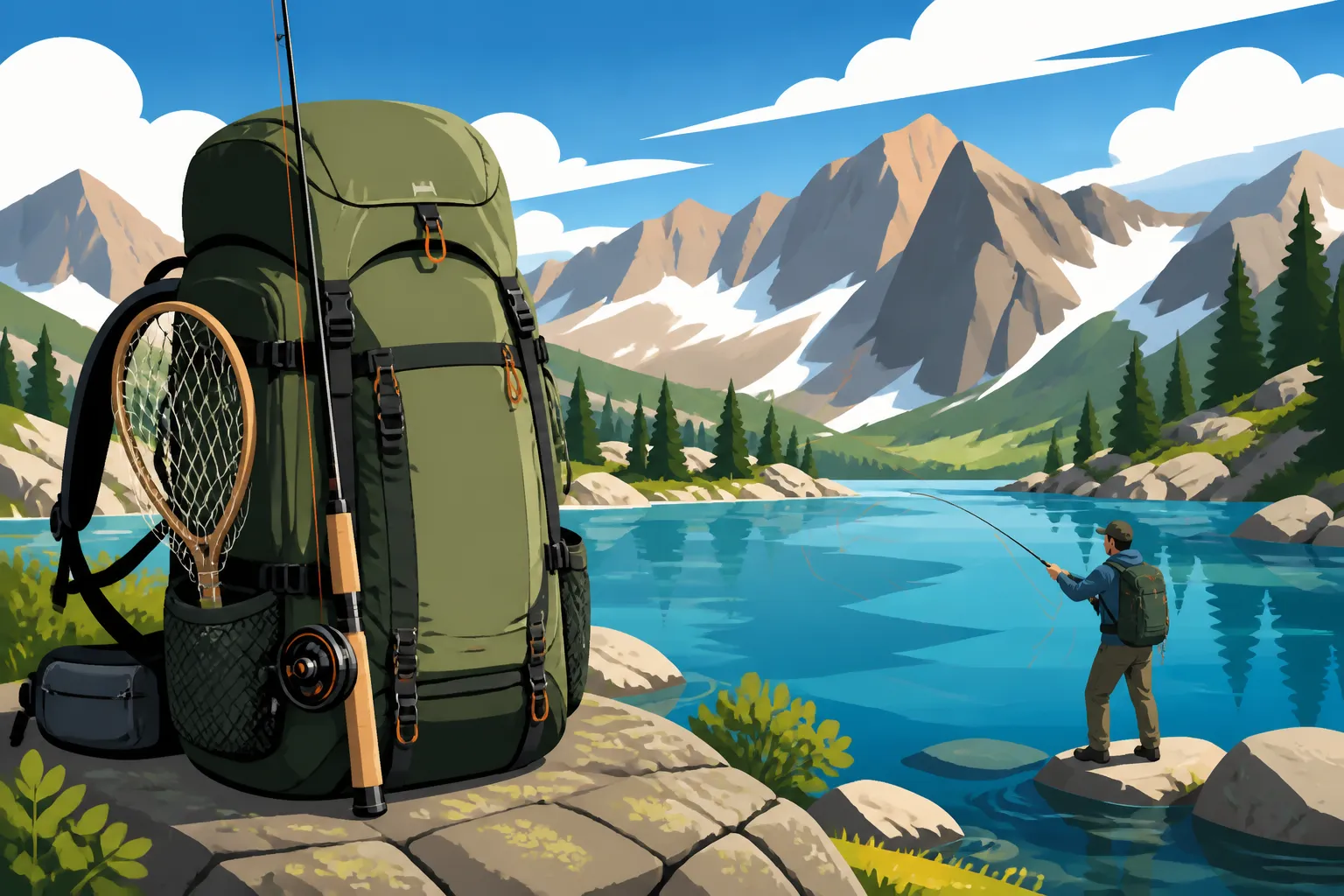
- Tool Attachment Points: D-rings, gear loops, and daisy chains allow you to clip on items like a net, small tackle pouches, or a water filter hose, keeping them secure yet within reach.
- Rod Holders: Some packs feature dedicated side pockets and compression straps specifically designed to secure a breakdown fishing rod tube, protecting it during the hike. This is far superior to strapping it precariously to the outside.
- Easy Main Compartment Access: Top-loading is standard, but some packs offer front or bottom access zippers, which can be a lifesaver when you need something that's not right on top without emptying half your pack.
Comfort for Long Hauls
Even the lightest pack can feel like a ton of bricks if it doesn't fit properly. Comfort is king, especially when you're covering Which Uinta Lakes Require a Hike to Reach?. A good backpack should feel like an extension of your body, not a burden.
- Adjustable Torso Length: This is crucial. Your pack needs to match the length of your torso, not just your height. Most quality packs offer adjustable systems to fine-tune this fit, transferring the load to your hips.
- Padded Hip Belt: The majority of your pack's weight (ideally 70-80%) should sit on your hips, not your shoulders. A thick, well-padded, and ergonomically shaped hip belt is vital. It should wrap comfortably around your iliac crest (hip bones) without digging in.
- Padded Shoulder Straps: While less weight should be on your shoulders, they still need to be comfortable. Look for wide, S-shaped, well-padded straps that don't chafe.
- Ventilated Back Panel: Mesh or suspended back panels create airflow, preventing that sweaty, clammy feeling on your back, which is a blessing on a strenuous hike.
- Load Lifter Straps: These small straps connect the top of the shoulder straps to the top of the pack. Adjusting them pulls the pack closer to your body, preventing it from sagging backward and improving balance.
Different Backpack Styles and When to Use Them
When you start looking at serious backpacking packs, you'll quickly encounter terms like "internal frame" and "external frame." Each has its pros and cons, and understanding the differences can help you decide which style is best suited for your Uinta adventures.
Internal vs. External Frame Backpacks
Internal Frame Backpacks:
These are by far the most common type of backpacking pack today. The frame, typically made of aluminum stays or a plastic sheet, is integrated within the pack's fabric. This design keeps the load close to your body, offering excellent stability, which is fantastic for scrambling over rocky terrain or navigating narrow trails in the Uintas. They tend to be sleeker, less prone to snagging on branches, and often have more sophisticated suspension systems for comfort.
- Pros: Better stability, more comfortable for technical terrain, sleeker profile.
- Cons: Less ventilation (though many newer designs improve this), often less external gear attachment flexibility than external frames, can feel hotter.
- Best for: Most Uinta Lakes trips, especially those involving off-trail travel, steep ascents, or any fishing spots where agility is key. Many popular brands like Osprey and Deuter specialize in internal frame designs you might find at Bass Pro Shops or on Amazon.
External Frame Backpacks:
These packs feature a rigid aluminum or composite frame that is outside the main pack bag. The bag and hip belt are attached to this frame. While less common for recreational backpacking these days, they still have a niche, especially for hauling very heavy or oddly shaped loads.
- Pros: Excellent ventilation due to the space between your back and the pack, superior ability to carry very heavy or bulky loads (like an inflatable kayak or a deer quarter), often have many external lashing points and pockets for organization.
- Cons: Can be cumbersome, prone to snagging, less stable on uneven terrain, heavier overall.
- Best for: Specific trips where you need to carry exceptionally large or heavy items (though this is less common for a pure fishing trip, unless you're packing in an unusual amount of bulky gear). For backpacking light to Uinta Mountains High Lakes Fishing, internal frames usually win out.
Hybrid Packs for Specialized Gear
Beyond the traditional internal and external frames, some manufacturers are creating hybrid designs or specialized packs that cater to specific activities like hunting or fishing. These might blend the stability of an internal frame with enhanced external lashing systems. For example, some hunting packs feature a dedicated "meat shelf" that can also serve as an excellent platform for strapping down a bulky dry bag containing waders or an oversized tackle box. Others might have built-in hydration sleeves that are easily accessible, or water bottle pockets designed to hold taller, narrower bottles often preferred by anglers. While these can sometimes be pricier, the specialized features can significantly enhance your experience. Exploring what's available at a store like Bass Pro Shops can give you a good idea of these specialized options.
Making Your Final Choice and Pre-Trip Prep
So, you've got an idea of what features matter. Now it's time to actually pick one out and get it ready for the trail. This isn't a decision to rush; a poorly chosen or improperly packed backpack can truly diminish your multi-day Uinta experience.
Testing and Fitting Your Backpack
This is arguably the most critical step. Don't just buy a pack online and assume it will fit. If possible, visit a reputable outdoor retailer.
- Get Measured: A good outfitter will measure your torso length and help you adjust the pack to your specific dimensions.
- Load It Up: Ask them to put weight in the pack – often sandbags or beanbags – typically 20-30 pounds. This is the only way to feel how the pack truly rides. Walk around the store, go up and down stairs if available. Pay attention to how the weight sits on your hips and shoulders, and check for any pressure points.
- Adjust Everything: Experiment with all the straps: shoulder straps, hip belt, sternum strap, and load lifters. A properly fitted pack will feel comfortable and balanced, even with significant weight.
- Consider Your Gear: Think about How to Pack Fishing Gear for a Backpacking Trip to Uinta Lakes. If you typically carry a lot of odd-shaped fishing gear, visualize how it will fit and if the pack has enough external attachment points.
- Read Reviews: Once you've narrowed down your choices, read online reviews, especially on sites like Amazon, focusing on what other multi-day backpackers and anglers say about durability, comfort on long trips, and specific features.
Smart Packing Strategies for the Uintas
Once you have your perfect pack, knowing how to load it efficiently is the next piece of the puzzle. Proper packing isn't just about fitting everything in; it's about balance, accessibility, and protecting your gear.
- Weight Distribution: Heavy items should be placed close to your back and between your shoulder blades. This keeps the center of gravity optimal and prevents the pack from pulling you backward. Think of it: your water reservoir, your heaviest food items, even a sturdy breakdown rod tube, should be snug against your spine.
- Volume Distribution: Lighter, bulky items like your sleeping bag or extra clothing can go at the bottom. Moderately heavy items, like your cooking gear or spare tackle, can fill the top.
- Accessibility: Items you'll need frequently (water bottle, snacks, map, rain gear, sunblock, small fly box, leader material) should be in external pockets, hip belt pockets, or the very top of the main compartment.
- Weather Protection: Use dry bags for anything that absolutely cannot get wet: sleeping bag, electronics, extra layers. Even if your pack is water-resistant, a secondary layer of protection is cheap insurance against the unpredictable Uinta weather.
- Compression: Cinch down all internal and external compression straps to keep the load stable and prevent it from shifting while you hike. A shifting load is an uncomfortable load.
- Pre-Trip Shakedown: Before your big Uinta adventure, do a test pack and a shorter, fully loaded hike around your local area. This will help you identify any issues with fit or packing strategy before you're miles into the wilderness. You'll thank yourself for taking this extra step!
By investing in the right backpack and learning to pack it wisely, you're setting yourself up for an incredible, comfortable, and memorable multi-day fishing trip into the majestic Uinta Mountains.
Disclaimer
This article is for general informational purposes only and does not constitute professional advice. Laws, prices and regulations vary by location and change over time. Consult a qualified professional for guidance on your specific situation.