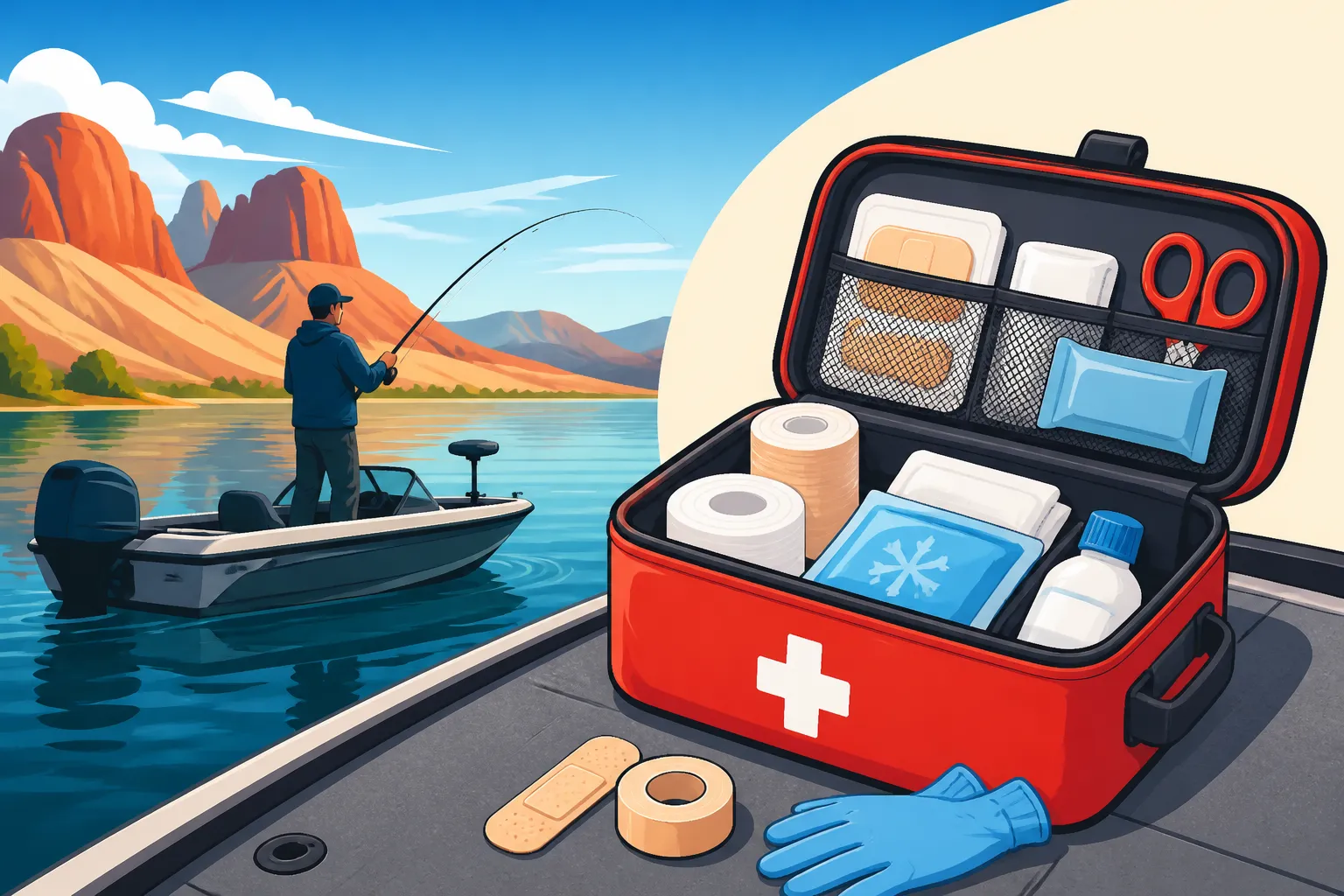
First Aid Items for a Utah Boat’s Kit
When you're out on the sparkling waters of a Utah lake or reservoir, the last thing anyone wants to think about is an emergency. Yet, those beautiful, often remote fishing spots can turn a minor mishap into a major problem if you're not prepared. A simple fish hook in the finger, a nasty cut from a sharp rock, or even a sudden bout of motion sickness can quickly ruin a perfect day. This guide isn't about scaring you; it's about empowering you to keep yourself and your loved ones safe by assembling an essential first aid kit for your boat, ensuring peace of mind on every Utah fishing adventure.
Why a Dedicated Boat First Aid Kit Isn't Just a "Good Idea" in Utah
You might be thinking, "Oh, I have a first aid kit in my car," or "I'm just going out for a few hours, what could happen?" But out on the water, especially in a state like Utah with vast, expansive bodies of water and often rugged terrain surrounding them, the rules are a little different. Emergency services, while incredible, can take a significant amount of time to reach you, especially if you're exploring the more remote coves of Lake Powell Fishing Guide or the far reaches of Flaming Gorge. That's why having a specific, well-stocked first aid kit right there on your boat is absolutely non-negotiable.
The Realities of Remote Waters
Imagine you're deep within a canyon on Lake Powell, hours away from the nearest marina. The sun is blazing, the fishing is hot, and then someone slips on a wet deck, or a treble hook gets embedded a little deeper than a simple tug can fix. In these moments, every minute counts. Your car kit is likely miles away at the launch ramp, and even a cell signal might be spotty. The vastness of Utah's major fisheries means that help isn't always a quick radio call away. Being self-sufficient for those critical initial minutes, or even hours, can make all the difference in preventing a minor injury from escalating into something far more serious. It's about taking personal responsibility for your crew's well-being when you're the captain.
Common On-Water Mishaps
Beyond the dramatic scenarios, think about the everyday annoyances and minor injuries that can happen: severe sunburn on a cloudless summer day, dehydration, an allergic reaction to a bee sting near the shore, or even just a persistent headache from the glare and sun. Fishing itself presents unique hazards, from stray hooks flying around to sharp fins on a feisty catch. Plus, boating often involves slippery surfaces, moving parts, and unexpected bumps. These aren't just "ouch" moments; they can be debilitating if not addressed promptly. A well-stocked kit ensures you can handle these common issues, keeping spirits high and the fishing trip on track. When you're packing your Utah Fishing Gear Guide, don't let the first aid kit be an afterthought.
Essential Core Supplies for Any Utah Boating First Aid Kit
Building your boat's first aid kit doesn't have to be overwhelming. Think of it in layers, starting with the absolute basics that everyone needs. You can buy pre-assembled marine first aid kits, often available at places like Bass Pro Shops or through online retailers like Amazon, which are a fantastic starting point. But even with those, it’s a good idea to customize and replenish certain items.
Basic Wound Care: Cuts, Scrapes, and Hooks
This section is for the inevitable cuts, scrapes, and yes, the dreaded fish hook incident. You'll want a variety of items to clean, cover, and protect wounds to prevent infection and promote healing while you're still on the water.
- Adhesive Bandages (various sizes): From small finger cuts to larger scrapes on a knee, having a range of sizes is key. Get waterproof ones if possible; they'll hold up better on a boat.
- Sterile Gauze Pads and Rolls: For more significant bleeding or larger abrasions that need more coverage than a simple bandage. These can be used with medical tape to create a secure dressing.
- Antiseptic Wipes or Solution: Individually wrapped antiseptic wipes (like BZK or alcohol pads) are great for cleaning wounds before bandaging. A small bottle of antiseptic solution can be useful too.
- Antibiotic Ointment: To apply to minor cuts and scrapes to help prevent infection.
- Medical Tape: Essential for securing gauze, wraps, or even reinforcing a bandage that's getting wet.
- Sterile Gloves: Always a good idea to wear these when treating someone else's wound to protect both parties from potential contamination.
- Roller Bandages: For sprains or to apply compression to a bleeding wound.
- Trauma Shears: These heavy-duty scissors can cut through clothing, seatbelts, or even fishing line if someone is tangled. They're much safer than regular scissors in an emergency.
Whether it's a small cut from handling a slippery walleye or a nasty scrape from the anchor chain, having these items readily available will make a huge difference.
Pain Relief, Allergies, and Common Ailments
Sometimes it's not a visible injury but an internal discomfort that can derail a trip. This category covers those common health issues.
- Over-the-Counter Pain Relievers: Ibuprofen (Advil, Motrin) or acetaminophen (Tylenol) for headaches, minor aches, or muscle strains. The sun and physical activity on a boat can really take their toll.
- Antihistamines: Non-drowsy options for allergic reactions to bug bites, plant contact, or unexpected pollen. If anyone on board has known severe allergies, ensure their prescribed epinephrine auto-injector is accessible and they know where it is.
- Anti-Diarrhea Medication: Because, well, when you gotta go, you gotta go, and if it's not going well, it can make a boat trip miserable.
- Motion Sickness Medication: If anyone is prone to seasickness, even on large, calm reservoirs, having this on hand can be a trip saver. Take it before symptoms start!
- Antacid Tablets: For indigestion or heartburn that can strike after a shore lunch or an evening meal.
Crucial Tools and Miscellaneous Items
A few extra tools can really elevate the utility of your first aid kit, allowing you to handle a wider range of situations.
- Tweezers: Absolutely critical for removing splinters, thorns, or small embedded fish hooks. A good pair makes all the difference.
- Small Flashlight or Headlamp: For inspecting wounds in low light conditions, or if an emergency occurs after dark. This is also useful for general boat maintenance. Consider a Best Headlamp for Early Morning Utah Fishing.
- CPR Mask (pocket mask): Provides a barrier during CPR, offering protection for the rescuer.
- Instant Cold Packs: For sprains, strains, or bumps to reduce swelling and pain without needing ice.
- Emergency Whistle: Part of your Boat Safety Equipment Required in Utah, but also useful for signaling for help if someone falls overboard or you need to get attention.
- Small Mirror: For checking hard-to-see areas or removing debris from an eye.
Remember, the goal is to stabilize and treat until you can get to professional medical attention if needed. This core kit forms the foundation for that capability.
Situational Additions: Customizing Your Kit for Utah's Unique Challenges
Utah's diverse landscape means fishing conditions can vary wildly, from scorching desert lakes to frigid mountain reservoirs. Your first aid kit should reflect these potential environmental challenges. Think about where and when you typically fish.
Battling Sun and Heat
Utah summers are glorious but intense. The high elevation and clear skies mean the sun's rays are powerful, and dehydration is a constant threat, especially on wide-open water.
- High-SPF Sunscreen: Crucial for preventing sunburn. Even on cloudy days, UV rays penetrate. Reapply frequently, especially after swimming or heavy sweating.
- Aloe Vera Gel: For soothing inevitable sunburns, no matter how careful you try to be. It provides instant relief and can help prevent peeling.
- Electrolyte Packets or Rehydration Salts: Mix these with water to quickly replenish lost electrolytes due to sweating or dehydration. This is especially vital when fishing southern Utah's hotter waters or during prolonged exposure. Heat exhaustion can sneak up on you, and these can be a lifesaver.
- Wide-Brimmed Hats and UV-Protective Clothing: While not in the kit, these are preventative measures that complement your kit's contents by reducing the need for sun-related first aid.
Staying hydrated and protected from the sun is paramount for an enjoyable and safe day on Utah's waters. Just as you might keep Best Coolers for Keeping Utah Fish Fresh, consider a smaller, insulated bag for medications that are sensitive to extreme heat.
Cold Weather and Hypothermia Prevention
Even in summer, evenings on high-altitude lakes like Strawberry Reservoir or a sudden storm can bring chilling temperatures. And of course, winter ice fishing demands specific precautions.
- Mylar Emergency Blankets: These compact, lightweight blankets reflect body heat and are incredibly effective at preventing or treating hypothermia. They should be in every boat's kit, regardless of the season, as conditions can change rapidly.
- Hand Warmers and Foot Warmers: Small, chemical-activated packets that provide hours of warmth. Essential for ice fishing or chilly spring and fall days on the water. Check out tips for How to Stay Warm Ice Fishing in Utah for more ideas.
- Extra Layers of Dry Clothing (stored in a waterproof bag): While not technically part of the first aid kit, having a dry set of base layers or a warm fleece on board can be critical if someone gets wet and the temperature drops. Hypothermia is a serious risk.
Being prepared for sudden cold snaps can mean the difference between a minor inconvenience and a medical emergency.
Addressing Specific Utah Hazards
Depending on your specific fishing spot, a few additional items might be prudent.
- Specialized Fish Hook Remover: For deeply embedded hooks, especially those barb-first incidents. These tools can make removal much easier and less traumatic than pliers. A Multi-Tool Every Angler Should Carry might have some features, but a dedicated hook remover is best.
- Insect Repellent: Mosquitos and biting flies can be prevalent in certain areas, particularly near marshes or during dawn/dusk. Preventing bites reduces the risk of allergic reactions and discomfort.
- Snake Bite Kit (suction type): While incredibly rare on the water, if you're frequently docking on rocky, brushy shorelines in warmer regions (especially in southern Utah), a non-incisive snake bite kit could offer peace of mind. Remember, these are meant to be used after calling for emergency help.
Tailoring your kit to your specific adventures will enhance your safety profile immensely.
Maintaining Your Boat's First Aid Kit for Readiness
Having a first aid kit is only half the battle; keeping it stocked, accessible, and in good condition is the other. A neglected kit is almost as bad as no kit at all.
The Importance of Regular Checks and Replenishment
Life happens, and fishing trips are no exception. Band-Aids get used, ointments expire, and batteries in that flashlight slowly drain. Don't wait until an emergency to discover your kit is incomplete or unusable.
- Check Expiration Dates: Many items, especially medications and antiseptic wipes, have expiration dates. Go through your kit at least once a year, preferably at the beginning of the boating season, and replace anything that's expired. Old medications can be ineffective or even harmful.
- Restock Used Items: If you use a bandage or some pain reliever, make a note of it and replace it as soon as you get home. It’s easy to forget, so consider keeping a small checklist inside your kit or setting a reminder.
- Inspect Packaging: Ensure all sterile items are still sealed and intact. Damaged packaging compromises sterility. Check that ointments haven't dried out and liquids haven't leaked.
- Battery Check: If your kit contains a flashlight or thermometer, check and replace batteries periodically. Always carry spare batteries for critical items.
- Review Your Needs: Did you find yourself wishing you had something on your last trip? Add it! Your kit should evolve with your experiences. This is also a good time to review your other Utah Fishing Gear Guide items and ensure they're ready.
Optimal Storage and Accessibility
Where and how you store your kit is just as important as what's inside it.
- Waterproof Container: Your first aid kit must be stored in a sturdy, waterproof container. A Pelican case or a marine-specific dry bag is ideal. This protects the contents from splashes, rain, and humidity.
- Easily Accessible Location: Don't bury your kit at the bottom of a gear locker. It should be in a clearly marked, easily accessible spot that everyone on board knows about. Think under the helm, in a visible storage compartment, or attached to a rail. In an emergency, you won't have time to search.
- Protected from Extreme Temperatures: While the kit is waterproof, try to store it in a location that avoids prolonged exposure to extreme heat (like direct sunlight on a black box) or freezing cold, which can degrade medications and other supplies.
- Visible Labeling: Use a bright, contrasting label that clearly states "FIRST AID" in large letters. You don't want any confusion in a stressful situation.
Basic First Aid Knowledge for the Crew
A well-stocked kit is useless if no one knows how to use its contents. Encourage anyone who regularly boats with you to have some basic first aid knowledge.
- CPR and Basic First Aid Course: Consider taking a Red Cross or similar first aid and CPR course. Knowing how to perform CPR, control serious bleeding, or treat for shock can be life-saving. Even a simple online refresher can boost confidence.
- Review Contents: Take a few minutes to review the contents of your kit with your regular boating companions. Show them where everything is and what it's for. This empowers everyone on board to act if you're incapacitated.
- Emergency Contact Information: Keep a laminated card with important phone numbers (emergency services, boat insurance, family contacts) inside the kit.
By taking these steps, you're not just buying a box of supplies; you're investing in the safety and well-being of everyone who joins you on your Utah fishing expeditions.
| Category | Essential Item | Purpose | Considerations for Utah Boating |
|---|---|---|---|
| Wound Care | Adhesive Bandages (assorted) | Minor cuts, blisters | Waterproof preferred for marine environment |
| Sterile Gauze Pads & Medical Tape | Larger cuts, abrasions, applying pressure | Secure dressings against movement | |
| Antiseptic Wipes/Solution | Cleaning wounds to prevent infection | Individually wrapped for sterility | |
| Antibiotic Ointment | Aids healing, prevents infection in minor wounds | Small tubes are easy to store | |
| Trauma Shears / Scissors | Cutting clothing, fishing line, bandages | Heavy-duty, safe to use in emergency | |
| Pain & Ailments | Pain Relievers (Ibuprofen/Acetaminophen) | Headaches, muscle aches, minor pains | Consider non-drowsy options if driving/operating boat |
| Antihistamines | Allergic reactions, bug bites | Carry prescribed Epipen if needed | |
| Motion Sickness Medication | Nausea from boat movement | Take proactively before symptoms start | |
| Tools & Misc. | Tweezers | Removing splinters, ticks, small hooks | Fine-tipped for precision |
| CPR Mask | Barrier for rescue breaths | Small, foldable pocket mask is ideal | |
| Instant Cold Packs | Sprains, strains, bumps | Single-use, activates on squeezing | |
| Mylar Emergency Blanket | Hypothermia prevention, warmth in emergencies | Compact, reflects body heat | |
| Situational Additions | Sunscreen (high SPF) | Prevent sunburn, skin damage | Reapply frequently, especially after water contact |
| Aloe Vera Gel | Soothing sunburns | Provides instant relief | |
| Electrolyte Packets | Rehydration, preventing heat exhaustion | Crucial for hot weather and active days | |
| Fish Hook Remover | Safely extracting deeply embedded hooks | Reduces tissue damage compared to pliers | |
| Insect Repellent | Prevent bug bites | Especially in marshy areas or dawn/dusk |
Disclaimer
This article is for general informational purposes only and does not constitute professional advice. Laws, prices and regulations vary by location and change over time. Consult a qualified professional for guidance on your specific situation.