Best Rain Jacket for a Utah Spring Fishing Trip
Oh, the joy and absolute frustration of a Utah spring fishing trip! One minute you're basking in warm sunshine, gently casting your line, and the next, a rogue storm rolls in over the mountains, drenching you to the bone and turning what should be a peaceful outing into a shivering misery. It's a tale as old as time for anglers here. This guide is all about helping you conquer that unpredictable spring weather by choosing the absolute best rain jacket, ensuring you stay dry, comfortable, and focused on landing that trophy catch, no matter what Mother Nature throws your way.
The Unpredictable Nature of Utah Spring Weather for Anglers
Spring in Utah is a beautiful, albeit temperamental, season. One day can feel like summer, with temperatures soaring into the 70s, making you question why you even brought a jacket. The next day, a cold front might sweep through, dropping temperatures into the 40s with a mix of rain, hail, and even late-season snow flurries. This kind of volatility is par for the course, especially if you're venturing into higher elevations or fishing open reservoirs where the wind can pick up quickly and change conditions in an instant.
Sudden Temperature Swings and Precipitation
Imagine starting your morning on the Provo River, where the air is crisp, but the sun promises a beautiful day. You're bundled in a fleece, but by noon, a dark cloud appears seemingly out of nowhere, and suddenly, you're caught in a downpour. This isn't just an inconvenience; it can be genuinely dangerous if you're not prepared. Hypothermia is a real concern when your core temperature drops, especially if your clothes get wet and the wind starts to blow. A flimsy, water-resistant shell simply won't cut it when the skies truly open up over a place like Strawberry Reservoir or a remote Uinta high lake. You need something that can handle sustained precipitation and help you maintain your warmth.
Wind Chill and Its Impact on Comfort
Beyond the direct rain, spring in Utah often brings significant wind, especially on larger bodies of water. Think about fishing Willard Bay or Deer Creek Reservoir when a cold front moves through. That biting wind, combined with any moisture, can penetrate even seemingly warm layers, making you feel much colder than the actual air temperature suggests. A high-quality rain jacket acts as a crucial wind barrier, preventing that chill from stripping away your body heat. Without it, even a light drizzle can turn into a chilling experience when the gusts start whistling around you, making it impossible to concentrate on your line or enjoy the scenery. How Wind Affects Fishing on Utah Reservoirs is a critical read for understanding this challenge.
Staying Focused on the Fish, Not the Forecast
Ultimately, a truly effective rain jacket isn't just about avoiding a cold shower; it's about extending your time on the water and enhancing your overall experience. When you're constantly distracted by being cold, wet, or uncomfortable, your focus shifts from the subtle tug of a trout to the immediate need for shelter. This means missing bites, tying knots poorly with numb fingers, and generally having a less enjoyable time. A good jacket allows you to shrug off the weather, maintain your dexterity, and keep your attention where it belongs: on the fishing. It’s an investment in your comfort and, frankly, in your success as an angler, allowing you to stay out longer and fish more effectively through those changeable spring days.
Essential Features for a Top-Notch Utah Spring Fishing Rain Jacket
When you're out there tackling Utah's waters in the spring, your rain jacket isn't just another piece of clothing; it's a vital piece of survival gear. You need it to perform, plain and simple. Understanding what truly makes a rain jacket effective for fishing means looking beyond just "waterproof" and delving into the details that separate a soggy disappointment from a comfortable shield against the elements.
Uncompromising Waterproofing and Breathability
The cornerstone of any good rain jacket is its ability to keep water out, period. Look for jackets with a high hydrostatic head rating, which indicates how much water pressure the fabric can withstand before leaking. Materials like Gore-Tex, Pertex Shield, or proprietary waterproof-breathable membranes are excellent choices. But here's the kicker: it also needs to be breathable. There's nothing worse than being dry on the outside but soaked from sweat on the inside because your jacket doesn't allow moisture vapor to escape. Especially when you're hiking to a remote stream or vigorously casting, you'll generate heat and sweat. A good breathability rating, often measured in MVTR (Moisture Vapor Transmission Rate), ensures that sweat can escape, keeping you from feeling clammy and cold. Always check for fully taped seams too; even the most waterproof fabric will leak if the seams aren't sealed against water penetration.
Durability and Material Construction
Fishing can be tough on gear. You're brushing against willows on riverbanks, leaning on rough boat railings, and sometimes even dealing with hooks getting snagged. Your rain jacket needs to stand up to this abuse. Look for fabrics that are tear-resistant and abrasion-resistant, often indicated by a denier (D) rating. A higher denier means a tougher fabric. While a super lightweight jacket might be appealing for packing, a slightly heavier, more robust fabric will offer better longevity in a fishing context. Think about where you'll be fishing – if it's thick brush on the banks of the Bear River or scrambling over rocks to reach Uinta Mountains High Lakes Fishing spots, durability is paramount. Many quality fishing-specific jackets will have reinforced shoulders and elbows to withstand the wear and tear of carrying a pack or casting.
Fishing-Specific Design Elements
This is where a general hiking rain jacket often falls short for anglers. Dedicated fishing rain jackets incorporate features that make a real difference on the water.
- Pockets: You need secure, waterproof pockets that are easily accessible, even with waders or a life jacket on. Internal pockets are great for keeping your phone, car keys, and Utah Fishing License Online Purchase Process proof completely dry. External pockets should have waterproof zippers or storm flaps to prevent water ingress.
- Cuffs: Adjustable cuffs, often with Velcro closures or internal gaskets, are crucial for keeping water from running down your arms when you're casting, netting a fish, or reaching into the water. This also helps seal in warmth.
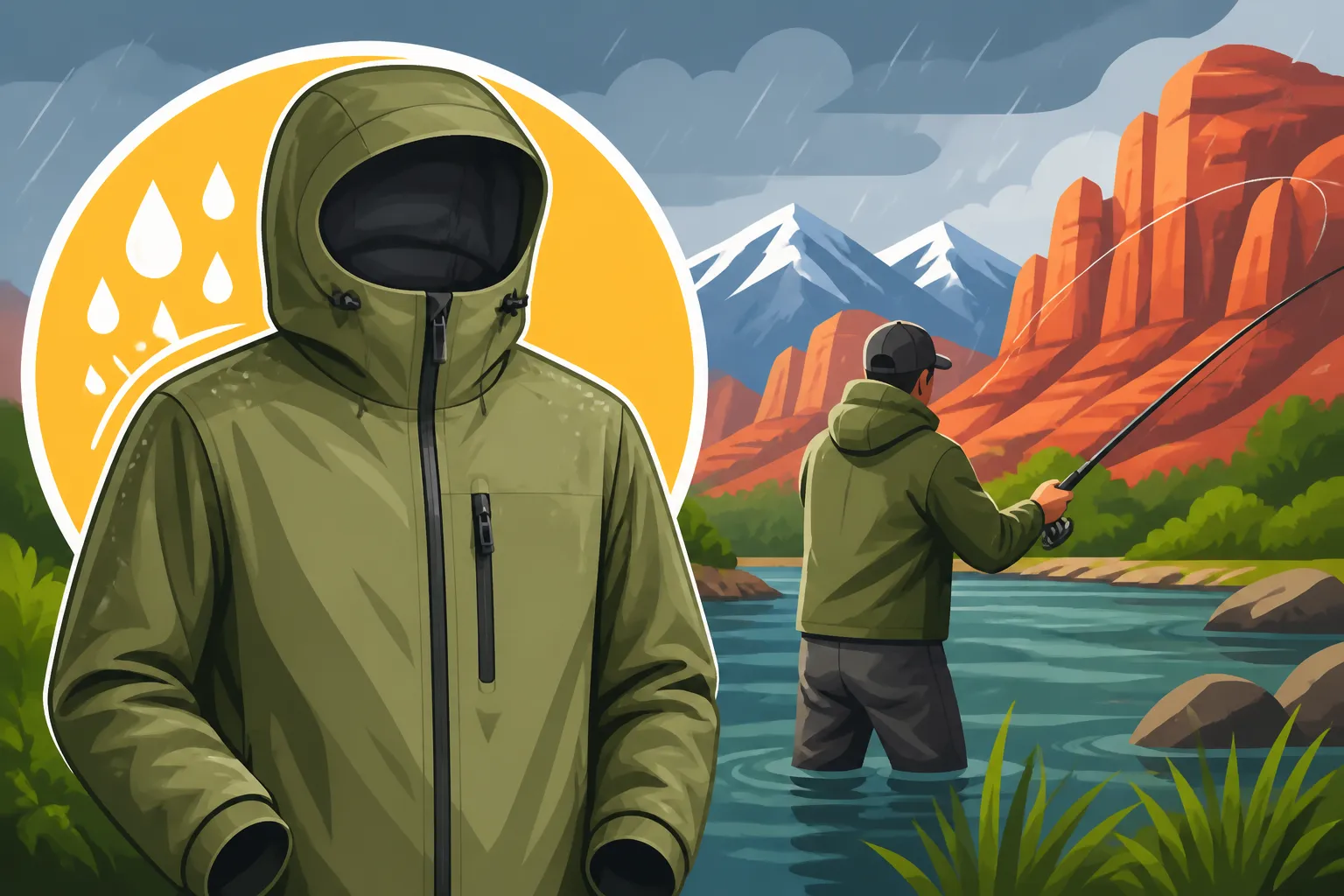
- Hood: A well-designed hood is essential. It should be adjustable enough to cinch down snugly, providing full head coverage without obstructing your peripheral vision. It should also be large enough to accommodate a hat or beanie underneath. Some high-end jackets feature stiffened brims to keep rain off your face and sunglasses.
- Zippers: All main zippers should be waterproof or have robust storm flaps to prevent leaks. Two-way zippers can be incredibly convenient for ventilation or accessing inner layers without fully unzipping the jacket.
- Length: A slightly longer cut in the back can be beneficial, especially when sitting in a boat or on a cold, wet bank, offering extra coverage.
When browsing options, whether at a local sporting goods store like Bass Pro Shops or online through Amazon, pay close attention to these small but mighty details. They are often what truly elevate a jacket from "okay" to "essential" for serious anglers.
Fit and Layering Compatibility
The best rain jacket fits well over your existing layers without being overly baggy or restrictive. Remember, spring fishing in Utah often means layering: a base layer, a mid-layer (like a fleece or puffy), and then your rain jacket as the outer shell. You need enough room for these layers to fit comfortably without compressing them, which would reduce their insulating properties. However, too loose, and the jacket can flap in the wind, creating drag and making you feel colder. Look for articulated sleeves and shoulders that allow for a full range of motion, critical for comfortable casting. Adjustable drawcords at the hem and waist can also help customize the fit and seal out drafts. This layering strategy is also important when considering How to Layer Clothing for a Utah Winter Fishing Trip even if spring is milder, the principle of trapping warm air applies.
Types of Rain Jackets Best Suited for Utah Spring Fishing
The world of rain jackets is diverse, and what works for a quick run to the mailbox isn't going to cut it when you're battling elements on a Utah lake or river. For spring fishing, you'll generally encounter a few main types, each with its own advantages and ideal scenarios. Choosing the right one depends on your fishing style, the specific conditions you anticipate, and your personal comfort preferences.
Lightweight Shell Jackets: The Versatile Choice
These are perhaps the most popular choice for active anglers and for the variable conditions of a Utah spring. Lightweight shell jackets are designed to be highly waterproof and breathable, typically made with 2.5-layer or 3-layer laminated fabrics like Gore-Tex Paclite or similar proprietary membranes. Their main advantage is their packability; they can be compressed into a small space, making them ideal for stashing in a backpack for a day trip to the Green River below Flaming Gorge or a hike into the Uintas.
The beauty of a lightweight shell is its versatility in layering. On a mild, rainy day, you might wear it directly over a thin base layer. When temperatures drop, you can easily layer a warm fleece or even a light insulated vest underneath. This adaptability makes them perfect for Utah's mercurial spring weather, where conditions can shift from chilly to warm and back again within hours. They often feature minimalist designs to reduce weight, but good fishing-specific models will still include critical features like waterproof pockets and adjustable cuffs. They excel when you're on the move, fishing from shore, wading, or using a kayak, where bulk and weight are a concern.
Insulated Rain Jackets: For Colder, Wetter Days
When the forecast for your spring fishing trip looks decidedly chilly and wet – perhaps an early spring storm hitting the higher elevations like Fish Lake or Panguitch Lake – an insulated rain jacket can be a game-changer. These jackets combine a waterproof-breathable outer shell with an insulating layer, often synthetic fill like PrimaLoft or similar materials. This integration means you have warmth and weather protection in one garment, reducing the need for multiple bulky layers.
The primary benefit is superior warmth retention in cold, wet conditions. You don't have to worry about your insulation getting soaked and losing its effectiveness, as it's protected by the waterproof outer shell. However, they are typically bulkier and heavier than shell jackets, making them less suitable for mild days or high-exertion activities where you might overheat. They're excellent for stationary fishing from a boat, ice fishing at the very tail end of the season (when the ice is still safe, of course), or those truly miserable, cold rain events where you need maximum protection. Just remember that if the day warms up, you might find yourself a bit too toasty, and they can be harder to pack away.
Ponchos and Minimalist Rain Gear: Emergency Options
While not a primary recommendation for dedicated fishing trips, it's worth mentioning ponchos and other minimalist rain gear as emergency or ultra-budget options. A simple rain poncho, usually made of PVC or coated nylon, offers basic waterproof protection and can be incredibly packable and inexpensive. They're great to throw in your pack as a "just in case" item for a short, unexpected shower or a backup plan.
However, ponchos have significant drawbacks for active fishing. They typically lack breathability, leading to condensation and clamminess inside. Their loose fit makes them terrible in windy conditions, often flapping wildly and hindering casting. They also offer limited durability and rarely have fishing-specific features like secure pockets. Similarly, very minimalist rain shells might offer some protection but often sacrifice durability and essential features for weight savings. For serious spring fishing in Utah, these are generally best reserved for true emergencies or very short, non-strenuous outings in light rain. For more robust needs, investing in a proper jacket from a reputable outdoor brand available at retailers like Bass Pro Shops or through online options on Amazon is always the smarter move.
Caring for Your Fishing Rain Jacket: Longevity and Performance
You've invested in a great rain jacket to keep you dry and comfortable during those unpredictable Utah spring fishing trips. But like any piece of specialized gear, its performance and lifespan largely depend on how well you care for it. Neglecting your jacket can lead to diminished waterproofing, reduced breathability, and premature wear, leaving you wet and frustrated when you least expect it. Proper care isn't just about making it last; it's about ensuring it performs optimally every time you hit the water.
Cleaning and Re-waterproofing
Over time, dirt, sweat, insect repellent, and fish slime can clog the pores of your jacket's waterproof-breathable membrane, reducing its breathability and making the DWR (Durable Water Repellent) coating less effective. This often leads to "wetting out," where the outer fabric absorbs water instead of beading it up, making you feel cold and damp even if the membrane itself isn't leaking.
Regular cleaning is crucial. Always follow the manufacturer's instructions, but generally, this involves washing with a technical cleaner designed for waterproof fabrics (never use regular detergents, fabric softeners, or bleach, as these can damage the membrane and DWR). After washing, you can often reactivate the DWR by tumble drying on a low heat setting, or if the DWR is worn out, apply a spray-on or wash-in DWR treatment. Brands like Nikwax or Granger's offer excellent products for this. This process not only restores the jacket's water repellency but also its breathability, ensuring you stay dry from both the outside rain and your own perspiration. This kind of preventative maintenance is vital for all your Utah Fishing Gear Guide essentials, not just rain jackets.
Proper Storage Techniques
How you store your rain jacket between fishing trips can significantly impact its lifespan. Never store a wet or dirty jacket in a stuff sack or folded tightly for long periods. Moisture can lead to mildew, and prolonged compression can damage the waterproof membrane and DWR coating.
Instead, ensure your jacket is completely dry and clean before storing it. Hang it loosely in a closet or on a wide hanger, allowing air to circulate. If you must pack it for travel or storage, roll it rather than folding it to avoid creating sharp creases that can stress the fabric and membrane over time. Keep it away from direct sunlight, extreme heat, or harsh chemicals, which can degrade the materials. Taking a few extra minutes to properly dry and store your jacket will ensure it's ready and performing its best when that next promising spring fishing day arrives, or when you need to quickly grab it for a trip to Best Fishing Spots Near Salt Lake City.
Extending the Life of Your Jacket
Beyond cleaning and storage, a few habits can help extend your rain jacket's life:
- Avoid Punctures: Be mindful of sharp objects like hooks, knives, or even rough rocks. While good jackets are durable, they aren't impervious to punctures. Patch any small holes or tears promptly with specialized repair tape or patches to prevent them from growing and compromising the waterproof integrity.
- Layer Appropriately: As mentioned earlier, wearing appropriate layers underneath prevents excessive rubbing and wear on the inside of the jacket, especially from rough clothing or gear.
- Spot Treat Stains: If you get a specific stain, try to clean it as soon as possible according to the manufacturer's instructions to prevent it from setting in and potentially impacting the fabric's performance.
- Inspect Regularly: Before and after each season, give your jacket a thorough inspection. Check the seams for any signs of delamination, look at the zippers to ensure they're functioning smoothly, and assess the DWR performance. Addressing small issues early can prevent bigger problems down the line, ensuring your jacket remains a reliable partner for many seasons of Utah fishing adventures.
By giving your rain jacket the care it deserves, you're not just protecting an investment; you're ensuring that you'll always have reliable protection against Utah's unpredictable spring weather, allowing you to focus on the joy of fishing.
Choosing the Right Rain Jacket: A Quick Comparison
When considering your options for a Utah spring fishing trip, understanding the general characteristics of different rain jacket types can help you make an informed decision. Here's a quick comparison to guide your choice.
| Feature | Lightweight Shell Jacket | Insulated Rain Jacket | Emergency Poncho |
|---|---|---|---|
| Primary Benefit | Versatility, Packability, Layering | Warmth in cold, wet conditions | Low cost, Extreme packability |
| Ideal For | Active fishing, Hiking, Layering | Stationary fishing, Very cold rain | Unexpected light showers, Backup |
| Waterproofing | High (2.5L/3L membranes) | High (Integrated shell) | Basic to Moderate |
| Breathability | High | Moderate (Can overheat with activity) | Very Low (Clammy inside) |
| Warmth | Minimal (Relies on layers) | High (Built-in insulation) | None |
| Weight | Light to Moderate | Moderate to Heavy | Very Light |
| Bulk/Packability | Very Good | Moderate | Excellent (Very small) |
| Durability | Good (Varies by denier) | Good | Low (Prone to tearing) |
| Fishing Features | Good (Pockets, cuffs, hood) | Good (Pockets, cuffs, hood) | Minimal to None |
| Price Range | Moderate to High | Moderate to High | Very Low |
This table provides a general overview. Always check specific product details, as features and quality can vary significantly between brands and models. For instance, you might find an excellent array of shell jackets at Bass Pro Shops that are specifically designed for anglers, or a wider variety of options online via Amazon for comparing different materials and technologies.
Conclusion: Don't Let the Rain Ruin Your Utah Fishing Adventure
There's no denying that spring fishing in Utah offers some of the most exciting opportunities, from the first trout rising on the rivers to the awakening of the reservoirs. But it's equally undeniable that the weather during this season can be a wild card, turning a promising day into a miserable one if you're not prepared. Investing in the best rain jacket isn't just about staying dry; it's about staying comfortable, focused, and truly enjoying every moment you spend on the water, regardless of what the clouds decide to do.
By prioritizing uncompromising waterproofing and breathability, looking for durable materials, and seeking out fishing-specific features like accessible pockets and adjustable cuffs, you'll find a jacket that becomes an indispensable part of your gear. Whether you opt for a versatile lightweight shell or a warmer insulated option for those truly cold, wet days, remember that proper care will extend its life and ensure it performs season after season. Don't let a sudden downpour send you packing early. Gear up right, embrace the elements, and keep that line in the water!
Disclaimer
This article is for general informational purposes only and does not constitute professional advice. Laws, prices and regulations vary by location and change over time. Consult a qualified professional for guidance on your specific situation.