Best Dry Bag to Keep Gear Safe on a Utah Lake Boat
There's nothing quite like a day out on a Utah lake, the sun shining, the reel humming, and the promise of a great catch in the air. But as any seasoned angler or boater knows, that idyllic scene can quickly turn with an unexpected chop, a rogue wave, or a sudden downpour. Wet gear, soaked electronics, and ruined valuables are frustrations we've all faced. This guide is dedicated to helping you safeguard your essentials, focusing on finding the perfect dry bag to keep your important items safe and dry, especially when you're out on the often-unpredictable waters of Utah Lake.
Why a Dry Bag is Essential for Utah Boating Adventures
The joy of being out on the water in Utah is undeniable, but the elements can be surprisingly harsh on your gear. Whether you're casting lines for walleye on Utah Lake or exploring the expansive reaches of Lake Powell, a dry bag isn't just a nice-to-have accessory; it's a vital piece of equipment for peace of mind.
The Unpredictable Nature of Utah Waters
Utah's diverse aquatic environments, from vast reservoirs like Strawberry to bustling lakes like Utah Lake, can throw unexpected challenges your way. A calm morning can give way to a blustery afternoon with whitecaps kicking up in a heartbeat. Utah Lake, in particular, is notorious for its shallow depths and large surface area, which allow winds to quickly whip up significant chop. You might be cruising along smoothly, and then suddenly you're getting drenched by spray over the bow, or a wave sloshes right into your boat. It’s not just about torrential rain; even persistent spray from strong winds can penetrate flimsy bags and pockets, turning electronics into expensive paperweights and spare clothes into cold, damp burdens. Having a reliable dry bag means you're prepared for these sudden shifts, ensuring that even if your boat takes on water, your critical items remain untouched by the wet.
Protecting Your Valuables from Water Damage
Think for a moment about everything you bring on a typical fishing or boating trip. Your phone, wallet, car keys, maybe a camera to capture that trophy catch, a portable speaker, navigation devices, spare batteries, first-aid supplies, a change of clothes, and snacks. All of these items are susceptible to water damage, and replacing them can be costly and inconvenient. There's nothing quite like reaching for your lunch only to find your sandwich soggy, or worse, your phone refusing to turn on after an accidental splash. A good dry bag creates an impenetrable barrier against moisture, ensuring that when you need your dry towel, a working phone to check How Wind Affects Fishing on Utah Reservoirs before heading out, or a fresh pair of socks, they're exactly that: dry and ready to use. This protection extends beyond mere inconvenience; it's about preserving functionality and peace of mind on every outing.
Key Features to Look for in a Utah Lake Dry Bag
When you're sifting through the seemingly endless options for dry bags, it's easy to get overwhelmed. But for the specific demands of Utah boating, especially on a lake that can be as feisty as Utah Lake, certain features rise to the top in terms of importance. Choosing the right dry bag involves looking beyond just its color and focusing on materials, closure systems, and capacity.
Material and Durability for Rugged Use
The backbone of any good dry bag is its material. You'll typically find dry bags made from either PVC (polyvinyl chloride) or TPU (thermoplastic polyurethane). PVC is often more budget-friendly and quite robust, offering excellent abrasion resistance, which is great if your bag is going to be sliding around on a boat deck or getting tossed into a truck bed. Many quality dry bags you'd find at Bass Pro Shops, for example, leverage durable PVC to ensure longevity. TPU, on the other hand, is generally lighter, more flexible, and more environmentally friendly. It often feels softer to the touch but maintains excellent puncture and abrasion resistance, making it ideal for gear that might be exposed to sharp edges or rough surfaces.
Beyond the material type, pay attention to the "denier" rating, especially for roll-top bags. Denier refers to the thickness of the fabric's threads, with higher numbers indicating a tougher, more durable material. For consistent boat use on a lake like Utah Lake, a denier of 500D or higher is a good benchmark for the main body of the bag. Equally crucial are the seams. Look for bags with welded seams, where the material is fused together with heat, creating a bond that is stronger and more watertight than traditional stitching. Stitched seams, if not properly taped and sealed, can be potential entry points for water over time, especially under pressure or prolonged exposure to moisture.
Closure Systems and Waterproof Ratings
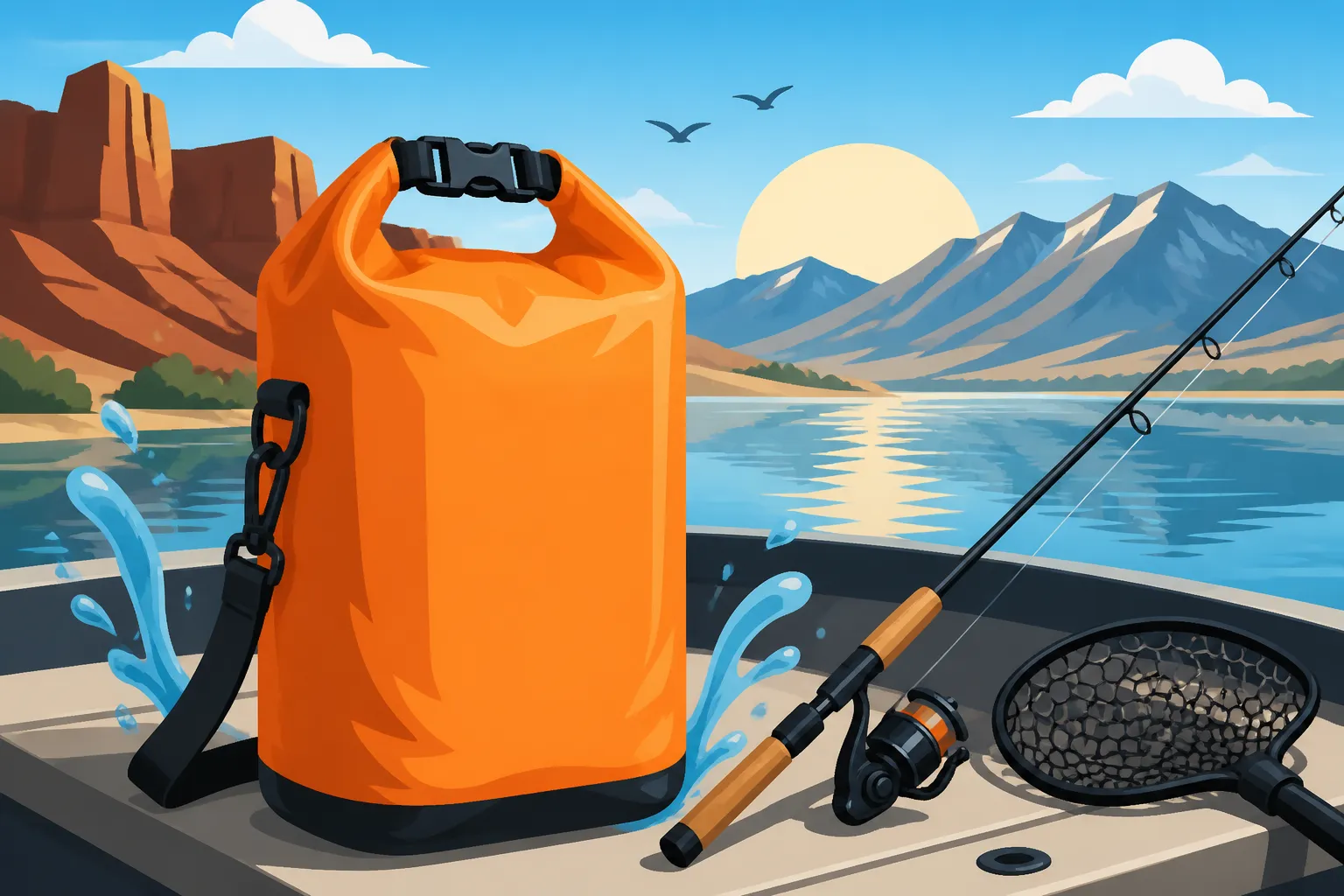
The closure system is where the rubber meets the road (or, in this case, where the fabric meets itself) for waterproofing. The most common and effective system for dry bags is the roll-top closure. To use it, you simply roll the top edge down a minimum of three times, creating a tight seal, and then clip the buckles together. This method creates a highly effective, virtually watertight barrier against splashes, rain, and even temporary submersion. It's simple, reliable, and what you'll find on most general-purpose dry bags, from small sacks for your phone to larger ones for camping gear.
For more extreme protection, especially if you anticipate your bag might be fully submerged for extended periods, some higher-end dry bags and cases feature waterproof zippers, often designated as T-Zip or YKK Aquaseal. These zippers are incredibly robust and create a truly submersible seal, but they can be stiffer, require more maintenance, and add significantly to the cost.
Waterproof ratings are also something to look for, often expressed as an IPX rating. While not all manufacturers list this, an IPX6 rating means the bag can withstand powerful jets of water (think heavy rain and boat spray). An IPX7 rating means it can be submerged in up to 1 meter of water for 30 minutes, and IPX8 means it can handle continuous submersion beyond 1 meter. For most Utah Lake boaters, an IPX6 or IPX7 rating on a roll-top dry bag is more than sufficient.
Size and Capacity Considerations
Choosing the right size is crucial, as an overly large bag can be cumbersome, and one that's too small won't hold your essentials. Dry bags are measured in liters, and a range of sizes are available to suit different needs:
| Capacity (Liters) | Common Use Case | Typical Contents |
|---|---|---|
| 5-10 L | Day trips, personal essentials | Phone, wallet, keys, small camera, snacks, small first-aid kit, Best Headlamp for Early Morning Utah Fishing |
| 15-20 L | Day trips with extra gear, overnight essentials | Larger camera, extra layers, small binoculars, lunch, light jacket, a few fishing lures |
| 25-30 L | Longer day trips, weekend camping | Full change of clothes, sleeping bag (compact), larger food supply, larger electronics, Best Backpack for Hiking to Uinta Lakes |
| 40 L+ | Multi-day excursions, multiple users | Tents, multiple changes of clothes, cooking gear, bulky items, Best Camping Spots Near Utah Fishing Lakes |
For a typical day out on a boat on Utah Lake, a 15- to 20-liter dry bag is often a sweet spot, providing enough room for your personal valuables, a small jacket, and some snacks without being too bulky. If you're planning a longer trip or need to protect a lot of gear for more than one person, scaling up to a 30-liter or even a 40-liter dry bag or a waterproof duffel is a wise move. Consider what items you absolutely cannot afford to get wet and build your capacity needs around those. It's better to have a little extra space than to try to cram everything into a bag that's too small, compromising the seal.
Types of Dry Bags Best Suited for Utah Lake Boating
The term "dry bag" covers a surprisingly wide range of products, each designed with different applications and levels of convenience in mind. For Utah Lake, where you might be battling spray one moment and enjoying calm waters the next, certain types stand out for their practicality and protection.
Roll-Top Dry Sacks and Backpacks
These are the quintessential dry bags that most people envision. A standard roll-top dry sack is essentially a cylindrical bag with a reinforced opening that you roll down to create a seal. Their simplicity is their strength: they're lightweight, packable, and incredibly effective at keeping water out when properly sealed. They come in various sizes and are often the most affordable option, with many excellent choices available on Amazon. For throwing your phone, keys, and a light jacket into a Best Kayaks for Utah Lake Fishing or onto the deck of your fishing boat, a simple roll-top dry sack is perfect.
Moving up in convenience, dry bag backpacks incorporate the same reliable roll-top closure but add comfortable shoulder straps and often waist/sternum straps. This makes them ideal for carrying your gear from the truck to the boat, or for excursions onto shore. They're particularly useful if you're taking a smaller vessel, like a kayak or a paddleboard, where space is at a premium and you need your hands free. The ability to wear your dry storage ensures your valuables are always with you and less likely to fall overboard.
Waterproof Duffel Bags and Cases
For those who need more robust protection, easier access, or better organization, waterproof duffel bags and hard cases are excellent choices. Waterproof duffel bags offer a wide, zippered opening (often with a heavy-duty T-Zip or similar waterproof zipper) that makes packing and retrieving items much simpler than a narrow-necked dry sack. They typically have a more structured shape, making them easier to stack or secure on a boat. Many also come with multiple carry handles and shoulder straps, offering versatility. These are great for bulkier items or when you need to access gear frequently without completely unrolling a traditional dry sack. You might find brands like YETI or similar robust options at outdoor retailers, providing truly premium protection.
Hard cases, like those from Pelican or similar manufacturers, offer the ultimate in waterproof and impact protection. While not "bags" in the traditional sense, they are crucial for extremely delicate electronics like high-end cameras, drones, or sensitive marine navigation equipment. They are heavier and bulkier but provide crushproof, dustproof, and fully submersible protection. For specific, high-value items on a larger Best Boats for Utah Reservoir Fishing, a hard case might be the most secure option.
Specialized Options: Cooler Dry Bags and Phone Pouches
Beyond general-purpose dry bags, there are specialized options that cater to specific needs on the water. Cooler dry bags, for instance, combine the waterproof properties of a dry bag with insulation, making them perfect for keeping your lunch, drinks, or even your daily fish limit fresh and dry. Imagine having a Best Cooler Size to Keep a Trout Limit Fresh that also floats and seals completely – no more worries about melted ice water getting into your sandwiches or leaking all over the boat. These are particularly useful for long days fishing on Utah Lake or exploring remote coves on Flaming Gorge.
Waterproof phone pouches are smaller, often clear, cases designed specifically for smartphones. Many feature touch-screen compatible windows, allowing you to use your phone for navigation, taking pictures, or checking Where to Find Current Fishing Conditions for Utah Reservoirs without removing it from its protective bubble. While they offer fantastic protection for your most vital communication device, they shouldn't be your only form of dry storage, as they are typically too small for anything else. They excel at providing immediate, accessible protection for your phone from splashes and brief submersions, which is often exactly what you need when you're actively fishing or navigating.
Tips for Maximizing Your Dry Bag's Effectiveness on the Water
Having the best dry bag is only half the battle; knowing how to use it correctly and care for it properly ensures your gear stays safe trip after trip. These tips are especially helpful for the varied conditions you'll encounter while fishing Utah's beautiful, yet sometimes challenging, waterways.
Proper Packing and Sealing Techniques
The effectiveness of a roll-top dry bag hinges on proper packing and sealing. First, avoid overfilling your dry bag. You need enough material at the top to roll down at least three, and ideally four, times. Overfilling prevents a tight seal and can strain the material, potentially leading to leaks.
When packing, place items you'll need first closer to the top. Before rolling, push out as much air as possible. This makes the bag more compact and, in the event of a capsize, helps it float better. Once the air is mostly out, grab the two stiff edges at the top of the opening and roll them down tightly. Aim for at least three full rolls. The more rolls, the tighter the seal and the less likely water is to creep in. After rolling, secure the buckles, usually by clipping them together at the top, or to D-rings on the sides depending on the bag's design. A properly sealed dry bag should feel taut and look wrinkle-free at the rolled closure. Taking an extra 30 seconds to do this correctly can save you a world of grief.
Securing Your Dry Bag on the Boat
A dry bag does you no good if it floats away or slides overboard! On any boat, especially on Utah Lake where the chop can get surprisingly aggressive, securing your dry bag is paramount. Many dry bags come with D-rings or attachment points. Use these to lash your bag down with bungee cords or small ropes. If your boat has cleats, deck loops, or even a rail, tie it off. Consider placing it in a secure compartment or under a seat where it's less likely to shift with the boat's movement.
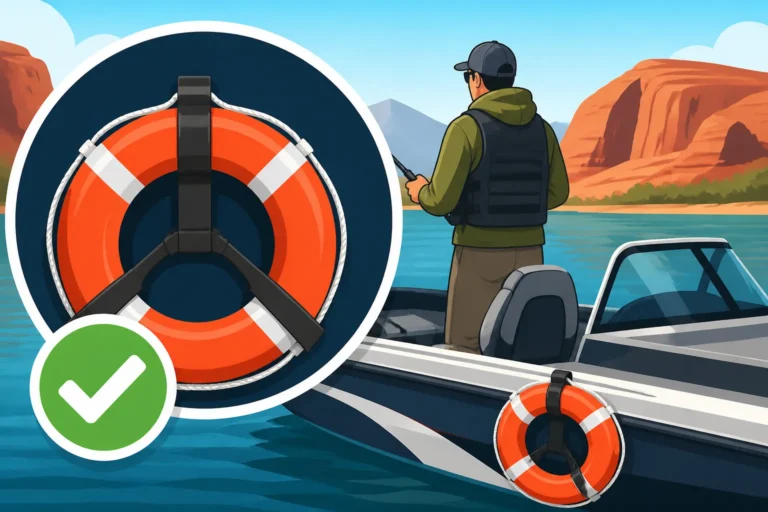
For smaller crafts like kayaks or paddleboards, consider a dedicated deck bag that straps onto the front or rear, or a dry bag that fits snugly in a cargo well. If you're on a larger fishing boat, strategically placing your dry bag in a spot that's out of the main splash zone but still easily accessible is key. Knowing your Boat Safety Equipment Required in Utah often includes ensuring all loose items are secured, and your dry bag definitely falls into that category. Don't forget that even if your bag floats, retrieving it in choppy water can be a dangerous hassle.
Maintenance for Longevity
To ensure your dry bag continues to protect your gear for many seasons to come, a little basic maintenance goes a long way. After each outing, especially if you've been on saltwater (though less common in Utah, it's good practice) or murky freshwater like Utah Lake, rinse your dry bag with fresh water. This removes dirt, grit, and any salt residue that could degrade the material or seals over time.
Hang the bag upside down with the top open in a shaded, well-ventilated area to thoroughly dry both the inside and outside. Never store a dry bag damp, as this can lead to mildew and unpleasant odors. Avoid using harsh chemicals or abrasive cleaners, which can damage the waterproof coatings or the integrity of the material. For zipper-closure dry bags and cases, periodically clean and lubricate the zippers with a silicone-based lubricant to keep them moving smoothly and maintaining their seal. Finally, store your dry bag unrolled or loosely folded in a cool, dry place, away from direct sunlight, which can degrade PVC and TPU materials over extended periods. Proper care will ensure your dry bag is ready for every adventure, from a quick trip to a community pond to a full-day Utah Lake Fishing Guide expedition.
Disclaimer
This article is for general informational purposes only and does not constitute professional advice. Laws, prices and regulations vary by location and change over time. Consult a qualified professional for guidance on your specific situation.