How to Clean a Reel After a Day at Utah Lake
After a fantastic day of casting lines and reeling in fish at Utah Lake, the last thing many anglers want to do is more work. But trust me, that gunk, grit, and fine silt that accumulates on your fishing reel can silently sabotage your next outing if you don't take a few minutes to clean it properly. This guide will walk you through exactly how to keep your reels in peak condition, specifically addressing the unique challenges presented by Utah Lake's waters.
Why Utah Lake is Particularly Tough on Fishing Reels
Utah Lake is a unique body of water, and while it offers some incredible fishing opportunities for species like walleye, catfish, and white bass, it’s not exactly gentle on your gear. Many anglers don't realize that a casual rinse isn't always enough to counteract the lake's specific characteristics, leading to premature wear and tear on expensive reels. Understanding why it's so tough is the first step in knowing how to properly care for your equipment.
The Salinity and Silt Factor
Unlike many of Utah's mountain reservoirs, Utah Lake has a naturally high mineral content, which can feel a bit "soapy" to the touch and certainly leaves a residue. This isn't ocean-level salinity, of course, but it’s enough to be a concern for metal components. More significantly, the lake is notoriously shallow and frequently stirred up by wind, especially during breezy afternoons. This stirs up a fine silt and sediment from the lakebed that easily gets into every nook and cranny of your reel. Think about that gritty feeling on your hands after handling your line or fish—that same grit is finding its way into your reel's gears, bearings, and drag system. Over time, this fine particulate acts like sandpaper, slowly grinding away at critical moving parts, causing stiff handles, sticky drags, and overall sluggish performance.
Algae and Organic Matter
Utah Lake is a highly productive ecosystem, which means it can be rich in algae and other organic matter, especially during warmer months. You've probably seen the green film on your line or felt the sliminess on your hands after fishing. This organic material doesn't just look unsightly; it can dry and harden on your reel, especially around the spool, line roller, and reel foot. If left unchecked, this dried algae can impede line flow, create friction points, and even contribute to corrosion by trapping moisture against metal surfaces. It can also gum up the works in your drag system, leading to inconsistent pressure and potentially costing you a fish when the drag sticks or slips unexpectedly. It’s a completely different kind of challenge compared to the clear, cold waters of a mountain stream.
Corrosive Elements and Longevity
The combination of mineral-rich water, abrasive silt, and organic buildup creates a prime environment for corrosion if your reel isn't properly maintained. While most modern fishing reels are built with corrosion-resistant materials, they're not impervious. Salt and minerals can accelerate oxidation, especially in small crevices or areas where protective coatings have worn thin. If you consistently fish Utah Lake and only give your reel a quick splash, you're essentially allowing these corrosive elements to sit and fester. This significantly shortens the lifespan of your reel, leading to costly repairs or even replacement much sooner than necessary. A little preventative care goes a long way in ensuring your reel performs flawlessly for years to come, saving you money and frustration in the long run. Proper cleaning is an investment in your fishing future, just like choosing the right gear from Utah Fishing Gear Guide or learning Utah Bass Fishing Techniques.
Essential Supplies for Cleaning Your Reel
Before you even think about taking your reel apart, gathering all your tools and cleaning agents beforehand will make the process much smoother and prevent you from having to stop mid-task. Think of it as preparing your workbench for surgery – everything needs to be within reach.
Gathering Your Tools
You don't need a high-tech workshop, but a few specific tools will make the job much easier and safer for your reel. Start with a clean, well-lit workspace. You'll definitely want a set of small, precision screwdrivers; these are crucial for tackling the tiny screws found on most reels without stripping them. A pair of tweezers can be invaluable for handling small springs, washers, and other minuscule parts. For cleaning, stock up on soft brushes – old toothbrushes work great for scrubbing away grime without scratching, as do specialized reel cleaning brushes often available at fishing supply stores like Bass Pro Shops. Cotton swabs or Q-tips are fantastic for getting into tight spots and applying lubricants precisely. A can of compressed air can also be surprisingly useful for blasting out stubborn dirt from internal components after scrubbing. Don't forget a roll of paper towels or a stack of lint-free cloths for wiping down parts and soaking up excess grease. Many anglers find What Gear Does a First-Time Utah Angler Need? is a good starting point for basic tool collection.
Choosing the Right Cleaning Solutions
This is where you need to be careful, as not all cleaners are safe for your reel's delicate components. For general grime and light dirt, warm, soapy water (using mild dish soap) is often sufficient for external surfaces. However, for internal components and removing old grease, you'll need something more targeted. Isopropyl alcohol (rubbing alcohol) is excellent for dissolving old grease and drying quickly without leaving residue, making it ideal for bearings and metal gears. Avoid harsh solvents like brake cleaner or carb cleaner, as these can damage plastic parts, O-rings, and specialized reel finishes. Petroleum-based products like WD-40 are not lubricants for fishing reels; they are penetrating oils and can break down existing grease, attracting more dirt in the long run. For lubrication, you'll need specialized reel grease for gears and drag washers, and a lightweight reel oil for bearings, shafts, and other fast-moving parts. These specialty lubricants are formulated to resist water, prevent corrosion, and maintain their viscosity under various conditions, and you can find a wide selection on Amazon or at your local tackle shop.
Here's a quick checklist of essential cleaning supplies:
| Item | Purpose | Notes |
|---|---|---|
| Small Precision Screwdrivers | Disassembly/Reassembly of small screws | Crucial to prevent stripping |
| Tweezers | Handling small springs, washers | Prevents loss and damage to tiny components |
| Soft Brushes | Scrubbing away grime from surfaces/gears | Old toothbrushes or specialty brushes |
| Cotton Swabs/Q-tips | Cleaning tight crevices, applying lubricants | Excellent for precision cleaning |
| Compressed Air | Blasting out stubborn dirt and drying parts | Use carefully, hold can upright |
| Paper Towels/Lint-Free Cloths | Wiping down parts, soaking up excess | Absorbent and won't leave fibers |
| Mild Dish Soap | General external cleaning with warm water | Gentle, effective for initial wash |
| Isopropyl Alcohol | Dissolving old grease, quick drying | Great for bearings, metal parts (avoid plastics/rubber) |
| Specialty Reel Grease | Lubricating gears, drag washers | Water-resistant, specifically for reels |
| Specialty Reel Oil | Lubricating bearings, shafts, fast-moving parts | Lightweight, corrosion-inhibiting |
Step-by-Step Guide to Cleaning Your Reel
Now that you have your tools and solutions, it's time to get down to business. Cleaning a reel from Utah Lake requires a thorough approach, moving from general surface cleaning to a meticulous internal scrub. Don't rush this process; patience will pay off with a smoother, longer-lasting reel.
Surface Rinse and Initial Wipe Down
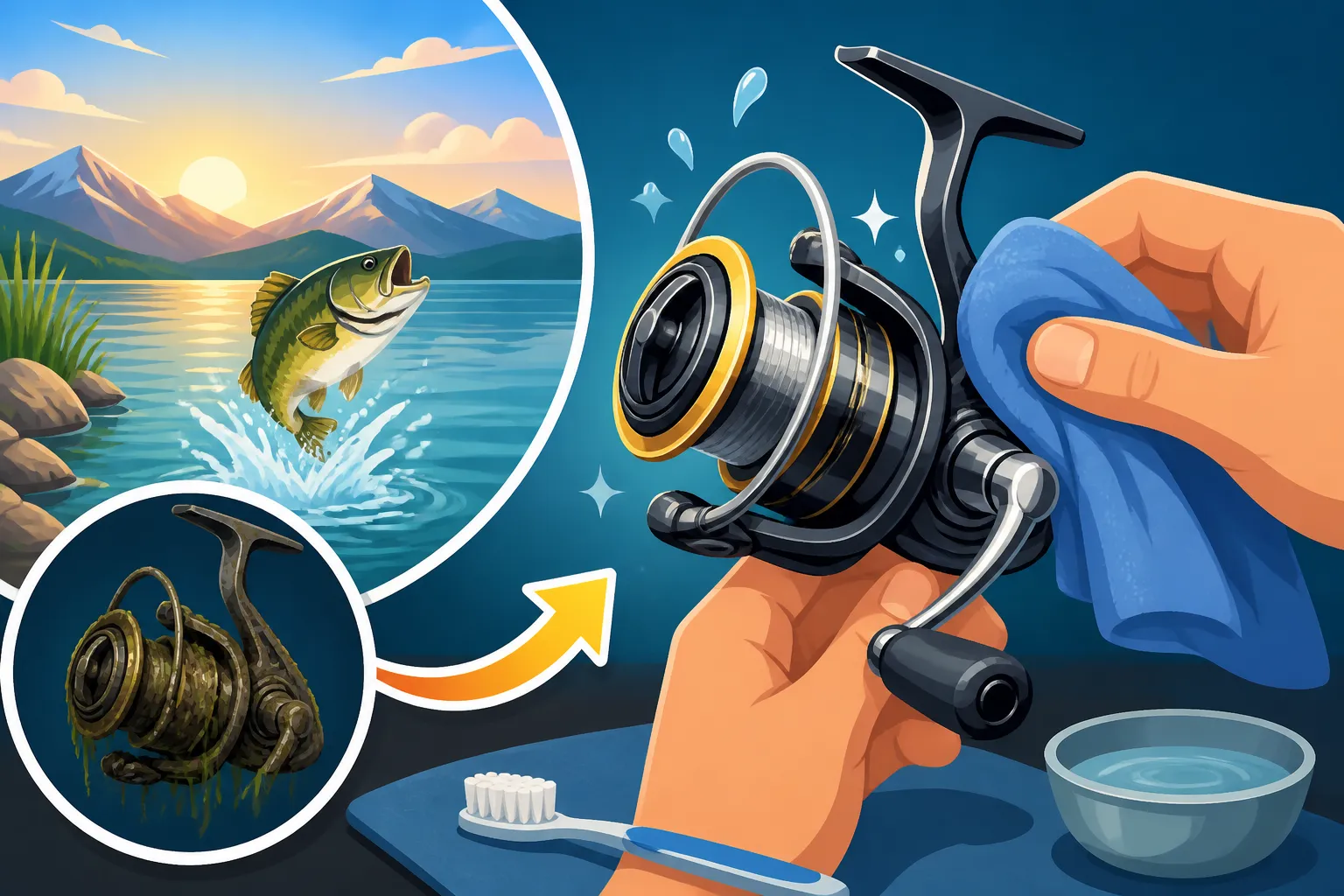
The very first thing you should do after a day on Utah Lake, even if you plan a deeper clean later, is a quick surface rinse. Don't just dunk it. Take your reel and rinse it under a gentle stream of cool, fresh water. Focus on the exterior, the spool, and especially the line roller. The goal here isn't to blast water into the internal components, but to wash away any loose silt, lake water, or fresh algae before it has a chance to dry and harden. If you have a spinning reel, open the bail to expose more of the rotor. For baitcasters, ensure the level wind mechanism gets a good rinse.
After the rinse, immediately use a clean, soft cloth or paper towel to thoroughly dry the exterior of the reel. Pay close attention to all the crevices, the reel foot, and the handle. This initial drying is crucial because allowing Utah Lake's mineral-rich water to air dry on your reel can leave behind unsightly and potentially corrosive deposits. Think of it as preventing scale buildup in your shower – you wipe it down to keep it clean. This quick ritual after every trip, even if it’s just for an hour or two, significantly reduces the amount of work needed for a deeper clean and prolongs your reel's life.
Disassembly and Deep Cleaning
This is where you'll get intimately familiar with your reel. Start by carefully removing the spool and setting aside any small washers or shims, noting their order. For spinning reels, remove the handle, then the rotor nut, and then the rotor. For baitcasters, remove the handle, drag star, and side plate. Work slowly and methodically, laying out all parts in the order you remove them on a clean paper towel. Taking pictures with your phone at each stage of disassembly can be a lifesaver when it comes time for reassembly. Now, take your soft brush and isopropyl alcohol. Dip the brush in the alcohol and meticulously scrub away old grease, dirt, and dried organic matter from gears, shafts, bearings, and the inside of the reel housing. Pay special attention to the drag washers; these are critical for smooth operation. Gently wipe them down with a lint-free cloth and isopropyl alcohol, ensuring they are free of grit. This detailed cleaning process is vital for overall performance and contributes to the long life of your gear. If you're using a specific type of line, you might find tips in Best Fishing Line for Utah Bass that could influence how you approach spool cleaning too.
For bearings, gently remove them (if applicable to your reel model) and clean them in a small dish of isopropyl alcohol. Swirl them around to dislodge any grit, then let them air dry completely, or use compressed air to speed up the process. A properly cleaned bearing will spin freely and quietly. Don't force anything; if a part feels stuck, re-evaluate rather than applying excessive force. Remember, these are precision instruments.
Lubrication and Reassembly
Once all parts are squeaky clean and completely dry, it's time for lubrication. This is a crucial step that often gets overlooked or done improperly. Apply a thin, even layer of specialized reel grease to all gears, ensuring full coverage without overpacking. Too much grease can actually slow down the reel. For drag washers, apply a very light coat of reel grease (if they are fiber or carbon washers; some composite drag washers are designed to be run dry – always check your reel's manual).
Next, use specialized reel oil for bearings, the main shaft, the line roller (on spinning reels), and the level wind worm gear (on baitcasters). A single drop of oil is usually sufficient for each bearing or pivot point. Spin the component gently after oiling to ensure even distribution. Once everything is lubricated, carefully reassemble your reel, working backward from your disassembly steps. Refer to your photos if you're unsure about the order of any washers or small parts. As you reassemble, check that each part moves smoothly. Once fully assembled, give the handle a few spins and test the drag. It should feel significantly smoother and quieter. This dedicated maintenance is key to protecting your investment, much like learning about How to Store Fishing Gear Over a Utah Winter helps preserve your gear during the off-season.
Post-Cleaning Care and Storage Tips
Cleaning your reel after a day at Utah Lake is an excellent habit, but what you do between trips and how you store your reel also plays a significant role in its longevity and performance. Consistent care is the secret sauce for keeping your gear in top shape.
Regular Maintenance Schedule
While a full breakdown and deep clean might only be necessary every few months, or perhaps annually depending on how often you hit the water, a more frequent, simpler routine is essential. After every trip to Utah Lake, even if it's just a quick hour of fishing, perform that initial surface rinse and wipe-down. This prevents the immediate buildup of silt and minerals. Every few trips, take off the spool and clean under it with a damp cloth, then re-oil the line roller and any exposed shaft. For spinning reels, give the handle a drop of oil where it pivots. For baitcasters, a drop on the level wind worm gear is always a good idea. Consider this light maintenance like changing the oil in your car – you don't do a full engine rebuild every time, but regular oil changes keep things running smoothly. This consistent attention prevents minor issues from becoming major problems and means less intensive cleaning in the long run. If you want to dive deeper into general upkeep for all your fishing tools, our Utah Fishing Gear Guide has plenty of practical advice.
Proper Storage for Longevity
How you store your reels can have a huge impact. Never just toss your reel into a bucket or a cluttered corner of your garage. After cleaning, ensure your reel is completely dry, then back off the drag pressure significantly. Storing a reel with the drag tightened can compress the drag washers permanently, leading to inconsistent drag performance. Store your reels in a cool, dry place, away from direct sunlight or extreme temperature fluctuations. Reel covers are a fantastic investment; they protect your reels from dust, incidental bumps, and scratches when not in use. Many tackle boxes or bags have padded compartments specifically designed for reels, which is ideal. Avoiding moisture is critical, as any residual dampness can lead to corrosion, especially in areas you might have missed during cleaning. If you live in a particularly humid environment, consider adding a desiccant packet to your tackle box to absorb moisture. Think about it: you want your reel ready to go when you are, whether you're targeting specific fish species or exploring Utah Lake Walleye Fishing Spots. Proper storage ensures it remains in prime condition for countless fishing adventures to come.
Disclaimer
This article is for general informational purposes only and does not constitute professional advice. Laws, prices and regulations vary by location and change over time. Consult a qualified professional for guidance on your specific situation.