Is Flaming Gorge Better for Fishing Than Lake Powell?
The choice between casting a line into the deep, emerald waters of Flaming Gorge or exploring the vast, red-rock canyons of Lake Powell is a delightful dilemma for any Utah angler. Both offer world-class fishing, but their distinct personalities, target species, and fishing experiences can leave even seasoned veterans wondering which destination will best suit their next adventure. This guide will meticulously break down what each of these magnificent reservoirs has to offer, helping you decide where your next big catch awaits.
The Tale of Two Giants: Flaming Gorge vs. Lake Powell Overview
Utah is blessed with an incredible diversity of fishing waters, but Flaming Gorge and Lake Powell stand out as true giants, each a bucket-list destination in its own right. They represent two wildly different ecosystems within the same state, drawing anglers for entirely contrasting reasons. Understanding these fundamental differences is key to appreciating what makes each one so special and, ultimately, deciding which one is "better" for you.
Geographic and Environmental Differences
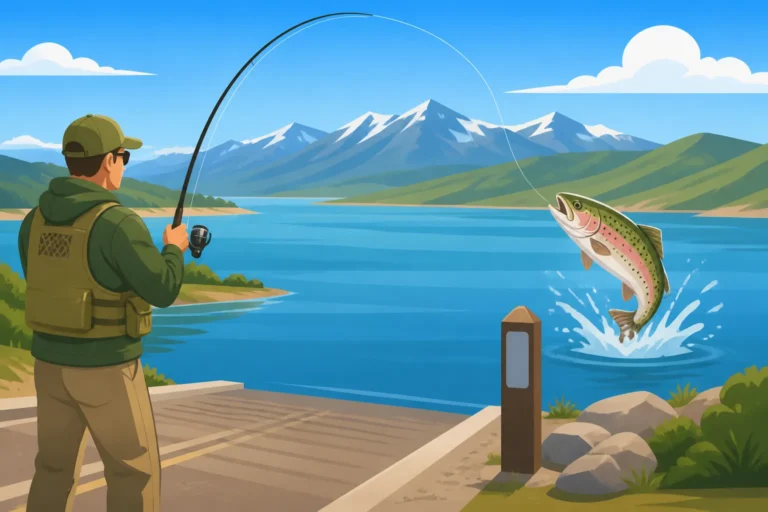
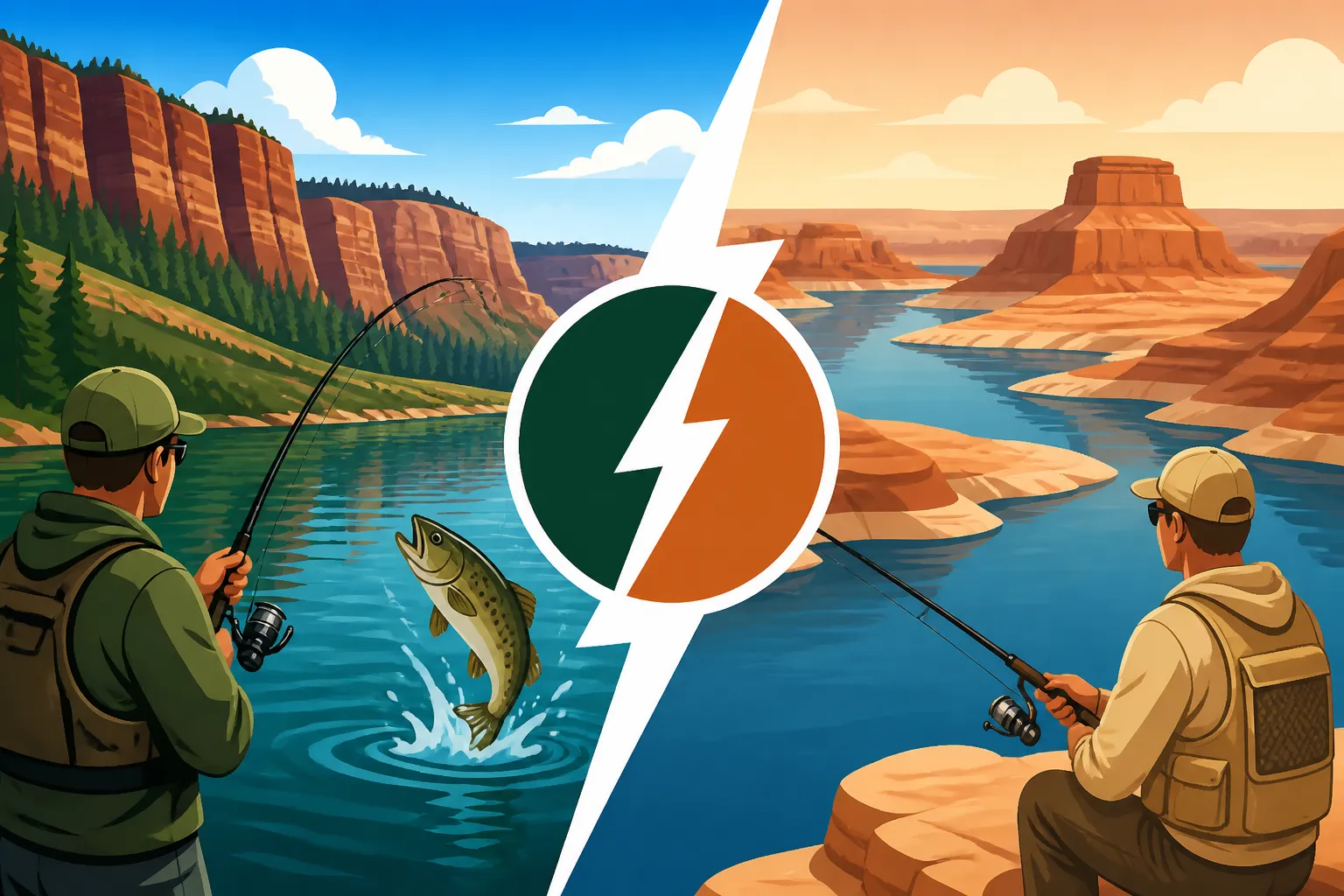
Let's start with the basics: where they are and what they look like. Flaming Gorge Reservoir, nestled on the Utah-Wyoming border, is a deep, cold-water reservoir carved out by the Green River. Its landscape is characterized by dramatic red cliffs, but these are often topped with thick stands of ponderosa pine and juniper, giving it a greener, more alpine feel in many areas. The water itself is often a stunning emerald or turquoise, reflecting the surrounding rock and sky. It's a vast body of water, stretching for miles through canyons and open sections, known for its incredible depths. The climate tends to be cooler, with distinct four-season weather, including significant snow and ice in winter that makes it a prime location for Utah Ice Fishing Guide.
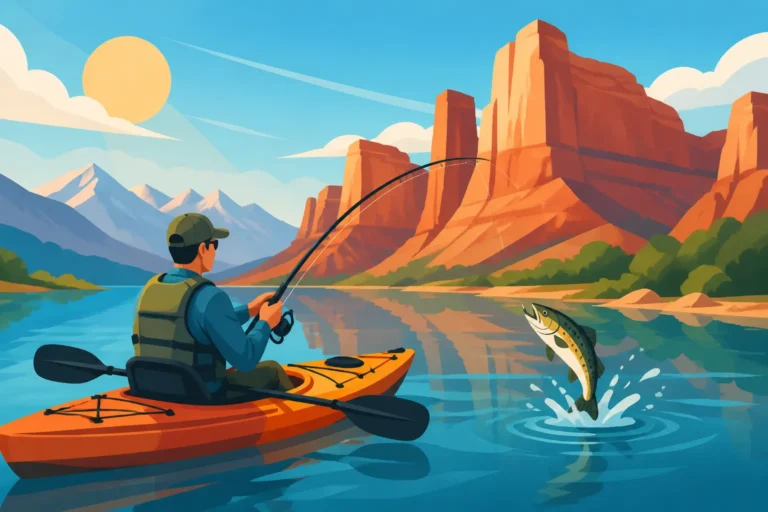
Lake Powell, on the other hand, is a desert oasis, a sprawling, warmer-water reservoir formed by the damming of the Colorado River, primarily in southern Utah and northern Arizona. Its iconic landscape is defined by towering, labyrinthine red sandstone canyons, sheer cliffs, and countless secluded coves. The water is often a deep blue, contrasting vividly with the warm hues of the rock. The sheer scale of Lake Powell, with its thousands of miles of shoreline when full, is almost incomprehensible. The climate here is much hotter and drier, particularly in summer, and while it experiences cooler winters, true ice fishing is exceptionally rare. It’s a place that feels wild and ancient, a watery wilderness amidst a stark, beautiful desert.
Primary Fish Species and Ecosystems
The differing environments of these two reservoirs directly dictate the species of fish that thrive within them. This is arguably the most significant factor for most anglers when making their choice.
Flaming Gorge Reservoir is renowned as a premier cold-water fishery. The undisputed king here is the Lake Trout, also known as Mackinaw. These prehistoric-looking giants lurk in the frigid depths, growing to immense sizes thanks to a plentiful food source, primarily Kokanee Salmon and smaller trout. Flaming Gorge holds the state record for lake trout, and trophy hunting for these behemoths is a major draw. Beyond lake trout, it boasts a robust population of Kokanee Salmon, a landlocked sockeye salmon species that provides incredible action, especially during their fall spawning runs. Utah Kokanee Salmon Guide covers this in more detail. You'll also find abundant Rainbow Trout, both wild and stocked, often cruising closer to the surface or in shallower bays, offering excellent shore and boat fishing. Finally, Smallmouth Bass have established a strong presence, particularly in rocky areas and points, providing fantastic light-tackle action during warmer months.
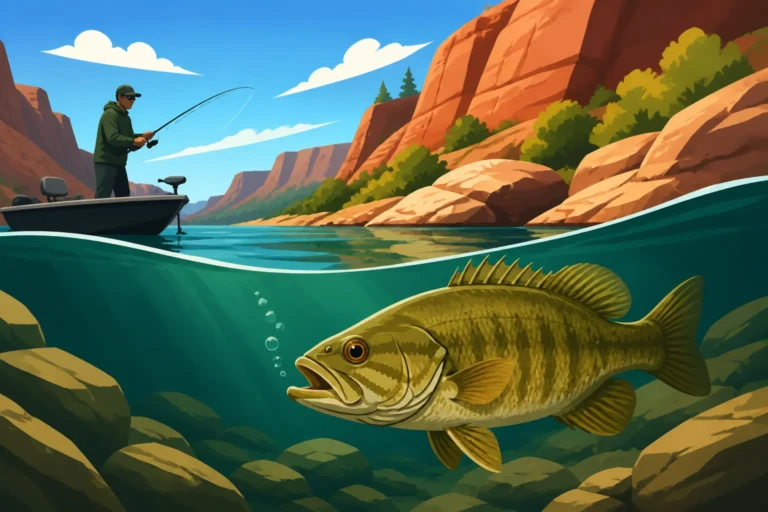
Lake Powell, being a warm-water impoundment, offers a completely different array of species. The absolute superstar here is the Striped Bass. These powerful, schooling fish cruise the open waters and congregate in massive "boils" when actively feeding on shad, creating some of the most exciting and chaotic fishing experiences imaginable. Utah Striped Bass Guide details these thrilling encounters. Lake Powell is also a phenomenal bass fishery, home to both Largemouth Bass and Smallmouth Bass. The smallmouth often dominate the rocky structure in the main channel and larger coves, while largemouth prefer the quieter, brushier backwaters. Utah Smallmouth Bass Guide offers great tips for these fighters. Additionally, you'll find healthy populations of Walleye, particularly in the upper reaches of the lake and around structure, offering a delicious table fare. Catfish, especially Channel Catfish, and various panfish also call Powell home, rounding out a diverse warm-water menu.
Fishing Experience: What to Expect at Each Reservoir
Now that we understand the natural differences and the fish species involved, let's dive into what a typical fishing trip feels like at each destination. The techniques, gear, and overall vibe are distinctly unique.
Target Species and Techniques
Fishing at Flaming Gorge often involves specialized techniques to target its deep-dwelling giants and schooling salmon. For the trophy lake trout, anglers typically employ deepwater trolling with downriggers, using large spoons, stickbaits, or even live bait (where permitted). You can learn more about this by checking out Utah Trolling Techniques for Lake Trout. Vertical jigging with heavy spoons or tubes over deep structure is another productive method, especially when fish are suspended. For kokanee salmon, precision trolling with small dodgers and squids or hoochies at specific depths is key. Many anglers consider a trip to Flaming Gorge to be incomplete without a guide, and services found through platforms like FishingBooker can connect you with experienced captains who know the lake's vast contours and the fish's habits. Rainbow trout can be caught using a variety of methods, from casting spinners and spoons from shore to drifting PowerBait or worms under a bobber from a boat. Smallmouth bass respond well to soft plastics, crankbaits, and topwater lures cast near rocky points and submerged structure.
Lake Powell's fishing, especially for stripers, can be incredibly dynamic. The famous "striper boils" are a sight to behold, with thousands of fish churning the surface as they chase shad. Anglers will race to these boils, casting topwater lures, spoons, or even bait into the frenzy. It's fast-paced, action-packed fishing. For bass, pitching jigs, Texas-rigged worms, or crankbaits into the myriad coves and along the steep canyon walls is highly effective. Walleye can be targeted with jigging spoons, crankbaits, or bottom bouncers, often at night or during low-light conditions. Catfish are typically caught on cut bait or stink baits fished on the bottom. Due to its sheer size and complex structure, navigating Lake Powell can be challenging for the uninitiated, making a guided trip, perhaps booked through a reputable service like FishingBooker, an excellent investment to maximize your time on the water and understand How to Catch More Fish in Utah.
Boating and Access Considerations
Both reservoirs are massive, requiring proper boating considerations, but their challenges differ.
Flaming Gorge is an open-water reservoir with vast expanses that can get very windy, leading to rough conditions. A larger, deep-V hull boat is often preferred for comfort and safety, especially if you plan to cover significant distances or troll for lake trout. There are numerous well-maintained boat ramps and marinas scattered along its extensive shoreline, making access relatively straightforward. Popular launch points include Buckboard Crossing, Lucerne Valley Marina, and Cedar Springs. The reservoir's diverse geography means you can launch into different types of fishing environments depending on your target. For those exploring Best Boats for Utah Reservoir Fishing, Flaming Gorge often demands something robust.
Lake Powell is even more sprawling, often feeling like an inland ocean with its main channel, but it's also famous for its countless canyons and coves. While the main channel can get rough, the sheltered coves offer calm waters even on windy days. Houseboats are incredibly popular here, allowing anglers to combine fishing with multi-day camping trips deep into the canyons. Smaller bass boats or runabouts are excellent for navigating the tighter coves and chasing boils. Access points like Wahweap, Antelope Point, and Bullfrog offer extensive marinas and services. However, the sheer size means that a short fishing trip might involve long runs, and fuel management becomes a significant factor. It’s critical to understand Utah Boating and Fishing Rules and to be prepared for remote self-sufficiency, especially if venturing far into the canyons.
Seasonal Fishing Dynamics
The fishing success at each lake fluctuates with the seasons, offering different peak experiences.
Flaming Gorge boasts genuine four-season fishing.
- Spring (April-May): As the ice comes off, rainbow trout become very active, and lake trout move shallower, making them more accessible. Smallmouth bass also start to awaken.
- Summer (June-August): This is prime time for kokanee salmon, which move into predictable patterns for trolling. Lake trout are still active, but often hold deeper. Smallmouth bass fishing is excellent.
- Fall (September-November): The lake trout move shallower for their spawn, offering fantastic opportunities for larger fish. Kokanee salmon also turn vibrant red as they stage for their spawn, and while not typically targeted for eating then, they offer a spectacular sight. Rainbows remain strong.
- Winter (December-March): Flaming Gorge transforms into an ice fishing paradise, with anglers targeting lake trout, rainbows, and sometimes burbot through the ice. Utah Ice Fishing Guide is an essential read for this season.
Lake Powell offers excellent year-round fishing, though summer can be intensely hot.
- Spring (March-May): This is arguably the best all-around fishing season. Bass (both largemouth and smallmouth) move shallow for their spawn, becoming aggressive. Stripers become very active, and boils can start to occur. Walleye fishing also picks up.
- Summer (June-August): While hot, summer is famous for the explosive striper boils, which can happen almost daily. Early morning and late evening are best for bass. Best Time of Day to Catch Striped Bass at Lake Powell often mentions these times.
- Fall (September-November): Fishing remains excellent as water temperatures cool. Stripers continue to boil, often with increased intensity, and bass remain active. It's a fantastic time for comfortable weather and good fishing.
- Winter (December-February): Fishing slows down but remains productive. Stripers often move deeper, requiring different tactics, but they are still catchable. Bass fishing can be good in sheltered coves on sunny days, and walleye can be found on deep structure.
Beyond the Catch: Aesthetics, Amenities, and Practicalities
Fishing isn't just about the fish; it's about the entire experience. The scenery, available services, and practical considerations play a huge role in the overall enjoyment of a trip.
Scenery and Overall Ambiance
The visual appeal and "feel" of these two destinations are as different as night and day, each with its own breathtaking beauty.
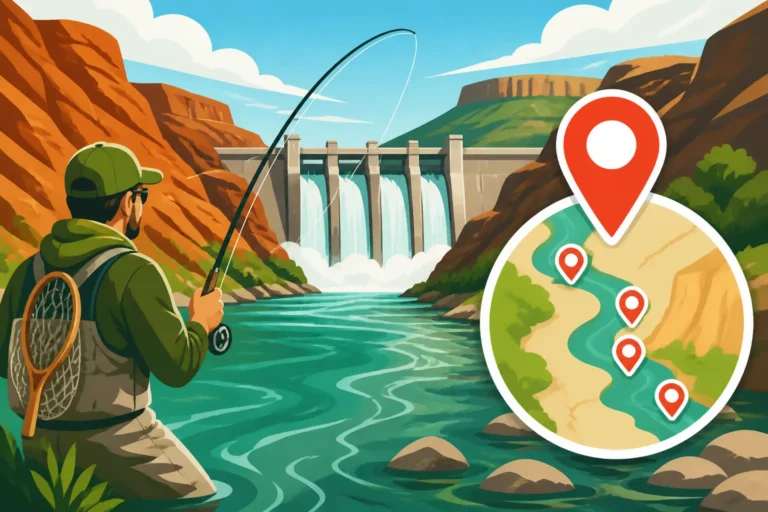
Flaming Gorge offers a dramatic contrast of landscapes. Its signature red rock cliffs plunge into brilliant green-blue waters, but these formations are often interspersed with lush forests, particularly ponderosa pines, aspens, and juniper. The upper reaches of the reservoir and the Green River below the dam have a more traditional mountain river feel. It's a place where you might see deer, elk, and even bighorn sheep along the shoreline. The air feels crisp, often carrying the scent of pine. The ambiance is one of rugged, accessible wilderness, offering stunning vistas and a sense of fresh, high-desert mountain adventure.
Lake Powell is pure, unadulterated canyon country. Imagine fishing amidst towering red and orange sandstone cliffs, carved by water and wind into incredible formations. The maze of canyons, slot canyons, and side channels creates an immersive, awe-inspiring experience that feels ancient and vast. The landscape is sparse, dominated by rock and sky, with vegetation only in scattered pockets. It's hot, dry, and feels like you've landed on Mars, but a Mars with crystal blue water. The sun on the red rock, the shadows dancing in the canyons, and the sheer scale of the place create an unforgettable, almost spiritual, backdrop for your fishing trip. If you enjoy Best Fishing Spots in Southern Utah, Lake Powell is an absolute must-see.
Lodging, Services, and Guided Trips
Both destinations are well-equipped to handle anglers, but the scale of services differs.
Around Flaming Gorge, towns like Manila, Dutch John, and Green River (Wyoming) offer a range of accommodations, from motels and cabins to RV parks and developed campgrounds. Marinas provide fuel, boat rentals, tackle shops, and basic groceries. There are several excellent fishing guides available who specialize in lake trout trolling or kokanee fishing, and finding one is easily done through online services. For those looking for local expertise, a Flaming Gorge Fishing Guide is invaluable. Supplies can be found, but it's always wise to come prepared, especially if venturing into more remote areas.
Lake Powell, being a major national recreation area, has more extensive infrastructure concentrated around its main marinas like Wahweap, Antelope Point, and Bullfrog. Here you'll find large resorts, numerous houseboat rental companies, extensive boat services, restaurants, and fully stocked general stores. Due to its complexity and vastness, hiring a professional guide for Lake Powell, especially for targeting specific species or learning the striper boils, is highly recommended. You can browse and book guided trips through platforms like FishingBooker, which lists many experienced Lake Powell captains. These guides can help you navigate the immense water and find Lake Powell Striped Bass Spots. Because of the remote nature of much of the lake, planning for food, water, and fuel is crucial, especially on multi-day houseboat excursions.
Regulations and Conservation Efforts
When fishing either of these magnificent waters, it's paramount to be aware of and adhere to the local regulations, which are designed to protect the fisheries and the environment.
At Flaming Gorge, anglers need to be familiar with Utah Fishing Regulations Explained, including specific bag and possession limits for various trout species and kokanee. Notably, the limits for lake trout have often been very liberal, even unlimited at times, due to concerns about their impact on kokanee and rainbow trout populations. This management strategy aims to maintain a balanced ecosystem. Additionally, like all Utah waters, Utah Aquatic Invasive Species Rules for Anglers are strictly enforced, requiring all boats to be inspected and decontaminated if necessary, especially after visiting other waters known to harbor quagga or zebra mussels.
Lake Powell also falls under Utah's general fishing regulations, though it's important to remember that parts of the lake are in Arizona, and regulations can vary by state. Common target species like striped bass often have very liberal or no possession limits, similar to lake trout in Flaming Gorge, due to their abundant populations and sometimes their status as a non-native species impacting native fish. Bass regulations are typically more restrictive. Given Lake Powell's interconnectedness with the Colorado River system, Utah Aquatic Invasive Species Inspection Stations are critical, and strict dry-time requirements or decontamination are in place to prevent the spread of quagga mussels, which are present in Lake Powell. Responsible angling and environmental stewardship are key to preserving both of these unique fisheries.
Making Your Choice: Which Lake is Right for Your Fishing Adventure?
So, after all this, which is better: Flaming Gorge or Lake Powell? The truth is, neither is inherently "better" than the other. They are simply different, each offering unique and compelling experiences. Your ideal choice will depend entirely on what kind of fishing adventure you're seeking.
When Flaming Gorge Shines Brightest
Choose Flaming Gorge if you are:
- A trophy hunter: If your dream is to battle a massive lake trout, Flaming Gorge is one of the best places in the world to make that happen.
- A cold-water species enthusiast: You love the thrill of catching powerful kokanee salmon or vibrant rainbow trout in deep, clear water.
- Seeking a greener, more mountainous backdrop: The combination of red cliffs and evergreen forests appeals to your aesthetic sense, offering a more traditional "mountain lake" feel.
- Interested in ice fishing: If you enjoy the unique challenge and camaraderie of fishing through the ice, Flaming Gorge is a premier winter destination.
- Looking for a quieter, less crowded experience: While popular, Flaming Gorge often feels less intensely commercialized than some parts of Lake Powell, especially outside of peak summer.
When Lake Powell Calls Your Name
Opt for Lake Powell if you are:
- An adrenaline junkie: The explosive action of a striper boil is an unparalleled fishing experience that you absolutely want to witness and participate in.
- A warm-water bass angler: If you love targeting largemouth and smallmouth bass in intricate, rocky structure, Powell offers endless opportunities.
- Dreaming of a houseboat adventure: Combining fishing with a multi-day family trip, exploring hidden canyons and camping on secluded beaches, is a signature Powell experience.
- Drawn to dramatic desert canyon scenery: The breathtaking red rock landscapes and vastness of the canyons provide an incredibly unique and stunning backdrop.
- Seeking year-round consistent action: While summer is hot, the fishing generally remains productive across all seasons for various species.
A Final Thought on Angler Preferences
Ultimately, the "better" lake is the one that aligns with your personal fishing goals, preferred species, and desired outdoor experience. If battling massive, deep-water fish in a cool, mountainous environment sounds like your ideal day, head to Flaming Gorge. If you're captivated by the thought of chasing schools of stripers in a red-rock wonderland under the desert sun, then Lake Powell is your destination. Many dedicated Utah anglers make it a point to visit both throughout the year, enjoying the distinct pleasures each reservoir offers. Why limit yourself when you have two such incredible options right in your backyard?
| Feature | Flaming Gorge Reservoir | Lake Powell |
|---|---|---|
| Primary Fish | Lake Trout, Kokanee Salmon, Rainbow Trout, Smallmouth Bass | Striped Bass, Largemouth Bass, Smallmouth Bass, Walleye, Catfish |
| Water Type | Deep, Cold Water | Warm Water |
| Scenery | Red cliffs, evergreen forests, mountainous | Red rock canyons, stark desert, vast open water, intricate coves |
| Key Techniques | Deepwater Trolling, Jigging, Kokanee Trolling | Chasing Striper Boils, Casting to Bass in Coves, Trolling |
| Best For | Trophy Lake Trout, Cold-Water Species, Ice Fishing | Striper Action, Bass Fishing, Houseboat Adventures, Desert Views |
| Climate | Cooler, Four Seasons (heavy winter snow/ice) | Hot & Dry Summers, Milder Winters (rarely freezes) |
| Access/Boating | Large, deep-V boats often preferred for open water | Houseboats, smaller bass boats for canyons; vast distances |
Disclaimer
The information provided in this guide is for general informational purposes only and does not constitute legal advice. Fishing regulations, license requirements, and local conditions can change frequently. Always consult the most current Utah Division of Wildlife Resources (DWR) official publications or website before planning your fishing trip to ensure compliance with all rules and safety guidelines.