What Flies Work Best on the Provo River in Spring?
Spring on the Provo River can be one of the most challenging, yet ultimately rewarding, times to hit the water with a fly rod. Anglers often face a frustrating mix of high, fast water from snowmelt runoff, fluctuating temperatures, and finicky trout. It leaves many wondering: with so many variables, what flies stand a real chance of enticing a bite? This guide will dive deep into the specific conditions you'll encounter and arm you with the best fly patterns and tactical advice to find success on the Provo during the unpredictable spring months.
Understanding Spring Conditions on the Provo River
Before we even think about tying on a fly, it's crucial to grasp the dynamic nature of the Provo River in spring. Unlike the more predictable flows of summer or the consistent cold of winter, spring is a period of constant change, and your fly selection needs to reflect that.
The Impact of Runoff and Water Clarity
The single biggest factor dictating your fly choice in spring is snowmelt runoff. As the Utah high country warms, snowpack begins to melt, swelling the Provo River with cold, fast water. This can dramatically increase flow rates and often leads to decreased water clarity, ranging from a slight tint to a full-on chocolate milk appearance. When the river is high and off-color, fish tend to hold in slower, deeper pockets, behind obstacles, or along the banks where the current is less aggressive. They become less selective about precise insect imitations and more opportunistic, keying in on larger, more visible food items that are swept past them. This is where heavy, dark, and buggy patterns shine. Understanding how these conditions affect trout behavior is key to knowing where to cast and what to present. If you want to learn more about this phenomenon, check out our detailed guide on How Runoff Affects Utah River Fishing.
Key Insect Hatches and Life Cycles
Despite the challenging conditions, spring is also a period of significant insect activity. While full-blown dry fly hatches can be sporadic, there's a constant subsurface buffet for the trout.
- Midges: These tiny insects are active year-round and are always a staple. In spring, their larvae and pupae are consistently present in the drift, making midge patterns a go-to, especially during colder spells or in clearer sections.
- Baetis (Blue-Winged Olives): Early spring brings the first significant mayfly hatches. These small, dark mayflies typically hatch on overcast, warmer days. Their nymphs are incredibly important subsurface, even if the adults don't always make it to the surface in fishable numbers due to turbulent water.
- Stoneflies: Larger stonefly nymphs are always present, clinging to rocks. The increased current in spring often dislodges them, sending them tumbling into the drift. These substantial protein packages are irresistible to hungry trout.
- Caddis: Various caddis species begin to become active as spring progresses and water temperatures rise. Their larvae are abundant, and pupae will begin to ascend to the surface, particularly as the water starts to clear and warm towards late spring. The famous "Mother's Day Caddis" hatch, while sometimes delayed by a cold spring, can offer explosive dry fly action if conditions align.
Essential Nymphing Patterns for Spring Provo River Fishing
Nymphing is, without a doubt, your bread and butter on the Provo River in spring. The vast majority of a trout's diet comes from subsurface insects, and the high water conditions often keep them hunkered down, feeding on what washes by.
Heavy Stoneflies and Caddis Larva Imitations
When the water is high and murky, you need flies that are heavy enough to get down quickly into the feeding zone and visible enough to grab a trout's attention. Think substantial patterns that mimic larger invertebrates.
- Pat's Rubber Legs (or Girdle Bug): This ugly-beautiful fly is a spring essential. Its large profile, rubber legs, and heavy lead wraps (or tungsten beads) help it sink like a rock. It effectively imitates a variety of stonefly nymphs, which are often dislodged by the strong spring currents. I recommend sizes 6-12, often in black, brown, or variegated brown/black. You can find these and other great nymph patterns on Amazon if your local fly shop is out of stock.
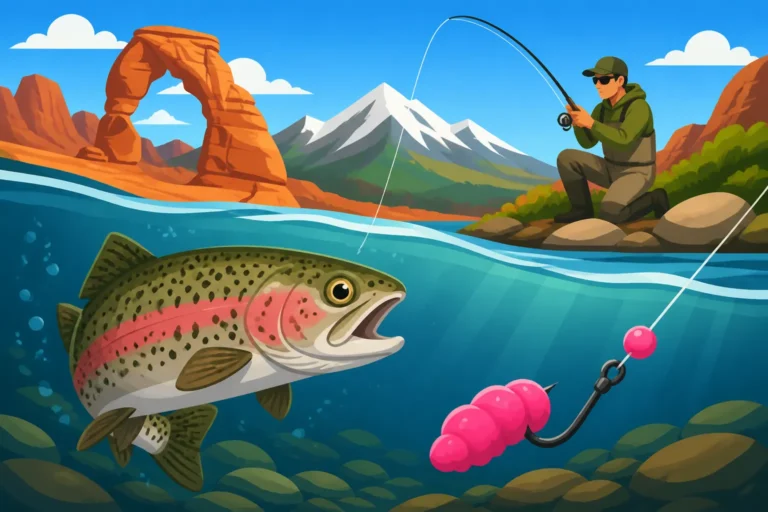
- Squirmy Wormy/San Juan Worm: Let's be honest, these patterns are controversial among some purists, but they catch fish, especially in high, off-color water. They imitate aquatic worms or segmented larvae that are abundant in the riverbed and easily swept into the drift during runoff. Red, pink, or chartreuse in sizes 10-14 are usually effective. When the water looks like chocolate milk, a brightly colored worm pattern can be the ticket.
- Green Rock Worm/Caddis Larva: As the river begins to clear and water temperatures climb slightly, caddis larvae become more active. A simple green caddis larva imitation, weighted with a tungsten bead, can be incredibly effective. Sizes 12-16 are good starting points.
Baetis and Midge Nymphs for Subtler Takes
Even in spring, there will be days or sections of the river where the water is clearer, or the fish are being more selective. This is particularly true in tailwater sections or during periods of stable, colder weather. Don't forget your smaller patterns.
- Baetis Nymphs (BWO Nymphs): Patterns like the Pheasant Tail Nymph, Barr's Emerger, or a simple BWO Nymph are critical. Sizes 16-20, often with a small tungsten bead, will imitate the abundant Baetis nymphs. These are particularly effective in slower seams, eddies, or when the water is beginning to drop and clear.
- Midge Nymphs: Midges are a year-round food source, and their tiny larvae and pupae are constantly available. Zebra Midges (black, red, or olive), Blood Midges, or Mercury Midges in sizes 18-24 are crucial to have. Even when nothing else seems to work, a small midge fished deep on light tippet can save the day. For more insights on tiny flies, our guide on Best Nymph Patterns for Utah Tailwaters has some great tips.
- RS2: This simple yet incredibly effective pattern imitates emerging midges, Baetis, and even small caddis. The sparse design and CDC wing make it a subtle and realistic offering. Sizes 18-22 in black, gray, or olive are highly recommended.
The Importance of Weight and Presentation
Getting your flies down to the fish is half the battle in spring. High, fast water often means fish are hugging the bottom, unwilling to move far for a meal.
- Adding Weight: Don't be shy with split shot. You'll likely need more than you think to get those flies into the strike zone. Place your weight about 8-12 inches above your lead fly, depending on depth and current. You might even consider a two-fly nymph rig, with a heavier stonefly imitation as your lead fly and a smaller midge or Baetis nymph tied 12-18 inches behind it.
- Indicator Selection: A highly visible indicator is essential for detecting subtle takes in turbulent water. Consider larger, buoyant indicators like Thingamabobbers or various yarn indicators.
- Casting and Drifting: Focus on upstream mend casts to allow your flies enough time to sink before they drift past the fish. Achieve a long, drag-free drift that mimics natural insect movement. Remember, the fish are in specific lanes, so precise casting and line management are key. Many anglers find success using a Euro Nymphing approach in these conditions, which we discuss in our How to Fly Fish the Provo River article.
Dry Fly Opportunities and Streamer Tactics
While nymphing is king, spring on the Provo isn't exclusively a subsurface game. There are windows for dry flies and specific situations where streamers can be incredibly effective.
When to Look for Dry Fly Action
Dry fly fishing in spring can be feast or famine, but when it happens, it's pure magic. The key is timing and finding the right conditions.
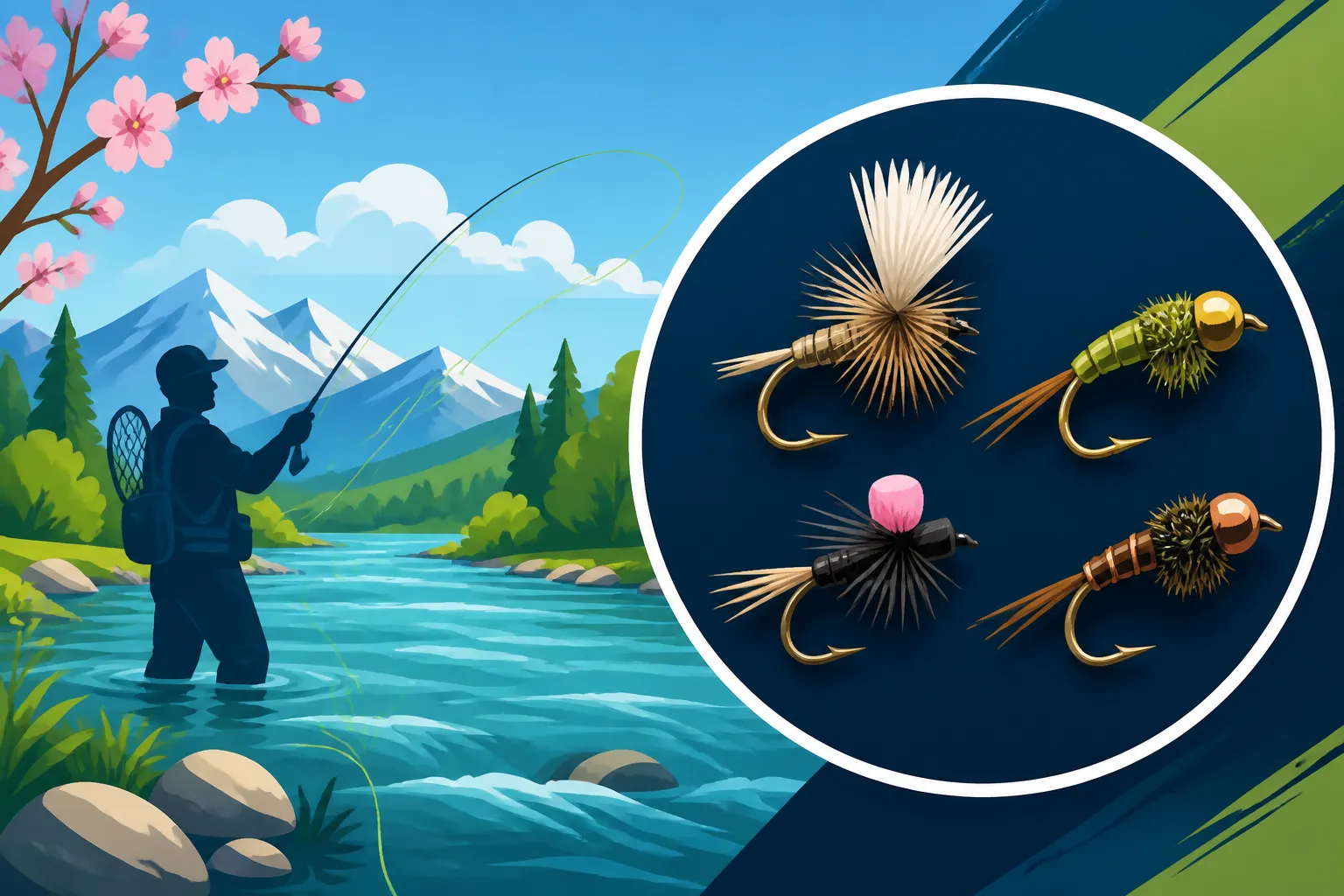
- Midges: On calm, overcast days, especially in early spring or on tailwater sections, you might observe trout sipping tiny midges from the surface. Have some Griffith's Gnats (sizes 18-22) or small Parachute Adams (sizes 20-24) ready. These opportunities are often short-lived and require stealthy approaches.
- Baetis (Blue-Winged Olives): The most anticipated dry fly hatch of spring is the Baetis hatch. These typically occur on warmer, overcast days, often from late morning into the afternoon. Look for consistent risers in slower eddies, back channels, or along bankside seams. A well-presented BWO Comparadun or Sparkle Dun (sizes 16-20) can be deadly. However, even when Baetis are hatching, fish often prefer the emerger, so an "emerger-style" dry fly, like a Harrop's CDC Thorax Dun, can be more effective.
- Mother's Day Caddis: Towards late spring, usually late April or early May (though often later on the Provo due to elevation and cold water), the massive Mother's Day Caddis hatch can occur. If the water has dropped and cleared significantly and temperatures are consistently warm, you might witness huge numbers of caddis adults fluttering on the surface. Elk Hair Caddis (sizes 12-16) or Goddard Caddis are the patterns to have for this hatch. This is one of the few times you might see widespread, aggressive dry fly takes in spring.
Effective Streamers for Aggressive Spring Trout
Don't underestimate the power of a streamer, especially when the river is high and off-color, and you're targeting larger, more aggressive brown trout. These fish are often looking for a substantial meal, and a streamer can perfectly imitate a baitfish or even a dislodged sculpin or juvenile fish. The Provo River is known for its healthy population of Brown Trout in Utah Rivers, and these fish are often willing to chase.
- Woolly Bugger: The classic Woolly Bugger is a must-have. Black, olive, or brown in sizes 4-10. Cast it upstream and strip it back, or swing it across currents. The pulsating action of the marabou and hackle is irresistible. Consider adding some weight to the leader to get it deep quickly.
- Sculpin Patterns: Patterns like the Sculpzilla or other weighted sculpin imitations in olive or black (sizes 4-8) can be incredibly effective. Sculpins are abundant in the Provo, and trout actively prey on them. Fish these with short, aggressive strips in deeper pools and undercuts.
- Clouser Minnow/Articulated Streamers: For truly aggressive presentations, especially when the water is slightly clearer but still high, a Clouser Minnow or a smaller articulated streamer can trigger reaction strikes. White, olive, or black are good color choices in sizes 4-8.
Remember to vary your retrieve speed and depth until you find what triggers a strike. Sometimes a slow, steady retrieve is best, other times an erratic strip-pause action will do the trick. A good selection of streamer patterns can be bought individually or in kits from retailers like Amazon.
Here's a quick summary table of essential spring flies for the Provo River:
| Spring Phase | River Conditions | Primary Targets | Recommended Nymphs | Recommended Dries/Streamers |
|---|---|---|---|---|
| Early Spring (March-April) | High, cold, off-color | Brown Trout, Rainbow Trout | Pat's Rubber Legs (6-12), Squirmy Worm (10-14), Zebra Midge (18-24) | Woolly Bugger (4-8), Griffith's Gnat (18-22 – spotty) |
| Mid-Spring (April-May) | High-to-moderate, clearing, warming | Brown Trout, Rainbow Trout | Pheasant Tail (16-20), RS2 (18-22), Green Rock Worm (12-16), Baetis Nymphs | BWO Comparadun (16-20), Sculpzilla (4-8) |
| Late Spring (May-Early June) | Moderate-to-clear, warmer | Brown Trout, Rainbow Trout | Barr's Emerger (18-22), Caddis Larva (12-16), Midge pupae (20-24) | Elk Hair Caddis (12-16), Mother's Day Caddis (12-16), Streamers for big fish |
Adapting Your Approach for Variable Spring Weather
One of the most defining characteristics of spring fishing in Utah is its unpredictability. One day it's sunny and mild, the next a storm rolls in, dropping temperatures and raising river levels. Being able to adapt on the fly (pun intended!) is what separates a successful spring angler from one who gets skunked.
Cold Snaps and Post-Storm Tactics
A sudden cold snap or a fresh spring storm can immediately drop water temperatures and often increase turbidity. When this happens, trout tend to become sluggish and less willing to move for food.
- Go Deep and Slow: This is a prime time for heavily weighted nymph rigs. Concentrate your efforts in the slowest, deepest pools and runs. Fish will often stack up in these areas to conserve energy. Consider an indicator rig with plenty of split shot, or switch to a Euro Nymphing setup to ensure your flies are bumping the bottom.
- Bright and Buggy: While trout might be lethargic, a highly visible, substantial pattern can still grab their attention. Continue to use your Pat's Rubber Legs and Squirmy Wormies in brighter colors if the water is off-color. On the other hand, if a cold snap brings clearer water, tiny black or red Zebra Midges can be surprisingly effective.
- Patience is Key: Don't expect aggressive takes. Strikes might be incredibly subtle—just a slight hesitation in your indicator, or a barely perceptible tick on your line. Be diligent with your mending and watch your line carefully. Fish tend to bite better in the warmer parts of the day, usually midday to early afternoon, during these cold periods. You might even find success on specific sections, like those around the Middle Provo River Access Near Vivian Park, which can fish differently than other stretches.
Sunny Days and Clearer Water Strategies
While less common during peak runoff, there will be periods of stable, sunny weather in spring, especially in sections of the Provo less affected by tributary inflows or during breaks in the runoff cycle. When the water drops and clears, trout become more wary and selective.
- Size Down and Refine: As clarity improves, it's time to downsize your nymphs. Swap those size 6 stoneflies for size 16-20 Baetis nymphs and smaller midges. Use lighter tippet (5x or even 6x if necessary) to present your flies naturally.
- Precise Presentation: Drag-free drifts become paramount. Trout in clear water have more time to inspect your fly, and any unnatural drag will send them scurrying. Focus on perfect upstream mends and careful line control. For techniques to improve your presentation, consider reading up on How to Match the Hatch on the Provo River.
- Look for Dries: Sunny, warmer days can sometimes trigger those precious Baetis hatches, especially in slower eddies or tailouts of pools. Keep an eye out for rising fish, and be ready to switch to a small dry fly. Even if fish aren't rising, a dry-dropper rig with a buoyant dry fly (like a larger Parachute Adams, even without a hatch) supporting a small nymph can be very effective in clearer, shallower runs.
- Target Different Water: With clearer, potentially lower water, fish might spread out more. Don't neglect riffles and pocket water, in addition to the deeper pools. The upper sections of the river, often detailed in a comprehensive Provo River Fishing Guide, can sometimes clear faster than the lower river. For those looking to wade, understanding How to Wade Fish the Provo River becomes even more critical on clearer days.
Ultimately, spring on the Provo River demands flexibility and a willingness to adjust your strategy based on the conditions. Carry a diverse fly box stocked with heavy nymphs, small midges, Baetis imitations, and a few streamers, and you'll be well-equipped for whatever Mother Nature throws your way.
Disclaimer
Please note that fishing regulations in Utah can change. Always consult the latest Utah Division of Wildlife Resources (DWR) fishing guide for the most up-to-date rules and specific regulations for the Provo River before heading out. This guide is for informational purposes only and does not supersede official DWR regulations.