Best Raft Setup for Fishing the Green River
The dream of floating down Utah's majestic Green River, casting to rising trout in its legendary waters, is something many of us cherish. But let's be honest, trying to figure out the absolute best raft setup for such an iconic trip can feel like trying to land a trophy brown trout on 6X tippet – incredibly rewarding when it goes right, but utterly frustrating if you're not prepared. You want to make sure your vessel is not just seaworthy, but perfectly optimized for fishing, comfort, and safety. This guide is here to untangle all those choices, helping you assemble the ideal raft setup so you can focus on the fishing, not fighting your gear.
Understanding the Green River's Unique Demands for a Raft
When you think about fishing the Green River, especially that incredible stretch below Flaming Gorge Dam, it's not just any old float trip. This river has character – from calm, glassy stretches where you can spot fish in crystal-clear water, to swifter currents and technical sections that demand precise boat control. Your raft isn't just a way to get from point A to point B; it's your mobile fishing platform, your gear locker, and your home away from home, especially if you're planning a multi-day adventure.
Why a Raft is Often Preferred Over Other Boats
While you might see kayaks or even smaller drift boats on certain parts of the Green River, a properly outfitted raft often becomes the vessel of choice for serious anglers and guides, particularly on multi-day trips. One of the biggest reasons is simply navigation and maneuverability. The Green River, with its varied currents, shallow spots, and subtle eddy lines, demands a boat that can be precisely controlled. A raft, especially when expertly rowed, can pivot on a dime, hold a precise line, and glide into those hard-to-reach pockets where the big fish often lie. This agility is absolutely crucial when you're trying to present a fly or lure perfectly to a feeding trout against a dynamic current.
Another significant advantage is safety and stability. Picture this: you've hooked into a gorgeous rainbow trout, and you need to stand up for a better fight or to quickly net your catch. A raft provides a much more stable platform for standing, especially compared to some kayaks or even lighter drift boats that can feel tippy when someone shifts their weight. This stability isn't just about fighting fish; it's about overall comfort and reducing the risk of an accidental dip. Furthermore, for those epic multi-day excursions that the Green is famous for, a raft offers unmatched capacity for hauling all your camping gear, extra food, water, and, of course, a mountain of fishing tackle. It transforms from a simple boat into a fully-fledged expedition vehicle.
Beyond the practicalities, there's the sheer comfort factor. Imagine yourself floating downstream, enjoying the stunning canyon scenery. With a raft, you often have more space to stretch out, more comfortable seating options, and dedicated spots for coolers and dry bags. This means less time fussing with cramped quarters and more time soaking in the experience. It also provides better accessibility to those remote sections of the river that might be less accessible by land, allowing you to discover untouched fishing holes and truly get away from it all. For many, a raft isn't just a vessel; it's an integral part of the Green River Below Flaming Gorge Dam experience.
Key Characteristics of an Ideal Green River Fishing Raft
So, what exactly makes a raft "ideal" for fishing the Green River? It really comes down to a few critical design elements that cater to both the river's conditions and an angler's needs. First off, consider size. You need to strike a delicate balance. A raft that's too small will leave you and your companions feeling cramped, with little room for gear or comfortable casting. On the flip side, a raft that's too large can become unwieldy, making it difficult to navigate tight spots or hold a precise drift in varied currents. Most anglers find that rafts between 13 and 16 feet offer a good sweet spot, providing ample space for two to three anglers plus a rower, along with all the necessary gear for a multi-day trip.
Next, material durability is paramount. The Green River, while often tranquil, can have rocky sections, especially during lower flows or if you find yourself drifting into an unforeseen obstacle. You'll want a raft made from robust materials like PVC or Hypalon. Both offer excellent puncture resistance and durability, though they have different characteristics. A self-bailing floor is also practically a non-negotiable feature for river fishing. Water inevitably gets in – from splashes, rain, or wet gear – and a self-bailing design means that water drains out automatically, keeping your feet and gear dry without you having to constantly bail.
Finally, the rocker profile of the raft plays a role in how it handles the river. The "rocker" refers to the upward curve of the bow and stern. A higher rocker helps the raft ride over waves and navigate rapids more gracefully, minimizing the chance of taking on water. While the Green River below Flaming Gorge isn't known for its huge whitewater, some sections can have spirited riffles and waves, especially at higher flows. A good rocker profile ensures a smoother, drier ride, allowing you to focus on the fish, not the waves.
| Raft Material | Pros | Cons | Ideal For |
|---|---|---|---|
| PVC | Generally more affordable; good abrasion resistance; heat-welded seams (strong). | Can be less flexible in very cold weather; UV degradation can be an issue over time if not protected. | Budget-conscious anglers; frequent use in moderate climates; those who store their raft indoors. |
| Hypalon | Excellent abrasion and UV resistance; very flexible in cold temperatures; easy to patch in the field. | More expensive; seams are glued (can delaminate over long periods/poor maintenance). | Serious, long-term anglers; frequent multi-day trips; extreme cold or sun exposure. |
Essential Components of Your Green River Raft Setup
Think of your raft as a blank canvas, and the frame, oars, and storage as the fundamental strokes that bring it to life as a fishing machine. Each component plays a crucial role in creating a functional, comfortable, and safe platform for your Green River angling adventures. Skimping on these basics can lead to frustrating experiences and even compromise your safety.
The Raft Frame: The Backbone of Your Fishing Rig
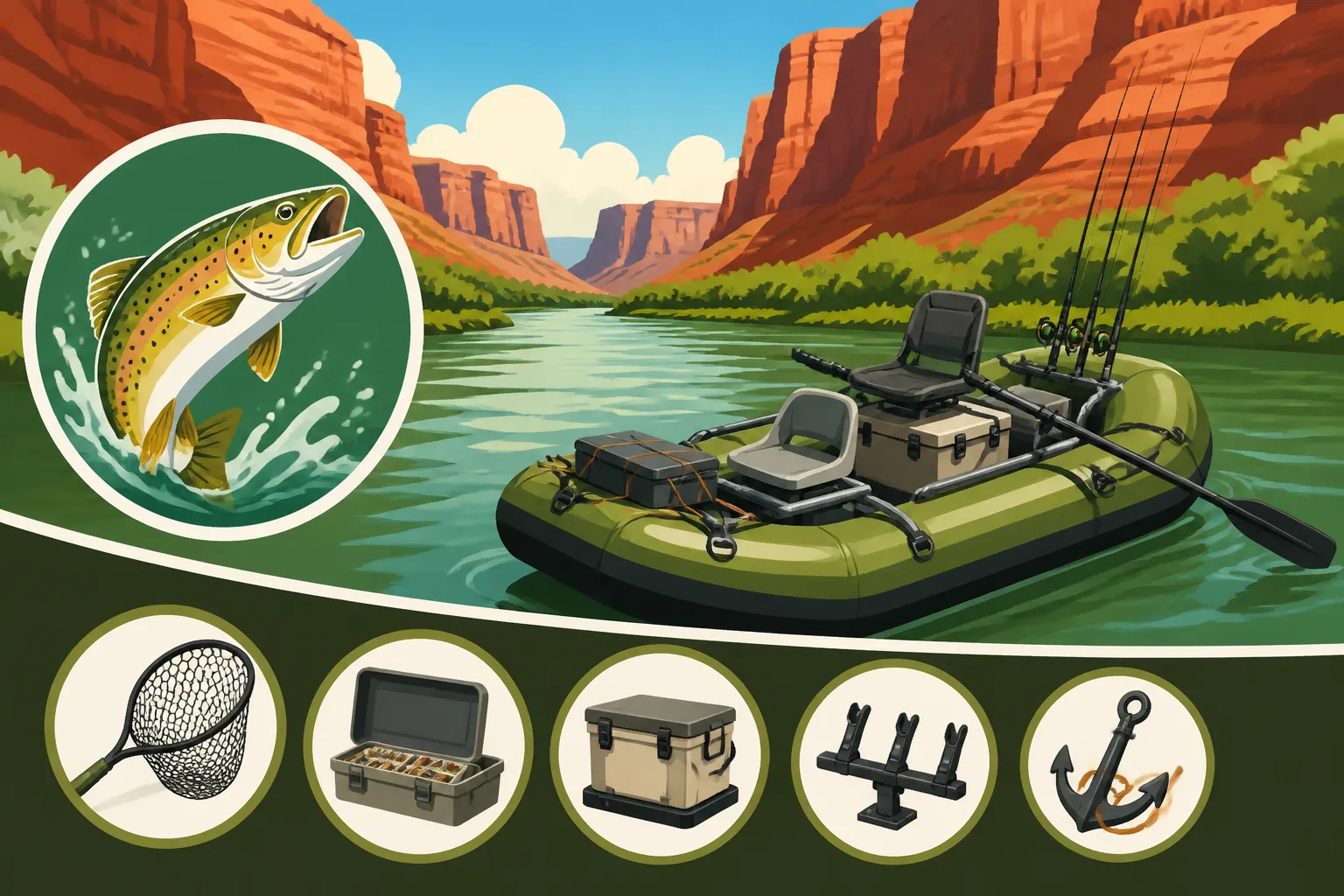
The frame is, without a doubt, the skeleton of your fishing raft. It provides structural integrity, supports your gear, and, most importantly, creates a stable rowing station. You'll typically find frames made from aluminum or steel. Aluminum frames are popular for their lighter weight and corrosion resistance, which is a huge plus when constantly exposed to water. Steel frames, while heavier, can offer superior rigidity and strength. Many modern frames are modular, allowing for incredible customization. This means you can add or remove components as needed, adapting your rig for a quick day trip or a week-long expedition.
Key frame components include robust oar stands, which are essential for secure oarlocks and efficient rowing. You'll also want integrated dry boxes or dedicated bays for securing coolers. These not only provide storage but often double as comfortable seating or casting platforms for anglers. A solid rowing station, positioned ergonomically, is critical for the person at the oars. Imagine trying to row all day on the Green River with a flimsy or uncomfortable setup; fatigue sets in quickly, and your ability to maintain a precise drift suffers.
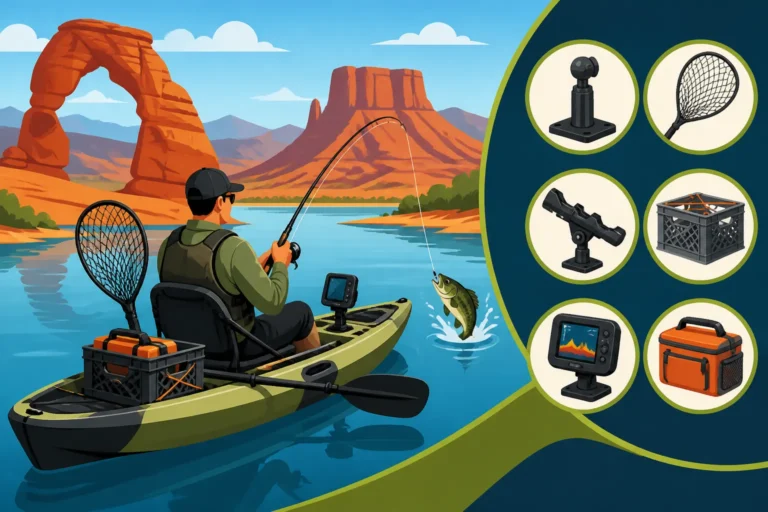
Customization for angling is where a good frame truly shines. Look for frames that allow for easy addition of rod holders, stripping baskets, and casting braces. Rod holders are invaluable for keeping multiple rods secure and organized while you're navigating, eating lunch, or simply changing flies. A real-world scenario might involve having one rod rigged for nymphing, another for streamers, and a third for dry flies. Good rod holders allow you to quickly switch between presentations without tangles or lost gear. Casting braces provide stability for anglers, especially when standing to make long casts or fight a strong fish. Bass Pro Shops and other dedicated outdoor retailers often carry a wide range of frame accessories designed specifically for fishing rafts.
Ultimately, a well-designed and properly set up frame doesn't just hold your raft together; it actively enhances your fishing experience. It provides the stability for confident casting, the accessibility to your gear, and the overall efficiency that can make or break a successful day on the water.
Oars and Oarlocks: Your Control System
Your oars are your connection to the river, your steering wheel, and your accelerator. The choice of oar material and length is critical. Oars are typically made from wood, fiberglass, or carbon fiber. Wooden oars offer a classic feel and good flex, while fiberglass oars are durable and often seen as a good all-around choice. Carbon fiber oars are the lightest and stiffest, reducing fatigue over long days of rowing, but they come with a higher price tag. The length of your oars is determined by the width of your raft. Too short, and you won't get enough leverage; too long, and they'll be awkward to row. A general rule of thumb is that the oar shaft should extend roughly a third of its length past the oarlock.
Oarlocks are equally important. Pinned oarlocks keep the oar securely attached to the frame, preventing loss if you drop an oar, but they can restrict feathering (turning the blade flat to the current to reduce drag). Unpinned oarlocks allow for more freedom of movement and feathering, which can be beneficial in windy conditions or when maneuvering precisely, but there's a risk of dropping an oar. Many experienced Green River guides opt for a strong, unpinned oarlock for maximum control.
A crucial, often overlooked, aspect is the importance of spare oars and regular maintenance. Imagine being miles downriver from the take-out, having snapped an oar on a submerged rock. It's a real-world scenario that can quickly turn a fun trip into a dangerous ordeal. Always carry at least one spare oar, securely lashed to your raft. Regularly inspect your oars for cracks or splinters, and check your oarlocks for wear. Proper maintenance ensures your control system is always ready when you need it most.
With the right oars and oarlocks, you can prevent unnecessary fatigue and, most importantly, achieve precise boat positioning. This precision is absolutely vital for effective fishing, especially for techniques like nymphing or dry fly fishing where exact placement upstream of a fish is paramount. It allows you to hold your boat in a specific seam, slow your drift for a longer presentation, or quickly move to intercept a rising fish. Knowing you have complete control over your vessel significantly boosts your confidence and, ultimately, your success on the water.
Seating and Storage Solutions for Comfort and Efficiency
Beyond the basic framework, how you outfit your raft with seating and storage can dramatically impact your comfort and the overall efficiency of your fishing trip. Angler seating is key. Forget about sitting directly on a cold, wet raft tube all day. Invest in comfortable, high-back swivel seats mounted to your frame. Swivel seats allow anglers to easily turn and cast in any direction without having to contort their bodies, greatly reducing fatigue and improving casting angles. For the guide or rower, a comfortable, well-positioned seat is equally important for endurance and effective boat control.
When it comes to storage, dry boxes and dry bags are your best friends on the Green River. Protecting your electronics (camera, phone, GPS), extra layers of clothing, food, and other essentials from water is non-negotiable. Hard-sided dry boxes, often integrated into the frame, provide robust, waterproof storage for bulkier items. For smaller, frequently accessed items, heavy-duty dry bags are fantastic. Look for brands known for their waterproofing and durability, available at reputable outdoor stores or online at Amazon. Losing gear to a rogue splash or a sudden downpour is a frustration no angler wants to experience.
Cooler placement and securing is another thoughtful consideration. Your cooler isn't just for drinks and food; it can often double as an extra seat or even a stable casting platform when properly secured to the frame. Brands like Yeti or RTIC are popular for their insulation and rugged construction, keeping your provisions cold for days on end. Always ensure your cooler, and indeed all your gear, is strapped down securely to the frame. A loose cooler sliding around the raft is a hazard, and losing it overboard is a disaster. Using cam straps or ratchet straps ensures everything stays put, even in choppy water or during aggressive maneuvering.
A well-organized raft means less time searching for gear and more time fishing. It means your lunch is dry, your spare jacket is accessible, and your camera is safe. Investing in quality seating and smart storage solutions is an investment in a more enjoyable, stress-free, and productive Green River fishing experience. You'll find a wide selection of these essentials at places like Bass Pro Shops.
Outfitting Your Raft for Peak Green River Fishing Performance
Once you've got the foundational frame, oars, and storage in place, it's time to really fine-tune your raft setup for fishing. These specialized additions are what transform a general-purpose raft into a highly efficient angling machine, allowing you to maximize your time on the water and protect your valuable gear.
Rod Holders and Stripping Baskets: Angler-Specific Additions
For any serious Green River angler, rod holders are not a luxury; they're an absolute necessity. You'll want a variety of types to suit different needs: vertical holders to keep rods upright and out of the way, horizontal holders for quick access while still keeping tips clear, and even flush-mount options for a cleaner deck. The Green River often demands quick changes in technique – one moment you might be Best Nymph Rig for the Green River Tailwater, the next you're casting a streamer to a bank or throwing a dry fly to a hatch. Having multiple rods rigged and ready, securely stowed in their holders, means you can make these transitions seamlessly without wasting precious fishing time or risking damage to your expensive rods.
Stripping baskets are another game-changer, especially for fly fishing from a raft. If you've ever tried to manage a long fly line while standing on a raft, dealing with wind, tangled line around boat hardware, or having it get caught underfoot, you know the frustration. A stripping basket keeps your line contained and prevents tangles, allowing for cleaner, more efficient casts. This is particularly vital in windy conditions or when executing complex casts, like those needed for delicate dry fly presentations or long-distance streamer throws. They also prevent line from dragging in the water, which can spook fish or create unnecessary drag.
Strategic placement of these accessories is key. Rod holders should be within easy reach but positioned so they don't interfere with casting lanes or movement around the raft. Stripping baskets should be at a comfortable height for the angler, allowing for a smooth retrieve and hassle-free line management. Imagine a real-world scenario: you're drifting along, and suddenly a fish starts rising aggressively. With your dry fly rod ready in a holder and your stripping basket at hand, you can quickly grab it, make a cast, and be fishing in seconds, rather than fumbling with tangled line or an unrigged rod. Protecting your valuable gear is also a huge benefit; a good holder keeps your rod from sliding off the raft and into the water.
Safety and Navigation Gear for the Green River
While the Green River is generally considered safe for rafting, especially the famous fishing sections, no trip on the water should be taken lightly. Safety gear is non-negotiable. First and foremost, everyone on board must have a properly fitting Personal Flotation Device (PFD). This isn't just good sense; it's required by law. Always check Life Jacket Requirements on a Utah Boat to ensure you're compliant. Beyond PFDs, a throw bag with a rescue rope is essential for emergencies. A well-stocked first-aid kit, waterproofed and easily accessible, can handle anything from minor cuts to more serious injuries.
Navigation tools are equally important, even if you're with an experienced guide. Always carry a detailed physical map of the river section you're floating, in case electronics fail. A waterproof GPS unit or a smartphone with a reliable mapping app (and a waterproof case!) can provide real-time location and track your progress. Knowing exactly where you are, where the access points are, and being aware of any potential hazards downstream is crucial for a smooth trip. A simple compass can also be a lifesaver if you get disoriented.
Don't forget a raft repair kit. Even the most durable rafts can get a leak. A patch kit, adhesive, and a high-volume air pump can literally save your trip. Extra rope is incredibly versatile for tying off, creating emergency repairs, or securing gear. For communication, especially in areas with limited cell service, consider a satellite messenger device. It allows you to send emergency signals or check in with loved ones, providing peace of mind. Prepping for any emergency, no matter how unlikely, is a hallmark of a responsible angler and boater.
Anchoring Systems and Drags for River Control
Maintaining precise boat control on a flowing river is an art, and anchoring systems and drags are crucial tools in a rower's arsenal. For river use, you'll want specific anchor types that dig in effectively without getting permanently snagged. Pyramid anchors or box anchors are popular choices, as are drag chains for slowing momentum without completely stopping. The weight of your anchor will depend on the size of your raft and the strength of the current. You need enough weight to hold position, but not so much that it's unmanageable.
An efficient anchor system involves more than just the anchor itself. Pulleys and cleat systems, often mounted on the frame, allow for easy deployment and retrieval of the anchor. This means the rower can quickly drop or raise the anchor without leaving their seat, which is invaluable for holding a spot, or stopping to untangle a line, or even pulling over for lunch. A quick-release system is also a must-have safety feature, allowing you to ditch the anchor instantly in an emergency.
Drags, also known as drogues or drift socks, are another fantastic tool for river control. These parachute-like devices are deployed off the stern of the raft and create drag in the water, effectively slowing your drift. This is incredibly useful in faster sections of the Green River, allowing anglers more time to present their flies or lures to specific fish or structure. They can also help the rower maintain a straighter drift in turbulent water. Knowing when and how to deploy your drag can significantly enhance your fishing opportunities.
The ability to precisely maintain boat position, whether by holding steady with an anchor or slowing your drift with a drag, directly translates to more effective fishing. It allows for longer, more natural presentations, gives anglers more time to target specific fish, and reduces the frantic rush that can often accompany fishing from a moving boat. For a good understanding of anchor principles, even if applied to different vessels, you might find some useful tips in Best Anchor Style for a Kayak on Utah Lake.
Setting Up Your Raft for Different Green River Fishing Scenarios
The Green River offers a diverse range of fishing experiences, from quick day trips to immersive multi-day expeditions. Your raft setup should be flexible enough to adapt to these different scenarios, ensuring optimal comfort, storage, and fishing efficiency for whatever adventure you choose.
Single-Day Float vs. Multi-Day Expedition Setups
The distinction between a single-day float and a multi-day expedition setup is primarily about maximizing storage and managing weight. For a day trip on the Green River, you'll want a lighter, simpler setup. This means fewer dry bags, a smaller cooler that's easy to access, and only the core fishing gear you'll need for a few hours on the water. The focus is on agility and quick access. You might only need one main dry box for essentials and a few small dry bags for personal items, leaving more open deck space for casting.
However, once you start planning a multi-day trip, things change considerably. This is where your raft really earns its keep as a portable base camp. You'll be maximizing every inch of storage space, integrating camping gear like tents, sleeping bags, and sleeping pads, along with cooking equipment, extra food, and a substantial water supply or filtration system. Larger dry boxes become essential, and you might even add cargo nets or mesh bags to secure items on top of dry boxes, as long as they don't compromise balance or safety.
Weight distribution and balance become incredibly important on multi-day trips. An overloaded raft or one with poorly distributed weight can become unstable, difficult to row, and even dangerous, especially if you encounter any unexpected currents or waves. Imagine trying to navigate a swift turn with all your gear piled haphazardly in the bow; it could make the raft unresponsive and increase the risk of an upset. Always pack heavy items low and centered, and distribute weight evenly from front to back and side to side. Taking the time for a thorough pre-trip planning session and creating detailed packing lists, which you can often find resources for at Bass Pro Shops or Amazon, will save you headaches on the river. Considerations for comfort, especially in varying weather, are also important; remember to review tips like How to Layer Clothing for a Utah Winter Fishing Trip to ensure you're prepared for whatever conditions the Green might throw at you.
Optimizing for Fly Fishing vs. Spin Fishing
The Green River is a world-renowned fly-fishing destination, but it can also offer excellent spin fishing opportunities. Your raft setup can be optimized to cater to either, or even both, simultaneously. For dedicated fly fishing, the emphasis is on ample, unobstructed casting space. A clean deck, free from clutter, is crucial for backcasts and line management. Stripping baskets (as discussed earlier) are vital. You'll also want easy access to multiple fly rods, perhaps with different line weights or rigged for different techniques (dry, nymph, streamer). Think about how you’ll move around the boat to cast from different angles. How to Fly Fish From a Drift Boat on the Green River offers excellent insights into boat positioning for this technique.
If spin fishing is your primary method, your considerations will shift slightly. You'll still want good rod holders, perhaps more focused on keeping spinning rods secure while you're actively casting or retrieving. Accessibility to a well-organized tackle box, full of spinners, spoons, and various lures, is key. If you're using bait, dedicated bait storage (often a livewell or a sealed container) will be important. Spin fishing might involve more direct casting towards banks or structure, so ensuring clear lines of sight and minimal obstructions is still paramount.
For many groups, a dual-purpose setup is ideal, accommodating both fly anglers and spin anglers comfortably. This often involves careful planning of rod holder placement, ensuring that a stripping basket for the fly angler doesn't impede the casting motion of the spin angler, and vice-versa. Communication between the guide/rower and the anglers is always key, regardless of technique. The rower's ability to position the boat precisely for the chosen fishing method directly impacts success. Whether you're targeting specific fish with a delicate dry fly or covering water with a spinner, the right raft setup ensures everyone has a productive and enjoyable time. For general gear organization, even a topic like Best Tackle Box Organizer for a Trout Angler can provide useful ideas for your Green River rig.
Disclaimer
This article is for general informational purposes only and does not constitute professional advice. Laws, prices and regulations vary by location and change over time. Consult a qualified professional for guidance on your specific situation.