How Deep Lake Trout Live in Summer
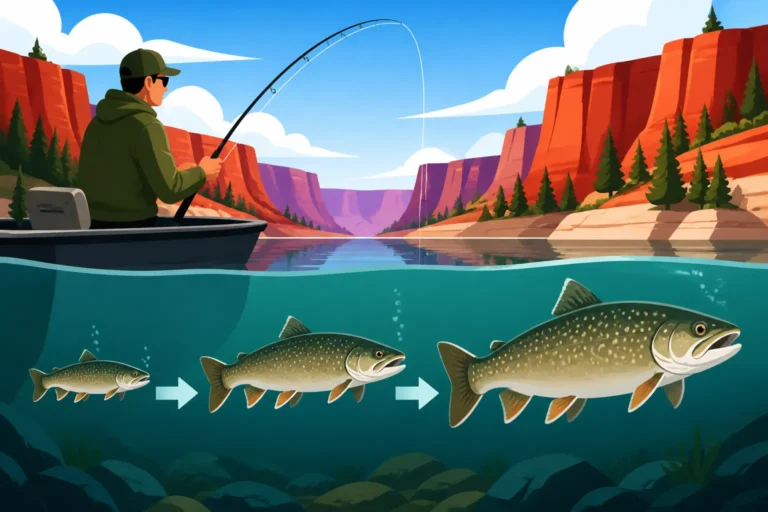
The summer months can be both a blessing and a curse for Utah anglers. While the weather is beautiful and the days are long, finding your target species can sometimes feel like a wild goose chase. This is especially true for lake trout, or "mackinaw" as many of us call them, who seem to vanish into thin air once the sun gets high. Many experienced anglers find themselves trolling and jigging in depths that work in spring or fall, only to come up empty-handed. But don't worry, this guide is here to shed light on exactly where these elusive deepwater dwellers retreat when the heat is on, and how you can successfully target them in Utah's stunning reservoirs.
The Summer Migration: Why Lake Trout Go Deep
It's not just a preference; it's a matter of survival for lake trout when the Utah summer sun warms up our vast reservoirs. Unlike some other fish species that tolerate warmer water, lake trout are cold-blooded creatures that thrive in specific, chilly conditions. When the surface water heats up, they have no choice but to seek refuge in the cooler, deeper parts of the lake. This isn't just about comfort; it's intricately linked to their physiological needs for oxygen and their pursuit of primary food sources.
Thermal Stratification and Preferred Temperatures
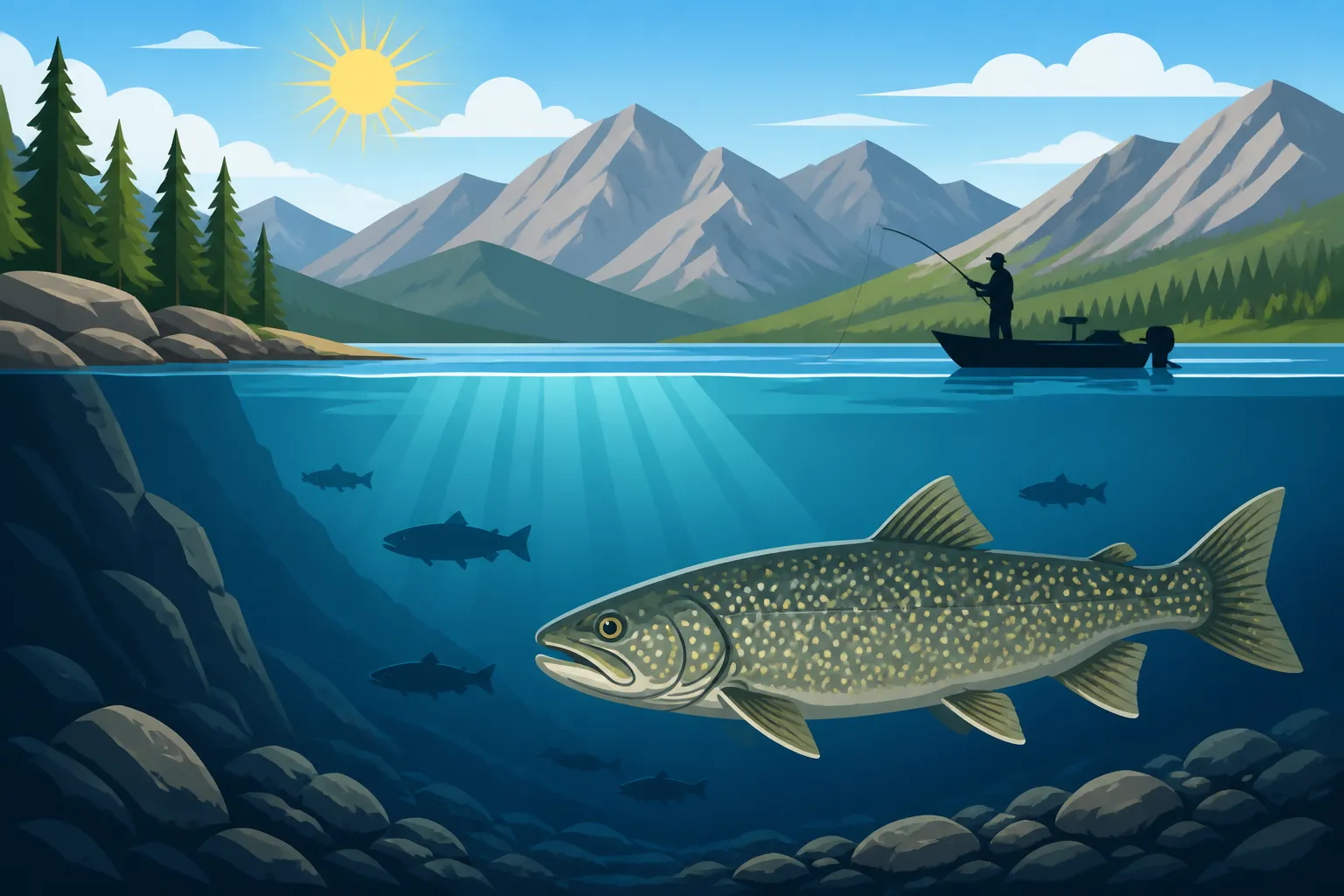
As summer progresses, Utah's larger lakes undergo a process called thermal stratification. Imagine the lake water forming distinct layers, much like an onion. The top layer, called the epilimnion, is warm and exposed to the sun and wind. Below that is the metalimnion, or thermocline, a transitional zone where the temperature drops rapidly. Finally, at the bottom is the hypolimnion, a deep, cold, and often dark layer. Lake trout, being naturally adapted to cold water, will gravitate towards the thermocline and hypolimnion, where temperatures typically range from about 45 to 55 degrees Fahrenheit (7-12 degrees Celsius).
Anglers often make the mistake of assuming surface water temperatures are indicative of the entire water column. They might see other species active near the surface and think the lake trout should be there too. However, lake trout simply cannot survive for long in the warmer surface waters. They are physiologically stressed by temperatures above their preferred range, and anything much warmer can be lethal. They are constantly searching for that perfect temperature band, a narrow comfort zone that shifts subtly throughout the season and even day-to-day. Understanding this stratification is the first key to unlocking their summer whereabouts, and you can learn more about this by reading How Water Temperature Affects Utah Trout Fishing.
Oxygen Levels in Deeper Waters
While the pursuit of cold water is paramount, it's not the only factor driving lake trout deep. Dissolved oxygen levels play an equally critical role. Cold water generally holds more dissolved oxygen than warm water, which is good news for cold-water species. However, as you go deeper into the hypolimnion, especially in some lakes, the oxygen levels can start to drop significantly due to decomposition of organic matter on the lakebed and lack of photosynthesis. This creates a "sweet spot" within the water column where the temperature is cold and the oxygen is plentiful.
This means that sometimes, the absolute deepest parts of a lake might be too oxygen-depleted for lake trout, even if the temperature is ideal. They will instead hold just above this anoxic zone, often along the bottom edge of the thermocline or in the upper part of the hypolimnion. This band of habitable water can be surprisingly narrow, making precise depth control crucial for successful summer fishing. It's a delicate balance, and the fish are experts at finding that perfect equilibrium.
Following the Food Source
Lake trout aren't just looking for comfortable temperatures and good oxygen; they're also looking for their next meal. Their primary forage fish, such as kokanee salmon, cisco, or even smaller cutthroat trout, are often also cold-water species. These baitfish also follow the thermocline and concentrate in the same cooler, oxygenated depths. Therefore, by instinctively seeking their preferred environmental conditions, lake trout are also positioning themselves where their food sources are most abundant. It’s a natural predator-prey dynamic played out in the cooler depths.
For example, in a lake like Flaming Gorge, the lake trout will often track the schools of kokanee salmon. If you can locate the kokanee, you're often in the right neighborhood for the mackinaw. This interconnectedness means that understanding the behavior of baitfish is almost as important as understanding the lake trout themselves. Their entire summer ecosystem revolves around these deeper, cooler water columns. We delve into their diet in more detail in What Lake Trout Eat at Flaming Gorge.
Typical Depths for Summer Lake Trout in Utah
So, now that we understand why they go deep, the burning question is: how deep? The precise answer can vary significantly from one Utah reservoir to another, and even within the same lake on different days. However, there are general ranges and factors that can help guide your search.
General Depth Ranges Across Utah's Reservoirs
For most of Utah's prime lake trout fisheries during the summer, you can expect to find these fish anywhere from 50 to 150 feet deep, and sometimes even deeper in very large, deep reservoirs like Flaming Gorge. It's not uncommon for anglers to target them successfully at 80, 100, or even 120 feet below the surface.
Let's look at some examples:
| Reservoir | Typical Summer Lake Trout Depth Range | Notes |
|---|---|---|
| Flaming Gorge | 70-150+ feet | Often found over submerged structure, following kokanee schools. |
| Bear Lake | 50-100 feet | Can be shallower in early summer, deeper as temperatures rise. |
| Fish Lake | 60-120 feet | Look for them near drop-offs and main lake basins. |
| Pineview Reservoir | 40-80 feet | Smaller, shallower lake, so depths might be less extreme. |
These are not hard and fast rules, but rather starting points. Always be prepared to adjust. For comprehensive information on specific lakes, check out our guides like Flaming Gorge Fishing Guide, Bear Lake Fishing Guide, and Fish Lake Trophy Trout Fishing.
Factors Influencing Specific Depths Day-to-Day
While the overall deepwater trend remains consistent, the exact depth can fluctuate. Here are a few things that can influence where lake trout decide to hang out on any given day:
- Time of Day: During low-light conditions, such as early morning or late evening, lake trout might briefly venture slightly shallower, perhaps moving up a deep ledge or hump to feed. However, once the sun is high and bright, they typically retreat to their deeper comfort zones.
- Weather Conditions: A cloudy day or a mild cold front can sometimes allow lake trout to suspend a bit higher in the water column compared to a bright, sunny, and hot day. Conversely, prolonged heat waves will push them even deeper. Strong winds can also impact baitfish distribution, which in turn influences where the lake trout will position themselves. Understanding How Wind Affects Fishing on Utah Reservoirs can be a huge asset.
- Forage Concentration: The single biggest day-to-day determinant of specific depth is often where their food is. If baitfish schools are concentrated at 90 feet over a certain structure, that's exactly where the lake trout will be. They are not going to expend unnecessary energy chasing scattered prey.
- Structure: Lake trout love structure, even deep underwater. This includes submerged humps, deep points, old creek channels, and significant drop-offs. They will often relate to these features, using them as ambush points or resting areas within their preferred depth range. Your electronics will be key to finding these.
Reading Your Electronics for Depth Clues
Modern fish finders and sonar units are indispensable tools for summer lake trout fishing. They don't just show you fish; they paint a picture of the underwater world. Pay close attention to:
- The Thermocline: Many advanced fish finders can display water temperature at various depths, helping you pinpoint the thermocline. Even without a temperature graph, you can often visually identify the thermocline as a distinct, often hazy or denser, layer on your sonar screen where strong returns might be visible from plankton or baitfish congregating. This is your primary depth indicator for cold-water species.
- Bait Balls: Look for dense schools of baitfish, often appearing as "clouds" or "balls" on your screen. These are critical indicators, as lake trout are rarely far from their food source. If you see bait at 80 feet, start focusing your efforts around that depth.
- Fish Arches/Marks: Lake trout will appear as large, strong arches or marks on your sonar. Look for these near baitfish schools or suspended over deep structure. Pay attention to the depth at which you consistently mark fish. A good fish finder, readily available on platforms like Amazon, can make all the difference in locating these deep-water giants. For more guidance, check out How to Read a Fish Finder for Utah Reservoirs.
Strategies for Targeting Deep-Dwelling Lake Trout
Now that you know where the lake trout are hiding, how do you get your lure down to them effectively? Targeting fish at such extreme depths requires specialized equipment and refined techniques. It's not the same as casting for a rainbow trout in a mountain stream!
Equipment for Deep Water Presentation
Fishing at 50 to 150+ feet demands robust gear capable of handling heavy weights and powerful fish.
- Heavy Tackle: You'll need a stout rod with a strong backbone, often in the medium-heavy to heavy power range, typically 7 to 9 feet long for trolling. Pair this with a reliable baitcasting reel that has a smooth, powerful drag system and a high line capacity. The significant pressure of fighting a large fish from these depths cannot be underestimated, nor can the strain of constantly retrieving heavy gear.
- Line Choice: Braided line is almost a necessity for deepwater lake trout. Its low stretch provides incredible sensitivity, allowing you to feel subtle bites even at extreme depths, and its thinner diameter cuts through the water better, reducing drag. Spool your reel with 30-60 lb test braid and use a fluorocarbon leader (15-30 lb test) for abrasion resistance and invisibility to the fish. You can find a vast selection of high-quality braid and fluorocarbon leaders on Amazon.
- Downriggers: These are perhaps the most essential piece of equipment for consistent deepwater trolling. Downriggers allow you to precisely control the depth of your lure, ensuring it stays in the strike zone, whether that's 70 feet or 130 feet. They use a heavy cannonball weight to pull your line down, releasing it when a fish strikes. Learning how to use them effectively is a game-changer for lake trout fishing. Dive deeper into this topic with Best Downriggers for Flaming Gorge Lake Trout and How Deep Should You Set a Downrigger for Flaming Gorge Lake Trout?.
- Heavy Weights/Jigs: For vertical jigging, you'll need jigs weighing anywhere from 1 to 4 ounces, or even more, depending on depth and current. These heavy baits are necessary to reach the bottom quickly and stay in the strike zone.
Trolling Techniques for Summer Lake Trout
Trolling is arguably the most popular and effective method for covering water and finding active lake trout in the summer.
- Slow Trolling Speeds: Unlike some other species, lake trout often prefer a slower, more deliberate presentation. Trolling speeds typically range from 1.5 to 2.5 miles per hour. Experiment with subtle changes, as even a quarter-mile-per-hour difference can be the key to getting a bite on a tough day. Keep an eye on your boat speed and adjust for wind and current.
- Lure Selection: Large spoons (like Daredevils, Krocodiles, or R&K Tackle spoons), deep-diving crankbaits, swimbaits, and even large tube jigs or squids fished behind dodgers or flashers are all excellent choices. The flash and vibration created by these lures are crucial for attracting fish in the low-light conditions of deep water. Colors can vary, but silver, white, chartreuse, and patterns that mimic local baitfish are often effective.
- Importance of Scent: Don't underestimate the power of scent, especially in deep, dark water. Tipping your lure with a piece of anchovy, sucker meat, or even a commercially available scent gel can significantly increase your strike rate. Lake trout rely heavily on their sense of smell, so giving them an extra reason to bite can be very effective. You can easily find various scents and specialized lures on Amazon.
- Zig-Zag Patterns and Structure: Rather than just trolling in a straight line, vary your boat's path. Wide turns and zig-zagging can make your lures speed up and slow down, creating an erratic action that can trigger strikes. Focus your efforts over and around deep structures you've identified on your sonar, such as submerged humps, ridges, and drop-offs. Learn more about effective trolling in Utah Trolling Techniques for Lake Trout.
Vertical Jigging in Deep Water
When you've located a concentration of fish on your sonar, especially near structure, vertical jigging can be incredibly effective. This allows for a more direct, pinpoint presentation.
- Locating Fish on Sonar: This technique absolutely relies on your fish finder. Once you mark a school of baitfish with larger arches of lake trout beneath or around them, or spot fish relating to a specific piece of deep structure, position your boat directly over them. Using your boat's GPS to mark these spots is crucial for returning to them.
- Jigging Spoons, Heavy Tube Jigs, or Soft Plastics: Drop your chosen jig (a heavy spoon, a large tube jig, or a weighted soft plastic like a grub or swimbait) directly down to the fish's depth or just above the bottom.
- Aggressive vs. Subtle Actions: Experiment with your jigging retrieve. Sometimes an aggressive lift-and-drop motion with a momentary pause is what they want, mimicking a fleeing baitfish. Other times, a more subtle, smaller twitching motion, keeping the lure almost in place, will trigger a strike. It can also involve a "rip-jigging" technique where you make long, powerful upward rips of the rod, followed by a free fall on a semi-slack line, allowing the lure to flutter. This technique, though often associated with ice fishing, is also highly effective in open water. You can adapt lessons from How to Vertical Jig for Lake Trout Through the Ice to your open-water strategy.
- Maintaining Contact: It's vital to maintain contact with your lure. This means feeling the bottom (or the desired depth) and detecting even the slightest tap. The strike can often be very light when fish are in deep, cold water. Watch your line where it enters the water for any hesitations or twitches.
Common Mistakes and How to Avoid Them
Even with the right knowledge, it's easy to fall into common traps when pursuing lake trout in the heat of summer. Being aware of these pitfalls can save you a lot of time and frustration on the water.
Fishing Too Shallow
This is hands down the most frequent mistake made by anglers targeting summer lake trout. The allure of shallower, more comfortable water is strong, and it's easy to assume that if there are fish at 20 or 30 feet in spring, they'll still be there in July. But as we've discussed, those warm surface temperatures are a no-go for mackinaw. If you're not consistently marking fish at depths of 50 feet or more (depending on the lake and conditions), you're almost certainly fishing above them.
To avoid this, commit to deepwater tactics. Don't be afraid to spool up with enough line, use those heavy weights, and trust your sonar. Even if you don't see fish on the screen right away, start by dropping your lures to the established thermocline or known deep structure. Sometimes, the fish are there, but your sonar might not be reading them perfectly due to various factors. Embrace the depths, and you'll find much more consistent success.
Not Adapting to Conditions
Another common error is getting stuck in a rut. You might find fish at 80 feet one day, and then the next week, despite similar conditions, you're not getting bites. Lake trout, like all fish, are influenced by a myriad of environmental factors that change subtly. A slight shift in a cold front, increased boat traffic, or a change in baitfish patterns can all cause them to adjust their depth or location.
Successful lake trout anglers are constantly observing, experimenting, and adapting. This means not just checking your sonar for fish, but also monitoring water temperature, noting wind patterns, and paying attention to where other boats are finding success (without crowding them, of course!). If your usual depth isn't producing, try moving five or ten feet deeper, or shallower. Change your lure color, size, or action. Don't assume what worked yesterday will work today without verifying the conditions.
Inadequate Gear and Preparation
Attempting to catch deepwater lake trout with gear meant for panfish or even smaller trout is a recipe for disappointment and often lost fish. The sheer power of a large lake trout combined with the resistance of hundreds of feet of line can snap lighter tackle.
Here are some common gear mistakes:
- Underpowered Rods and Reels: Using a light action rod means you won't have the leverage to effectively fight a deep-running fish, and a reel with a weak drag will lead to break-offs. Invest in a proper medium-heavy or heavy rod and a quality baitcasting reel.
- Inadequate Line: Fishing with monofilament in deep water results in too much stretch, making it hard to detect bites and set the hook. Spooling with too light a line can lead to frustration when a trophy fish snaps off. Always opt for braided mainline with a fluorocarbon leader.
- Not Enough Weight: If your jigs or downrigger weights are too light, they won't reach the desired depth efficiently, or they'll be swept away by currents, making precise depth control impossible. Always carry a range of heavy weights.
- Lack of Spares: Hooks get dull, swivels fail, and lures get lost to snags. Having spare terminal tackle and a few extra lures on hand, easily stocked through a quick order on Amazon, can prevent a fantastic fishing day from being cut short by a minor equipment issue.
Taking the time to check your knots, sharpen your hooks, and ensure your gear is in top condition before you hit the water will pay dividends when that big mackinaw finally bites at 100 feet.
Disclaimer
This article is for general informational purposes only and does not constitute professional advice. Laws, prices and regulations vary by location and change over time. Consult a qualified professional for guidance on your specific situation.