Average Size of a Stocked Utah Trout
One of the most common questions I hear from folks new to fishing in Utah, or even seasoned anglers trying a new spot, is "What size fish am I actually going to catch?" It's a fair question, especially when you're targeting waters that are regularly stocked by the Utah Division of Wildlife Resources (DWR). There's a certain expectation, a mental image of that perfect trout, and sometimes the reality can be a bit different. This guide is all about setting those expectations, diving deep into what an "average" stocked trout looks like, and helping you understand the factors that play into their size once they hit our beautiful Utah waters.
Understanding Utah's Stocking Program and What "Average" Means
When we talk about "stocked trout," we're usually referring to fish raised in a hatchery and then released into lakes, reservoirs, rivers, and community ponds across the state. The DWR has an extensive program designed to provide fantastic fishing opportunities, but it's not a one-size-fits-all approach. The size of these fish can vary quite a bit, even within the same species or water body.
The "Why" Behind Stocking: DWR's Goals
The Utah DWR doesn't just stock fish for the fun of it; there are very specific ecological and recreational goals behind every release. Primarily, stocking aims to enhance recreational fishing opportunities, especially in waters where natural reproduction is limited or where fishing pressure is high. Think of those urban ponds that get hammered every weekend by families and beginners – they need constant replenishment. The goal is often to create "put-and-take" fisheries, where anglers can reasonably expect to catch fish for a meal. Sometimes, though, the DWR stocks smaller fish to grow into larger, trophy-sized specimens over time, contributing to more diverse and exciting fisheries. Understanding this objective helps explain why you might encounter different sizes of fish in different locations. For example, a small community pond might get a steady diet of catchable-sized trout for immediate angler success, while a larger reservoir might receive smaller trout with the expectation that they'll grow significantly over several months or even years.
Initial Stocking Sizes: Fingerlings vs. Catchables
The DWR categorizes stocked fish primarily into two sizes: fingerlings and catchables. This distinction is crucial for understanding what you're likely to pull out of the water.
- Fingerlings: These are typically small, young fish, often just a few inches long – sometimes as small as 1-3 inches. They are stocked with the intention that they will grow larger in the natural environment. This method is often used for larger reservoirs like Strawberry Reservoir Fishing Guide or Flaming Gorge Fishing Guide, where there's ample forage and habitat for the fish to mature. The advantage of stocking fingerlings is cost-effectiveness; it's much cheaper to raise fish to a smaller size and let nature do the rest. The downside is that it takes time for these fish to reach a desirable size for anglers, meaning immediate gratification isn't the primary goal. You won't typically catch a fingerling and consider it a meal, but rather the promise of a future catch.
- Catchables: As the name suggests, these are fish that are large enough to be caught and kept immediately, usually measuring around 8-12 inches. They are the bread and butter of many of Utah's heavily fished community ponds and accessible reservoirs. These are the fish that drive the "put-and-take" fisheries, providing instant action for anglers. They're more expensive to raise because they require more food and hatchery time, but they offer quick returns for recreational value. When you hear about a recent stocking, especially in an urban setting, it's almost always catchable-sized trout being released. Many anglers specifically target these freshly stocked fish for their relative ease of catch and good eating size.
Factors Affecting Growth in the Wild
Once a trout leaves the hatchery and enters a Utah waterway, its growth trajectory isn't guaranteed. Several environmental factors come into play, influencing whether that fingerling blossoms into a healthy, robust trout or struggles to add much size.
- Food Availability: This is arguably the biggest factor. Waters rich in aquatic insects, crustaceans, and smaller baitfish (like chubs or minnows) will produce faster-growing, fatter trout. Reservoirs with abundant zooplankton or areas with prolific insect hatches often see impressive growth rates. Conversely, a body of water with limited food sources, or one that is overpopulated, will result in slower growth and smaller, thinner fish.
- Water Temperature: Trout are cold-water fish, and their metabolism is highly dependent on temperature. Optimal growth occurs within a certain temperature range (typically 50-65°F for many trout species). If the water is too cold, their metabolism slows, and they eat less. If it's too warm, they get stressed, stop feeding, and can even die. This is why high-elevation lakes often produce slower-growing trout, despite being pristine, due to consistently colder temperatures. On the flip side, some lower-elevation reservoirs can get too warm in summer, stressing trout. You can learn more about this in How Water Temperature Affects Utah Trout Fishing.
- Competition: The number of fish in a given water body directly impacts how much food is available per individual. If a water is overstocked or has a high population of competing species (like carp or chubs), trout will have to work harder for their meals, leading to slower growth and smaller average sizes. This is a delicate balance the DWR constantly manages through stocking strategies and, sometimes, by encouraging harvest of certain species.
What to Expect: Common Sizes for Stocked Trout in Utah
So, after all that, what's the actual average size you're likely to encounter? Let's get down to the specifics, keeping in mind that nature always has a way of surprising us.
Typical Catchable Trout Sizes
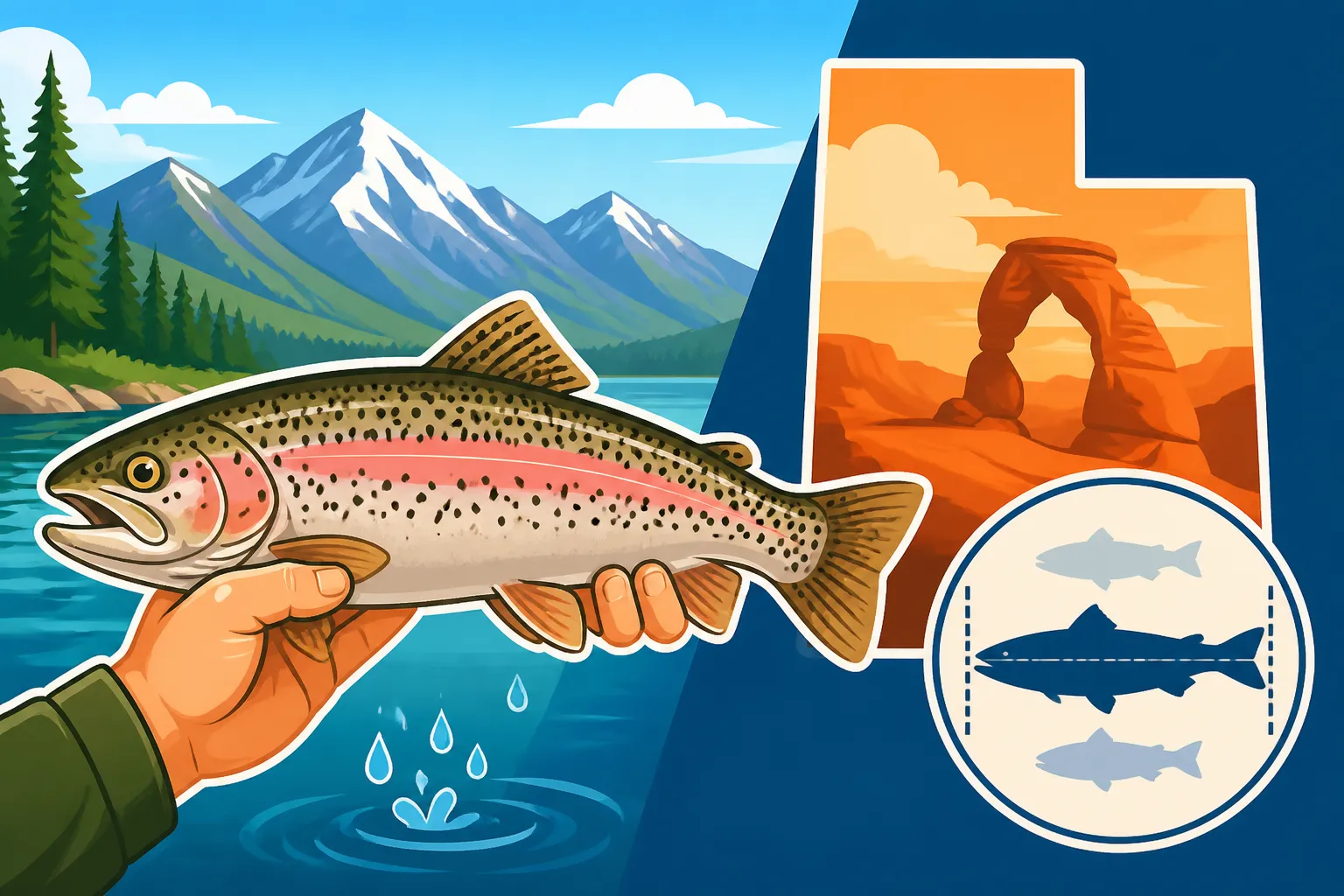
For most of Utah's "put-and-take" fisheries, particularly the community ponds and many smaller reservoirs, you're primarily going to be catching rainbow trout that are between 8 to 12 inches long. These are the fish that are typically stocked in batches of hundreds or thousands, often just days or weeks before you cast your line.
Here's a breakdown of what that means in practical terms:
- For the pan: An 8-12 inch trout is perfect for a meal. It's enough for one person, especially when cleaned and cooked fresh. They have tender, flaky meat, and their size makes them easy to handle in the kitchen.
- For kids and beginners: This size is ideal. They're big enough to put up a decent fight on light tackle, providing excitement, but not so large that they're difficult to land. Many first fish for Utah anglers fall into this size range, creating lasting memories. If you're wondering What Gear Does a First-Time Utah Angler Need?, a simple spinning rod and reel combo with light line will handle these fish beautifully.
- Visual cues: Freshly stocked trout sometimes have slightly worn fins from their time in the hatchery. Their colors might also appear a bit more uniform or less vibrant than their wild counterparts initially. Check out How to Identify a Stocked Rainbow Trout in Utah for more details.
It's important to remember that these are averages. You might hook into a 6-inch "shorty" that was stocked a little smaller, or a chunky 14-inch holdover that's been in the lake for a while and put on some serious weight. That's part of the fun!
| Stocking Category | Typical Size Range (Inches) | Primary Purpose | Common Locations |
|---|---|---|---|
| Fingerlings | 1-3 (initial) | Growth to larger size, ecosystem support | Large reservoirs (e.g., Flaming Gorge, Strawberry) |
| Subcatchables | 4-7 | Intermediate growth, rapid turnaround for small waters | Some community ponds, smaller reservoirs |
| Catchables | 8-12 | Immediate angler harvest, "put-and-take" | Community ponds, urban lakes, easily accessible reservoirs |
| Brood Stock | 15+ | Trophy potential, genetic diversity (less common) | Select trophy waters, special events |
Growth Potential in Different Waters
While the DWR releases fish at a certain size, the body of water they enter dictates how much, and how quickly, they might grow.
- Reservoirs: Large, nutrient-rich reservoirs like Deer Creek Reservoir Fishing Spots or Jordanelle Reservoir Fishing Access can be excellent growth environments. If a fingerling rainbow trout is stocked into a reservoir with abundant food (like zooplankton, insects, and even small forage fish), it can grow surprisingly fast. It's not uncommon for a 4-inch fingerling stocked in spring to be 10-12 inches by fall, and potentially 16-20 inches or larger within a year or two. This is where you might find "holdover" stocked trout that far exceed the initial 8-12 inch average.
- Ponds: Community ponds, while providing consistent action, often have limited natural food sources and are heavily fished. While the DWR stocks catchable sizes, these fish typically don't grow much larger than their initial size before being caught. If a trout manages to survive through multiple stocking cycles, it might put on an inch or two, but significant growth is less common. These ponds are about consistent, accessible fishing, not growing trophy trout.
- Rivers/Streams: Trout stocked into rivers and streams can have variable growth. If a stream has a rich insect population and good habitat, stocked trout can adapt well and grow. However, rivers often present more challenges, like strong currents and predator pressure, which can limit growth, especially for hatchery-raised fish that are less accustomed to fending for themselves.
The DWR specifically studies and monitors these waters to understand the growth rates. Sometimes, waters are managed to produce larger fish, and anglers are encouraged to release larger fish to ensure they reach their full potential, as is often the case in designated Utah Catch-and-Release Waters.
Species-Specific Sizes
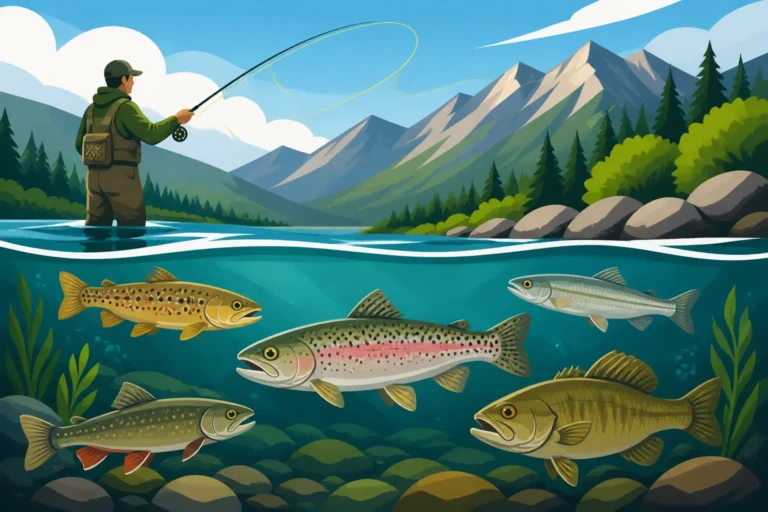
While rainbow trout are the most commonly stocked species, you might also find brown trout, cutthroat trout, or even tiger trout being stocked as catchables or sub-catchables in specific waters. Do their sizes differ?
- Rainbow Trout: As mentioned, these are the most prevalent, and their stocked average is reliably 8-12 inches. They are hardy, grow relatively fast, and adapt well to various environments, making them ideal for stocking.
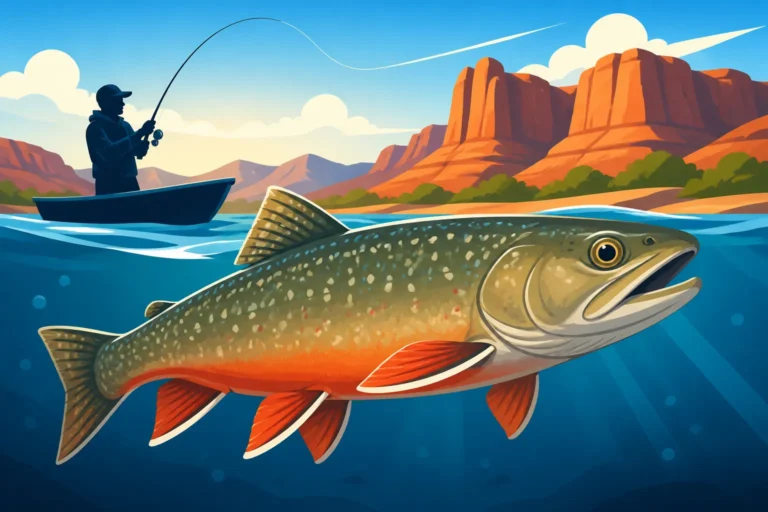
- Brown Trout: Brown trout are often stocked as fingerlings or sub-catchables in rivers and some reservoirs, with the goal of growing into larger, more elusive fish. They are known for their predatory nature and can reach impressive sizes, often exceeding 20 inches in the right environment. When stocked as "catchables," they might be similar to rainbows, but their true potential lies in growth. You can dive deeper into Brown Trout in Utah Rivers to see how large they can get.
- Cutthroat Trout: Utah's native Utah Cutthroat Trout Guide species (like the Bonneville cutthroat) are often managed for conservation and growth in their native habitats. While some specific waters might receive cutthroat as catchables, their average stocked size is usually similar to rainbows if intended for immediate harvest. However, in waters like Bear Lake Fishing Guide or Strawberry Reservoir Fishing Guide, you'll find naturally reproducing or fingerling-stocked cutthroat that grow much larger, often into trophy sizes.
- Tiger Trout: These sterile hybrids (brown trout x brook trout) are prized for their unique markings and aggressive fighting style. They are usually stocked as fingerlings or sub-catchables in waters where they are intended to control other fish populations or grow into larger sport fish. Their stocked size can vary, but anglers typically hope to catch them when they've grown to 14-20 inches or more.
In summary, while there's a reliable "average" for the most common stocked rainbow trout, the world of Utah fishing holds plenty of opportunities to catch a variety of species that have grown much larger than their initial stocked size.
Beyond the Tape Measure: The Value of a Stocked Trout Experience
It’s easy to get caught up in the numbers and the quest for the biggest fish. Trust me, I've been there, staring at the measuring tape, wishing for another inch! But the truth is, the experience of catching a stocked trout in Utah goes far beyond its length or weight.
The Thrill of the Catch, Regardless of Size
For many, especially beginners and kids, the actual size of the fish is secondary to the sheer joy of feeling a tug on the line. I've seen countless smiles from kids holding up an 8-inch rainbow like it's a world record. That first fish, that first fight, the thrill of reeling something in – those are the moments that hook people on fishing for life. Stocked trout, being relatively numerous and often eager biters, provide these opportunities consistently.
Imagine a sunny Saturday morning at a community pond like those listed in Best Community Ponds for Kids to Fish in Salt Lake City. A parent sets up a simple bobber rig, and within minutes, their child's bobber dips. The excitement in their eyes as they reel in a shimmering rainbow trout, maybe 9 or 10 inches long, is absolutely priceless. That fish, regardless of its size, becomes a giant in their memory. For new anglers, it builds confidence and teaches them the fundamentals of casting, setting the hook, and landing a fish. These early successes are crucial for fostering a lifelong love of the outdoors.
Tips for Identifying a Stocked Trout
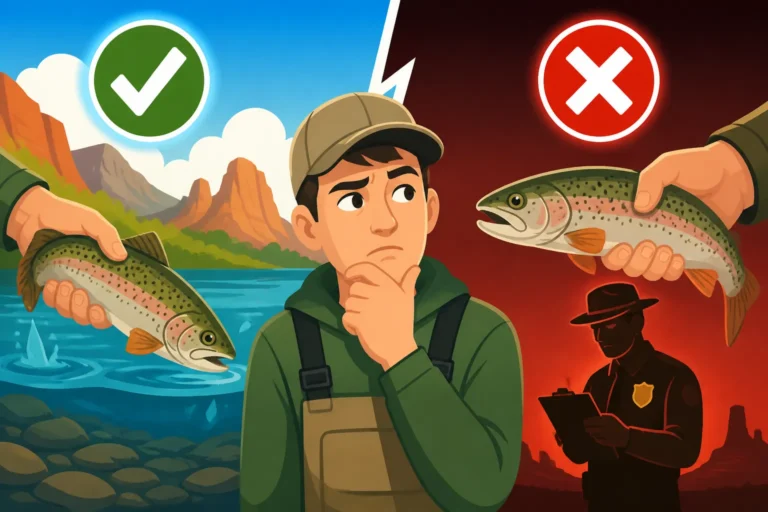
Sometimes, you might wonder if the trout you just caught is a wild fish or one that came from a hatchery. While it's not always definitive, there are a few clues that can help you tell.
- Fin Condition: Hatchery-raised fish often spend time in crowded tanks or raceways, which can lead to fin erosion. Look for fins that appear blunted, frayed, or shorter than what you'd expect from a wild fish. The dorsal (top) and pectoral (side) fins are common indicators. While they can heal in the wild, freshly stocked fish often show these signs.
- Coloration: Wild trout, having spent their lives navigating natural environments, often exhibit more vibrant and varied coloration, blending in with their surroundings. Stocked trout, especially those recently released, might have a more uniform, sometimes paler, or "steelier" color. Their spots might be less defined, and their overall appearance can be a bit less striking compared to a truly wild counterpart.
- Snout and Jaw: Sometimes, hatchery fish can have slightly deformed or worn snouts from rubbing against tank walls. This isn't always present, but it can be another subtle clue.
- Overall Body Shape: Wild trout tend to be more streamlined and muscular, honed by fighting currents and pursuing natural prey. Stocked trout might appear a bit more "chunky" or, conversely, less robust if they haven't had time to adapt to their new environment and forage for food effectively.
While these indicators can suggest a hatchery origin, remember that a fish that has spent some time in the wild after stocking can start to look very much like a wild-born fish. Nature has a way of smoothing out those hatchery edges.
Maximizing Your Stocked Trout Experience
The beauty of targeting stocked trout is the relatively high chance of success, making it perfect for a relaxed day on the water.
- Timing is Key: Pay attention to the DWR's stocking reports. Fishing a day or two after a stocking event can significantly increase your chances. You can find these reports on the DWR website.
- Bait and Lure Selection: Stocked trout are often accustomed to hatchery pellets, so they respond well to baits that mimic that smell and texture. How to Fish PowerBait for Stocked Trout is a fantastic starting point. Simple baits like PowerBait, corn, or worms are highly effective. Small spinners (like Rooster Tails or Mepps) and spoons can also be very productive. For flies, basic patterns like Woolly Buggers or San Juan Worms often work wonders.
- Location, Location, Location: In ponds and small reservoirs, focus on accessible shorelines, docks, or areas near culverts where fish might congregate. For larger reservoirs, try fishing near inlets or areas with submerged structure.
Remember, the goal isn't just to catch a fish, but to enjoy the process, the fresh air, and the company. Even if every trout you catch is exactly 10 inches long, if you're having fun, you've already reeled in a trophy experience.
Equipping Yourself for Success (and for Measuring!)
Having the right gear makes a huge difference, not just in catching fish, but in properly handling and measuring them. You don't need to break the bank for stocked trout, but a few key items will enhance your experience.
Essential Gear for Catching Stocked Trout
For a successful outing targeting stocked trout, simplicity is often best.
- Rod and Reel Combo: A light to medium-light action spinning rod, 5.5 to 7 feet long, paired with a matching spinning reel, is perfect. This setup is versatile, easy for beginners to use, and handles trout in the 8-12 inch range with ease. You can often find decent entry-level combos that include everything you need to get started. Many reputable brands offer excellent options, and you can browse a wide selection and read reviews on platforms like Amazon to find one that fits your budget and needs.
- Fishing Line: I recommend 4-6 pound test monofilament or fluorocarbon line. It's strong enough to handle these fish but thin enough to be less visible in clear Utah waters. Best Fishing Line for Utah Trout offers more detailed advice.
- Hooks: Small hooks, sizes 8 to 12, are ideal for trout. They fit well in their mouths and are less likely to cause damage if you're planning to release fish. Again, if you're unsure, a quick search on Amazon will show you various hook types and sizes, often with kits specifically for trout fishing.
- Bait/Lures: As mentioned, PowerBait (in various colors), worms, and corn are excellent choices for bait. Small inline spinners (e.g., Panther Martin, Mepps) and spoons (e.g., Kastmaster, Dardevle) are also highly effective lures. Don't forget some small bobbers and split shot weights to complete your rig.
- Tackle Box: Keep your hooks, weights, and lures organized in a small tackle box. A basic utility box is fine, but if you're looking for something more specialized with compartments for different baits, Amazon has a huge array of options for Best Tackle Boxes for Utah Anglers.
Remember, you don't need fancy, expensive gear to catch stocked trout. What you need is reliable equipment that you're comfortable using.
Measuring and Documenting Your Catch
Whether you're practicing catch and release or keeping fish for dinner, knowing how to measure and document your catch safely and accurately is a great skill to have.
- Fish Ruler or Measuring Tape: A simple, flexible tape measure or a dedicated fish ruler (often with a lip for the fish's nose) is essential. Lay the fish gently on the ruler or tape, from the tip of its nose to the tip of its tail. Make sure to wet your hands before handling the fish to protect its slime coat, especially if you plan to release it. Many tackle shops carry these, and you can also find a good selection on Amazon.
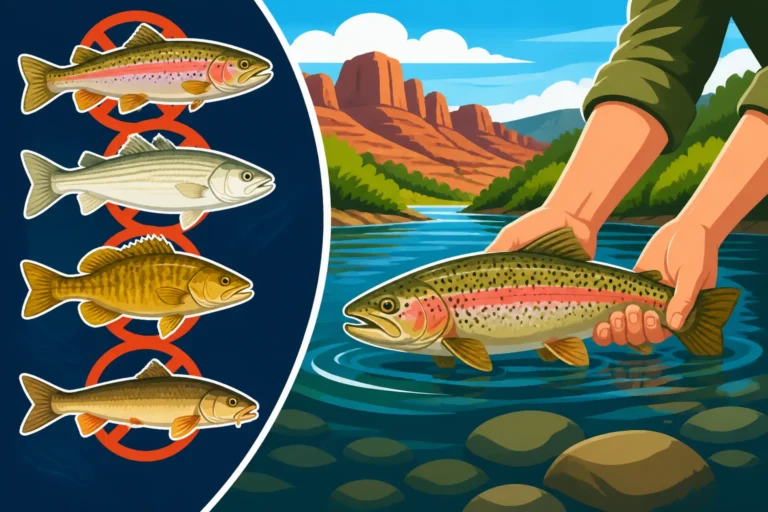
- Camera: Nowadays, everyone has a camera in their pocket! Take a quick photo to remember your catch. If you're planning to release the fish, try to get the shot quickly while the fish is still wet and supported horizontally. Avoid holding fish vertically by the jaw, as this can damage their internal organs.
- Fishing Apps: There are many free and paid fishing apps available that allow you to log your catches, including size, species, and location. This can be a fun way to track your progress and remember your outings.
Accurate measurement helps you understand the effectiveness of different techniques and locations, and it's also crucial for adhering to any size limits or regulations in place for specific waters. While stocked trout usually don't have minimum size limits (most regulations revolve around bag limits), it's good practice to know the length of your catch.
Knowing what to expect from an "average size of a stocked Utah trout" helps you prepare, but the real reward is the time spent outdoors, the thrill of the bite, and the memories made on our beautiful waters.
Disclaimer
This article is for general informational purposes only and does not constitute professional advice. Laws, prices and regulations vary by location and change over time. Consult a qualified professional for guidance on your specific situation.