Utah 3-Day and 7-Day Fishing License Options
It can feel a little daunting, can't it? You've got a short window for a fishing trip to Utah, or maybe you're hosting out-of-state family who just want to wet a line for a few days, and the idea of buying a full annual license feels like overkill. Or perhaps you're a local who only fishes once or twice a year and doesn't want to commit to a longer-term purchase. This guide is here to walk you through Utah's convenient 3-day and 7-day fishing license options, explaining exactly who they're for, what they cost, and how to get them without a hitch.
Navigating Short-Term Fishing Licenses in Utah: The Perfect Solution for Quick Trips
Utah offers some incredible fishing, from high mountain lakes to vast desert reservoirs, but not everyone has the luxury of being a year-round resident or planning extended stays. That's where the 3-day and 7-day fishing licenses really shine, providing a fantastic, flexible solution for those who want to experience Utah's waters without the commitment of an annual permit. These options are specifically designed to make fishing accessible and straightforward for visitors and casual anglers alike, ensuring you spend less time worrying about paperwork and more time casting a line.
The Allure of Flexibility for Visiting Anglers
For those of you traveling to Utah, perhaps on vacation or a business trip with a few spare days, these short-term licenses are an absolute godsend. Imagine you're visiting Zion National Park and decide you want to try your luck fishing the Virgin River, or maybe you're in Park City for a conference and want to hit a nearby reservoir like Jordanelle. A full annual non-resident license can be a significant investment, especially if you're only going to fish for a couple of days. The 3-day or 7-day option allows you to legally enjoy the state's fishing opportunities without breaking the bank, perfectly aligning with the length of a typical short visit. It's about convenience and making sure that the joy of fishing isn't overshadowed by overly complicated regulations.
Spontaneous Adventures and Weekend Escapes
Sometimes, the best fishing trips are the spontaneous ones, aren't they? You wake up on a Saturday morning, the weather is perfect, and you suddenly decide a trip to your favorite community pond or a quick drive up to a mountain stream sounds like the ideal way to spend the day. If you're a Utah resident who doesn't fish regularly, or you just moved here and want to test the waters before fully committing, these temporary licenses are perfect. They remove the pressure of having to fish frequently enough to justify an annual pass. It's also fantastic for those weekend camping trips where fishing is just one part of the adventure, not the sole focus. You can grab a license, hit the water, and just enjoy the moment, knowing you've got your bases covered legally.
Steering Clear of Annual Commitments for Casual Anglers
Let's be honest, not everyone is a hardcore, year-round angler. Many of us love fishing but only get out a few times a year, perhaps when the kids are out of school, or during a specific season like the ice-fishing season. For these casual anglers, the financial outlay for an annual license might seem unnecessary. The 3-day and 7-day options are a great way to participate in the sport without feeling tied down to a yearly fee. It’s about fitting fishing into your life and budget, rather than forcing your fishing habits to conform to a rigid license structure. This approach makes fishing more accessible and less of a financial burden for those whose angling pursuits are more occasional than constant.
Who Truly Benefits from Utah's 3-Day and 7-Day Options?
While these short-term licenses are a boon for many, they're particularly well-suited for specific groups of anglers. Understanding if you fall into one of these categories can help you decide if a 3-day or 7-day license is your best bet compared to an annual option. It’s all about matching the license to your specific fishing needs and duration, maximizing your experience and minimizing unnecessary expenses.
The Out-of-State Angler's Dilemma
If you're visiting Utah from out of state, the cost difference between an annual non-resident license and a short-term one can be quite substantial. For example, a non-resident annual fishing license can cost over $80, while a 3-day can be around $25, and a 7-day around $42. This makes the temporary options incredibly appealing for anyone not planning to spend more than a week fishing in Utah. Maybe you're on a family road trip through the West and stopping to fish Flaming Gorge Reservoir for a few days, or perhaps you're passing through southern Utah and want to try your hand at Lake Powell. These licenses are tailor-made for these kinds of situations, offering legal access without the long-term financial commitment. You can even check out the current Utah Nonresident Fishing License Cost for more details.
Local Explorers and Hosting Fishing Buddies
Even for Utah residents, these shorter licenses have their place. Perhaps you've never fished before and want to try it out without buying a full annual permit, which typically costs around $34 for adults. A 3-day license offers a low-cost entry point to see if fishing is for you. More commonly, these licenses are fantastic when you're hosting friends or family from out of state. Instead of them having to shell out for an expensive annual license, they can simply get a 3-day or 7-day pass. This makes it easier for everyone to enjoy a day or a weekend together on the water, whether it's at Deer Creek Reservoir or a quiet stream in the Uintas. It simplifies the process of getting your loved ones properly licensed for a fun outing.
Making the Most of Limited Vacation Time
Many people only get a limited amount of vacation time each year, and when they come to Utah, fishing might be just one activity among many. Think about someone flying in for a ski trip in winter who wants to try ice fishing for a day or two, or a summer visitor planning to hike the national parks but also wanting to wet a line in a nearby lake. These short-term licenses perfectly accommodate such schedules. They ensure you can squeeze in that desired fishing experience without having to purchase a license that extends far beyond your actual stay. It's about maximizing every moment of your precious vacation time, providing hassle-free access to Utah's beautiful fisheries.
Understanding the Costs and Streamlined Purchase Process
One of the best things about Utah's fishing licenses is how straightforward the pricing and purchasing process are, especially for the 3-day and 7-day options. You don't need to navigate a maze of different permits; it's quite simple to figure out what you need and how to get it. Knowing the exact costs and various purchase avenues will save you time and frustration, getting you on the water faster.
A Detailed Look at Resident and Non-Resident Pricing
The cost for a 3-day or 7-day fishing license in Utah varies based on your residency status. Generally, non-residents pay a higher fee, which is standard across most states. Here’s a general breakdown of what you can expect, though prices are subject to change and it's always best to check the Utah Division of Wildlife Resources (DWR) website for the absolute latest figures:
| License Type | Residency | Estimated Cost (as of late 2023/early 2024) |
|---|---|---|
| 3-Day Fishing | Resident | ~$16.00 |
| 3-Day Fishing | Non-Resident | ~$28.00 |
| 7-Day Fishing | Resident | ~$25.00 |
| 7-Day Fishing | Non-Resident | ~$42.00 |
| Annual Fishing | Resident | ~$34.00 |
| Annual Fishing | Non-Resident | ~$85.00 |
Note: These prices are approximate and do not include agent fees or processing fees, which are typically a few extra dollars. Always verify current prices directly with the Utah DWR.
As you can see, for non-residents, the short-term options are significantly more affordable than an annual license if your stay is brief. For residents, the annual license quickly becomes the better deal if you plan to fish more than a handful of days. For a more detailed look, you can always check out the specific Utah Resident Fishing License Cost or Utah Nonresident Fishing License Cost for various age groups.
Where and How to Secure Your Temporary License
Getting your temporary Utah fishing license is remarkably easy. The Utah DWR has made the process incredibly convenient, offering several ways to purchase, so you can choose the method that works best for you, whether you're planning ahead or making a last-minute decision.
- Online: This is by far the most popular and convenient method. You can purchase your license directly from the Utah DWR website. It's a user-friendly portal where you simply select your license type, provide your information, and pay. You'll receive an electronic copy of your license almost immediately, which you can print or display on your smartphone. Many people find this is the quickest way to get licensed, especially if you're traveling. You can learn more about the Utah Fishing License Online Purchase Process if you prefer this route.
- In-Person: If you prefer a more traditional approach or need to ask questions, you can visit any authorized license agent. These include many sporting goods stores, convenience stores, and some DWR offices throughout the state. Places like Dick's Sporting Goods or even smaller local tackle shops often serve as agents. Just be sure to bring a valid ID.
- By Phone: For those who prefer to speak to someone, you can also purchase a license over the phone. The Utah DWR provides a phone number for license sales, making it another accessible option.
No matter which method you choose, the goal is to make it as painless as possible, so you can get to the good part: fishing! If you're wondering how to keep your license handy, you can also learn about How to Store a Utah Fishing License on Your Phone.
Key Information to Have on Hand Before You Buy
Before you jump online or head to a license agent, make sure you have a few pieces of information ready. This will speed up the purchasing process significantly:
- Valid Identification: For residents, a Utah driver's license or state ID is typically sufficient proof of residency. Non-residents will need a valid driver's license or state ID from their home state.
- Date of Birth: This is crucial for determining age-based requirements and pricing.
- Physical Address: Your current mailing address will be needed for your license record.
- Payment Method: A credit card is usually required for online and phone purchases, while in-person agents will accept cash or card.
Having these details prepared will ensure a smooth transaction, allowing you to quickly move from purchase to planning your actual fishing adventure.
Decoding the Specifics: Validity, Regulations, and Exceptions
Once you have your 3-day or 7-day fishing license in hand (or on your phone!), it’s important to understand exactly how it works. These short-term licenses aren't just scaled-down versions of the annual permit; they have specific activation windows, and you'll still need to follow all the state's fishing rules. Being informed means you can fish confidently and legally.
When Your License Starts and When It Ends
This is a critical point for any temporary license: the validity period. Unlike an annual license which typically runs for a full year from the date of purchase (or from December 1st of the previous year through November 30th of the current year, depending on state rules – Utah's annual licenses are valid from the date of purchase for one year), a 3-day or 7-day license activates the moment you designate it to start.
When you buy the license, you'll be asked to specify the start date. From that precise start date, your license will be valid for 72 hours (for a 3-day) or 168 hours (for a 7-day). So, if you choose your 3-day license to start at 8:00 AM on a Friday, it will expire at 8:00 AM on the following Monday. This flexibility allows you to align your license validity perfectly with your fishing plans, ensuring you're only paying for the days you actually intend to fish. Be careful not to set the start date too early!
Adhering to All Utah Fishing Regulations Explained
Just because you have a short-term license doesn't mean you're exempt from any of Utah's fishing regulations. Absolutely every rule that applies to annual license holders applies to you too. This includes:
- Daily Bag and Possession Limits: You must adhere to the specific limits for each fish species on the waters you are fishing. For instance, the general statewide trout limit might be four, but specific waters can have different rules, like the popular Strawberry Reservoir. It's vital to check the current Utah Daily Bag and Possession Limits before you head out.
- Species Restrictions: Some waters have special rules about certain species, such as mandatory kill orders for invasive species like Northern Pike in Utah Lake, or catch-and-release rules for threatened species.
- Gear Restrictions: Regulations regarding bait, lures, fly-fishing-only waters, and the number of fishing poles you can use still apply. For example, if you're on a designated Utah Fly-Fishing-Only Water Rules, you can't use bait, even with a 3-day license.
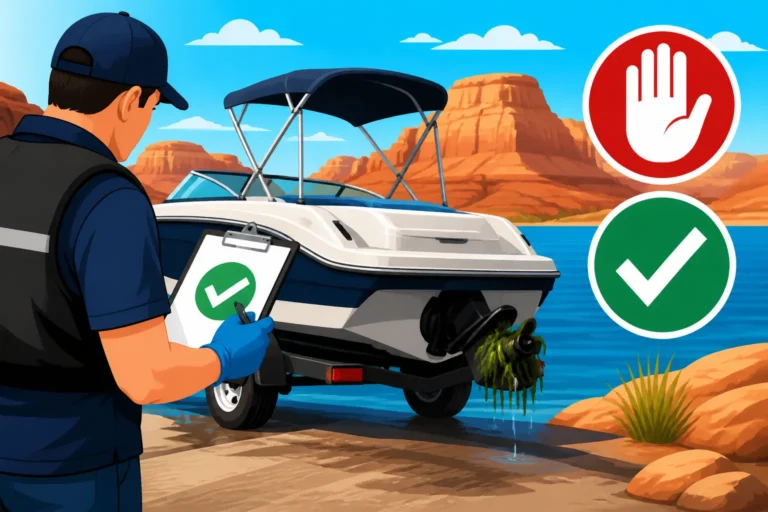
- Boating Regulations: If you plan to fish from a boat, all Utah Boating and Fishing Rules, including registration, safety equipment, and Aquatic Invasive Species (AIS) inspections, are still in effect.
It is your responsibility as an angler to know and follow these regulations. The Utah DWR publishes an annual fishing guide that is an indispensable resource. Always check the current guide for the latest rules, which can sometimes change season to season or even mid-year.
Age and Special Considerations for Short-Term Anglers
Like annual licenses, temporary fishing licenses in Utah also have age requirements. Generally, anyone 12 years or older needs a fishing license to fish in Utah. Kids under 12 can typically fish without a license, but they are still subject to the same bag and possession limits as licensed anglers. For specific details, you might want to look into Utah Fishing License Age Requirements.
There are also specific exemptions and discounts available for certain groups, such as disabled veterans or those participating in Utah's Free Fishing Day. While these typically apply more broadly to annual licenses, it's always worth checking if any special status you hold might affect even a short-term purchase. However, for most adults and older youth, a 3-day or 7-day license will be required if they are fishing legally.
Short-Term vs. Annual: Making the Smart Choice for Your Wallet
Deciding between a short-term and an annual fishing license often comes down to simple math and your personal fishing habits. It’s not just about the initial cost, but the overall value and flexibility each option offers. Thinking through your typical fishing frequency and duration can help you make the most economical and convenient choice.
Crunching the Numbers: When Temporary Licenses Save You Money
Let's do some quick calculations, based on the estimated costs we discussed earlier, using adult prices for residents and non-residents.
For a Utah Resident:
- A 3-day license is ~$16.
- A 7-day license is ~$25.
- An annual license is ~$34.
If you only plan to fish for a single weekend (2-3 days) once in a year, a 3-day license is clearly more cost-effective than an annual one. If you plan two such weekends (4-6 days total over the year), two 3-day licenses ($32) are still slightly cheaper than an annual. A 7-day license is almost the cost of an annual, so if you fish for 7 days or more in total spread throughout the year, an annual license is likely the better option. For example, if you typically go for a 4-day trip and a 3-day trip in different months, buying two separate 3-day licenses might make sense.
For a Non-Resident:
- A 3-day license is ~$28.
- A 7-day license is ~$42.
- An annual license is ~$85.
Here, the savings are even more pronounced. If you're visiting Utah for less than a week, a 3-day or 7-day license offers significant savings compared to the annual non-resident option. Even if you come to Utah twice a year for 3-day trips, two 3-day licenses would be $56, still considerably less than the $85 annual fee. Only if you plan multiple longer trips, or one very extended trip over several weeks, would the annual non-resident license truly offer better value.
The Long-Term Value of an Annual License
While short-term licenses are great for brief forays, the annual license still provides the best value for frequent anglers. If you're a Utah resident who loves to fish year-round, hitting the ice in winter, rivers in spring, and reservoirs in summer, the annual license is a no-brainer. For a single payment, you have the freedom to fish as often as you like for 365 days. You don't have to worry about licenses expiring mid-trip or constantly recalculating days. It offers peace of mind and unlimited opportunities to explore all the diverse fishing Utah has to offer, from the Provo River Fishing Guide to the Flaming Gorge Fishing Guide.
For non-residents, if you plan to make multiple extended fishing trips to Utah within a 12-month period, an annual license might still be worth considering. The threshold where it becomes more economical than multiple short-term licenses is usually around 10-14 days of fishing within that year. If you're an avid angler who comes to Utah for a week in the spring and another week in the fall, the annual pass might edge out two 7-day passes.
Considering a Combination Hunting and Fishing License
For those who enjoy both fishing and hunting, Utah also offers a combination license. This bundled license can sometimes be more cost-effective than buying separate annual fishing and hunting licenses, especially for residents. If you're weighing your options and know you'll be participating in both activities, it's definitely worth looking into the Utah Combination Hunting and Fishing License to see if it provides better overall value for your recreational pursuits in the state. For short-term visitors, however, a combo license usually isn't an option; the 3-day and 7-day licenses are typically fishing-specific.
Essential Strategies for a Successful Short-Term Fishing Adventure
Having a 3-day or 7-day license means you've got limited time to make the most of your angling experience. It's not about rushing, but about smart planning and preparation to ensure every precious moment on the water is enjoyable and productive. From picking the right spots to packing efficiently, a little forethought goes a long way.
Optimizing Your Limited Time on Utah Waters
With a temporary license, every hour counts. Here are some tips to maximize your fishing efficiency:
- Time Your Trip Wisely: Consider the best time of year and even the best time of day for the species you're targeting. For trout, early mornings and late evenings often yield the best results, especially in warmer months. If you're only here for a few days, try to align your visit with peak fishing conditions.
- Focus on One or Two Target Species/Waters: Don't try to fish every lake and river in Utah in three days. Pick a specific area or even just one major water body, like Bear Lake or Strawberry Reservoir, and focus your efforts there. This allows you to learn the water quickly and increase your chances of success.
- Check Fishing Reports: Before you even leave home, check recent fishing reports from the Utah DWR, local tackle shops, or online forums. These reports can provide invaluable, up-to-date information on what's biting, where, and what techniques are working. For instance, knowing the Best Time of Year to Fish in Utah can inform your planning.
- Go with a Guide (Optional): If your budget allows, hiring a local fishing guide for one of your days can be a game-changer. They know the water intimately, can provide all the necessary gear, and will put you on fish much faster than if you were going it alone. It's an investment that can greatly enhance a short trip.
Packing Smart: Gear Essentials for Brief Excursions
Since you're likely on a shorter trip or visiting, you might not have all your extensive gear with you. Packing smart means bringing essentials that are versatile and easy to transport. Many anglers find compact travel rods and smaller tackle boxes ideal.
- Versatile Rod and Reel: A medium-light spinning rod (perhaps a multi-piece travel rod from a brand like AmazonBasics or a compact combo from a reputable brand available on Amazon) with 4-8 lb test line is great for most Utah trout, bass, and panfish.
- Basic Tackle Kit: A small selection of lures and baits is usually sufficient. Think PowerBait, small spoons (like Kastmasters), spinners (like Mepps or Panther Martins), and perhaps a few soft plastic worms for bass. Don't forget extra hooks, sinkers, and bobbers.
- Layered Clothing: Utah weather can be unpredictable. Layers are key, even for a short trip. A waterproof jacket is almost always a good idea. Check out Amazon for lightweight, packable rain gear.
- Essentials: Sunscreen, a hat, polarized sunglasses (crucial for spotting fish and protecting your eyes), pliers for hook removal, a small cooler for drinks and any fish you plan to keep, and plenty of water are non-negotiable.
- Digital License: Ensure your digital license is easily accessible on your phone, or have a printed copy.
You don't need to bring the entire tackle shop, just the essentials that will get you fishing effectively. For more general advice, consider reading a Utah Fishing Gear Guide for broad recommendations.
Pre-Trip Research: Pinpointing the Best Fishing Spots
With limited time, choosing the right fishing spot is paramount. You want a location that offers good access, a high likelihood of success, and fits the type of fishing experience you're seeking.
- Targeted Waters: If you want trophy trout, perhaps focus on Fish Lake Trophy Trout Fishing or the Green River below Flaming Gorge. For a family-friendly experience with easy access, look into Utah's urban community ponds.
- Accessibility: Consider how much time you want to spend driving versus fishing. Waters near major interstates or cities (like Best Utah Fishing Spots Near Salt Lake City) will maximize your fishing time.
- Recent Stocking Reports: The DWR regularly stocks many community ponds and reservoirs. Checking their stocking reports can lead you to freshly stocked waters where fish are often more active and easier to catch, perfect for a quick trip.
- Water Conditions: Research current water levels, temperatures, and clarity. Spring runoff can make river fishing challenging, while hot summer days might push fish into deeper, cooler waters. Knowing these conditions can help you choose a productive spot. You can even search on Amazon for portable depth finders if you plan to fish from a small boat or kayak and want to explore depths.
By doing a little homework beforehand, you can ensure your 3-day or 7-day Utah fishing license translates into a memorable and successful fishing adventure.
Disclaimer
The information provided in this guide is intended for general informational purposes only and is subject to change. Fishing regulations, license costs, and water conditions in Utah can vary. Always consult the official Utah Division of Wildlife Resources (DWR) website and their current fishing proclamations for the most accurate and up-to-date information before planning your fishing trip. This guide does not constitute legal advice.