Utah Ice Fishing Gear Guide
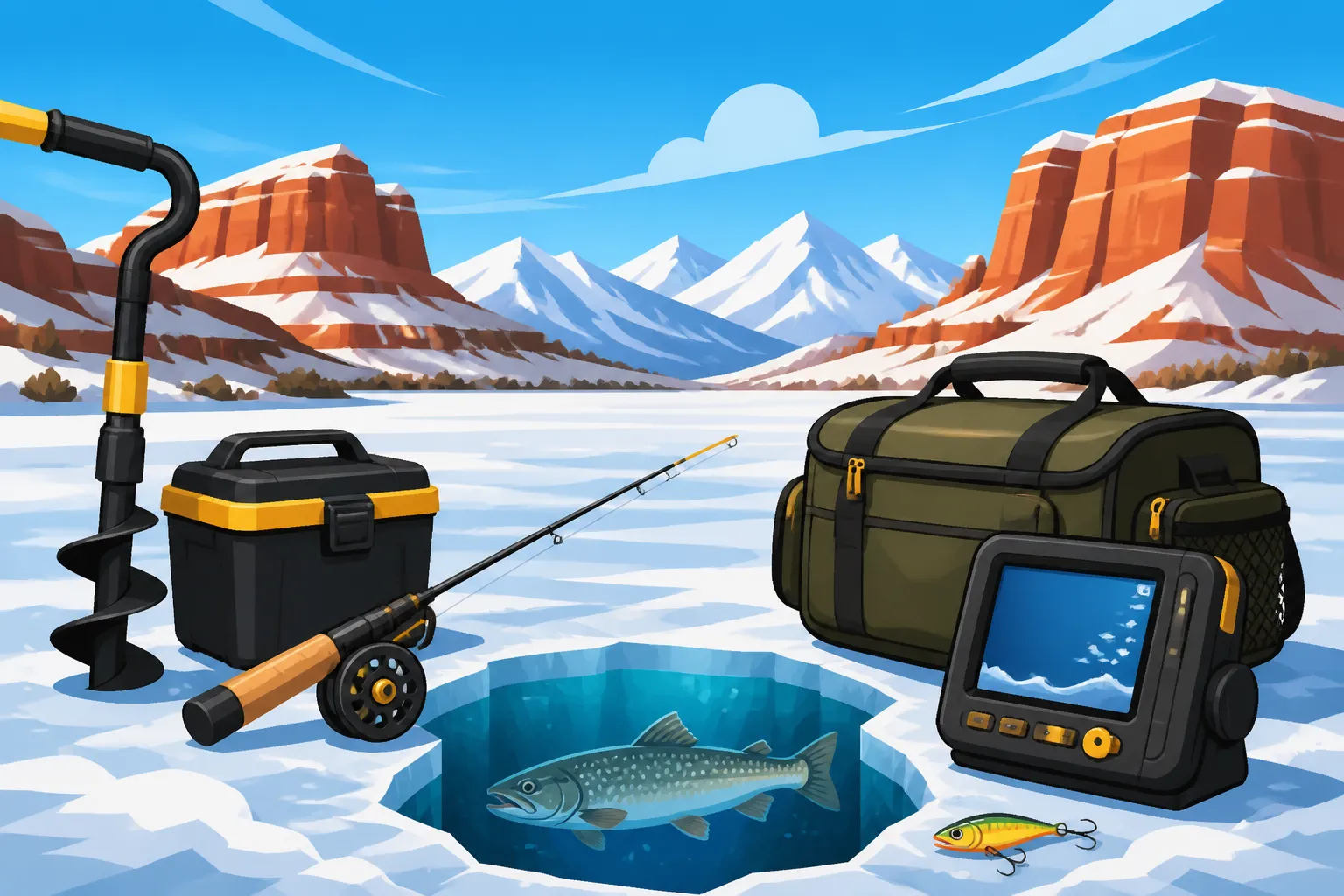
Stepping onto a frozen lake in Utah might look serene and peaceful, but if you’re not prepared, it can quickly turn into a bone-chchilling, frustrating experience. You’ve probably heard stories (or lived them!) of shivering through a promising bite window, struggling with frozen gear, or simply feeling overwhelmed by the sheer amount of specialized equipment ice fishing seems to demand. But don't you worry, because this comprehensive guide is all about cutting through that confusion, helping you understand exactly what gear you need to stay warm, safe, and successful on Utah’s hardwater this winter.
The Essentials for Staying Warm and Safe on Utah Ice
When you're out on a frozen lake, miles from a warm truck or cabin, your personal comfort and safety become paramount. You're not just fishing; you're battling the elements, and Utah's winters can be unforgiving. Many anglers make the mistake of underestimating the cold, leading to miserable trips and even dangerous situations. Proper attire and critical safety gear aren't just recommendations; they're your first line of defense and the foundation of an enjoyable outing.
Layering for Arctic Comfort
Trying to stay warm with one bulky coat is a recipe for disaster. You sweat, that sweat gets cold, and suddenly you're shivering uncontrollably. The secret to staying toasty and dry on the ice, no matter how wild the Utah weather gets, is all in the layers. Think of it like building a house: you need a solid foundation, good insulation, and a strong roof to keep everything protected.
First up, your base layer. This is what sits directly against your skin, and its primary job is to wick moisture away from your body. Forget cotton, which just absorbs sweat and stays wet, making you feel colder than you actually are. Instead, opt for synthetic materials like polyester or merino wool. They’re fantastic at moving moisture, drying quickly, and keeping you surprisingly warm even when damp. Brands like Smartwool or even good quality athletic wear found on Amazon can make a huge difference here. A good base layer lets your body regulate its temperature naturally, preventing that clammy, chilled feeling.
Next comes your mid-layers, which are all about insulation and trapping warm air. This is where fleeces, down jackets, or insulated vests shine. You might wear one thick fleece, or a combination of a thinner fleece and a puffy vest, depending on how cold it's expected to be. The beauty of multiple mid-layers is that you can add or remove them as your activity level changes—drilling holes warms you up quickly, but sitting still for an hour can chill you to the bone. Having options means you can adjust on the fly, ensuring you're never too hot or too cold. For those truly frigid Utah days, don't shy away from a substantial down or synthetic puffy jacket as a primary mid-layer.
Finally, you need a robust outer shell. This is your protection against the elements: wind, snow, and slush. Look for something that is waterproof and windproof, but also breathable. Many dedicated ice fishing suits are designed with these features in mind, often offering built-in flotation for added safety. These specialized suits, often available at Bass Pro Shops, are typically insulated as well, reducing the need for as many bulky mid-layers. A good shell will keep the biting Utah winds from penetrating your warmth and shrug off any snow or sleet, ensuring you stay dry and comfortable for hours on end, even during a sudden squall.
Footwear and Hand Protection
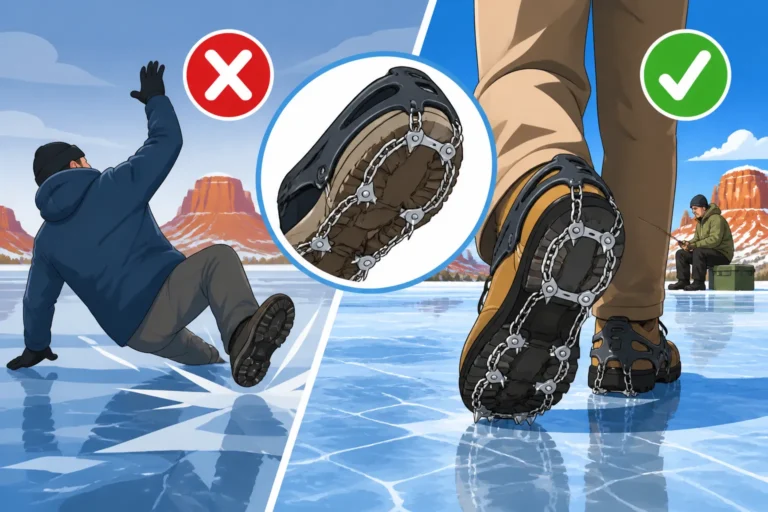
Your feet and hands are often the first parts of your body to get cold on the ice, and once they're chilled, it’s a battle to get them warm again. Losing dexterity in your fingers or feeling your toes go numb can absolutely ruin a fishing trip, making simple tasks like tying a knot or baiting a hook feel like an impossible chore. Investing in quality footwear and hand protection isn't just about comfort; it's about maintaining your ability to fish effectively and safely.
For your feet, forget your everyday winter boots. You need insulated, waterproof boots specifically designed for extreme cold. Look for boots with high gram ratings for insulation (like 800g, 1200g, or even 2000g for serious cold) and a completely waterproof exterior. Remember, you'll be walking through snow and slush, and possibly standing in puddles of melted ice or spilled water from your auger hole. Your boots need to keep that moisture out while trapping maximum heat in. Always wear wool or synthetic blend socks, never cotton, and consider a thinner liner sock under a thicker outer sock for extra warmth and moisture wicking. A little extra height on the boot shaft also helps prevent snow from getting in when you’re trekking through deeper drifts.
When it comes to hands, this is where many anglers struggle to find the right balance between warmth and dexterity. You'll likely need a system, not just one pair of gloves. Start with a thin, moisture-wicking glove liner. Over these, you might have a waterproof, insulated glove or a pair of warm mittens. Mittens are generally warmer than gloves because your fingers share warmth, but they sacrifice dexterity. Many ice anglers carry both: a pair of robust mittens for general warmth while waiting, and a thinner pair of waterproof gloves for when they need to tie knots, handle fish, or bait hooks. Some even use "ice fishing mitts" that have a fold-back finger cap, allowing quick access to fingers for intricate tasks. Keeping an extra pair of dry gloves or mittens in a dry bag is also a smart move, because once your gloves are wet, they’re almost useless in cold weather.
Safety Gear You Can't Afford to Skip
While we all hope for perfectly stable ice and uneventful days, the reality is that conditions can change, and accidents can happen. Ice fishing, by its very nature, carries inherent risks. Being prepared with essential safety gear isn't about being paranoid; it's about being responsible and ensuring you can respond effectively if an unexpected situation arises. This is especially true when exploring some of Utah's larger, less predictable bodies of water.
The absolute first piece of safety gear you need is a spud bar or an auger. You use this to constantly check ice thickness as you venture out onto the lake. A spud bar is a heavy chisel-like tool you drop to test the ice, giving you an audible and tactile indication of its strength. If you hear a thud, it's generally thick. If you hear a crack or it goes through easily, you know to back off. Never assume the ice is safe, especially early in the season or near inlets, outlets, or pressure ridges. You'll want to review resources like How Thick Does Utah Ice Need to Be Before You Can Fish On It? and How to Check Ice Thickness Safely Before Ice Fishing before heading out.
Next, ice picks are non-negotiable. These are two sharp, spiked handles connected by a cord that you wear around your neck. If you break through the ice, you use them to grip the edge of the ice and pull yourself out. They are simple, inexpensive, and literally life-saving. A flotation suit or a personal flotation device (PFD) worn under your outer layers provides extra buoyancy if you go in, buying you precious time. Even if you don't wear a full suit, having a PFD is a wise choice. Always let someone know where you're going and when you expect to return, and carry a fully charged cell phone in a waterproof bag. Consider a portable power bank for extended trips.
Finally, carry a small, well-stocked first aid kit for minor injuries and emergencies. A whistle can be used to signal for help if you're in trouble. If you're using a portable heater in an enclosed shelter, a carbon monoxide detector is an absolute must. Carbon monoxide is odorless and can be deadly. Always fish with a buddy, especially in unfamiliar territory. The buddy system isn't just for scouting out the best Strawberry Reservoir Ice Fishing Spots, it's also for ensuring someone is there to help if something goes wrong.
Essential Tools for Accessing the Fish Below the Ice
Once you're bundled up and safe, the next hurdle is getting your line into the water. Unlike open-water fishing, this requires creating a portal through a thick, frozen surface. This is where your specialized ice fishing tools come into play. From manually churning through solid ice to effortlessly drilling with power, the right equipment not only makes the job easier but also allows you to move more freely and efficiently across the hardwater, letting you explore more spots and find those actively biting fish.
Choosing Your Ice Auger
The ice auger is arguably the most crucial piece of equipment for any serious ice angler. Without it, you’re just standing on a frozen lake with a fishing rod. The type of auger you choose will largely depend on your budget, the typical ice thickness you encounter, and how much effort you’re willing to put in. Each type has its own set of advantages and disadvantages.
Manual augers are the simplest and most budget-friendly option. They consist of a handle and sharp blades that you twist by hand to cut through the ice. They are lightweight, require no fuel or batteries, and are great for thinner ice (typically under 12-18 inches) or for anglers who don't drill a lot of holes. They're also wonderfully quiet, which can be a real plus when trying not to spook fish in shallow water. However, drilling many holes, or trying to punch through really thick ice, can be an exhausting workout. If you're a casual angler hitting local community ponds, a manual auger can be perfectly adequate.
Propane augers (also known as gas augers) offer a significant step up in power and speed. They run on small, disposable propane canisters, which means no messy gasoline or oil mixing. They start relatively easily, even in cold weather, and can churn through thick ice quickly. They are heavier and noisier than manual augers, and you'll need to carry extra propane canisters. Fumes can also be an issue if you're drilling inside a shelter. They're a popular choice for anglers who need reliable power but want to avoid the mess of gasoline. For serious anglers targeting larger, deeper lakes with thick ice, this type of auger is a workhorse.
Electric or battery-powered augers are rapidly gaining popularity and for good reason. They are incredibly quiet, produce no fumes, and can drill holes very quickly and efficiently, often rivaling or exceeding propane models in speed. They run on rechargeable lithium-ion batteries, which means you need to manage battery life – carrying spares is often recommended for extended trips or very thick ice. They are generally lighter than gas augers and require less maintenance. While the initial investment can be higher, many anglers find the convenience, cleanliness, and quiet operation well worth it. Companies like Strikemaster and ION have become leaders in this space, offering fantastic models that are great for targeting everything from trout to perch across Utah's diverse ice fisheries. Considering different auger sizes, you might want to look into Best Ice Auger Size for Utah Ice Fishing to make an informed decision based on your target species and fishing style.
| Auger Type | Pros | Cons | Best For |
|---|---|---|---|
| Manual | Lightweight, inexpensive, quiet, no fuel | Requires physical effort, slower, hard on thick ice | Casual anglers, thin ice, few holes |
| Propane | Powerful, fast, reliable starting in cold | Heavier, noisy, fumes, requires propane | Serious anglers, thick ice, many holes |
| Electric | Quiet, fast, no fumes, clean, lightweight | Higher initial cost, battery management | Anglers prioritizing convenience, cleanliness, speed |
Ice Fishing Shelters: From Pop-Ups to Hubs
Once you've drilled your hole, you’ll quickly realize that sitting exposed to the elements for hours isn't ideal. This is where an ice fishing shelter becomes your best friend, transforming a raw, cold experience into a comfortable, enjoyable one. Shelters not only block the wind and snow but also help to retain heat, making those long waits for a bite much more pleasant.
Portable pop-up shelters are a great choice for anglers who prioritize quick setup and mobility. These typically look like small tents that pop up quickly and easily. They’re relatively lightweight and compact when packed down, making them easy to transport across the ice, especially if you’re pulling them by hand or on a smaller sled. They come in various sizes, from one-person models to larger family-sized units. While generally less insulated than flip-overs, they offer excellent wind protection and can be heated with a portable propane heater, creating a surprisingly warm environment. These are fantastic for anglers who like to move frequently, chasing schools of fish.
Hub-style shelters offer a fantastic balance of interior space, stability, and ease of setup. They feature a central hub system that allows the walls to 'hub out,' creating a spacious interior that feels less cramped than some other designs. They are usually well-insulated, often with multiple layers of fabric and dark interiors to make seeing your flasher screen easier. Hub shelters are great for small groups or for anglers who bring a lot of gear and want room to spread out. They require anchoring to the ice with ice anchors to prevent them from blowing away in high winds, which is a common occurrence on exposed Utah lakes. Brands like Clam and Eskimo offer excellent hub shelters designed for durability and warmth. Check out Best Ice Fishing Shelter for Utah Wind for tips on keeping your setup secure.
Flip-over shelters are the ultimate in quick deployment and mobility, particularly for solo anglers or pairs. These shelters are built directly onto a sled base, which doubles as your gear transport. When you reach your spot, you simply "flip" the tent portion over, and you're immediately sheltered, often with an attached seat. They are incredibly fast to set up and tear down, making them ideal for run-and-gun fishing where you move from hole to hole frequently. Most flip-overs are insulated and incredibly warm, designed to be heated with small portable heaters. Their sled base makes them easy to pull by hand, ATV, or snowmobile. They are generally heavier and bulkier to transport than pop-ups, but the convenience on the ice is unmatched.
Rods, Reels, and Line: Precision for Cold Water Bites
Once you've made your hole and set up your shelter, it's time to get down to the business of fishing. This isn't your typical open-water setup where long casts are common. Ice fishing demands a specialized approach, and your rod, reel, and line are tailored for the unique challenges of detecting subtle bites in frigid water through a small opening. The right combination can turn those barely-there taps into landed fish.
Dedicated Ice Fishing Rods
You might be tempted to use a short spinning rod you have lying around, but dedicated ice fishing rods are designed for a very specific purpose. They are much shorter than conventional rods, typically ranging from 24 to 36 inches in length. This compact size makes them ideal for fishing in cramped quarters inside a shelter and allows for better maneuverability over a small hole.
The key features of an ice fishing rod are its sensitivity and action. They often feature extra-sensitive tips made of fiberglass or carbon fiber, which can detect the subtlest of bites from finicky fish. When a fish barely inhales your bait in cold water, that tiny twitch on the rod tip is often the only indication you have. The action of the rod (how it bends) is also critical. Ultra-light and light action rods are popular for panfish and smaller trout, offering maximum sensitivity and a forgiving bend that prevents hooks from pulling out of soft mouths. Medium and medium-heavy rods are used for larger species like walleye, lake trout, or pike, providing the backbone needed to fight bigger fish. Many come with short handles that allow you to fish comfortably while seated. If you want to delve deeper, Best Rod Length for Ice Fishing in Utah can help you dial in your setup.
Reels Built for the Cold
Just like rods, ice fishing reels have specific characteristics that make them suitable for the unique environment. The primary concern is their ability to perform smoothly in freezing temperatures. Standard open-water reels might seize up or have their drag systems become inconsistent when exposed to prolonged cold.
Spinning reels are the most common choice for ice fishing. Look for models that are designed for cold weather, often featuring special lubricants or sealed drag systems to prevent ice and water intrusion. A smooth, consistent drag is vital, especially when battling a strong fish on light line through a small hole. Many ice fishing-specific spinning reels also feature larger handles or knobs that are easier to grip with gloved hands. These reels are versatile and can handle a wide range of line weights and species, making them a good all-around choice for many Utah ice anglers.
Inline reels are another popular option, particularly for panfish and trout. These reels are designed to allow the line to come straight off the spool without twisting, which is a huge advantage when using light line and small baits. Line twist can be a major frustration in ice fishing, causing lures to spin unnaturally and making bites harder to detect. Inline reels offer a very direct feel to your lure, enhancing sensitivity. However, they typically have less powerful drags and are best suited for lighter applications. They often resemble fly reels in their appearance and function, offering a unique tactile connection to your presentation.
Line Choices for Icy Conditions
Your fishing line is the final critical link between you and the fish, and its performance in cold water is paramount. Many factors like memory, stretch, visibility, and resistance to freezing come into play. Choosing the right line can make a significant difference in how many bites you detect and how many fish you land.
Monofilament line is a traditional favorite for ice fishing due to its manageability in cold weather. It has some stretch, which can be forgiving when a fish surges, and it's generally easy to tie knots with, even with cold fingers. Mono also tends to be less prone to freezing solid on the spool or through the guides compared to braided line. However, its stretch can reduce sensitivity, making it harder to detect subtle bites. It's often used for bait fishing or situations where a little give is beneficial.
Fluorocarbon line is prized for its low visibility underwater and minimal stretch, which significantly increases sensitivity. It sinks faster than mono, helping your small jigs get down to the fish quicker. Fluorocarbon is also very abrasion-resistant, which is a plus when fishing around jagged ice edges. However, it can be stiffer than mono, and some anglers find it develops more memory or coil, especially in colder temperatures. Many anglers use a fluorocarbon leader with a braided main line to combine the benefits of both.
Braided line offers virtually no stretch, providing incredible sensitivity to even the lightest bites. It's also very strong for its diameter, allowing you to use lighter line with greater breaking strength. The main drawback for ice fishing is that braided line can absorb water and freeze solid, making it difficult to cast or reel in. To combat this, many anglers use a short fluorocarbon leader tied to their braid, or use special ice fishing braids that are treated to resist water absorption. Despite the freezing potential, the sensitivity of braid makes it a top choice for jigging artificial lures, helping you feel every subtle tap. For specific recommendations, check out Best Fishing Line for Utah Trout.
Electronics to Gain an Edge Under the Ice
Gone are the days when ice fishing was purely a game of chance, drilling holes and hoping for the best. Modern electronics have revolutionized the sport, giving anglers a literal window into the underwater world. These devices allow you to pinpoint fish, identify structure, monitor your lure's depth and movement, and even observe how fish react to your presentation. For anyone serious about success on Utah's frozen lakes, electronics are no longer a luxury but an indispensable tool.
Flashers: The Traditional Ice Fishing Eye
If you've spent any time around experienced ice anglers, you've undoubtedly seen them staring intently at a circular, colorful display. This is a flasher, the traditional workhorse of ice fishing electronics. Flashers provide a real-time, instantaneous view of what's happening directly beneath your hole. There's no lag, just pure, raw sonar data.
The display is typically a circular dial with different colored segments, each representing a different signal strength. Your lure will show up as one mark, fish as others, and the bottom as a solid, wider band. The beauty of a flasher is its simplicity and immediacy. You can watch your lure descend, see fish approach it, and even observe their reaction – do they follow it, shy away, or dart in for a strike? This real-time feedback allows you to adjust your jigging presentation instantly, often turning lookers into biters. Flashers like those from Vexilar or Marcum are incredibly durable and reliable, with long-lasting batteries, making them perfect for long days on the ice. While they might seem basic compared to some newer technologies, their effectiveness for ice fishing is undeniable, and many seasoned pros still swear by them.
Sonar Units and Live Imaging
While flashers offer a raw, real-time display, modern sonar units provide a more detailed, graphical representation of the underwater world. These are essentially portable fish finders adapted for ice fishing, often featuring LCD screens that display a history of what has passed under your transducer. This can be helpful for understanding fish movements over time or identifying bottom contours and structure. Many of these units also incorporate GPS mapping capabilities, allowing you to mark productive holes and navigate vast frozen landscapes, particularly useful on large reservoirs like Flaming Gorge or Strawberry.
The real game-changer in recent years has been the advent of live imaging sonar, like Garmin's LiveScope, Humminbird's Mega Live, or Lowrance's ActiveTarget. These systems provide a near real-time, photographic-like view of fish and structure around your hole, not just directly below it. With a directional transducer, you can actually scan 360 degrees, or focus on a specific direction, watching fish swim towards your bait from meters away. This means you can spot schools of fish that aren't directly under your hole, drill new holes with precision, and observe their behavior with unprecedented clarity. The technology is incredible, but it comes with a higher price tag and typically requires more power. However, for those who want the ultimate edge in finding and catching fish, especially suspended or cruising fish, live imaging is a powerful tool. You can find many options at places like Bass Pro Shops or on Amazon, and a good read on Best Fish Finders for Ice Fishing in Utah can help you decide.
GPS and Mapping for Finding Hot Spots
Knowing where you are, where you've been, and where you want to go is just as important on the ice as it is on open water. This is where GPS units and mapping capabilities integrated into your fish finder or as standalone devices become invaluable. Trying to navigate featureless expanses of ice, especially in low light or foggy conditions, can be disorienting and even dangerous.
A GPS unit allows you to precisely mark your productive fishing holes, so you can return to them on future trips or even later in the same day. Think about those days when you finally hit a hot streak at a specific depth or structure; with GPS, you can drop a waypoint and come back to that exact spot time and time again. This is particularly useful for finding submerged humps, rock piles, or old river channels that often hold concentrations of fish. Many modern fish finders come with highly detailed base maps or the ability to load aftermarket mapping chips that show underwater contours, depths, and even specific points of interest. This allows you to "pre-scout" an area from home, identifying potential hotspots before you even step foot on the ice.
Beyond finding fish, GPS is a critical safety tool. If a sudden whiteout rolls in, or you venture far from shore, your GPS can guide you safely back to your vehicle or known landmarks. It eliminates the guesswork and helps you navigate large bodies of water like Bear Lake or Flaming Gorge with confidence. Having a dedicated GPS unit or using the feature on your fish finder ensures you're always oriented, allowing you to focus more on fishing and less on getting lost.
Tackle and Bait: Attracting Fish in Frigid Waters
With your hole drilled and your electronics buzzing, it's time to focus on what goes into the water to entice a bite. Ice fishing tackle is specifically designed to be compact, sensitive, and effective in a vertical presentation. Fish in cold water often have slower metabolisms, meaning they can be more finicky and less willing to chase. Your choice of lure, bait, and how you present it, becomes absolutely critical for success.
Essential Ice Fishing Lures
Ice fishing lures are typically small, designed to be jigged vertically, and often have specific characteristics to attract cold-water fish. They need to be effective in a relatively small strike zone and be easily detected by fish that might not be aggressively feeding.
Jigging spoons are incredibly popular for a wide variety of species, from trout and walleye to perch. These are metal spoons, often painted in bright colors or with holographic finishes, that flutter and flash on the drop, mimicking a wounded baitfish. They come in various sizes and weights; heavier spoons get down quickly, while lighter ones have a more enticing flutter. Tipping a jigging spoon with a small piece of live bait (like a minnow head or a wax worm) often makes them even more irresistible. Colors like silver, gold, chartreuse, or even glow-in-the-dark patterns can be highly effective depending on water clarity and light conditions.
Vertical jigs are another staple, especially for panfish and trout. These are small, lead-bodied jigs that are designed to hang horizontally or slightly angled in the water column. They are often tipped with plastic bodies, micro-plastics, or live bait. The key to vertical jigs is their subtle action. A tiny twitch of the rod tip can make them dance, imitating insects, larvae, or small crustaceans, which are common food sources in many Utah lakes. Small tungsten jigs, though heavier than lead for their size, are particularly effective as they get down fast and offer incredible sensitivity.
Beyond spoons and jigs, don't overlook small plastic baits like specialized ice worms, larvae imitations, or tiny minnow profiles. These often come pre-scented or can be enhanced with external scents. They offer a very lifelike presentation and are excellent for finicky fish when paired with a sensitive rod. Experimentation is key; sometimes a slight change in color or profile is all it takes to trigger a bite. Consider checking out Best Jig Weight for Ice Fishing Utah Trout for specific recommendations.
Live Bait and Scents
While artificial lures are incredibly effective, sometimes nothing beats the real thing. Live bait often provides the natural scent, taste, and movement that can convince even the most reluctant fish to bite in cold water. However, it's crucial to be aware of and adhere to Utah's bait regulations, as some species or waters have restrictions on what live bait can be used. For example, the use and transport of live minnows can be restricted in certain areas due to concerns about introducing invasive species.
Wax worms and mealworms are staple baits for panfish (like perch and bluegill) and trout. They are easy to keep alive in small containers, relatively inexpensive, and offer a juicy, natural-looking presentation when threaded onto a small jig. Minnows, either alive or dead, are highly effective for larger predators like walleye, lake trout, or even larger trout. When using live minnows, proper care to keep them active in a bait bucket is essential. Using a minnow bucket with an aerator, especially one designed for cold weather, can significantly extend their lifespan.
Beyond live bait, scents and attractants can give your artificial lures an extra edge. There are many gel, spray, or liquid attractants on the market that replicate the smell and taste of natural prey. Applying these to your jigging spoons, vertical jigs, or plastic baits can draw fish in and encourage them to hold on longer, giving you more time to set the hook. Some anglers even use small pieces of cut bait, like a minnow head or a piece of nightcrawler, to add natural scent to their artificial presentations.
Tip-Ups and Dead Sticks for Passive Fishing
While jigging actively engages you with your lure, tip-ups and dead sticks offer a more passive, yet incredibly effective, way to cover more water and increase your chances of a bite. Utah regulations typically allow anglers to use multiple lines, so utilizing tip-ups alongside your active jigging rod is a smart strategy to maximize your fishing potential. You can find detailed rules on How Many Ice Fishing Rods Can You Use at Once in Utah?
A tip-up is a device that typically sits over your ice hole and holds your baited line. When a fish bites, it pulls the line, triggering a flag to "tip up," signaling a bite. This allows you to spread out your lines over a wider area, targeting different depths or types of structure simultaneously. Different types of tip-ups include traditional wooden cross-style designs, insulated round tip-ups (which help prevent the hole from freezing), and even specialized models for windy conditions. They are most commonly used with live bait, like minnows, set at various depths from just under the ice to near the bottom. The waiting game with a tip-up is a thrill; seeing that flag fly up gets the adrenaline pumping!
A dead stick setup is essentially a rod and reel left unattended, often in a rod holder, with a bait presentation. It’s similar to a tip-up in its passive nature but uses a conventional rod and reel. Anglers will typically bait a jig or a small hook with live bait (like a worm or minnow) and let it sit still. Sometimes, fish are wary of active jigging and prefer a completely motionless presentation. A sensitive rod tip will show the bite, and then you simply grab the rod and set the hook. This can be especially effective for finicky trout or walleye. Pairing a dead stick with an active jigging rod allows you to present two different styles of bait simultaneously, increasing your odds of finding out what the fish prefer on a given day.
Transportation and Miscellaneous Gear for the Ice Angler
Getting to your spot and staying comfortable and organized once you're there are crucial, but often overlooked, aspects of ice fishing. You've got all your technical gear, but how do you move it across potentially vast expanses of ice and snow? And what about the small, yet vital, items that make your day more pleasant and safer? This category covers the practicalities of making your Utah ice fishing adventure go smoothly.
Sleds and Transport Systems
Unless you're walking just a few yards from your vehicle, you'll quickly realize that carrying all your gear—auger, shelter, rods, tackle, heater, and safety items—is a daunting task. This is where a fishing sled becomes your best friend. A good quality, durable plastic sled allows you to haul all your equipment effortlessly across the ice, saving your back and energy for the actual fishing.
Sleds come in various sizes, from compact models for minimal gear to large, deep tubs that can hold an entire camp. Look for sleds made from robust, cold-weather resistant plastic that won't crack in freezing temperatures. Many anglers customize their sleds with covers to keep snow out and gear secure, or even build internal dividers to keep things organized. For those who frequently fish with a lot of gear or travel long distances, a larger sled that can be pulled by an ATV or snowmobile is a game-changer. These motorized options drastically reduce travel time and effort, letting you access more remote and potentially less pressured fishing spots. Just remember to always prioritize safety when operating any motorized vehicle on ice and respect ice thickness guidelines.
Portable Seats and Buckets
While standing and jigging can be effective, spending hours on the ice often calls for a comfortable place to sit. A sturdy, portable seat can make a huge difference in your endurance and enjoyment. Many anglers opt for a simple folding chair or a bucket seat.
A five-gallon bucket, topped with a padded lid, is a classic and versatile piece of ice fishing gear. It not only provides a seat but also doubles as storage for smaller items like tackle, bait, snacks, or even your daily limit of fish. Some buckets are designed with internal compartments or rod holders built into the sides, maximizing their utility. For more comfort, especially in a larger shelter, a small, collapsible chair with a backrest can be a welcome luxury. Ensuring you have a stable and comfortable place to rest, warm up, and organize your gear is a small detail that pays dividends over a long day of fishing. Consider adding some rod holders to your setup for deadsticking or keeping extra rods out of the way.
Lighting, Warmth, and Food/Drink on the Ice
Extended hours on the ice often mean dealing with low light conditions, especially during early morning starts or late evening finishes. A reliable headlamp is indispensable for walking to and from your spot in the dark, tying knots, or rigging up. Inside your shelter, a small LED lantern can provide ambient light, making it easier to see your tackle and electronics without disturbing your night vision too much. Many modern lanterns are battery-powered and offer adjustable brightness.
Staying truly warm isn't just about layers; it's about active heat. A portable propane heater, specifically designed for use in enclosed spaces with safety features like oxygen depletion sensors, is a game-changer for ice fishing shelters. Brands like Mr. Heater are very popular. These heaters can make your shelter incredibly cozy, turning a frigid outing into a comfortable experience. Always ensure adequate ventilation if using a heater and have a carbon monoxide detector inside your shelter.
Finally, don't underestimate the importance of food and drink. Cold weather burns a lot of calories, and staying hydrated is crucial, even when you don't feel thirsty. Pack plenty of water, hot coffee or cocoa in an insulated thermos, and high-energy snacks like granola bars, sandwiches, or jerky. Keeping your core warm and fueled will help you maintain concentration and enjoy your time on the ice much more. An insulated cooler, even in freezing temperatures, can keep your food from freezing solid and keep your warm drinks warm.
Planning Your Utah Ice Fishing Expedition
Alright, you've got your gear dialed in, you understand the safety essentials, and you're ready to hit the ice. But a successful ice fishing trip to Utah is more than just having the right equipment; it’s about preparation and knowing where to go and what to expect. Utah offers a fantastic variety of ice fishing opportunities, but each comes with its own nuances. Thoughtful planning can make all the difference between a frustrating day and a memorable catch.
Ice Fishing Hotspots in Utah
Utah boasts some incredible ice fishing opportunities, with diverse species and unique challenges at each location. Knowing which lakes offer what can help you plan your gear and tactics.
One of the most popular and productive spots is Strawberry Reservoir. This renowned fishery is famous for its abundant trout (rainbow, cutthroat, and tiger trout) and kokanee salmon. Anglers often target these fish using jigging spoons, tubes, or dead sticks tipped with bait. The ice here can get thick, so a good power auger is often appreciated. It's a fantastic place for both quantity and quality, and often provides a comfortable experience with a good shelter and heater. For detailed info, check out Strawberry Reservoir Ice Fishing Spots.
Scofield Reservoir is another favorite, particularly for its healthy populations of rainbow trout and tiger trout. It's generally more accessible and can freeze earlier than some other large reservoirs. Many anglers find success here with small jigs, PowerBait, or minnows. Scofield is known for some good-sized tiger trout, so be prepared for a strong fight!
If you're looking for bigger fish and a true trophy experience, Flaming Gorge Reservoir is legendary for its colossal lake trout (mackinaw). While a massive body of water, dedicated ice anglers target the deeper basins and humps, often using heavy jigging spoons or large tube jigs tipped with cut bait. This is a commitment, often requiring heavier gear and the ability to find and fish deep water.
For a unique experience, Bear Lake is home to the Bonneville Cisco. In mid-January, these small, silvery fish make their annual spawning run, drawing crowds for the famous "Cisco Disco." Anglers use specialized jigging spoons to snag them through the ice, often for use as cut bait for Bear Lake's trophy cutthroat trout. Bear Lake Cisco Run Fishing Spots is a great resource if you're interested in this unique event. Finally, don't forget Fish Lake, renowned for its splake and lake trout, and Willard Bay, which offers excellent ice fishing for wipers and walleye. Each of these spots requires specific tackle and techniques, so do your homework!
Understanding Regulations and Safety
Even with the best gear, ignoring regulations or safety protocols can lead to fines, dangerous situations, or worse. The Utah Division of Wildlife Resources (DWR) sets specific rules for ice fishing, and it's your responsibility to know them before you go.
First and foremost, you need a current Utah fishing license. You can easily acquire one online or from licensed vendors. Understanding the specific regulations for the water body you intend to fish is also critical. These include daily bag and possession limits for various species, slot limits, and sometimes restrictions on bait types. For instance, some waters are "artificial flies and lures only," even through the ice. Always consult the current Utah Fishing Regulations Explained guide or the DWR website before your trip.
Safety on the ice cannot be overstated. We've talked about essential safety gear like ice picks and spud bars, but equally important is ice awareness. Never assume ice is safe. Check ice thickness frequently, especially if you're on a new body of water or conditions have changed. Avoid areas near inlets, outlets, pressure ridges, or areas with flowing water, as ice can be thinner there. A minimum of 4 inches of clear, solid ice is generally considered safe for walking, but 5-7 inches is better for small groups, and 8-12 inches for snowmobiles or ATVs. Always inform someone of your plans – where you're going, when you expect to return, and with whom. This simple step can be life-saving if something goes wrong. If you are venturing out with a vehicle, be sure to understand Utah Boating and Fishing Rules.
Preparing Your Gear for Optimal Performance
The best gear in the world won't do you much good if it's not properly maintained and ready for action. Pre-season checks and post-trip maintenance are crucial for optimal performance and extending the life of your equipment.
Before your first trip of the season, give all your gear a thorough inspection. Charge all batteries—for your auger, fish finder, GPS, and lantern. Cold weather severely impacts battery life, so starting with a full charge and carrying spares (especially for electric augers) is a must. Check your auger blades; dull blades will make drilling a frustrating chore. If they're dull or nicked, replace them or have them professionally sharpened. You can also review How to Sharpen an Ice Auger Blade for guidance.
Inspect your fishing rods for any cracked guides or loose reel seats. Ensure your reels are properly spooled with fresh line; old line can become brittle in the cold. Check all your shelter poles and fabric for any damage, and make sure all zippers are working smoothly. Replenish your tackle box with fresh lures and baits. Don't forget to check the expiration date on any chemical hand warmers you plan to bring.
After each trip, especially if you've been in slush or wet snow, take the time to properly clean and dry your gear. Wipe down your rods and reels, dry out your shelter, and ensure all your clothing is clean and dry before storing it. This prevents rust, mildew, and keeps everything ready for your next adventure. A little preventative maintenance goes a long way in ensuring your Utah ice fishing season is filled with comfort and success.
Disclaimer
This article is for general informational purposes only and does not constitute professional advice. Laws, prices and regulations vary by location and change over time. Consult a qualified professional for guidance on your specific situation.