Utah Fishing License Age Requirements
One of the most common head-scratchers for anyone looking to cast a line in Utah, especially when planning a family outing, is figuring out who actually needs a fishing license. It's frustrating to try and piece together all the rules for different age groups, residency statuses, and special situations. This guide is here to untangle all those complexities, making it crystal clear exactly what the Utah Division of Wildlife Resources (DWR) requires for every angler, from the littlest ones just starting out to our seasoned veterans.
Understanding Utah's Basic Fishing License Age Requirements
Let's dive right into the core of the matter: what age dictates whether you need a fishing license in the Beehive State. It's not always straightforward, and the DWR has specific cutoffs that every angler, or parent of an angler, needs to be aware of to ensure a fun, legal day on the water.
The "Under 12" Exemption: Free Fishing Fun for Youngsters
This is perhaps the happiest rule for families! If you have kids who are not yet 12 years old, they are absolutely welcome to fish in Utah's abundant waters without needing any kind of license at all. This exemption is a fantastic initiative by the DWR to encourage youth participation in outdoor recreation and foster a love for fishing from a young age. Imagine the joy of watching your child reel in their first trout without the added hassle or cost of purchasing a license for them.
This "no license needed" rule applies universally, whether your little angler is a Utah resident or just visiting from out of state. It's designed to remove barriers and make it as easy as possible for parents and guardians to introduce fishing to the next generation. This means you can focus entirely on teaching them how to cast, identify different fish species, and practice responsible angling, rather than worrying about paperwork. For more detailed information, you can always check out the specifics on Do Kids Under 12 Need a Fishing License in Utah?. It truly is a wonderful way to spend quality time outdoors, making memories that will last a lifetime without any initial financial commitment for the youngest members of your fishing party.
Youth Licenses: Ages 12 to 17 and Their Specific Rules
The moment a child turns 12, the rules shift a bit. From their 12th birthday up until they turn 18, young anglers are required to purchase a youth fishing license. While it's no longer completely free, the cost for a youth license is significantly reduced compared to an adult license, recognizing that many young people might not have their own income to support pricier outdoor pursuits. This age bracket is crucial because it marks the transition from completely exempt to requiring a formal license.
The purpose behind this requirement isn't just about revenue; it's also about collecting data on angler participation across different age groups, which helps the DWR manage fish populations and allocate resources more effectively. It also introduces young anglers to the concept of responsible resource management and the importance of adhering to regulations. Youth licenses are typically available as annual passes, but there might also be short-term options depending on current DWR offerings, which can be useful for brief fishing trips. The specific pricing can vary, so it's worth looking into topics like Utah Youth Fishing License Cost for Ages 12 and 13 and even Utah Youth Fishing License Cost for Ages 14 to 17 to understand the nuances as your children grow. It’s an important step in their journey to becoming fully licensed, responsible anglers.
Adult Fishing License Categories and Age Brackets
Once you hit adulthood, the fishing license requirements become more standard, but there are still different categories and price points depending on your age and whether you call Utah home. Understanding these distinctions is key to purchasing the correct license.
Standard Adult Licenses: Ages 18 to 64
For most adults, specifically those aged 18 to 64, the standard resident or non-resident fishing license applies. This is the broadest category and represents the majority of anglers on Utah's waters. If you're a Utah resident within this age range, you'll pay the resident rate, which is typically more affordable as it's subsidized by state taxes. Conversely, if you're visiting from out of state and fall within this age bracket, you'll need to purchase a non-resident license, which comes at a higher price point. This difference in cost helps balance the funding for wildlife management between those who permanently reside in the state and those who are temporary visitors.
It's worth noting that within this adult category, you often have options beyond just a straight fishing license. Many anglers choose a combination license, which covers both fishing and hunting. This can often be a more cost-effective choice if you enjoy both pursuits throughout the year. Details on pricing can be found in resources like Utah Resident Fishing License Cost for Ages 18 to 64 and Utah Nonresident Fishing License Cost for Ages 18 and Up. This age group represents the core of Utah's angling community, and their license fees are vital for maintaining healthy fish populations and improving access to fishing opportunities across the state.
Senior Discounts and Exemptions: Age 65 and Older
Utah values its senior citizens and recognizes their lifelong contributions, including their passion for the outdoors. Once an angler reaches the age of 65, they become eligible for significant discounts on their fishing licenses. This is a fantastic benefit that makes it easier for retirees to continue enjoying their favorite pastime without the burden of full-price licensing. The intent behind these discounts is to encourage continued participation and make fishing accessible for those living on fixed incomes or simply enjoying their golden years.
These senior discounts typically apply to annual licenses, and sometimes even offer options for lifetime licenses, providing peace of mind that once purchased, future renewals are no longer a concern. However, residency is still a critical factor here. To qualify for Utah's senior resident discount, you must be a bona fide Utah resident aged 65 or older. Non-resident seniors, while perhaps benefiting from similar programs in their home states, would still need to purchase a non-resident license in Utah, albeit potentially with different short-term options. For a complete breakdown, consult guides like Utah Senior Fishing License Discount and Utah Fishing License Cost for Ages 65 and Older. It's a well-deserved perk for those who have spent years contributing to our communities and now seek tranquility by the water's edge.
Special Age-Related Considerations and Exemptions
Beyond the standard age brackets, Utah has carved out specific provisions for certain groups, acknowledging their unique circumstances or service. These special exemptions and discounts are incredibly important and often involve an age component.
Disabled Veterans and Individuals with Disabilities
Utah offers meaningful support to disabled veterans and individuals living with disabilities who wish to enjoy fishing. For disabled veterans, specifically, there are often discounted or even free fishing licenses available, provided they meet certain criteria regarding their service-connected disability. The specifics can be quite detailed, requiring proof of service and disability rating, but the intent is to honor their sacrifice and make outdoor recreation more accessible. This is a huge relief for many who face financial or physical challenges.
Similarly, individuals with qualifying disabilities may also be eligible for reduced-cost or free fishing licenses. While age is often a factor in who typically holds these licenses (i.e., adults), the disability itself is the primary qualifier. This ensures that a physical or mental impairment doesn't prevent someone from enjoying Utah's beautiful fisheries. It's crucial to understand the specific documentation required, which often includes certifications from a medical professional or the Department of Veterans Affairs. Learning more about the Utah Disabled Veteran Fishing License and the criteria for a Utah Free Fishing License for People With Disabilities can provide immense clarity for those who qualify. These programs are a testament to Utah's commitment to inclusivity in its outdoor activities.
Active Military and First Responders
Our active military personnel and first responders also receive special recognition in Utah's fishing license regulations. Many states, including Utah, offer discounts or special provisions for those currently serving in the armed forces, often extending to National Guard and Reserve members. While these benefits aren't strictly age-dependent, they typically apply to individuals within the "adult" license age bracket who are actively serving. The discounts are a small token of appreciation for their dedication and service to our communities and country.
These benefits can make it more feasible for service members and their families to enjoy a relaxing day fishing, whether they are stationed temporarily in Utah or are permanent residents. Similarly, some provisions may exist for first responders, recognizing the demanding nature of their work. Keeping up-to-date with specific offers, such as Utah Fishing License Military Discounts or Utah Fishing License Discount for Active Military, is important as these can sometimes change. It's a small way to give back to those who give so much, ensuring they have opportunities for respite and recreation.
Unique Situations: Foster Children and College Students
Utah's DWR also considers a few unique situations that often involve age and residency status. Foster children, for instance, are often granted free fishing privileges up to a certain age or throughout their time in foster care, regardless of their specific age bracket. This policy is designed to provide positive, enriching experiences for children who might be facing difficult circumstances, ensuring they have access to outdoor activities without additional barriers. It's a thoughtful approach to supporting some of the state's most vulnerable youth.
Another common point of confusion arises for out-of-state college students attending universities in Utah. The question often boils down to: do they qualify for resident pricing? While they might be living in Utah for several months out of the year, establishing legal residency for DWR purposes often requires more than just attending school. Factors like where their parents reside, where they hold a driver's license, and their intent to return to their home state often come into play. However, depending on specific DWR rules, some long-term students might be able to establish residency if they meet all the criteria, which usually includes being 18 years or older. It’s a complex area, so delving into resources like Utah Fishing License for Out-of-State College Students is highly recommended to clarify individual eligibility.
Navigating Age-Based License Purchases and Compliance
Once you understand who needs a license at what age, the next step is knowing how to get one and what to do to stay compliant. The process is designed to be straightforward, but age verification is always a key part of it.
How Age Impacts Online and In-Person License Purchases
Whether you're buying a license for a 12-year-old or for yourself as a senior, your age is a central piece of information required during the purchase process. When you buy a license online through the Utah DWR website, the system will prompt you for your date of birth. This automatically places you into the correct age category and applies the appropriate fees (or exemptions). It’s crucial to enter this information accurately to avoid issues. The online system is generally very efficient, guiding you through the steps to secure your license.
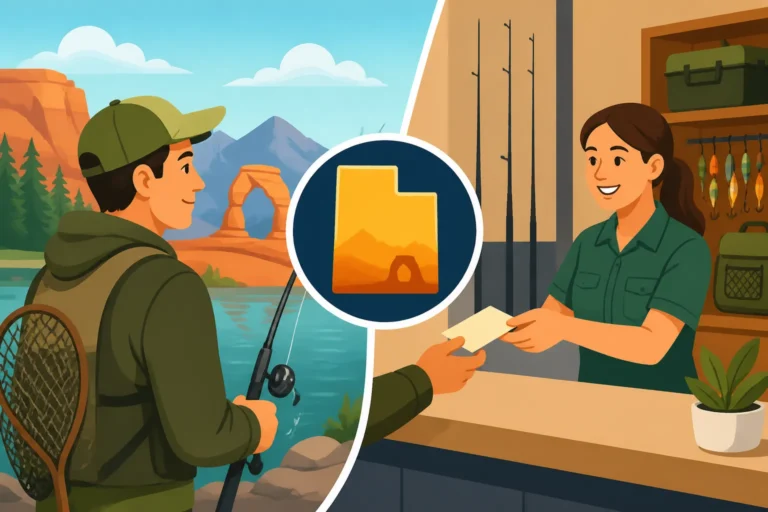
Similarly, when purchasing a license in person at a DWR office or an authorized vendor, you'll be asked for identification that verifies your age. This could be a driver's license, state ID, or even a birth certificate for younger individuals who might not have other forms of ID. Vendors are trained to ensure the correct license type is issued based on age and residency. This verification process is vital to prevent misuse of discounted or exempt licenses. For a seamless experience, especially for first-timers, checking out How to Buy a Utah Fishing License Online can be incredibly helpful. It truly simplifies what can sometimes feel like a daunting task, getting you out on the water faster.
What to Carry: Proof of Age and License
Having the correct license is one thing; being able to prove you have it and that it's valid for your age group is another. When you're out fishing, a conservation officer may ask to see your license and proof of identity/age. For adults, a driver's license or state-issued ID card is typically sufficient. This validates both your residency and your age for the purchased license type.
For youth anglers (ages 12-17), they should carry their youth fishing license. While they might not have a driver's license, any form of official identification that includes their birthdate could be requested, such as a school ID or a copy of their birth certificate (though usually, just having the license is sufficient, assuming it was purchased correctly). The good news is that Utah, like many states, embraces technology. You can often carry your fishing license digitally on your smartphone. This means you don't have to worry about losing a physical card. To understand the specifics of this convenient option, take a look at Can You Show a Digital Fishing License on Your Phone in Utah?. Always remember that the burden of proof is on the angler to show they are legally entitled to fish.
Penalties for Age-Related License Violations
Fishing without the proper license for your age group, or misrepresenting your age to obtain a cheaper license, can lead to unpleasant consequences. Conservation officers take these violations seriously because fishing licenses are fundamental to the DWR's ability to manage fish populations and maintain healthy ecosystems across the state. The penalties aren't just a slap on the wrist; they can involve significant fines and, in some cases, even forfeiture of fishing equipment. Imagine having a wonderful day ruined by a costly ticket, all because you overlooked a small detail related to age.
The exact fines can vary depending on the severity of the offense, whether it's a first-time violation, and if other regulations were also violated. For instance, an adult caught fishing without a license might face a higher fine than a teenager who mistakenly fished outside of their license’s scope, although both are violations. Ignorance of the law is generally not considered a valid excuse. This is why it's so important to be absolutely sure you and everyone in your fishing party have the correct licenses according to their age. If you're curious about the specific repercussions, articles like Utah Fishing License Penalties for Violations and What Happens If You Get Caught Fishing Without a License in Utah? offer a clear picture of what's at stake. It's always better to be safe, legal, and enjoy your fishing trip without any worries.
Common Age-Related Scenarios for Anglers
Let's talk about some real-world situations you might encounter when fishing with family or friends, where understanding age-related license rules becomes crucial. These are the moments when confusion can easily creep in.
Grandparents and Grandchildren Fishing Together
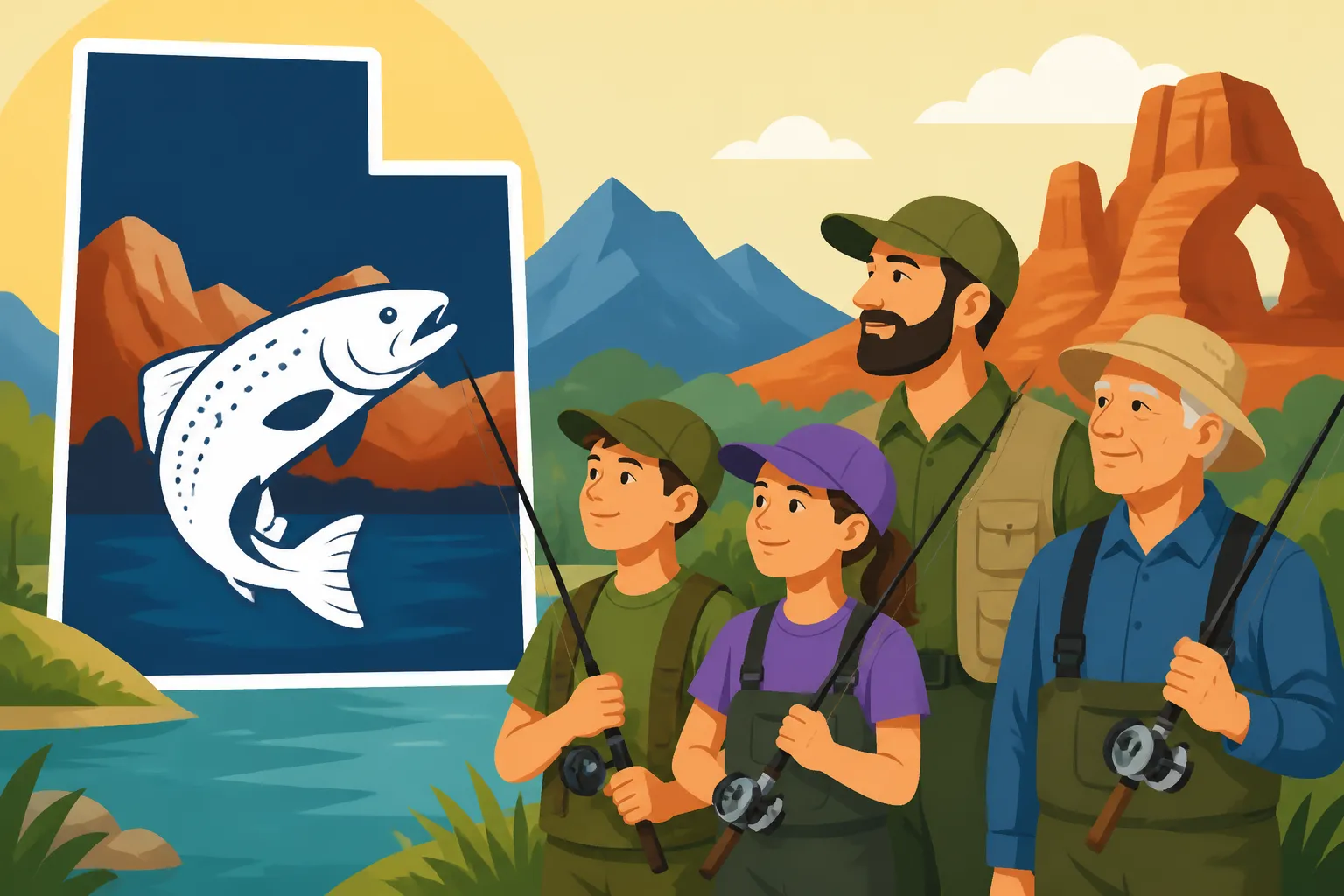
This is a beautiful and common scenario in Utah, but it often raises questions about licenses. The good news is that the "under 12" exemption makes it incredibly easy for grandparents to take their youngest grandchildren fishing without needing a license for the kids. However, if the grandchildren are aged 12 to 17, they will need their youth license. The grandparents, if they are 65 or older, can enjoy their senior discount license, or if they're younger than 65, they'll need a standard adult license.
The key takeaway here is that each individual actively participating in fishing must have a license appropriate for their age, unless they fall under the "under 12" exemption. A grandparent cannot use their license to cover a grandchild who is over 12 and requires their own. It's about individual responsibility, even within a family unit. For a deeper dive into these family dynamics, read up on Utah Fishing License Rules for Grandparents Fishing With Grandkids. It's all about enjoying the outdoors together, but doing it by the book!
Groups of Friends with Varying Ages
Picture this: a group of friends heads out to their favorite fishing spot. Some are adults over 18, some are teenagers aged 15, and maybe one is a younger sibling who just turned 11. In this scenario, the adult friends will need their standard adult licenses, the 15-year-olds will need their youth licenses, and the 11-year-old is completely exempt. Each person is responsible for their own license status based on their individual age.
The DWR doesn't operate on a "group license" or "family plan" model beyond the "under 12" exemption. This means that if you're organizing a trip with friends of various ages, a quick check of everyone's birthdate and current license status is a good idea before you head out. It prevents any awkward situations or potential fines when a conservation officer checks your group. Encourage everyone to be aware of their personal requirements, making the outing smooth and enjoyable for all.
When Only One Adult is Actively Fishing with Kids
Sometimes, you'll have one adult supervising several kids, but only that one adult is actually casting a line themselves. Perhaps the other adult is just relaxing by the shore, taking photos, or helping the kids with bait and tangled lines without holding a rod themselves. The rule is simple: only the person actively engaged in fishing needs a license. This means if one adult is supervising but not fishing, they don't need a license. However, if they pick up a rod and start fishing, even "just for a minute," they are then legally required to possess a valid license for their age.
The confusion often stems from the misconception that if you're "with" someone who's fishing, you also need a license. This isn't the case. It's all about who has a rod in hand and is attempting to catch fish. The kids, if under 12, are exempt regardless of how many adults are supervising, and if 12-17, they need their youth license. The clear answer to the question, "Do Both Adults Need a License If Only One Is Fishing in Utah?" is generally "no," provided the second adult truly isn't fishing.
Here's a handy table summarizing Utah's fishing license age requirements and typical scenarios:
| Age Group | License Requirement | Typical Cost (Resident Annual) | Key Considerations |
|---|---|---|---|
| Under 12 | No License Required (Exempt) | Free | Great for families; applies to residents and non-residents. |
| 12-17 | Youth Fishing License Required | Reduced Rate | Introduces responsibility; proof of age may be needed. |
| 18-64 | Standard Adult Fishing License Required | Full Rate | Resident vs. Non-Resident rates apply; combination options. |
| 65 and Older | Senior Fishing License Required | Discounted Rate | Must be a Utah resident; lifetime options sometimes available. |
| Disabled Vet | Special/Free License (with qualification) | Free / Highly Discounted | Requires proof of service-connected disability. |
| Active Military | Discounted License (with qualification) | Discounted Rate | Requires proof of active service. |
Note: Costs are approximate and subject to change by the Utah DWR. Always check the official DWR website for current pricing.
Planning Your Utah Fishing Trip Based on Age
Now that you're an expert on age-related license rules, let's look at how this knowledge can help you plan the best fishing experiences for everyone involved, especially when different age groups are casting lines together.
Choosing Kid-Friendly Waters with Age Exemptions in Mind
When you're fishing with young children (especially those under 12 who don't need a license), choosing the right location can make all the difference. Community ponds, often found in urban and suburban areas, are fantastic options. They're usually well-stocked by the DWR, easily accessible, and provide a safe, convenient environment for beginners. Places like those listed in Best Fishing Spots for Kids in Utah or any of the Utah Community Pond Fishing Spots are perfect for leveraging that "under 12" exemption. You don't have to worry about complex regulations or licensing for the little ones, allowing you to focus on the joy of the experience.
These spots are designed for high catch rates and easy access, making them ideal for building confidence in young anglers. The excitement of catching a fish quickly can hook them for life! When the focus isn't on paperwork, it's easier to teach them the basics, like casting, baiting a hook, and the importance of conservation. It truly highlights the DWR's commitment to fostering a love for fishing in the next generation.
Maximizing Opportunities for Youth Anglers
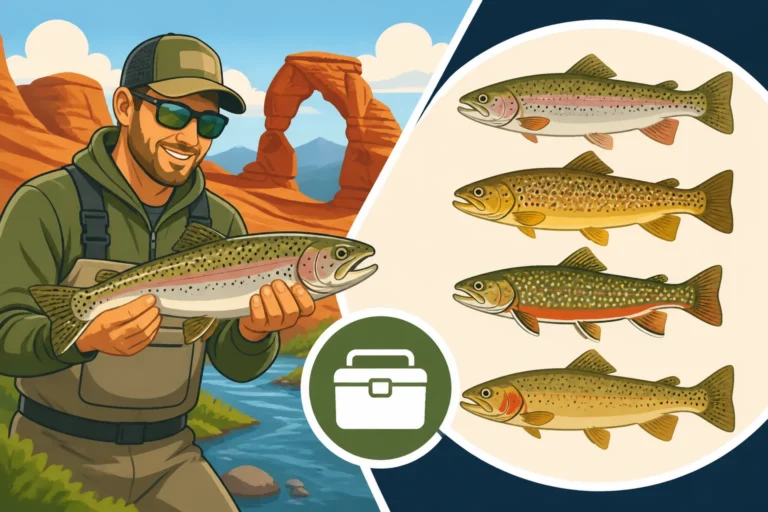
For those youth aged 12 to 17 who do require a license, it's important to make their fishing experience rewarding, especially since they're now investing a small amount in their pastime. Seek out waters that offer a good chance of success, perhaps spots known for panfish or easily accessible trout. The goal is to keep them engaged and encourage them to continue fishing into adulthood. Consider targeting species that are plentiful and relatively easy to catch, ensuring they feel successful after purchasing their youth license.
This might involve slightly more advanced techniques than what you'd use with a very young child, but still keeping it fun and not overly complicated. Involving them in choosing lures or baits, and teaching them about local fish species and regulations, can deepen their appreciation for the sport. This stage is about nurturing a budding passion for fishing, showing them that the small investment in a license opens up a world of adventure and relaxation.
Age-Appropriate Gear and Resources
Finally, having the right gear is essential for anglers of all ages, and selecting age-appropriate equipment can significantly enhance the experience. For young children, simple spin-casting rods and reels are perfect for learning the basics. You can often find decent, affordable beginner setups on platforms like Amazon, making it easy to get started without breaking the bank. For teenagers who are getting more serious, upgrading to a slightly more sensitive rod and a smoother spinning reel can make a noticeable difference in their ability to detect bites and handle fish. They might even start getting into specific techniques like fly fishing, requiring different gear entirely.
Adults, of course, have a vast array of gear choices, from specialized trout rods to heavy-duty setups for lake trout or walleye. Regardless of age, safety gear, like appropriate life jackets (also readily available on Amazon), is non-negotiable, especially when fishing from a boat or near deep water. Thinking about What Gear Does a First-Time Utah Angler Need? is a great starting point for anyone, from a beginner child to a new adult angler. Having gear that fits their size and skill level not only makes fishing easier but also prevents frustration and promotes a lifelong love of the sport.
Disclaimer
Please remember that fishing regulations, license requirements, and fees in Utah are set by the Utah Division of Wildlife Resources (DWR) and can change. While this guide provides comprehensive and up-to-date information, it is always your responsibility to consult the official Utah DWR website or current fishing proclamation before heading out. This ensures you have the most accurate and current information to comply with all state laws.