Best Bait Containers for Utah Ice Fishing
There's nothing quite like the crisp air and serene silence of a Utah ice fishing trip. But let's be honest, the peace can quickly turn to frustration when you reach for your bait, only to find it's frozen solid, sluggish, or worse, completely dead. Keeping your bait lively and accessible in freezing temperatures is a battle every ice angler faces, and a good bait container is your first line of defense. This guide is all about helping you pick the absolute best bait containers for your specific needs, ensuring your live bait stays in prime condition for a successful day on the ice.
The Unique Challenges of Keeping Bait Alive While Ice Fishing in Utah
Ice fishing presents a completely different set of circumstances for bait management than open-water fishing. You're not just contending with fish preferences; you're battling the elements, and in Utah, those elements can be pretty unforgiving. From the biting winds off Strawberry Reservoir to the frigid depths of Flaming Gorge, your bait needs protection.
The Frustration of Frozen Bait
Picture this: you've drilled your holes, set up your shelter, and the bite is on! You go to grab a lively minnow, only to discover your bucket water has a thin layer of ice on top, or your wax worms are stiff as tiny pencils. It's a common, infuriating scenario that can derail a promising day. Frozen bait isn't just unpleasant to handle; it's often dead bait, and dead bait rarely attracts the kind of aggressive strikes you're looking for, especially when targeting finicky trout or perch. The struggle is real, and it’s why savvy anglers invest in specialized containers.
Standard buckets or tackle box compartments just don't cut it when the air temperature dips below freezing for hours on end. They offer little to no insulation, meaning the water inside rapidly equilibrates with the outside air, leading to a quick freeze. Even if the bait doesn't completely freeze, drastically cold water can shock minnows, making them lethargic and less appealing to predatory fish. For worms and larvae, extreme cold can kill them outright or put them into a deep dormancy, making them inactive and less enticing on the hook.
Maintaining Optimal Conditions in Sub-Zero Temps
The goal isn't just "not frozen"; it's about keeping your bait healthy and active. This means maintaining a stable, cool-but-not-freezing water temperature for minnows, and a consistent cool, slightly humid environment for worms and larvae. It's a delicate balance that cheap, uninsulated containers simply cannot achieve. In Utah, where winter temperatures can plunge well below zero, this becomes paramount.
Think about fishing on a clear, cold morning at Fish Lake. The sun might be shining, but the air temperature is still brutally cold. Without proper insulation, any water-based bait will suffer. Oxygen levels also deplete faster in warmer water, but conversely, minnows can be sluggish in overly cold water, making proper temperature regulation a multi-faceted challenge. It's not just about preventing freezing, but about creating a mini-ecosystem for your bait that mimics their natural habitat as much as possible, even while you're standing on several feet of ice. This is crucial for keeping bait alive and kicking, ready to entice a bite. You'll find more tips on keeping your wiggly friends happy in our guide on How to Keep Bait Alive in Cold Weather.
Accessibility and Convenience on the Ice
Beyond survival, there's the practical aspect of actually using your bait. Fumbling with frozen lids, trying to extract a single minnow from a half-frozen bucket, or digging through a clumpy mass of chilled maggots is no fun when your hands are already cold and wet. A well-designed ice fishing bait container takes accessibility into account. This means features like wide openings, easy-to-remove lids that don't freeze shut, and internal baskets or trays that allow you to quickly retrieve bait without exposing the entire supply to the biting wind.
Imagine trying to quickly re-bait a hook when a school of perch passes through your hole. You don't have time to wrestle with a poorly designed container. A good container makes this process smooth and efficient, allowing you to maximize your fishing time. Some containers even have built-in holders for small bait tools or an aerator, making everything you need readily available. When you're fishing in a small ice shelter, space is at a premium, so a compact, well-organized bait system is a huge plus. Efficiency on the ice translates directly to more fishing time and, hopefully, more fish in your bucket.
Essential Features of a Superior Ice Fishing Bait Container
When you're out on the ice, battling the elements, your bait container needs to be more than just a bucket. It's a specialized piece of gear designed to give your live bait the best chance of survival and keep it performing optimally. Let's look at the features that truly make a difference.
Insulation and Temperature Regulation
This is, without a doubt, the most critical feature for any ice fishing bait container, especially when fishing Utah's frozen waters. Good insulation acts as a barrier against the extreme cold, preventing the water inside from freezing and keeping bait lively. Think of it like a miniature cooler for your bait, but designed to hold heat (or prevent cold from getting in) rather than just keep things chilled.
Many high-quality bait containers for minnows are double-walled, often with foam or air trapped between the layers. This design significantly slows down heat transfer. Some even come with a tight-fitting lid that further seals in warmth. For smaller baits like wax worms or maggots, insulated foam containers or those with thick plastic walls serve a similar purpose, preventing them from succumbing to the cold and becoming stiff. Without this crucial insulation, you're fighting a losing battle against Utah's winter temperatures. A well-insulated container means your bait stays active, mimicking their natural behavior and increasing your chances of a bite. You might even find some advanced options, perhaps from a brand like Bass Pro Shops, that include features to help manage the temperature even more precisely.
Aeration and Oxygen Supply
Just like humans need to breathe, minnows and other aquatic baits need oxygen to survive. In a closed container, oxygen in the water will quickly deplete, especially if you have a lot of bait. This is where aeration comes in. Many modern minnow buckets come with a spot to attach a small, battery-operated aerator. These devices pump air into the water, creating bubbles that increase the dissolved oxygen levels.
An aerator is virtually essential for keeping minnows alive for extended periods on the ice. Without it, even in a well-insulated bucket, your minnows will eventually suffocate. Look for containers with a dedicated clip or holder for an aerator, and ensure the lid has a small opening for the air hose to pass through without compromising the seal. For non-aquatic baits like worms or maggots, aeration isn't about dissolved oxygen in water, but ensuring they have fresh air. Their containers should have small ventilation holes, often screened, to allow airflow while preventing escape. Without proper oxygen, your bait will become sluggish and eventually die, rendering them useless for fishing.
Durability and Portability
An ice fishing trip involves lugging gear, often over slippery or uneven terrain. Your bait container needs to be robust enough to handle bumps, drops, and the general wear and tear of being out in the elements. Look for containers made from durable, cold-resistant plastics that won't become brittle and crack in sub-zero temperatures. Features like sturdy handles, reinforced hinges, and reliable latches are also crucial.
Portability is another key consideration. While some anglers prefer larger containers for abundant bait, others prioritize lightweight and compact options that fit easily into a sled or backpack. Many minnow buckets come with a separate inner bucket or strainer that allows you to easily lift your minnows out of the water without having to dump the entire contents, which is incredibly useful. For small baits, compact plastic or foam boxes are ideal. Consider how you'll be transporting your gear – walking, snowmobiling, or driving an ATV – and choose a container that can withstand the journey. A container that breaks easily or is cumbersome to carry will quickly become a liability on the ice. These factors are important when you are trekking to Strawberry Reservoir Ice Fishing Spots or high-altitude lakes.
Matching Your Container to Your Bait Type
Different baits have different needs when it comes to storage and survival, especially in the harsh environment of Utah's ice fishing season. Using the right container is paramount to keeping your bait lively and effective. It's not a one-size-fits-all situation; a container perfect for minnows will be terrible for wax worms, and vice versa.
Minnow Buckets and Tubs
Minnows are arguably the most popular live bait for targeting a variety of species through the ice, including perch, walleye, and trout. Their survival hinges on having enough oxygenated water at a stable, cool temperature. Traditional, uninsulated minnow buckets are a recipe for dead bait in Utah's winter. You absolutely need an insulated bucket, often double-walled, with a tight-fitting lid.
The best minnow buckets usually feature an inner perforated basket that can be lifted out. This allows you to easily drain the water and grab a minnow without having to put your hand into the frigid bucket or risk spilling water everywhere. Many also have a dedicated spot for a battery-operated aerator, which is a game-changer for keeping minnows lively for hours on end. Imagine fishing for Strawberry Reservoir Trout and Kokanee Limit; you want your minnows to be as enticing as possible. Brands often offer minnow buckets in various sizes, from small 2-gallon options for a quick trip to larger 6-gallon tubs for all-day excursions or multiple anglers. Remember to keep a spare set of batteries for your aerator, especially on long, cold days. You can often find a good selection of these durable, insulated minnow buckets available on Amazon or at local sporting goods stores like Bass Pro Shops.
Worm and Larvae Keepers
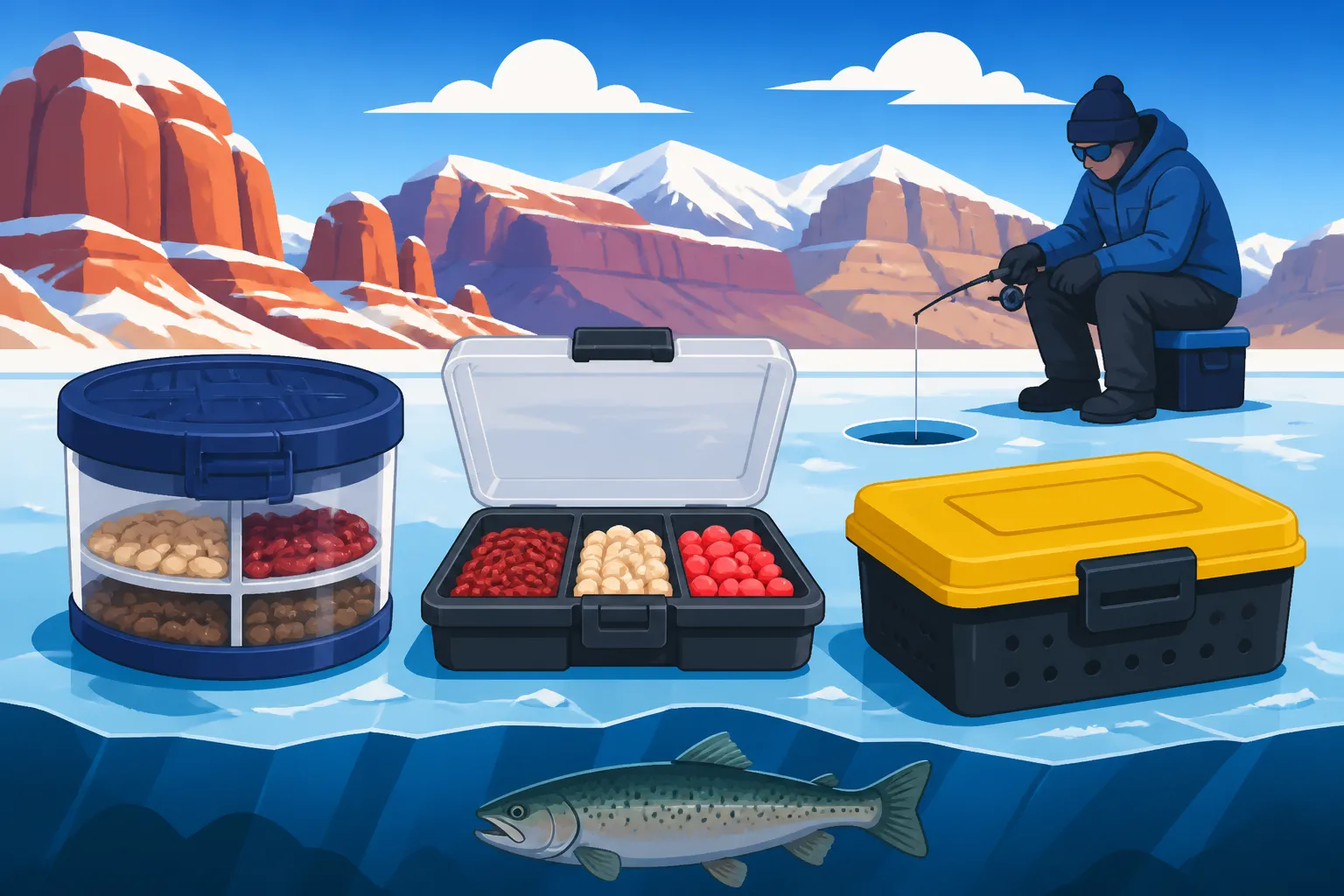
For smaller baits like wax worms, mealworms, spikes (maggots), or even red wigglers, the container needs are different. They don't require water, but rather a cool, slightly damp, and breathable environment. Standard minnow buckets are completely unsuitable here. Instead, specialized worm and larvae keepers are designed to meet these specific requirements.
These containers are typically small, compact plastic or foam boxes. The key features include good insulation to prevent freezing, and crucially, ventilation holes to allow air circulation without letting the bait escape. For worms, some containers come with bedding material like peat moss or shredded newspaper, which helps maintain humidity and provides a substrate for the worms to burrow into. Wax worms and spikes are often sold in small plastic cups with wood shavings or cornmeal; a dedicated keeper simply offers better insulation and ventilation for extended periods on the ice. A common mistake is to keep these baits in a sealed container, which will suffocate them. Proper airflow is essential. These small containers are easy to tuck into a pocket or tackle box, keeping your bait close at hand and at a more stable temperature.
Specialized Solutions for Unique Baits
Beyond the common minnows and worms, some anglers use other baits through the ice that require even more specific handling. For example, if you're targeting the Bonneville Cisco during the Bear Lake Cisco Run, you might be using small pieces of cut bait, which don't require a live bait container at all, but rather a small, insulated cooler to keep them chilled and fresh. However, if you're using something like frozen shrimp or squid for catfish, you'd again need a small, insulated compartment to keep them from thawing too quickly or refreezing into a solid block.
Another example is using live crawdads or leeches in areas where legal. These would require a container similar to a minnow bucket but potentially with different internal structures or more secure lids to prevent escape. Sometimes, anglers might even use small containers with gel packs (warm ones in winter!) to create a very specific microclimate for particularly sensitive baits. Always check local regulations, as not all live baits are legal in all Utah waters, and there are strict rules about Utah Bait Fish Rules for Live Bait. The point is, consider the biological needs of your specific bait, and choose a container that addresses those needs directly, rather than trying to force a generic solution.
Here's a quick comparison of common bait container types:
| Container Type | Ideal Bait(s) | Key Features | Pros | Cons |
|---|---|---|---|---|
| Insulated Minnow Bucket | Minnows, small baitfish | Double-walled, aerator-ready, inner basket | Keeps minnows lively for hours, easy retrieval | Bulky, requires aerator/batteries |
| Insulated Worm/Larvae Box | Wax worms, maggots, mealworms | Foam/plastic construction, ventilation holes | Lightweight, compact, good insulation | Not suitable for aquatic bait, small capacity |
| Small Insulated Cooler | Cut bait, dead shrimp/squid | Excellent insulation, tight seal | Keeps bait fresh/chilled, multi-purpose | Can be overkill for small amounts of bait |
| Aerated Livewell Bag | Minnows (for transport) | Heavy-duty fabric, battery aerator | Collapsible, great for transport | Less rigid on ice, can freeze if not careful |
Practical Tips for Bait Management on Utah's Frozen Lakes
Having the right bait container is a fantastic start, but it's only one piece of the puzzle. How you manage your bait on the ice, especially in Utah's often brutal winter conditions, will greatly impact its lifespan and effectiveness. A little foresight and proper technique can make all the difference between lively bait and frozen blocks.
Protecting Bait from Extreme Cold
Even the best-insulated bait container can only do so much when faced with sustained sub-zero temperatures. One of the simplest and most effective strategies is to keep your bait container inside your ice fishing shelter. Whether it's a pop-up shelter at Scofield Reservoir or a permanent shack on Utah Lake, the ambient temperature inside will always be significantly warmer than outside. This provides an extra layer of protection against freezing. If you're using a portable heater in your shelter, your bait will be in an even better environment.
If you don't have a shelter, try to keep the container out of direct wind exposure, perhaps tucked behind a snowdrift or even buried slightly in the snow, which acts as its own insulator. For minnow buckets, you can even add a small, inexpensive hand warmer to the water, briefly, to raise the temperature if it's getting too cold, but be very careful not to overheat the water. For worms and larvae, keeping their containers in an inner pocket of your jacket or bibs for periods can utilize your body heat to keep them active. A well-placed Best Ice Fishing Shelters for Utah Winters can be a game-changer for bait survival.
Water Quality and Bait Health
For minnows, clean and oxygenated water is non-negotiable. Don't just scoop water from the top of your fishing hole; often, the top few inches of water right under the ice are very cold and low in oxygen. Instead, use a bait dipper or scoop to get water from a slightly deeper, more stable layer. Avoid over-crowding your minnow bucket. Too many minnows in a small amount of water will quickly deplete oxygen and foul the water with waste.
If you're on a multi-day trip or anticipate a very long day, consider changing a portion of the water in your minnow bucket every few hours. Just be careful to replace it with water that's roughly the same temperature to avoid shocking your bait. You can use a small thermometer to check. Never use tap water directly from home unless it's been declorinated, as chlorine can be lethal to minnows. The ice-cold water of many Utah reservoirs is perfect for minnows, provided it's oxygenated. For worms and larvae, ensure their bedding stays moist but not soaking wet, and replace it periodically if it becomes too soiled.
Storage and Transport Strategies
Before you even hit the ice, think about how you're transporting your bait. If you're driving a long distance in a cold truck bed, your minnow bucket will likely freeze solid. Keep bait inside the heated cab of your vehicle during transport. For worms and larvae, again, inside the cab or even a warm cooler for transport is best. Once you arrive, transfer them to your sled or pack.
When you're out on the ice, secure your bait container so it doesn't tip over. A spilled minnow bucket is a disastrous loss of bait and a wet, icy mess. Many ice sleds have compartments or bungee cords to secure gear. If you're fishing a large lake like Flaming Gorge, you might be moving spots frequently; a well-secured container is vital. At the end of the day, properly dispose of any unused bait. Never release live bait into waters from which it didn't originate, as this can introduce invasive species or diseases. Instead, humanely dispatch it and discard it or take it home for your garden or compost. This commitment to good bait management ensures your bait is healthy, effective, and environmentally responsible.
Choosing the Right Bait Container for Your Style of Ice Fishing
Every angler has their own unique approach to ice fishing. What works for a solo angler targeting panfish in a community pond might be completely inadequate for a group chasing trophy lake trout on a vast reservoir. Your bait container choice should reflect your personal fishing style, the species you're after, and your overall budget.
Solo Angler vs. Group Fishing Needs
If you're typically a solo angler heading out for a few hours at a local spot like Mantua Reservoir for panfish, you probably don't need a massive, aerated minnow tub. A smaller, insulated minnow bucket, perhaps a 2-gallon size, with a compact aerator might be perfect. It's lighter, easier to carry, and still provides adequate capacity for a single angler's needs. For worm and larvae users, a small, well-insulated bait box that fits in your pocket might be all you need. The focus here is on portability and efficiency for one person.
However, if you're regularly fishing with a couple of buddies, especially on a bigger body of water like Utah Lake targeting walleye or catfish, a larger capacity is almost a necessity. A 5 or 6-gallon insulated minnow bucket, perhaps with a more powerful aerator or even two smaller ones, ensures everyone has access to lively bait throughout the day. It also means fewer trips to refill. For longer trips, or if you're keeping multiple types of bait, you might even consider bringing several specialized containers – one for minnows, another for worms, and a small cooler for cut bait. The bigger the group and the longer the trip, the more robust and higher-capacity your bait management system needs to be.
Budget-Friendly vs. Premium Options
Just like any other piece of fishing gear, bait containers range widely in price. On the budget-friendly end, you can find basic plastic insulated minnow buckets that offer decent cold protection for shorter trips. These are often great for beginners or those who only hit the ice a few times a season. You can often find these at general merchandise stores or on platforms like Amazon at very competitive prices.
Moving up the scale, you'll find premium options that boast superior insulation, advanced aerator systems (some even with rechargeable batteries), more durable construction, and ergonomic designs. These high-end containers might feature more robust lids that seal better, integrated storage for bait tools, or even submersible heaters for extreme conditions. While they represent a larger initial investment, their longevity and performance can pay off over many seasons, especially for dedicated anglers who spend a lot of time on the ice. Consider how often you fish and the conditions you typically face. Sometimes, spending a bit more upfront saves you frustration and lost bait in the long run.
Ease of Use and Cleaning
Think about the practicalities of using and maintaining your bait container. Is the lid easy to open and close, even with cold, gloved hands? Does it seal securely to prevent spills and keep cold air out? For minnow buckets, an inner basket that lifts easily makes bait retrieval simple and minimizes water exposure. For worm boxes, are the ventilation holes secure enough to prevent escapees but still allow airflow?
Cleaning is another often-overlooked aspect. Live bait containers can get smelly and accumulate grime if not cleaned properly after each use. Look for containers with smooth internal surfaces that are easy to rinse out. Removable components, like inner baskets or bedding trays, make thorough cleaning much simpler. A well-cared-for bait container will last longer and prevent the buildup of bacteria that could harm your next batch of bait. After a long day hauling your gear and getting your Utah Trout Daily Limit Explained, the last thing you want is a complicated clean-up.
Complementary Gear for Peak Bait Performance
A great bait container is the cornerstone, but it's part of a larger system. To truly maximize your bait's lifespan and effectiveness on the ice, especially during a demanding Utah winter, there are a few essential pieces of complementary gear that will elevate your bait management game.
Aerators and Air Stones
We've touched on aerators, but they deserve their own spotlight. For minnows, a reliable, battery-operated aerator is not an optional extra; it's a necessity. These devices gently pump air through a tube to an air stone, which disperses tiny bubbles into the water, constantly replenishing oxygen levels. Without adequate oxygen, minnows will quickly become lethargic and eventually die, making them much less appealing to hungry fish.
When choosing an aerator, look for models that are durable, quiet, and have decent battery life. Some aerators offer multiple speeds, allowing you to adjust the oxygen flow based on the number of minnows you have and the water temperature. It's always a good idea to carry extra batteries, as cold temperatures can reduce battery performance, and you don't want your minnows gasping for air midway through your trip. Having a backup or a fully charged spare battery ensures your bait stays lively all day, increasing your chances when trying to catch that trophy fish at Flaming Gorge Trophy Lake Trout Spots.
Bait Dippers and Scoops
While not as high-tech as an aerator, a simple bait dipper or scoop is an invaluable tool for efficiency and comfort on the ice. Trying to grab a single minnow from a frigid bucket with your bare hands is a quick way to numb your fingers and potentially shock the remaining bait. A bait dipper, typically a small net or perforated cup on a handle, allows you to quickly and easily scoop out one or two minnows without getting your hands wet or disturbing the entire population.
For worms and maggots, a small plastic scoop or even just a small stick can help you select individual baits without having to plunge your entire hand into the container. This keeps your hands cleaner and warmer. These inexpensive tools make the baiting process much smoother, especially when the fish are biting fast and you want to get your line back in the water as quickly as possible. Don't underestimate the impact of small conveniences when you're battling the cold and trying to stay focused on the fishing.
Heaters and Warmers for Extreme Cold
In truly extreme Utah winter conditions, even the best-insulated containers might struggle to keep bait from freezing, especially if they are exposed to the open air. This is where small, targeted heat sources can come into play. For minnow buckets, you can find small submersible heaters designed specifically for bait buckets. These are often battery-powered or connect to a portable power bank and gently warm the water just enough to prevent freezing without overheating the minnows.
Another strategy is to use disposable hand warmers. While you shouldn't put them directly in the water with minnows, you can place a hand warmer underneath an insulated minnow bucket or inside a larger, insulated tackle box compartment with your worm containers. This provides a subtle, consistent source of warmth that helps keep the bait active without cooking it. Always monitor the temperature to ensure you're not making the bait too warm. These small heaters and warmers are especially useful if you're fishing without a heated shelter or if temperatures are plummeting far below freezing, like when trying to keep your Best Bait Bucket to Keep Minnows Alive in Cold Weather. A little extra warmth can be the difference between lively bait and frozen disappointment.
Disclaimer
This article is for general informational purposes only and does not constitute professional advice. Laws, prices and regulations vary by location and change over time. Consult a qualified professional for guidance on your specific situation.