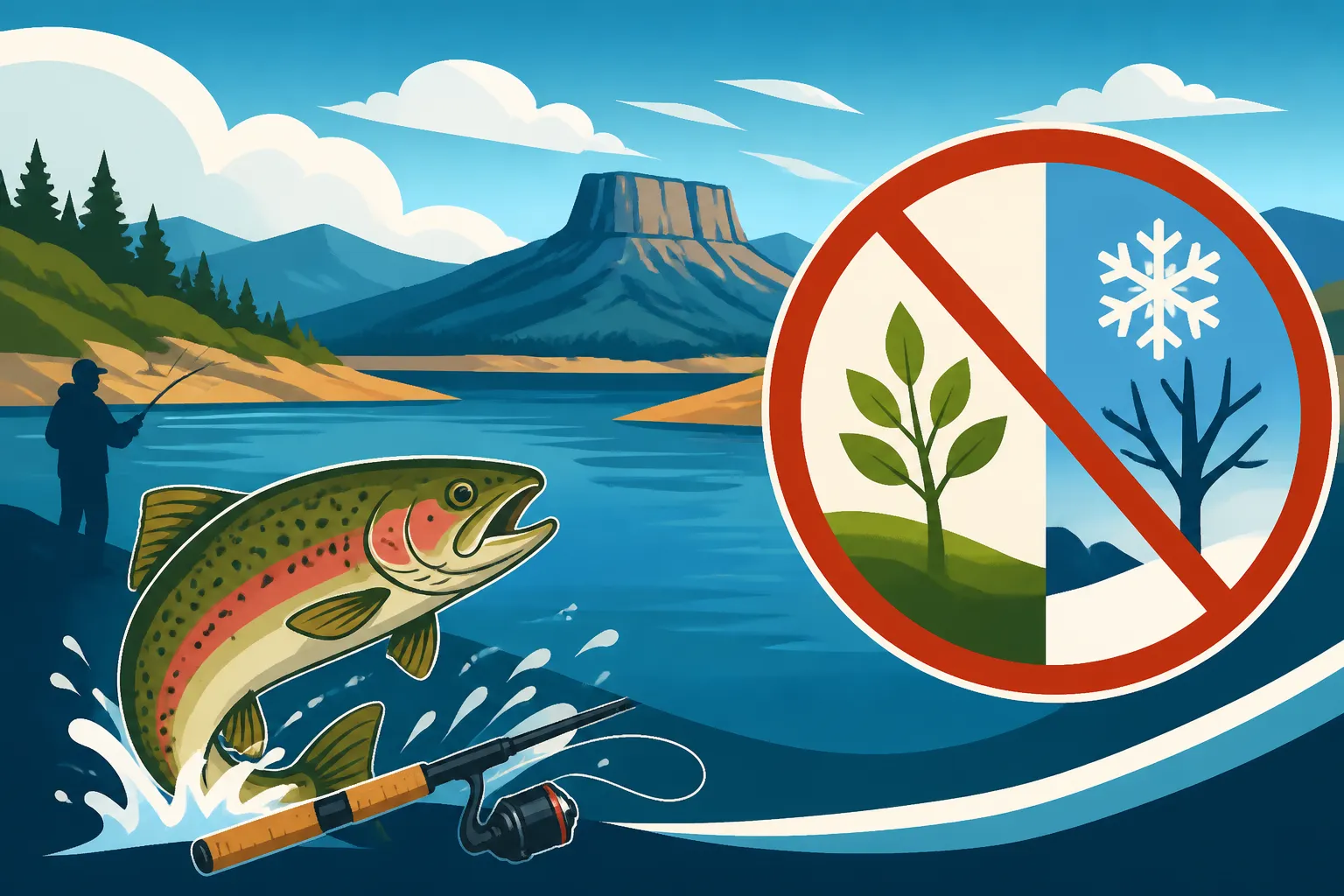
Strawberry Reservoir Seasonal Closure Dates
It's incredibly frustrating when you've got your heart set on a fishing trip to a prime spot like Strawberry Reservoir, only to find out it's closed! It throws a wrench in your plans, wastes gas, and leaves you wondering why such a fantastic fishery would ever be off-limits. This guide will walk you through the essential seasonal closure dates for Strawberry Reservoir, why these dates are so critical for its long-term health, and how you can plan your angling adventures around them.
Understanding the "Why" Behind Strawberry Reservoir's Closures
Strawberry Reservoir isn't just another body of water; it's a world-renowned trophy fishery, particularly famous for its incredible opportunities to catch large cutthroat trout and kokanee salmon. When the Utah Division of Wildlife Resources (UDWR) implements closures, it's not to be difficult, but rather a carefully calculated decision based on decades of scientific research and a deep understanding of the unique life cycles of these magnificent fish. These closures are truly vital for maintaining the health and sustainability of what many consider Utah's crown jewel of fishing.
The Critical Role of Spawning Seasons
Think about it: fish need to reproduce, and certain times of the year are absolutely crucial for their spawning rituals. For Strawberry Reservoir, the primary reason for its extended seasonal closure is to protect the vast populations of cutthroat trout and kokanee salmon during their most vulnerable spawning periods.
Utah's native Bonneville cutthroat trout, for instance, begin their spawning run in the spring, typically as the ice thaws and water temperatures begin to rise. They migrate up the reservoir's tributaries, seeking suitable gravel beds to lay their eggs. This journey is physically taxing, and during this time, they are highly susceptible to angling pressure. If anglers were allowed to target them intensively during this period, it could severely impact the reproductive success of the entire population, leading to fewer fish in the future. Protecting these fish during their spawn ensures that millions of new eggs are successfully laid, fertilized, and given the best chance to hatch, perpetuating the fishery for generations to come.
Similarly, kokanee salmon have their own distinct spawning period. Unlike cutthroat that spawn in the spring, kokanee salmon embark on their spectacular spawning run in the fall, transforming into vibrant shades of red as they ascend rivers and streams to reproduce before ultimately dying. This late fall period, extending into early winter, is another extremely sensitive time. The closure helps ensure that these bright red fish, focused solely on their biological imperative, are not harassed or harvested when their sole purpose is to contribute to the next generation of kokanee. The vibrant cycle of life at Strawberry is a testament to the effectiveness of these protective measures.
Protecting Vulnerable Fish Populations
Beyond just spawning, the closures serve a broader purpose of protecting these fish populations when they are most vulnerable to environmental stressors or concentrated fishing pressure. For a detailed look at some of the species thriving in the reservoir, check out our Utah Cutthroat Trout Guide and Utah Kokanee Salmon Guide.
During the late fall and early winter, as water temperatures drop and ice begins to form, fish often become less active and congregate in deeper, more predictable areas. This can make them easier targets for anglers. The absence of ice fishing at Strawberry, largely due to the seasonal closure, prevents excessive pressure on fish concentrated under the ice. While other lakes might open up for ice fishing, Strawberry's unique value as a trophy fishery necessitates a different approach. The goal here is not just to have fish, but to have big fish, and that requires careful management and periods of respite from human activity. The UDWR's strategy is about nurturing a robust ecosystem, not just providing a quick catch.
Furthermore, the reservoir's management aims to allow these fish to grow to trophy sizes. Constant pressure, even outside of spawning times, can limit the number of fish that reach those impressive lengths and weights. By providing a lengthy period where fish are left undisturbed, particularly through the colder months when they are conserving energy, it contributes significantly to the health and growth potential of the entire population. This kind of thoughtful management is what makes Strawberry truly special.
Winter Conditions and Safety Concerns
While the biological needs of the fish are paramount, practical safety considerations also play a significant role in the seasonal closure. Utah winters can be unpredictable, especially in high-altitude areas like Strawberry Reservoir. Snowfall can be heavy, making access roads treacherous or completely impassable. Imagine trying to navigate icy, unplowed roads with a trailer or even just getting to a favorite shore fishing spot. It's not just difficult; it can be downright dangerous.
The formation and stability of ice on such a large, deep body of water are also major factors. While some smaller, shallower lakes freeze solid and offer safe ice fishing opportunities, Strawberry Reservoir is vast and can have varying ice thickness, dangerous currents, and areas of open water even in the depths of winter. The UDWR would face immense challenges in monitoring and ensuring angler safety across such an expansive and potentially hazardous frozen landscape. Rather than putting anglers at risk, a blanket closure through these months is a responsible and pragmatic decision. It ensures that no one is tempted to venture onto unsafe ice or gets stranded due to severe weather.
Essentially, the closure streamlines management efforts, allowing the UDWR to focus its resources on research, habitat improvement, and ensuring that when the reservoir does open, it's ready to provide a safe and rewarding experience for everyone.
Specific Seasonal Closure Dates for Strawberry Reservoir
Knowing the exact dates for Strawberry Reservoir's closure is absolutely vital for any angler planning a trip. There's nothing worse than driving all the way up there, excited to cast a line, only to be met with a "Closed" sign. The reservoir operates on a very clear and consistent schedule, designed to provide maximum protection for its fish populations during their most critical times.
The Annual Fall-to-Spring Closure
The most significant and consistent closure period for Strawberry Reservoir runs annually from November 1st through the Friday before the last Saturday in April. This means that if you're planning a late-season fall trip, you need to be off the water before November rolls around. Similarly, spring anglers eagerly await that specific Friday in April, which marks the highly anticipated opening day. For more information on general statewide regulations, you might want to look at our Utah Fishing Season Dates and Limits guide.
Let's break down what this means in practice:
- Closure Begins: October 31st is typically the last day you can fish. By November 1st, the reservoir is officially closed to all angling. This closure also means no access for ice fishing, even if conditions might seem favorable on certain parts of the lake.
- Closure Ends / Opening Day: The reservoir reopens on the Saturday that falls between April 20th and April 26th (inclusive of those dates, depending on the year). So, if April 20th is a Saturday, that's opening day. If April 26th is a Saturday, that's opening day. If April 25th is a Friday, then April 26th is opening day. It always ensures a Saturday opening, giving weekend warriors a chance to be among the first. This structure allows for the protection of spawning fish through the critical early spring period while still providing a long, robust open season.
This extended closure ensures that both the fall-spawning kokanee and the spring-spawning cutthroat get the undisturbed time they need to complete their reproductive cycles. It's a strategic move that pays dividends in the form of a healthy, vibrant fishery once the season reopens. Anglers understand that this wait is worth it for the quality of fishing Strawberry provides.
How to Confirm Current Dates and Changes
While the dates mentioned above are remarkably consistent, it is absolutely paramount to always verify the official dates directly from the Utah Division of Wildlife Resources (UDWR) before planning your trip. Regulations can occasionally be adjusted due to unforeseen biological factors, environmental conditions, or management decisions. Relying solely on past experience or word-of-mouth is a recipe for disappointment.
Here are the best ways to confirm the current dates:
- UDWR Website: The official UDWR website is your single most reliable source. Look for the current year's Utah Fishing Guidebook. This digital document is updated annually and contains all specific regulations, including reservoir closures, bag limits like the Strawberry Reservoir Trout and Kokanee Limit, and any special rules. You can often find this with a quick search for "Utah Fishing Guidebook."
- UDWR Offices: If you prefer a personal touch or have specific questions, visit or call a local UDWR office. Their staff are incredibly knowledgeable and can provide the most up-to-date information.
- UDWR Social Media/News Releases: Follow the UDWR on their official social media channels or subscribe to their news releases. They often announce important dates, regulation changes, and stocking reports, making it easy to stay informed.
Imagine planning a trip for late April, arriving with all your gear, only to find a rare, last-minute environmental closure. It's frustrating, but easily avoidable with a quick check of the official sources. Taking a few minutes to confirm ensures your fishing adventure goes off without a hitch.
Other Potential Restrictions or Closures
While the annual November-to-April closure is the most prominent, it's also important to be aware that other, less common, or temporary restrictions and closures can occasionally occur at Strawberry Reservoir. These are usually in response to specific circumstances and are not part of the regular annual schedule.
Examples of such potential restrictions include:
- Emergency Closures: These might happen due to severe drought conditions leading to critically low water levels, widespread fish disease outbreaks, or significant environmental events like large wildfires impacting water quality. These are rare but can happen, and the UDWR acts quickly to protect the resource.
- Access Point Closures: Heavy snowfall might temporarily close specific boat ramps or access points even when the main reservoir is technically open (though this usually overlaps with the full closure period). Road washouts or maintenance can also lead to temporary access issues.
- Special Regulation Changes: While not a full closure, the UDWR might implement temporary changes to bag limits, tackle restrictions, or species-specific rules if they observe particular pressures on a certain fish stock. For example, if cutthroat populations are struggling in a given year, they might reduce the How Many Cutthroat Trout Can You Keep at Strawberry Reservoir? for a season. These are always announced well in advance in the fishing guidebook or via official notices.
These additional restrictions are usually communicated clearly through the UDWR's official channels. Staying informed by regularly checking their website or signs at the reservoir itself is always the best practice. It ensures you're compliant and that you understand the rationale behind any changes, helping you be a more responsible and effective angler.
What Anglers Can Do During Strawberry's Closed Season
So, Strawberry Reservoir is closed. That can feel like a real bummer, especially when you're itching to get out on the water. But don't despair! This "down time" is actually a fantastic opportunity to explore other fishing possibilities, prepare for the upcoming open season, and even deepen your understanding of Utah's incredible fisheries. It's a chance to broaden your horizons and hone your skills without feeling left out.
Exploring Nearby Year-Round Fishing Opportunities
Utah is brimming with fantastic fishing spots, many of which remain open year-round, even when Strawberry is taking its well-deserved rest. Instead of letting the closure get you down, consider it an invitation to discover a new favorite spot. Many anglers find joy in the diversity of Utah's waters. For a broader perspective on angling throughout the year, refer to our Best Time of Year to Fish in Utah article.
Here are a few ideas for alternatives:
- Rivers and Streams: Many rivers and streams across Utah, particularly tailwaters below dams, remain open for fishing through the winter. The Provo River, for example, offers excellent year-round fly fishing opportunities for brown and rainbow trout, even in colder weather. The Green River below Flaming Gorge Dam is another world-class fishery that offers incredible angling throughout the colder months. These river environments provide a completely different challenge and experience than reservoir fishing.
- Other Reservoirs and Lakes: While Strawberry is closed, many other reservoirs and lakes in Utah remain open and accessible, often providing excellent ice fishing. Places like Scofield Reservoir, Pineview Reservoir, and Willard Bay offer diverse fishing experiences, from ice fishing for trout and perch to targeting wiper and tiger muskie. Always check specific regulations for these waters, as limits and access can vary.
- Community Ponds: Don't forget the urban and community ponds! The UDWR regularly stocks these ponds, and they often remain open year-round, providing easy access and a great family-friendly option, especially for kids. They're perfect for a quick afternoon outing when you don't have time for a big trip.
Using the closure as an excuse to explore other waters can be incredibly rewarding. You might just stumble upon a hidden gem or develop new techniques applicable to different types of fishing. It's all part of the adventure of being an angler in Utah.
Prepping Gear and Planning for Opening Day
The closed season for Strawberry Reservoir is the perfect time for thorough gear maintenance and meticulous trip planning. Instead of being frustrated, channel that energy into getting everything dialed in for when the season reopens. This preparation can make a huge difference in your success and enjoyment once you're back on the water.
- Tackle Box Overhaul: Go through your tackle box. What lures are looking a bit rusty? What hooks need sharpening? Now's the time to replace old line, organize your jigs and spoons, and make sure your leader material is fresh. You can find a huge variety of fishing gear, from new lures to line, readily available on platforms like Amazon, making it easy to restock your favorites or try something new.
- Rod and Reel Maintenance: Your rods and reels work hard during the open season. Take the time to clean your reels, lightly oil moving parts, and check your rod guides for any cracks or damage. A well-maintained reel will cast smoother and last longer. Consider upgrading any worn-out components, which can often be found with a quick search on Amazon.
- Boat and Trailer Prep: If you're a boater, this is prime time for annual boat maintenance. Check your engine, trailer lights, tires, and bearings. Make sure all your safety gear, like life jackets and fire extinguishers, is in good working order. Ensuring your boat passes all the necessary inspections and registrations is also crucial. For a full breakdown of what you need, check out our Utah Boating and Fishing Rules guide.
- Study and Learn: Use the downtime to research new techniques or species. Maybe you want to try a different trolling pattern for kokanee or learn more about specific fly patterns for cutthroat. Books, online forums, and videos are fantastic resources. This is also an excellent moment to delve deeper into the Strawberry Reservoir Fishing Guide to plan your strategy for opening day.
By taking the time to prepare during the closure, you'll be hitting the water on opening day with confidence, knowing your gear is in top shape and your plan is solid.
Educational Opportunities and Community Engagement
Beyond just gear and alternative fishing spots, the closed season can be a fantastic opportunity for personal growth as an angler and for engaging with the broader fishing community. There's a wealth of knowledge to tap into and ways to contribute to the sport you love.
- UDWR Programs and Workshops: Keep an eye out for educational programs, seminars, or workshops offered by the UDWR or local conservation groups. These often cover topics like fish identification, angling techniques, knot tying, or even wildlife conservation principles. Attending these can deepen your understanding and connect you with other passionate anglers.
- Conservation Efforts: Consider getting involved in local conservation efforts. Many organizations rely on volunteers for habitat restoration projects, stream clean-ups, or educational outreach. Contributing to these efforts is a powerful way to give back to the fisheries that provide so much enjoyment.
- Reading and Research: Pick up a book on local fish species, angling history, or advanced techniques. Dive into online forums to learn from experienced anglers. Understanding the ecosystem, the challenges fish face, and the science behind regulations can transform your fishing experience from just catching fish to truly appreciating the entire environment. Even perusing reviews for new tackle on Amazon can be an educational experience, helping you understand different perspectives and product features.
- Mentor a New Angler: If you have friends or family who are curious about fishing but haven't taken the plunge, the closed season is a great time to introduce them to the basics. Teach them about different types of tackle, discuss fish behavior, or even practice casting in the backyard. Sharing your passion is one of the most rewarding aspects of the sport.
By embracing these opportunities, you'll not only survive the closure but thrive, emerging as a more knowledgeable, skilled, and community-minded angler. The time off the water can be just as valuable as the time on it.
Planning Your Trip Around Strawberry Reservoir's Open Season
When Strawberry Reservoir reopens, it's a huge deal for Utah anglers. It marks the return to one of the state's most cherished fisheries, offering incredible opportunities for trophy cutthroat and kokanee. To make the most of this highly anticipated season, it's crucial to plan strategically, ensuring you hit the water prepared and knowledgeable about the regulations and best practices.
Maximizing Your Chances During Peak Seasons
Strawberry Reservoir can provide fantastic fishing throughout its open season, but certain periods tend to offer exceptional opportunities, especially for specific species. Understanding these peak times can significantly increase your chances of success.
- Spring Opener (Late April/May): The reservoir's opening day is usually met with huge excitement, and for good reason. As the ice melts and water temperatures begin to rise, trout become very active and hungry after a long winter. The spring can be fantastic for targeting cutthroat trout, which are still relatively shallow after their spawning efforts. Kokanee salmon are also active and can be found cruising the shallows or near inlets. Early season is often a time for prolific catches as fish are spread out and actively feeding.
- Summer Fishing (June-August): As temperatures climb, fish tend to move deeper to find cooler, more oxygenated water. This is when techniques like trolling with downriggers or lead core line become essential for reaching depths where trophy lake trout (if present in other areas, though Strawberry is mostly known for cutthroat and kokanee) and kokanee reside. Early mornings and late evenings often provide the best action closer to the surface. It's also a great time to explore various coves and points for different species.
- Fall Fishing (September-October): This is a truly spectacular time to fish Strawberry, often considered one of the best. The kokanee salmon begin their vibrant spawning run, turning brilliant shades of red as they gather near tributary inlets and shallow areas. While regulations often prohibit snagging or targeting spawning kokanee, the sheer spectacle is amazing, and the cutthroat trout often key in on the kokanee's eggs and can be very aggressive. The cooler weather and stunning autumn foliage make for a truly memorable experience. This period right before the closure is prime for targeting trophy cutthroat.
Always remember that fish behavior is influenced by factors like water temperature, weather patterns, and forage availability, so staying current with fishing reports will always give you an edge.
Essential Gear for Strawberry Reservoir
Fishing Strawberry Reservoir requires specific gear to maximize your success, especially if you're targeting its legendary cutthroat and kokanee. Having the right tools for the job can make all the difference, from landing a trophy to simply enjoying a comfortable day on the water.
- Rods and Reels: For trout and kokanee, a medium-light to medium action spinning rod, 6 to 7 feet long, paired with a reliable spinning reel spooled with 6-8 pound test monofilament or fluorocarbon line, is a versatile setup. For those targeting larger trophy cutthroat, or if you plan to troll with heavier gear, a baitcasting setup or a dedicated trolling rod might be more appropriate. If you're into fly fishing, a 5 or 6-weight fly rod is a good all-around choice.
- Lures and Baits:
- Trolling: For kokanee, small dodgers and flashers paired with wedding rings, hoochies, or small spoons in pink, orange, or green are highly effective. For cutthroat, larger spoons, stickbaits (like Rapalas), or even minnow imitations work well.
- Casting/Still Fishing: PowerBait, Gulp! trout baits, worms, and salmon eggs are excellent for shore anglers or those still fishing from a boat. Kastmasters, Daredevils, and tube jigs can be cast from shore or boat for active trout.
- Fly Fishing: Streamers (like Woolly Buggers), nymphs (such as San Juan Worms or midge patterns), and various dry flies (when hatches occur) are productive.
- Electronics: A good fish finder is invaluable for locating submerged structure, identifying schools of fish, and monitoring water temperature and depth. Many quality units are available and can significantly improve your efficiency, whether you get one from your local tackle shop or through a retailer like Amazon.
- Safety Gear: Always carry essential safety gear, especially on a large body of water like Strawberry. This includes life jackets for everyone on board, a first-aid kit, a whistle, and appropriate clothing layers for changing weather conditions. A good cooler, perhaps from a brand like YETI or Igloo (widely available on Amazon), is essential for keeping your catch fresh.
Investing in quality gear that matches the fishing opportunities at Strawberry will enhance your experience and help you land those memorable catches.
Rules and Regulations to Remember
Fishing at Strawberry Reservoir isn't just about knowing the dates; it's also about understanding and adhering to the specific rules and regulations that govern this unique fishery. These rules are put in place by the UDWR to ensure the health and sustainability of the fish populations and the overall angling experience.
- Fishing License: First and foremost, you absolutely need a valid Utah fishing license. Whether you're a resident or non-resident, under 12 or a senior, there's a specific license for you. You can learn more about how to get yours by checking out our How to Buy a Utah Fishing License or reading our comprehensive Utah Fishing License Guide. Always have it with you, either a physical copy or a digital one on your phone.
- Bag and Possession Limits: Strawberry Reservoir has very specific bag and possession limits for cutthroat trout and kokanee salmon, which are often more restrictive than other waters to protect the trophy nature of the fishery. For example, there might be size restrictions on cutthroat, or a combined limit for trout species. Always consult the current Utah Fishing Guidebook for the precise limits, such as the Strawberry Reservoir Trout and Kokanee Limit. Exceeding these limits can result in significant penalties.
- Tackle Restrictions: While not always the case, some waters in Utah may have tackle restrictions (e.g., artificial flies and lures only, or single barbless hooks). Always double-check the guidebook for any specific tackle restrictions that might apply to Strawberry Reservoir or its tributaries, especially during sensitive periods.
- Aquatic Invasive Species (AIS) Prevention: Utah is serious about preventing the spread of AIS, like quagga and zebra mussels. If you're launching a boat, even a kayak or paddleboard, you are required to "Clean, Drain, and Dry" your vessel. Some waters, especially those with known AIS populations, may require mandatory inspection and decontamination before and after launch. While Strawberry isn't currently listed as infested with quagga mussels, practicing AIS prevention is a legal requirement and critical for protecting all Utah waters.
- Boating Rules: Beyond fishing, standard boating safety rules apply. This includes having enough life jackets for everyone on board, a fire extinguisher, a sound-producing device, and proper navigation lights if operating after dark. Understanding all the Utah Boating and Fishing Rules will ensure a safe and legal day on the water.
By being a responsible and informed angler, you contribute to the conservation of Strawberry Reservoir and help preserve its incredible fishing opportunities for everyone. Ignorance of the rules is never an excuse, so make sure you're up-to-date every time you hit the water.
Disclaimer
Please remember that fishing regulations and seasonal closures can change. While every effort has been made to provide accurate and up-to-date information in this guide, it is your responsibility to consult the official Utah Division of Wildlife Resources (UDWR) current fishing guidebook and website before any fishing trip. The UDWR is the ultimate authority on all Utah fishing rules and regulations. This content is for informational purposes only and does not constitute legal advice.