Utah Fishing License Cost Compared to Neighboring States
Planning a fishing trip that crosses state lines can be a real headache, especially when you're trying to figure out how much a fishing license is going to set you back in each place. Every state seems to have its own unique pricing structure, categories, and rules, leaving many anglers scratching their heads. This guide is designed to cut through the confusion, helping you understand how Utah's fishing license costs stack up against those of its neighboring states.
Understanding Utah's Fishing License Costs
Before we jump into comparisons, let's get a solid grasp on what you can expect to pay for a fishing license right here in Utah. The Utah Division of Wildlife Resources (DWR) sets these prices, and they're typically structured based on a few key factors: your residency status, your age, and the duration of the license you need. It's not just a flat fee, which is where things can get a bit tricky for folks who aren't familiar with our system.
Resident vs. Non-Resident Rates
The most significant factor influencing the price of a Utah fishing license is whether you're a resident or a non-resident. Like most states, Utah offers substantially lower rates to its residents, a way to acknowledge their ongoing contributions to the state's conservation efforts through taxes and other means. For example, an annual resident fishing license is considerably less expensive than a non-resident one. This difference is stark, and it's something every angler needs to verify carefully. To qualify as a resident, you generally need to have lived in Utah for at least six consecutive months immediately prior to purchasing a license. You can find more details on what constitutes residency in the Utah Fishing License Residency Proof Requirements article.
Annual and Short-Term Options
Utah understands that not everyone needs a full year of fishing access. Many folks just want to hit the water for a weekend getaway or a short vacation. That's why we offer various short-term licenses alongside the annual options. You can often purchase 3-day or 7-day non-resident licenses, which can be a more economical choice if you're only visiting for a short period. For instance, if you're planning a quick trip to Flaming Gorge or Lake Powell, a short-term license might be perfect. You can dig deeper into these options in our guide on Utah 3-Day and 7-Day Fishing License Options. These shorter licenses are especially popular with tourists, as they provide flexibility without the commitment of a full annual pass.
It's also worth noting that age plays a role. Young children usually don't need a license at all, and there are often special rates for youth and seniors. For specifics on these age-related costs, our Utah Youth Fishing License Rules and Utah Senior Fishing License Discount posts cover everything you need to know.
Comparing Utah to its Northern Neighbors: Idaho and Wyoming
When you look north from Utah, you'll find Idaho and Wyoming, both fantastic fishing destinations that share some incredible waters with our state, like Bear Lake and Flaming Gorge. However, their licensing structures and costs can be quite different. This is where cross-state planning really comes into play, as a single trip might require licenses from multiple jurisdictions.
Idaho Fishing License Costs
Idaho is a renowned fishing haven, especially for trout anglers, with pristine rivers and high mountain lakes. Their licensing system, while similar in principle, has its own nuances. For residents, Idaho's annual fishing license costs are generally comparable to Utah's, sometimes a little more, sometimes a little less, depending on the specific year and any additional stamps or tags required. However, for non-residents, Idaho's prices can be significantly higher, often making it one of the more expensive states for out-of-state anglers. They also have a variety of short-term options, ranging from a single day up to several days, which can be a good choice for those just passing through. It’s critical to remember that if you're fishing on a border water like Bear Lake, you need to be aware of Utah Boating and Fishing Rules that often require you to abide by the regulations of the state you're physically in at any given moment, and possibly hold licenses from both.
Wyoming Fishing License Costs
Wyoming offers some of the most stunning and productive fishing grounds in the West, particularly for trophy trout. Like Idaho, Wyoming's non-resident license costs tend to be on the higher end when compared to resident prices, reflecting the state's emphasis on conservation and managing high demand from visitors. An annual non-resident fishing license in Wyoming can often be more expensive than its Utah counterpart. They also provide short-term licenses, such as 1-day, 5-day, and 12-day options, catering to different lengths of visits. For example, if you're planning a trip to the Wyoming side of Flaming Gorge, you'd need to consider their specific licensing. It's a prime example of how vital it is to check regulations for each state individually, even if you're fishing the same reservoir that spans borders. You can often buy these licenses online, similar to the Utah Fishing License Online Purchase Process.
Comparing Utah to its Eastern Neighbors: Colorado
To Utah's east lies Colorado, another outdoor paradise with a rich fishing tradition, especially known for its Rocky Mountain trout streams and high-altitude lakes. While sharing a similar passion for angling, Colorado's license costs and structure offer another interesting point of comparison.
Colorado Fishing License Costs
Colorado Parks and Wildlife (CPW) manages fishing licenses in the Centennial State. Historically, Colorado's annual non-resident fishing license has often fallen in a similar range to Utah's, sometimes slightly higher, sometimes comparable, making it a relatively accessible option for out-of-state anglers compared to some of the other Western states. Resident licenses, naturally, are much more affordable. Colorado also offers a range of short-term options, including 1-day and 5-day licenses, which provide flexibility for visitors. One notable difference is that Colorado often requires a Habitat Stamp alongside your license, which adds a small but mandatory fee for most anglers, regardless of residency. This stamp contributes directly to wildlife habitat protection and conservation efforts. When you're packing for a multi-state trip, ensuring you have all the correct permits is just as important as having the right gear, and you can find a huge selection of fishing essentials on Amazon to make sure you're ready for any adventure.
Comparing Utah to its Southern Neighbors: Arizona, Nevada, and New Mexico
Heading south from Utah, you encounter Arizona, Nevada, and New Mexico, each offering unique fishing experiences from desert lakes to mountain streams. The costs of fishing licenses in these states can vary quite a bit, reflecting different approaches to resource management and visitor accommodation.
Arizona Fishing License Costs
Arizona Game and Fish Department (AZGFD) handles fishing licenses in the Grand Canyon State. Arizona’s license structure can be a bit more nuanced. They offer a general fishing license, but depending on where you plan to fish (e.g., specific urban lakes or community waters), additional stamps or permits might be required. For non-residents, an annual fishing license in Arizona can be quite comparable to Utah's, often falling in a similar price bracket. They also offer short-term options, typically a 1-day or 3-day license, which are convenient for those visiting for a weekend or a quick trip to Lake Powell, which straddles both Utah and Arizona. For any shared waters like Lake Powell, understanding the specific regulations of both states is paramount, as detailed in our Lake Powell Fishing Guide.
Nevada Fishing License Costs
Nevada, known for its vast desert landscapes and iconic Lake Mead, offers fishing opportunities that often surprise visitors. The Nevada Department of Wildlife (NDOW) manages these licenses. For non-residents, Nevada's annual fishing license can be on the higher side, sometimes exceeding Utah's comparable non-resident annual fee. Resident licenses, as expected, are much lower. Nevada also provides short-term licenses, including 1-day and 5-day options, making it feasible for tourists to enjoy their waters without a full annual commitment. If you're planning a trip to the western part of Utah and considering a detour into Nevada, understanding these costs upfront is crucial for budgeting your outdoor adventure.
New Mexico Fishing License Costs
New Mexico's diverse geography, from alpine forests to high deserts, provides a range of fishing environments. The New Mexico Department of Game and Fish (NMDGF) manages the state's fishing licenses. For non-residents, New Mexico's annual fishing license costs are often quite competitive and can be similar to or even slightly less than Utah's annual non-resident fee, making it an attractive option for anglers looking to explore a new state. Resident licenses are, of course, more affordable. They also offer short-term options, typically 1-day and 5-day licenses, giving visitors flexibility. Anglers often appreciate how straightforward New Mexico's system can be, allowing more time for planning the actual fishing trip and less time deciphering regulations. While shopping for gear, don't forget that practical items like a reliable cooler or a multi-tool can significantly enhance your trip and are readily available on Amazon.
Factors Influencing License Prices Across States
It's natural to wonder why these prices vary so much from one state to the next. It's not just arbitrary; several key factors come into play, influencing how each state sets its fishing license fees. Understanding these can help you appreciate the bigger picture beyond just the dollar amount.
Conservation Funding and Management Needs
A significant portion of fishing license revenue goes directly back into conservation efforts. This includes funding for fish stocking programs, habitat restoration, scientific research, and managing invasive species. States with larger, more complex ecosystems, or those facing particular conservation challenges, might have higher license fees to support these crucial initiatives. For instance, Utah's efforts against invasive species like Quagga mussels, as outlined in Utah Aquatic Invasive Species Rules for Anglers, require significant funding, some of which comes from license sales. The demand for specific fish species, like trophy trout in Utah or salmon in Idaho, also influences management intensity and thus funding needs.
Economic Conditions and Tourism Strategy
Each state's economic landscape and tourism goals also play a role. States that heavily rely on outdoor tourism might price their non-resident licenses to capture a fair share of revenue from visitors, sometimes resulting in higher fees. Conversely, states looking to attract more anglers might keep their non-resident fees relatively competitive. The overall cost of living and operating state agencies can also indirectly affect license prices. States might also consider the value of their unique fishing opportunities; places with world-class fisheries often see higher demand, which can justify higher prices.
Length of Fishing Season and Access
The length of the practical fishing season and the sheer amount of accessible public waters can also be a factor. States with year-round fishing opportunities across a wide variety of waters, or those with extensive public access programs, may have different pricing models to reflect the sustained demand and maintenance required for these resources. For example, some states have very active ice fishing seasons, which requires additional resources for safety and access, as discussed in our Utah Ice Fishing Guide. The number of stocked waters and the frequency of stocking also contribute to the operational costs that license fees help cover.
Navigating Multi-State Fishing Adventures
Planning a fishing trip that spans multiple states can be an incredibly rewarding experience, offering diverse fishing opportunities and landscapes. However, it requires meticulous planning and a keen eye for regulations. This isn't just about saving a few bucks; it's about staying legal and contributing appropriately to the conservation efforts of each state you visit.
License Cost Comparison Table for Key Western States (Annual, 2024 Estimates)
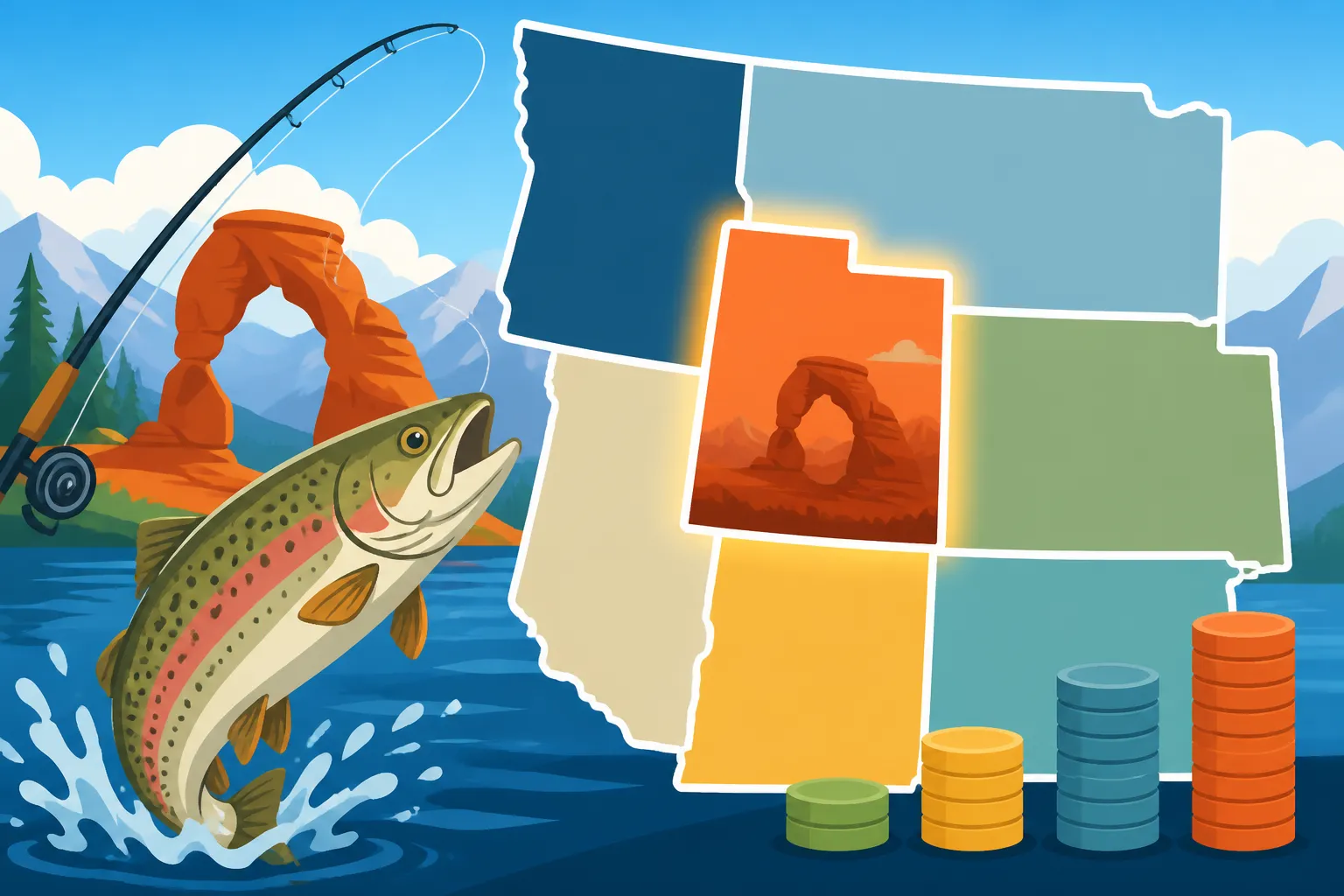
To help you visualize the differences, here’s a simplified comparison table for estimated annual resident and non-resident fishing license costs in Utah and its bordering states. Please remember these are general estimates and actual prices can vary based on specific types of licenses (e.g., combined hunting/fishing), age, additional stamps, and the year of purchase. Always check the official state wildlife agency websites for the most current and accurate information.
| State | Resident Annual Fishing License (Estimate) | Non-Resident Annual Fishing License (Estimate) |
|---|---|---|
| Utah | ~$34-$40 | ~$80-$85 |
| Idaho | ~$30-$35 | ~$90-$105 |
| Wyoming | ~$27-$35 | ~$90-$105 |
| Colorado | ~$35-$45 (includes Habitat Stamp) | ~$65-$75 (includes Habitat Stamp) |
| Arizona | ~$37-$45 | ~$55-$65 |
| Nevada | ~$38-$45 | ~$75-$90 |
| New Mexico | ~$25-$35 | ~$50-$60 |
Note: Prices are approximate for a standard adult annual license as of 2024 and can change. Additional fees, stamps, or specific types of licenses (e.g., trout stamps, combination licenses like the Utah Combination Hunting and Fishing License) may increase the total cost. Always verify current prices on official state wildlife agency websites.
Tips for Planning Cross-State Fishing Trips
- Research Early and Thoroughly: Don't wait until the last minute. Visit the official wildlife resource websites for each state you plan to fish in well in advance. Look for specific license requirements, daily bag limits (like Utah Daily Bag and Possession Limits), and any special regulations for the waters you intend to visit.
- Understand Reciprocity Agreements: While rare for full annual licenses, some border waters might have specific agreements. For example, a portion of Bear Lake has reciprocal agreements between Utah and Idaho, but it’s often safer and simpler to have both state licenses if you plan to fish extensively. Always confirm these details.
- Consider Short-Term Licenses: If your trip to a neighboring state is brief, a 1-day, 3-day, or 7-day non-resident license might be far more cost-effective than an annual one. Calculate your days to make the most economical choice.
- Check for Other Required Stamps/Permits: Many states, like Colorado, require additional stamps (e.g., Habitat Stamp, Trout Stamp) on top of your base fishing license. These are mandatory and often contribute to specific conservation funds.
- Boating Regulations: If you're bringing a boat, remember that boat registration and aquatic invasive species (AIS) rules (covered in Utah Aquatic Invasive Species Rules for Anglers) also vary by state. You'll need to check the requirements for each state you launch in. A personal flotation device, easily found on Amazon, is usually a must-have for all boaters across state lines.
- Keep Digital and Physical Copies: Always have your license readily accessible, whether on your phone (as explained in How to Store a Utah Fishing License on Your Phone) or as a printed copy. Wildlife officers enforce these regulations strictly.
Navigating the various costs of fishing licenses across state lines can feel daunting, but with a bit of foresight and careful planning, you can ensure your multi-state fishing adventure is both enjoyable and fully compliant with all local regulations. Happy angling!
Disclaimer
The information provided in this guide is for general informational purposes only and does not constitute legal advice. Fishing license costs, regulations, and requirements are subject to change by state wildlife agencies at any time. Always consult the official websites of the respective state wildlife and fisheries departments (e.g., Utah Division of Wildlife Resources, Idaho Fish and Game, Wyoming Game and Fish Department, Colorado Parks and Wildlife, Arizona Game and Fish Department, Nevada Department of Wildlife, New Mexico Department of Game and Fish) for the most current and accurate information before purchasing a license or engaging in fishing activities.