How to Ice Fish for Trout in Utah
There's nothing quite like the crisp, still air of a Utah winter morning, punctuated only by the occasional "thunk" of an ice auger, or the quiet whisper of a line dropping into the depths. For many anglers, the thought of fishing through a hole in the ice might seem daunting, maybe even a little crazy, but let me tell you, targeting trout through the hard water here in Utah is an incredibly rewarding experience. This guide is all about demystifying the process, helping you understand the unique challenges and incredible payoffs of chasing trout on the ice, from the gear you need to the spots that truly shine.
Understanding Utah's Ice Fishing Scene for Trout
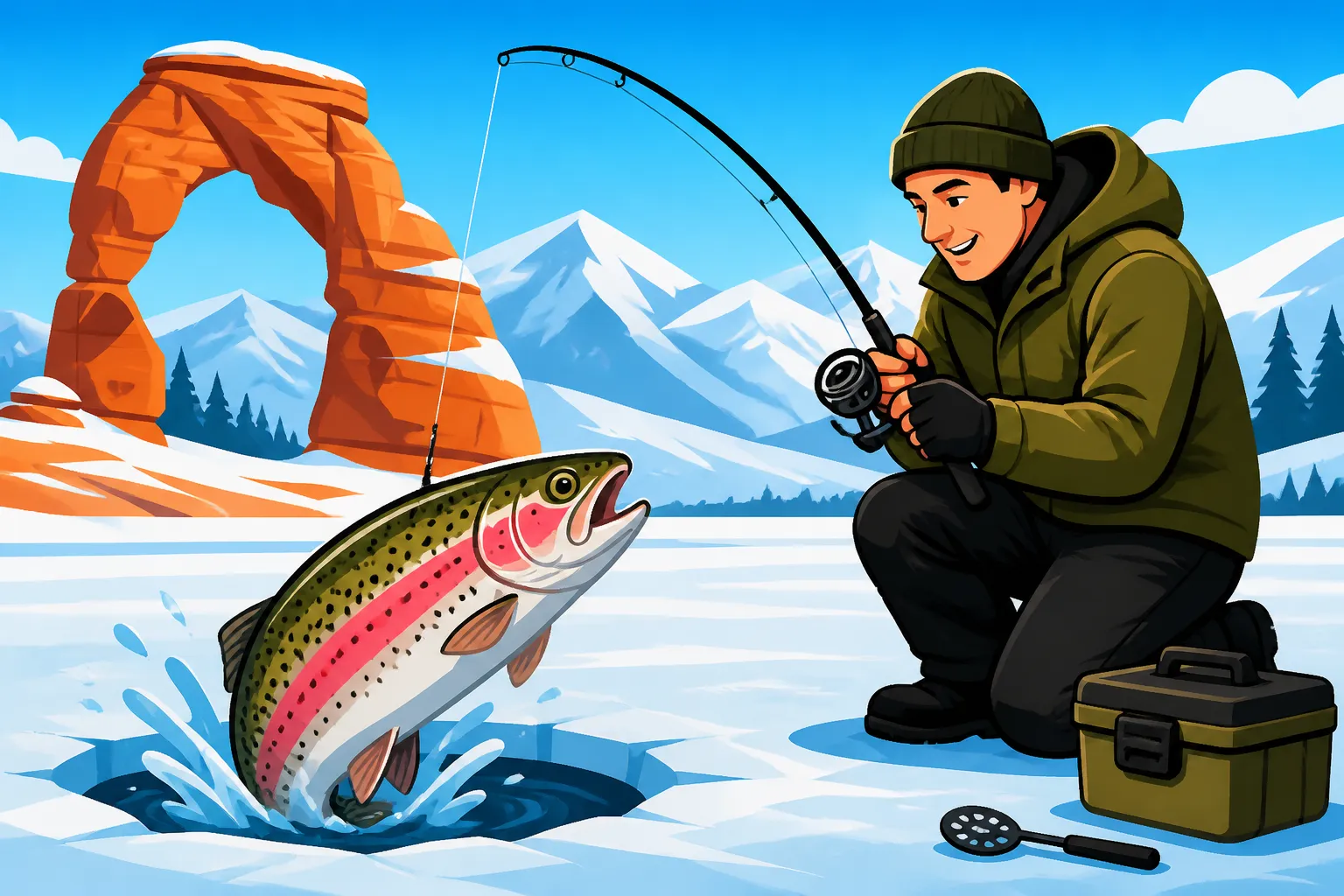
Ice fishing for trout in Utah isn't just a way to pass the winter; it's a vibrant angling tradition that opens up access to incredible fisheries that might be too difficult to reach during other seasons. The serenity of being out on a frozen lake, surrounded by snow-capped peaks, is an experience in itself, but the thrill of pulling a feisty rainbow, a chunky cutthroat, or even a magnificent tiger trout through a small hole is truly unforgettable. Unlike open-water fishing where fish can spread out more, ice fishing often concentrates fish into specific areas, making them more predictable once you learn their winter patterns.
Why Ice Fishing for Trout is Unique in Utah
Utah boasts an impressive array of trout species that thrive in its cold waters, making them prime targets for ice anglers. We're talking about everything from the widely stocked rainbow trout, known for their aggressive bites and spirited fights, to the native Bonneville cutthroat trout, a true icon of the state. You'll also find brown trout in many reservoirs and rivers, and the increasingly popular tiger trout, a sterile hybrid known for its striking patterns and voracious appetite. These species react differently to the cold, but generally, trout remain active feeders throughout the winter, albeit often at slower metabolic rates and in different holding patterns than during warmer months. The clarity of the water under the ice, especially after the initial freeze, also plays a significant role, often requiring more subtle presentations and lighter lines. It's a completely different ballgame than casting from shore in summer, and that's part of its charm.
Key Regulations for Trout Ice Anglers
Before you even think about drilling your first hole, you absolutely must familiarize yourself with Utah's fishing regulations. The Utah Division of Wildlife Resources (UDWR) publishes an annual guide, and I can't stress enough how important it is to have an up-to-date copy, whether digital or physical. First and foremost, you'll need a current Utah Fishing License Guide. This is non-negotiable for anyone over the age of 12. There are specific rules that apply to ice fishing, such as the number of lines you can legally use. Generally, anglers are limited to two lines unless otherwise specified for a particular body of water, but it’s always best to double-check in the current guide. For example, some community ponds might have stricter rules, or some larger reservoirs might allow for more.
Beyond licenses and lines, you need to be aware of daily bag and possession limits, which can vary wildly depending on the specific water and the trout species you're targeting. For instance, the Utah Trout Daily Limit Explained will tell you that a typical statewide trout limit is four fish, but certain trophy waters or conservation-focused lakes will have vastly different regulations. Strawberry Reservoir, a prime ice fishing destination, has very specific rules for its cutthroat and rainbow trout. You might also encounter waters with mandatory harvest rules for invasive species, which, while not directly trout-related, are crucial to understand for the overall health of the ecosystem. Always check the current Utah Fishing Regulations Explained before heading out.
Best Time to Hit the Ice
The prime ice fishing season in Utah generally kicks off in December and can extend well into March, sometimes even early April in higher elevation areas. Early ice, typically from late November to mid-December, can be fantastic. The fish are often still in their fall feeding patterns and haven't experienced much angling pressure through the ice. This period requires extreme caution regarding ice thickness, as new ice can be unpredictable. You might want to check out how to check ice thickness safely before ice fishing.
Mid-winter, from January through February, is when the ice is typically at its thickest and most stable, offering the safest conditions for venturing further out on the hard water. During this time, trout can become a bit more sluggish, often holding closer to the bottom or tightly schooled near structure. Adjusting your presentation and understanding their slower metabolism becomes key. As winter transitions to early spring in March, late ice conditions emerge. This can be another fantastic time to fish, as longer daylight hours and slightly warmer temperatures can trigger increased fish activity before the ice eventually breaks up. However, late ice is also notoriously dangerous, with rapid changes in ice integrity. Always prioritize safety over catching fish.
Essential Gear for Trout Ice Fishing in Utah
Having the right equipment can make or break your ice fishing experience. It's not just about comfort; it's about safety and efficiency. You don't need to break the bank to get started, but investing in a few key items will significantly improve your chances of success and enjoyment. Think of it as building your personal ice fishing arsenal.
Rods, Reels, and Line for Cold Water
When it comes to rods, specialized ice fishing rods are designed with shorter lengths (typically 24 to 36 inches) and often have a more sensitive tip, which is crucial for detecting subtle bites when fish are sluggish. A medium-light action rod is a versatile choice for most Utah trout, allowing you to feel those delicate nibbles yet still have enough backbone to fight a decent fish. Popular brands often found on platforms like Amazon include ugly Stik, Fenwick, and Clam, which offer good quality rods at various price points.
For reels, a small spinning reel in the 500 to 1000 series is usually perfect. Look for models with a smooth drag system, as this is vital for preventing line breaks when a strong trout makes a run. Cold-weather grease and lubricants can also be a plus, ensuring your reel performs flawlessly in freezing temperatures.
Line choice is critical. Monofilament or fluorocarbon lines in the 2 to 6-pound test range are common for trout. Fluorocarbon is often preferred due to its low visibility underwater and minimal stretch, which transmits bites better. However, it can be stiffer in cold weather. Some anglers opt for a thin braided mainline with a fluorocarbon leader for improved sensitivity and strength. Consider how many ice fishing rods can you use at once in Utah, as this might influence your line choices if you're running multiple setups.
Augers and Shelters: Comfort and Efficiency
Drilling holes in the ice is the foundational act of ice fishing, and your auger choice is paramount. For trout, holes typically range from 6 to 8 inches in diameter.
| Auger Type | Pros | Cons | Ideal Use |
|---|---|---|---|
| Hand Auger | Lightweight, quiet, inexpensive, good exercise. | Slow on thick ice, requires significant effort. | Early season, thin ice, light use, smaller budgets. |
| Electric Auger | Fast, quiet, no fumes, easy to use, lightweight batteries. | Batteries can die in extreme cold, higher initial cost, charging required. | Frequent use, moderate ice thickness, desire for convenience, environmental consciousness. |
| Propane/Gas Auger | Very fast, powerful, great for thick ice, no battery concerns. | Noisy, fumes, heavier, requires fuel, more maintenance. | Heavy use, very thick ice, maximum power/speed needed. |
For Utah's diverse ice conditions, an electric auger is often a fantastic middle-ground, offering power without the noise and fumes of gas. Brands like ION and Strikemaster offer reliable electric models often found on Amazon. When considering your auger, think about the Best Ice Auger Size for Utah Ice Fishing you'll encounter.
Ice shelters provide crucial protection from the elements, making your day on the ice infinitely more comfortable, especially on windy or very cold days. They range from simple flip-over models to larger, hub-style tents. A good shelter can drastically extend your fishing time and enjoyment. Look for insulated models for maximum warmth. A well-placed portable heater inside can make it feel downright cozy. The Best Ice Fishing Shelter for Utah Wind will be sturdy and easy to set up and take down.
Must-Have Safety and Comfort Items
Beyond your fishing tackle and shelter, a few essential items are non-negotiable for safety and comfort. Layered clothing is critical for adapting to changing temperatures and activity levels. Start with a moisture-wicking base layer, add insulating middle layers, and top it with a waterproof/windproof outer shell. Don't forget a warm hat, gloves or mittens, and insulated, waterproof boots. You might also want to consult How to Layer Clothing for a Utah Winter Fishing Trip.
Safety gear includes ice cleats for traction on slippery ice, a spud bar (especially for early ice) to test ice thickness, and a set of ice picks worn around your neck in case you ever fall through. A rope for rescues is also a wise addition, as is a fully charged cell phone. Bring a thermos of hot coffee, cocoa, or soup, and plenty of high-energy snacks. Remember, being prepared means being safe and enjoying your time on the ice.
Locating Trout Under the Ice
Finding trout under a sheet of ice can feel like looking for a needle in a haystack, but it doesn't have to be. Trout, even in winter, are creatures of habit and structure. Understanding where they like to hang out and how to use technology to your advantage will dramatically increase your success rate.
Reading the Ice: Structure and Depth
Trout, like most fish, are drawn to structure. Under the ice, this could mean anything from submerged weed beds, rock piles, drop-offs, points, humps, or even old creek channels. These features provide ambush points, cover from predators, and often concentrate baitfish or insects, which are prime food sources for trout.
When you first arrive at a new body of water, look for clues. Study bathymetric maps (depth charts) of the lake to identify promising underwater features. Apps like Navionics or physical paper maps are invaluable. When drilling holes, don't just drill randomly. Focus your efforts along contours. For instance, drill a line of holes from shallow water (say, 10 feet) out to deeper water (30-40 feet) to find the "break line" where fish might be cruising. In a reservoir like Strawberry, trout might be found suspended over deeper water chasing kokanee salmon, while in smaller ponds, they could be tighter to bottom structure. Pay attention to inflows and outflows of rivers or creeks, as these areas often have current and slightly warmer water, attracting baitfish and trout.
Using Electronics to Find Fish
This is where modern technology truly shines for ice anglers. A good fish finder, especially a flasher unit, is arguably the most important piece of gear after your auger. Brands like Humminbird (with their Ice Helix series) and Garmin (with their Striker Ice bundles) are popular choices, often available on Amazon. These units provide real-time information about what's directly beneath your hole: depth, bottom composition, and most importantly, the presence of fish and your lure.
A flasher unit displays a circular graph, showing targets at different depths as colored lines or segments. Learning to interpret these signals allows you to see fish approach your lure, react to your jigging motions, and know exactly when to set the hook. This takes much of the guesswork out of the equation.
Underwater cameras are another fantastic tool, especially in clear waters. They allow you to actually see the fish, observe their reaction to your bait, and even identify the species. While not strictly necessary for catching fish, they provide an incredible educational experience and can be a ton of fun, especially for kids. For deeper dives into using these tools, you might want to explore the Best Fish Finders for Ice Fishing in Utah.
Understanding Trout Behavior in Winter
Trout metabolism slows down in cold water, meaning they don't need to eat as frequently or as aggressively as they do in summer. This often translates to more subtle bites and slower movements. They also tend to group up in schools more tightly in winter, often relating to specific temperature bands or available food sources. If you find one trout, there's a good chance more are nearby.
During winter, trout are often found near deeper water during the day, moving shallower during dawn, dusk, or under low light conditions, mimicking their open-water behavior but often in more concentrated areas. They might suspend at certain depths, especially when targeting zooplankton or baitfish. For example, if you're targeting kokanee salmon through the ice (though they're technically not trout, they often share habitat), knowing their typical depths can lead you to suspended trout that prey on them. Observing subtle changes in light, barometric pressure, and even moon phase can influence their activity levels, so being flexible with your presentation is key.
Effective Techniques for Ice Fishing Trout
Once you've got your gear and you've found a promising spot, it's time to talk tactics. Ice fishing for trout involves a mix of jigging, bait fishing, and a healthy dose of patience. The key is often subtle movements and understanding what triggers a strike in cold water.
Jigging Strategies for Active Trout
Jigging is one of the most dynamic and effective ways to catch trout through the ice. It involves using small lures, often tipped with bait, and imparting action to them to attract fish.
- Spoon Jigging: Small, flashy spoons (like Swedish Pimples, Kastmasters, or Northland Buck-Shot Spoons) are excellent for attracting trout from a distance due to their flash and erratic flutter on the drop. Tip them with a small piece of mealworm, wax worm, or a kernel of corn for added appeal. The retrieve involves lifting the rod tip sharply, then letting the spoon flutter back down on a semi-slack line. Experiment with the height and speed of your lifts.
- Small Jigs and Plastics: Tiny tungsten jigs, often paired with micro-plastics (like small tube jigs, finesse plastics, or even tiny soft-plastic grubs), can be deadly for finicky trout. These mimic insects and small baitfish. Tungsten is denser than lead, allowing for a smaller profile jig that still drops quickly. Gently jigging these with subtle twitches of the wrist is often all it takes.
- Deadsticking: This isn't jigging, but it's a fantastic complementary technique. Often, trout will hit a bait that's completely still. A "deadstick" setup involves setting a second rod (where legal) in a rod holder, with a small jig or bait just hanging motionless near the bottom or at a suspended depth. This can be surprisingly effective for trout that are wary of aggressive jigging. For ideas on setups, check out Best Tip-Up Setup for Utah Ice Fishing.
Experimentation is key. Some days, aggressive jigging is best; other days, a subtle twitch and long pause will get the bite.
Bait Fishing for Finicky Biters
Sometimes, trout just want a natural, easy meal. This is where bait fishing excels.
- PowerBait and Dough Baits: These scented, colorful baits are incredibly popular for stocked rainbow trout. Mold them onto a small treble hook or an octopus hook, often fished a few inches off the bottom with a small sinker. The buoyancy of PowerBait keeps it floating, making it visible. Different colors can work on different days, so bring a variety.
- Live/Natural Baits: Mealworms, wax worms, maggots, and even small pieces of nightcrawler are irresistible to trout. They can be threaded onto a small jig or a plain hook under a bobber. For larger trout or species like lake trout, a small minnow (check regulations carefully regarding live bait and baitfish transport) can be highly effective. The natural scent and subtle movement of live bait can entice even the most reluctant fish.
- Tip-Ups: These devices are perfect for covering more water and targeting larger, cruising trout. A tip-up consists of a spool of line submerged under the ice and a flag that "tips up" when a fish takes the bait. They are typically set with a minnow or a large chunk of cut bait suspended at a desired depth. While less interactive, they allow you to focus on jigging another hole while waiting for a passive bite. Be sure to understand How Many Ice Fishing Rods Can You Use at Once in Utah to ensure you're within legal limits when deploying multiple tip-ups or jigging rods.
Remember to keep your bait fresh and lively. Using a good bait container, especially one that keeps them from freezing, is important. How to Keep Bait Alive in Cold Weather offers some great tips.
Patience and Persistence
Perhaps the most underrated "technique" in ice fishing for trout is simply being patient and persistent. It's easy to get discouraged if the bites aren't coming immediately, but fish move. What was a dead spot an hour ago could become a hot spot.
Don't be afraid to move and drill new holes, especially if your fish finder isn't showing any activity after a reasonable amount of time. Start by drilling a few holes over different types of structure or at varying depths, then spend 15-20 minutes at each. If nothing, move on. The more holes you drill, the more likely you are to intercept active fish. Listen to what other anglers are doing (respectfully, of course). If you see someone consistently catching fish, observe their general area or even politely ask what they're using. Local bait shops are also invaluable resources for current conditions and what baits or lures are working. Sometimes, it's just a matter of waiting for the bite window to open, especially during those slower winter months.
Safety First on the Ice
Ice fishing is incredibly fun, but it comes with inherent risks. Safety should always be your number one priority, even above catching fish. Understanding ice conditions, dressing appropriately, and having an emergency plan are critical for a safe and enjoyable outing.
Assessing Ice Thickness and Quality
The golden rule of ice safety is: "No ice is 100% safe." However, there are general guidelines for what's considered safe ice. For walking, generally 4 inches of clear, solid ice is the absolute minimum. For snowmobiles or ATVs, you're looking at 5-7 inches, and for light vehicles, 8-12 inches. These are just guidelines, and ice thickness can vary dramatically even on the same body of water, due to currents, springs, underwater structures, and recent weather.
Always check ice conditions before venturing out. Use a spud bar or an auger to test the ice as you walk. Drill a hole every 15-20 feet, especially on early ice or unfamiliar waters, to confirm thickness. Look for clear, black ice, which is typically the strongest. Milky or opaque ice often contains air bubbles and is weaker. Slushy ice on top doesn't necessarily indicate weak ice below, but it can hide cracks and thin spots. Avoid areas around inlets, outlets, bridges, or pressure ridges where ice can be unstable. For comprehensive guidance, refer to How Thick Does Utah Ice Need to Be Before You Can Fish On It?.
Preparing for the Unexpected
Even when you're being cautious, accidents can happen. Being prepared for a fall through the ice can save your life.
- Ice Picks: These sharp, hand-held tools, often connected by a cord and worn around your neck, are vital. If you fall in, you can use them to gain purchase on the ice and pull yourself out.
- Rope: Carry at least 50 feet of rope, easily accessible. This can be thrown to someone who has fallen through to help pull them to safety.
- Buddy System: Never ice fish alone. Always go with a partner or group. This ensures someone is there to assist if an emergency occurs.
- Communication: Have a fully charged cell phone in a waterproof bag, and let someone know your plans, including where you're going and when you expect to return. Consider carrying a whistle to signal for help.
- Flotation Device: Some anglers wear a personal flotation device (PFD) or a specialized ice fishing suit with built-in flotation. While not always comfortable for active fishing, they significantly increase survival chances if you fall in.
These preparations aren't about fear; they're about respect for the environment and maximizing your safety so you can focus on the fishing.
Common Ice Fishing Hazards
Beyond thin ice, there are other hazards to be aware of.
- Hypothermia: Even if you don't fall through, prolonged exposure to cold can lead to hypothermia. Dress in layers, stay dry, and take breaks in your shelter with a heater. Pack extra warm clothing.
- Carbon Monoxide: If you're using a propane heater in an enclosed shelter, ensure adequate ventilation to prevent carbon monoxide buildup. Carbon monoxide detectors are a smart addition to any ice shelter.
- Slush and Snow Drifts: Heavy snow can insulate ice, preventing it from thickening, and can also create slush pockets that are hard to walk through and can lead to getting wet. Deep snow drifts can hide weak ice or open holes.
- Pressure Ridges: These form when expanding ice pushes against itself, creating cracks and unstable sections. Always approach pressure ridges with extreme caution, testing the ice carefully before crossing.
By understanding these hazards and preparing for them, you can enjoy the peace and thrill of ice fishing for trout in Utah with confidence.
Top Utah Trout Ice Fishing Destinations
Utah is blessed with numerous fantastic lakes and reservoirs that offer excellent ice fishing for trout. While conditions can vary annually, some spots consistently deliver memorable experiences. Remember to always check the latest fishing reports from the UDWR or local bait shops before you head out, as fish activity and ice conditions can change rapidly.
Strawberry Reservoir
Strawberry Reservoir is arguably one of Utah's most iconic fisheries and a perennial favorite for ice anglers targeting trophy cutthroat and rainbow trout. Located about an hour's drive east of Provo, it's known for its robust populations and the potential to catch truly large fish. The reservoir opens to fishing in mid-spring and closes seasonally from November through mid-April, with the exact opening date in April being determined by ice-off conditions. However, once open, it offers incredible ice fishing.
Anglers often target the main basin, areas near Soldier Creek, and Strawberry Bay. Depths of 20 to 50 feet are common, often over submerged structure like old creek channels or humps. Cutthroat trout here can grow to impressive sizes, with rainbows providing consistent action. Small tube jigs, marabou jigs, and spoons tipped with a piece of chub meat (check regulations for bait restrictions) are highly effective. PowerBait, especially chartreuse or rainbow colors, can also tempt rainbows. The key here is often to be mobile and use your fish finder to locate schools of fish. For more detailed insights, you can explore Strawberry Reservoir Ice Fishing Spots.
Scofield Reservoir
Nestled in the mountains east of Nephi, Scofield Reservoir is another excellent choice, particularly for anglers hoping to catch tiger trout, along with rainbow and cutthroat trout. It's generally one of the first large reservoirs to freeze up, offering an extended ice fishing season. Tiger trout, known for their aggressive strikes and strong fights, are a major draw here.
Common tactics at Scofield include jigging small spoons (like Northland Forage Minnow Spoons or Acme Little Cleos) tipped with a wax worm or mealworm. Small tungsten jigs with plastics can also be very productive. Depths of 15 to 30 feet are often productive, especially around the dam or near points and drop-offs. Being aware of the local regulations for Scofield Reservoir Fishing Access and specific limits for tiger trout is crucial, as they can differ from statewide rules. The reservoir is also popular for ice fishing tournaments, which can be a fun way to experience the community.
East Canyon and Rockport Reservoirs
For anglers living closer to the Wasatch Front, East Canyon Reservoir and Rockport Reservoir offer convenient and productive ice fishing opportunities.
- East Canyon Reservoir, located near Morgan, is renowned for its consistent rainbow trout fishing, with some brown and tiger trout also present. It typically freezes solid and offers relatively easy access. Anglers often find success jigging small tube jigs, spoons, or using PowerBait and wax worms under a bobber. The main body of the lake, especially near the dam or points, often holds fish in 15-30 feet of water.
- Rockport Reservoir, situated near Park City, is another popular spot for rainbows, brown trout, and has a growing kokanee salmon population which can also be caught through the ice. Kokanee are challenging but incredibly rewarding. For trout, the same jigging and bait techniques work well. Focus on structure like old river channels or points. Access points like the main boat ramp area or the state park shore can be productive. Knowing the Rockport Reservoir Fishing Access points can help you plan your trip. Both reservoirs are generally well-stocked, making them great options for both experienced and novice ice anglers.
Remember, regardless of where you go, the joy of ice fishing for trout in Utah is as much about the experience of being out in the winter landscape as it is about the fish you bring home. Stay safe, be prepared, and enjoy the quiet thrill of the frozen water.
Disclaimer
The information provided in this guide is for general informational purposes only and is subject to change. Fishing regulations, ice conditions, and fish populations can vary. Always consult the most current Utah Fishing Guidebook published by the Utah Division of Wildlife Resources (DWR) and exercise extreme caution when venturing onto the ice. Safety should always be your top priority.