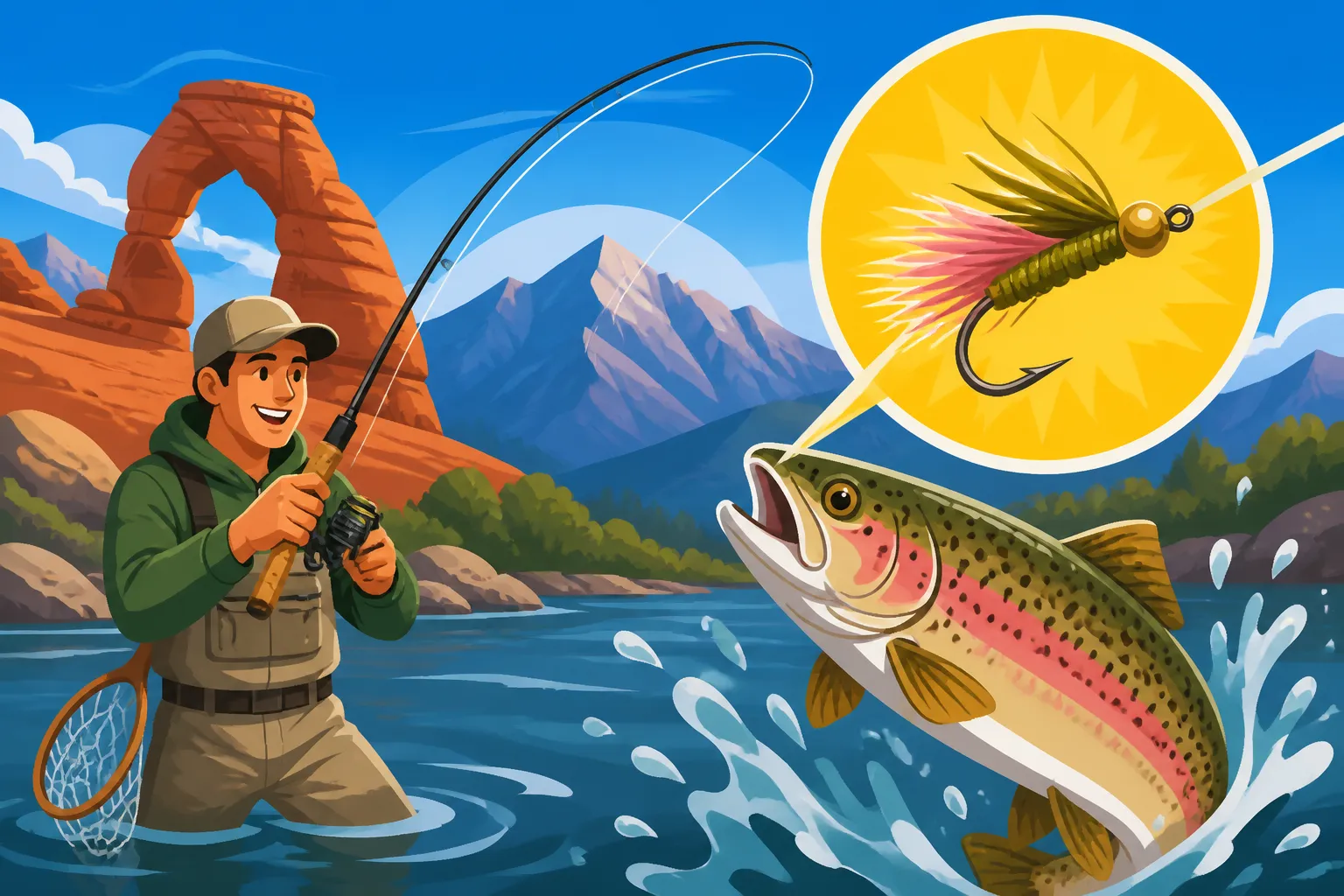
Best Beginner-Friendly Technique for Utah Trout
Oh, the sheer excitement of wanting to dip a line into Utah's beautiful waters, paired with that little knot of anxiety about how to actually catch something! It's a feeling every new angler knows all too well. You see photos of folks reeling in gorgeous trout, but when you stand there with your rod, it can feel like you're speaking a different language than the fish. Don't worry, you're not alone in that frustration, and this guide is here to cut through the confusion and show you the absolute best, most beginner-friendly technique to reliably catch trout in Utah.
Why Bait Fishing is the Perfect Starting Point for Utah Trout
Let's be honest: there's a lot of fancy fishing gear and complex techniques out there. Fly fishing, intricate lure presentations, specific retrieves for different species – it can be incredibly daunting for someone just starting out. That's why I always tell aspiring anglers that bait fishing for trout is your golden ticket to a successful and enjoyable first few trips. It strips away the unnecessary complexity and gets you straight to the fun part: feeling that tug on your line!
Simplicity Over Complexity: Less Gear, More Fishing
When you're new to fishing, the last thing you want is to spend more time untangling your line or trying to perfectly mimic a swimming minnow than actually fishing. Bait fishing inherently simplifies the entire process. You don't need to master a complicated casting technique like you would for fly fishing, nor do you need a vast array of expensive lures. Your focus shifts from intricate movements to understanding what attracts the fish and presenting it effectively.
Think about it: with bait fishing, you're largely relying on the natural appeal of your offering (scent, taste, texture) rather than your ability to "trick" a fish with a fast-moving piece of plastic or metal. This reduction in skill demand means you can spend more time enjoying the scenery, observing the water, and just being there, which is a huge part of the joy of fishing, especially for beginners or when you're introducing kids to the sport. It's about building confidence and making those initial catches happen, which is paramount to fostering a lifelong love for angling.
Trout's Natural Attraction to Familiar Scents and Flavors
One of the biggest advantages of bait fishing for trout in Utah, particularly for the rainbow and cutthroat trout commonly stocked in many waters, is that these fish are often very receptive to baits. Many of the trout you'll encounter in Utah's community ponds and reservoirs are "stocker" trout, meaning they were raised in a hatchery. In the hatchery environment, they're fed pellets, and many artificial baits, like PowerBait, are designed to mimic the smell, taste, and texture of these familiar foods.
Natural baits, like a good old-fashioned worm, are universally appealing because they are part of a trout's natural diet. Whether it's a juicy nightcrawler after a rain or a small grub found under a rock, trout are opportunistic feeders. They recognize these scents and forms as food sources. This means you're not trying to outsmart a wild, wary trout that's seen every lure in the book; you're simply offering something they instinctively want to eat. This natural draw drastically increases your chances of getting a bite without needing advanced knowledge of fish behavior or specific lure presentations.
Maximizing Success with Minimal Skill
The goal for any beginner is to catch fish. There's nothing more discouraging than hours of casting with no bites, which can often happen when trying more advanced techniques without experience. Bait fishing, especially in Utah's stocked waters, is designed for success. The simple act of putting a natural or artificial bait on a hook and letting it sit where fish are likely to be found provides a high probability of a bite.
This instant gratification is crucial for keeping new anglers engaged. When that bobber twitches or your line subtly moves, it's an exciting moment that reinforces the entire experience. You're learning to identify a bite, how to react, and how to reel in a fish – all fundamental skills that are easier to grasp when you're not simultaneously trying to perfect a complex casting technique or jigging motion. It allows you to build a foundation of core angling skills in a low-pressure, high-reward environment.
Essential Gear and Rigging for Beginner Trout Anglers in Utah
Getting started with fishing doesn't mean breaking the bank or needing a truckload of specialized equipment. The beauty of the beginner-friendly bait fishing technique is that your gear list is straightforward and accessible. With just a few key items, you'll be ready to hit the water.
Your First Rod and Reel: Simplicity is Key
For beginner trout fishing in Utah, a spinning rod and reel combo is hands down the easiest way to go. These combos are designed for ease of use, simple casting, and versatility. Look for a light to medium-light action rod, typically between 5.5 and 7 feet long. This lighter action is perfect for feeling the subtle bites of trout and handling smaller fish without overpowering them, making the fight more enjoyable.
When choosing, consider a combo that feels comfortable in your hands. Many reputable brands offer excellent entry-level spinning combos that come pre-spooled with line, meaning one less thing for you to worry about. You can often find great deals on these combos, whether you're browsing at your local sporting goods store or looking online on platforms like Amazon. The key is to find something that’s easy to cast, not too heavy, and responsive enough to detect those gentle trout nibbles. Remember, a good starting point helps build confidence, so don't feel pressured to buy the most expensive setup. For a comprehensive look at what you'll need, check out our guide on What Gear Does a First-Time Utah Angler Need?.
The Core Tackle: Line, Hooks, Sinkers, and Swivels
Once you have your rod and reel, it's time to gather the small but mighty details that actually connect you to the fish.
- Fishing Line: For trout, a good quality monofilament line in 4 to 6-pound test is perfect. Monofilament is easy to tie, has some stretch (which can be forgiving for beginners), and is visible enough to help you keep track of your line. A higher pound test might be too visible or stiff for smaller trout.
- Hooks: Size matters, especially for trout. You'll want small, sharp hooks. A size 8 or 10 treble hook (for PowerBait) or a size 6 or 8 single baitholder hook (for worms) are excellent choices. Treble hooks help hold moldable baits like PowerBait, while baitholder hooks have small barbs on the shank to keep worms from sliding off. Remember, the goal is to make the hook almost disappear into the bait. To dive deeper into specifics, read our guide on What Size Hook Should You Use for Utah Stocked Trout?.
- Sinkers: These weights help cast your bait farther and get it down to where the fish are.
- Split Shot: Small, pinch-on weights that are easy to add or remove to fine-tune your rig. Great for lighter setups or bobber fishing.
- Sliding Egg Sinkers: These are crucial for a bottom fishing rig, allowing the line to slide freely through the sinker, so a fish can take the bait without feeling the weight of the sinker, reducing their suspicion.
- Swivels: Barrel swivels or snap swivels are handy. They prevent your line from twisting, especially when retrieving or if your bait spins. They also make it easy to quickly change leaders or weights.
Mastering the Bobber and the Simple Bottom Rig
With your core tackle in hand, it's time to put it all together. There are two primary beginner-friendly rigs for bait fishing trout: the bobber rig and the simple bottom rig.
-
The Bobber Rig: This is often the first setup many anglers learn, and for good reason. It's visual, exciting, and highly effective, especially when fish are suspended shallower or when you're fishing near cover. To set it up:
- Attach a small bobber (clip-on or slip bobber) to your main line.
- About 12-24 inches below the bobber, pinch on one or two small split-shot sinkers. The amount of weight depends on the size of your bobber and how much bait you're using. You want just enough weight to make the bobber sit upright without sinking.
- Tie on your hook at the end of the line, below the sinkers.
- Add your bait!
The bobber floats on the surface, acting as a visual indicator. When a fish takes your bait, the bobber will dip, twitch, or go completely under. This is a fantastic way to fish for beginners, as it provides instant feedback and helps with judging depth, especially in shallower waters. Learn more about it in our article on How to Fish With Bobber and Bait for Beginners.
-
The Simple Bottom Rig (Carolina Rig style): When trout are holding deeper, or if you prefer a less active approach, a bottom rig is excellent. This rig allows your bait to rest directly on the lakebed, and crucially, it lets the fish pick up the bait without feeling resistance from the sinker.
- Thread a sliding egg sinker onto your main line.
- Below the sinker, tie on a small barrel swivel. This stops the sinker from sliding down to your hook.
- To the other end of the swivel, tie a length of monofilament leader line (usually 12-24 inches) that is slightly lighter than your main line.
- Tie your hook to the end of the leader.
With this setup, when a fish bites, the line slides through the egg sinker, giving the fish a chance to take the bait fully before feeling any resistance. You'll watch for subtle movements in your line where it enters the water or feel a gentle pull on your rod tip.
Prime Baits and Techniques for Utah Trout
Choosing the right bait and knowing how to present it is what turns a hopeful cast into a thrilling catch. For beginner trout anglers in Utah, focusing on a few proven baits and simple techniques will yield the best results.
PowerBait: The Go-To for Stocked Trout
For stocked rainbow and cutthroat trout, PowerBait is often king. It comes in various forms, including moldable dough and pre-formed nuggets, and a rainbow of colors and scents. The key to PowerBait's effectiveness lies in its buoyancy and scent. When molded correctly, it floats off the bottom, presenting itself directly in the fish's feeding zone, and its potent scent trails draw fish in.
When using PowerBait dough, take a small pinch – roughly the size of a pea or a small marshmallow – and mold it around your treble or single hook. You want to completely cover the hook, forming a small ball or teardrop shape. Ensure the hook point is hidden within the bait. This "marshmallow" effect, as it's often called, allows the bait to suspend slightly off the bottom, making it very visible and accessible to foraging trout. For a deeper dive, read our guide on How to Fish PowerBait for Stocked Trout. As for colors, while personal preference plays a role, brighter colors like chartreuse, orange, and rainbow often perform well, as do more natural tones like garlic or corn. You can find a huge variety of options, many of which are highly rated by anglers, available on Amazon. For specific recommendations, check out What Color PowerBait Works Best in Utah Reservoirs?.
Worms and Other Natural Treats: Always a Classic
Nothing beats a classic nightcrawler for universal appeal. Worms are a natural food source for trout in almost any environment, making them incredibly effective and easy to use. For a beginner, simply threading a piece of a nightcrawler onto a single hook (leaving a bit to dangle) is a deadly presentation. You want enough worm to look appetizing but not so much that it's difficult for a trout to get the entire hook in its mouth.
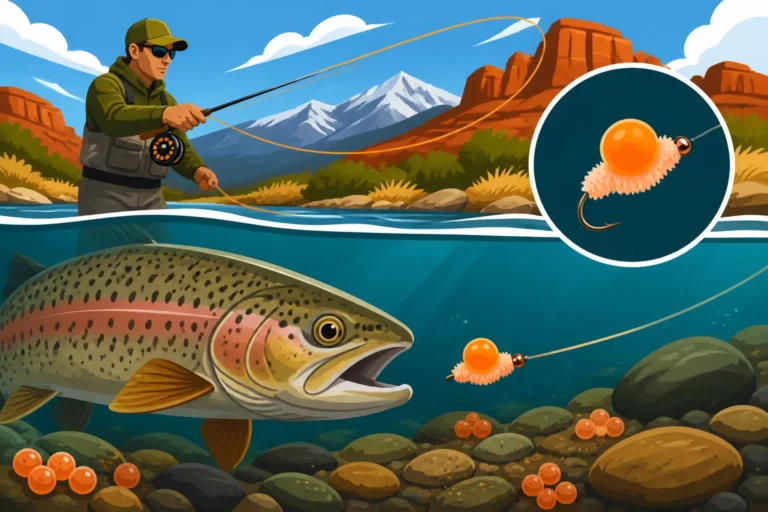
Beyond worms, other natural baits can be surprisingly effective. Canned corn kernels, for example, are a favorite among many trout anglers, particularly in clear water. They offer a sweet scent and a bright, visible presentation. Salmon eggs, either artificial or real, are another excellent option, often used in small clusters on a single hook. The beauty of natural baits is their inherent draw; you don't need to do much to make them appealing. Just put them in front of a fish!
Setting Up for Success: Location and Presentation
With your chosen bait and rig, the next step is getting it into the water effectively. Gentle casting is important, especially with lighter lines and baits. You don't need to cast a mile; often, trout are closer to shore than you think, especially in community ponds.
Once your bait is in the water, let it settle. If using a bobber rig, watch the bobber intently. If using a bottom rig, keep a slight tension on your line so you can feel any subtle taps or pulls. Patience is crucial. Trout will often "mouth" the bait before fully committing, so a light tap might not be a full bite yet. Wait for a more decisive tug or for the bobber to consistently go under before gently setting the hook with a swift, upward sweep of your rod. Avoid violent hooksets, which can rip the bait out of the fish's mouth or break your line. It's all about smooth, controlled motions.
Finding Your Fishing Hole and Responsible Angling in Utah
Knowing the best technique and having the right gear is fantastic, but you also need to know where to go and how to fish responsibly. Utah offers a wealth of options, even for the absolute beginner.
Where Beginners Can Find Abundant Trout
Utah is truly a gem for anglers, and thankfully, many waters are managed specifically to give beginners and families a high chance of success. Your best bet for abundant trout are the heavily stocked waters, especially the urban and community ponds managed by the Utah Division of Wildlife Resources (UDWR). These ponds are regularly stocked with rainbow trout and often other panfish, ensuring a high density of catchable fish. They are usually easily accessible, with ample parking and often even fishing piers.
Reservoirs that receive frequent stockings are also great choices. Places like Scofield Reservoir, Deer Creek Reservoir, or even parts of Strawberry Reservoir often have areas suitable for shore fishing with bait. These locations offer beautiful scenery alongside productive fishing. To maximize your chances, always consult the UDWR's recent stocking reports. Our guide on How to Find Recent Stocking Reports for Utah Waters can help you pinpoint exactly where the fish have been freshly introduced, which is usually a recipe for success! For specific local spots, you might want to explore our article on Best Community Ponds for Kids to Fish in Salt Lake City.
Timing Your Trip for Optimal Bites
Just like real estate, fishing is often about "location, location, location," but timing also plays a huge role. For trout, the early morning hours, right after sunrise, and the late evening, leading up to sunset, are often the most productive. During these times, the water temperatures are cooler, and trout are typically more active and willing to feed closer to the surface or near shore. Midday, especially during the warmer months, can be slower as trout move to deeper, cooler water.
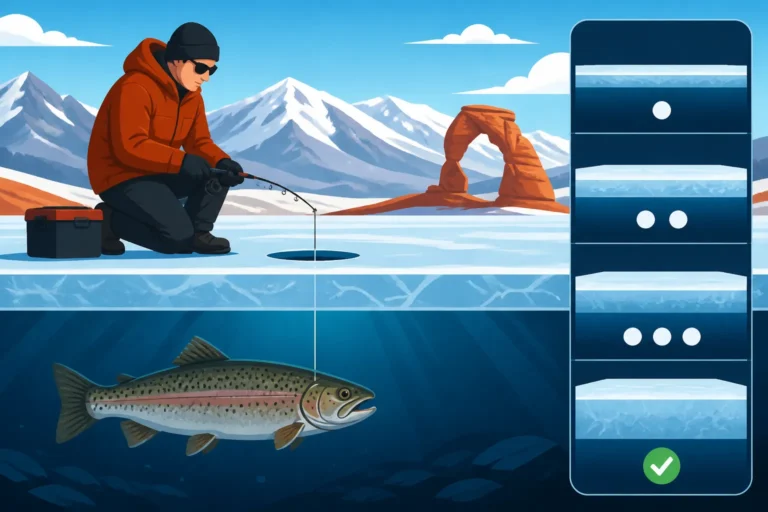
Seasons also matter. Spring and fall are prime times for trout fishing, offering comfortable temperatures and active fish. Even mild winter days can be productive, though ice fishing involves a different technique. For a full breakdown, take a look at our guide on the Best Time of Day to Fish for Utah Trout.
Here's a quick reference table for beginner-friendly baits:
| Bait Type | Pros | Cons | Best Use for Beginners |
|---|---|---|---|
| PowerBait | Floating, strong scent, good colors, easy to mold | Not "natural," can be messy, fish might "taste-test" | Stocked trout in ponds/reservoirs |
| Nightcrawlers | Universal appeal, natural, cost-effective | Can be delicate, harder to keep on hook | All trout, good for rivers and lakes, wild/stocked |
| Canned Corn | Easy to use, cheap, good visual, appealing scent | Less durable on hook, less "natural" | Stocked trout, clear water, subtle bites |
Understanding and Respecting Utah's Fishing Rules
Before you even make your first cast, it's absolutely crucial to understand and adhere to Utah's fishing regulations. This includes having a valid Utah Fishing License Age Requirements, knowing the Utah Daily Bag and Possession Limits for the specific water body you're fishing, and understanding any special regulations. These rules are in place to protect fish populations and ensure healthy fisheries for everyone. Ignorance of the law is not an excuse, and violations can lead to fines.
Beyond the legalities, responsible angling also involves ethical practices. This means:
- Catch and Release: If you're not planning on keeping your catch for a meal (and within legal limits), practice proper catch and release techniques. Minimize handling the fish, keep it in the water as much as possible, and use wet hands to avoid removing its protective slime layer. Our article How to Release a Fish Without Hurting It in Utah offers valuable tips.
- Leave No Trace: Pack out everything you pack in. Don't leave trash, discarded fishing line, or bait containers behind.
- Respect Other Anglers: Give others space, especially on crowded waters.
Fishing is a fantastic way to connect with nature, de-stress, and create lasting memories. By starting with a simple, effective technique like bait fishing, focusing on easy-to-access waters, and committing to responsible angling, you're setting yourself up for a lifetime of enjoyment on Utah's waters.
Disclaimer
This article is for general informational purposes only and does not constitute professional advice. Laws, prices and regulations vary by location and change over time. Consult a qualified professional for guidance on your specific situation.