Utah Kokanee Salmon Guide
There's a special kind of thrill that comes with targeting Kokanee salmon in Utah – that vibrant flash of silver and red, the hard fight, and the promise of delicious fillets. But let's be honest, these landlocked sockeye can be notoriously finicky, leading to endless frustration for even seasoned anglers. It's easy to feel overwhelmed by the sheer number of techniques, the subtle gear differences, and the constant search for where these schooling fish are hiding. This comprehensive guide is here to cut through the confusion, offering a deep dive into everything you need to know to consistently locate, hook, and land Utah's prized Kokanee salmon, transforming those frustrating days into memorable successes.
Understanding Utah's Kokanee Salmon
Kokanee salmon are truly a unique fish in Utah's waters. They're basically the freshwater, landlocked version of sockeye salmon, and they bring a distinct challenge and reward to the angling scene. Unlike some other trout species that are native to our state, Kokanee were introduced to specific reservoirs to provide a different kind of sport fishery, offering anglers a chance to pursue a salmon species right here in the mountains. Their presence adds a vibrant dimension to the aquatic ecosystems, and their schooling behavior makes them a fascinating target once you dial them in.
The Life Cycle of Utah Kokanee
The life cycle of a Kokanee salmon is one of nature's most dramatic stories, playing out right under the surface of our high-mountain reservoirs. Most Kokanee in Utah are introduced through stocking programs, meaning they start their lives in hatcheries before being released into suitable lakes. Once in the reservoir, they spend the next three to four years growing, feeding on zooplankton, and maturing. Their diet of tiny crustaceans is what gives their flesh that distinctive orange-red hue we all love.
As they near the end of their lives, typically in late summer or fall, a remarkable transformation begins. Their silvery bodies start to take on a brilliant, unmistakable red color, and the males develop a pronounced hump on their back and a hooked jaw, or "kype." This is their spawning phase. They migrate en masse from the deep waters of the reservoir into tributary rivers or even shorelines with suitable gravel beds. This final, incredible journey is all about reproduction; after successfully spawning, both male and female Kokanee salmon complete their life cycle and die, fulfilling their natural purpose. Understanding this Kokanee Salmon Life Cycle in Utah is key to knowing when and where to find them at different times of the year, particularly during their pre-spawn aggregation.
Identifying Kokanee Salmon in Utah Waters
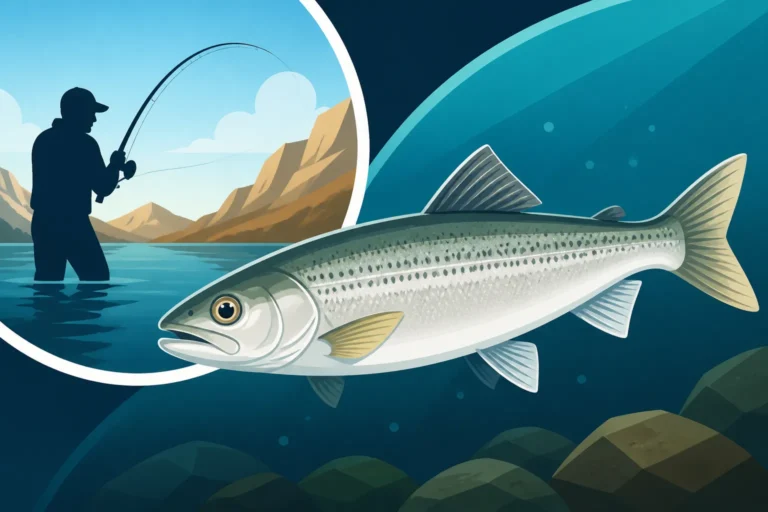
Distinguishing Kokanee salmon from other trout species, especially rainbow trout, can sometimes be a bit tricky, especially when they're young and still silvery. However, there are some key characteristics to look for. Young Kokanee typically have very few, if any, spots on their backs or tails, and their bodies are a uniform, sleek silver. Their mouths are generally smaller and more delicate than a rainbow trout's.
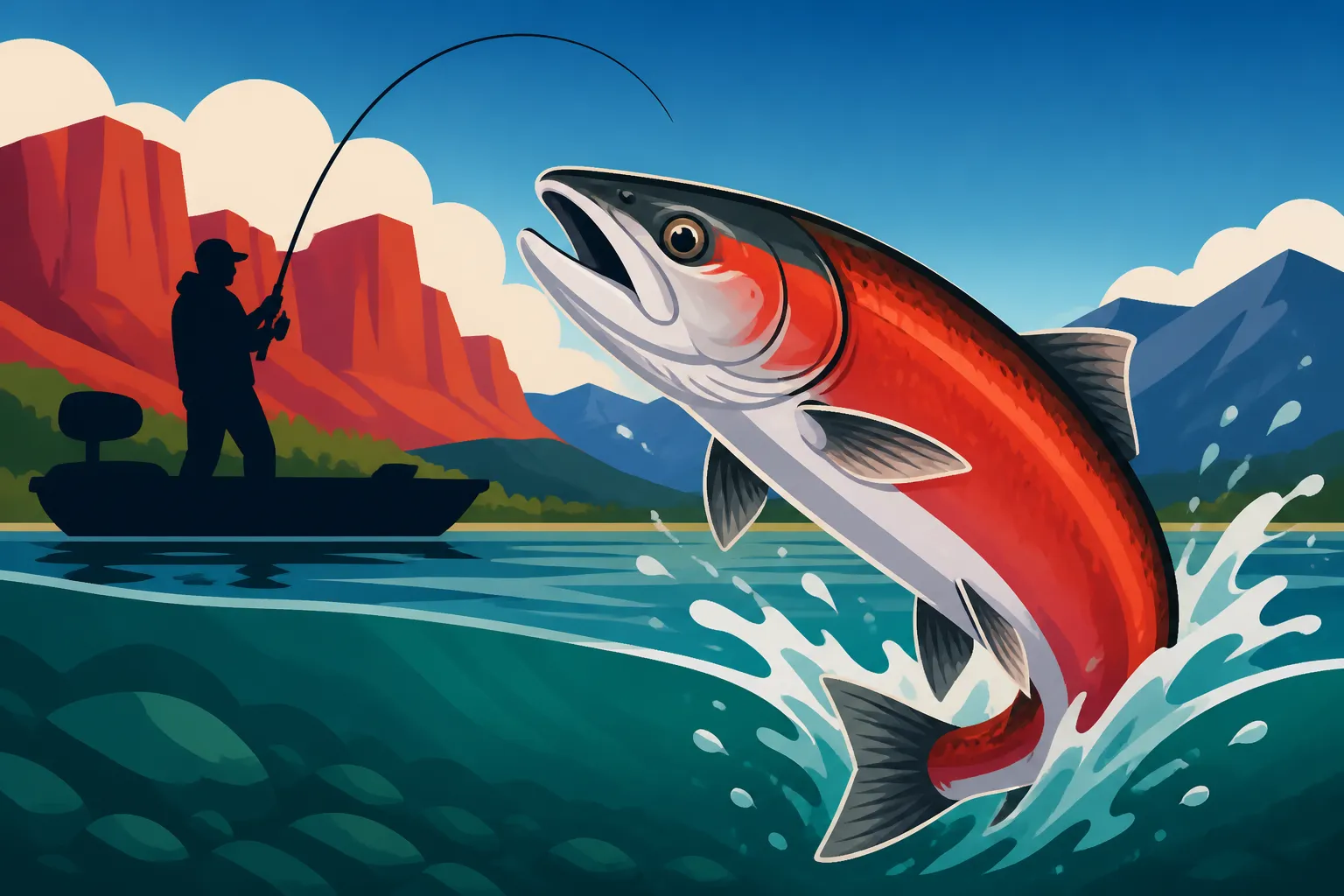
As they mature and approach their spawning run, identification becomes much easier. Their bodies turn a striking cherry red, with some variations leaning towards orange or deep crimson. Males will develop that distinct dorsal hump and a pronounced hook in their jaw. Their flesh, when caught, will be a vibrant orange-red, a direct result of their zooplankton-rich diet. This color is a dead giveaway that you've got a true Kokanee on your line. Knowing these specific features helps you confirm your catch and ensures you're adhering to species-specific regulations.
Where Utah's Kokanee Populations Thrive
Utah is blessed with several premier Kokanee salmon fisheries, each offering a slightly different experience but all holding the potential for fantastic fishing. These specific reservoirs provide the deep, cold, and nutrient-rich waters that Kokanee need to grow large and healthy. It's not just about temperature; it's also about the presence of their primary food source, zooplankton, which flourishes in certain aquatic environments.
Foremost among these is Flaming Gorge Reservoir, renowned for its large and abundant Kokanee, often yielding some of the biggest fish in the state. Flaming Gorge Fishing Guide provides ample details on that magnificent fishery. Strawberry Reservoir is another powerhouse, known for its consistent action and healthy populations, often making it a favorite for family outings. Then there's Jordanelle Reservoir, which provides a convenient option for Wasatch Front anglers and offers solid Kokanee fishing. Other notable spots include East Canyon Reservoir and Causey Reservoir, though often with smaller fish or more limited access. Each of these waters presents unique challenges and rewards, but they all share the fundamental characteristics that allow Kokanee to truly thrive.
Prime Kokanee Salmon Fishing Locations in Utah
When it comes to targeting Kokanee salmon in Utah, certain reservoirs consistently rise to the top as prime destinations. These waters offer the right blend of depth, temperature, food sources, and management to produce healthy, catchable populations. Knowing which lakes excel and what to expect from each can significantly boost your success rate and make your planning much easier. Each of these locations has its own personality, from vast, open water to more intimate settings, but all promise the distinctive pull of a Kokanee on the line.
Flaming Gorge Reservoir
Flaming Gorge is often considered the undisputed king of Kokanee salmon fishing in Utah, and for good reason. This massive reservoir, straddling the Utah-Wyoming border, boasts a thriving Kokanee population known for producing truly impressive-sized fish. The deep, cold waters of the Gorge provide an ideal habitat, and the extensive shoreline and numerous coves offer plenty of structure for these schooling fish. Anglers here often target Kokanee by trolling with specialized gear in the main channels or near prominent points.
The sheer size of Flaming Gorge means there's always a new area to explore, but it also means you need to be prepared for potentially variable conditions. The fish can be found at different depths depending on the time of year, from relatively shallow waters in spring to suspended deep in the water column during summer. Early morning and late evening often yield the best results, especially when the fish are actively feeding. You'll want to keep an eye on current fishing reports, as the Kokanee can move around a lot. Many experienced anglers head to areas like the Sheep Creek Bay or near the dam for consistent action, but don't be afraid to explore other spots if the bite is slow.
Strawberry Reservoir
Strawberry Reservoir is another jewel in Utah's Kokanee crown, offering fantastic opportunities for anglers, often closer to the Wasatch Front than Flaming Gorge. This renowned reservoir is celebrated for its abundant Kokanee, though they typically run a bit smaller than those in Flaming Gorge. What Strawberry lacks in trophy size, it more than makes up for in consistent action and sheer numbers, making it an excellent destination for both seasoned anglers and those just starting out. Our Strawberry Reservoir Fishing Guide covers this spot in great detail.
The Kokanee at Strawberry are often found schooling in the open water sections, particularly around Strawberry Bay, Soldier Creek, and the narrows. Trolling is, again, the most popular and effective method here, especially with various flashers and dodgers followed by small lures or wedding rings. During the late summer and fall, as the Kokanee approach their spawning phase, they begin to stage near the tributary inlets, like the Strawberry River and Soldier Creek, offering a different kind of fishing opportunity, sometimes even from shore. The accessibility and consistent productivity of Strawberry Reservoir make it a perennial favorite for Kokanee enthusiasts.
Jordanelle Reservoir and Other Spots
Jordanelle Reservoir, located near Park City, offers a convenient and productive Kokanee salmon fishery for many Utah anglers, especially those looking for a quick day trip from the Salt Lake or Provo areas. While perhaps not as famed for monster Kokanee as Flaming Gorge, Jordanelle consistently produces good numbers of healthy fish, providing excellent sport. The reservoir's layout, with its numerous coves and a generally consistent depth profile in the main body, makes it relatively easy to navigate and find schooling fish. You can find out more about fishing access there with our Jordanelle Reservoir Fishing Access guide.
Trolling techniques similar to those used at Strawberry are highly effective here, focusing on depths where baitfish and zooplankton are concentrated. The Rock Cliff and Hailstone areas are often popular starting points for anglers. Beyond Jordanelle, other smaller reservoirs like East Canyon and Causey also hold Kokanee populations. These can be fantastic alternatives, especially if you prefer a less crowded experience, though the fish may be smaller and the season shorter. East Canyon, for example, can be an excellent ice fishing destination for Kokanee in the winter. While they might require a bit more local knowledge to consistently locate fish, these additional spots round out Utah's diverse Kokanee fishing offerings, ensuring there's a place for every angler to chase these vibrant salmon.
Essential Gear for Kokanee Salmon Fishing
Successfully targeting Kokanee salmon requires more than just a willingness to put in the time; it demands the right tools for the job. These fish are often found suspended in the water column, are sensitive to presentation, and can be quite adept at spitting hooks. Having the proper rods, reels, lines, and terminal tackle is crucial for detecting their subtle bites and bringing them to the net. Don't skimp on your gear; the small details can make a huge difference in your catch rate.
Rods, Reels, and Line for Kokanee
For Kokanee fishing, you'll want to lean towards lighter, more sensitive gear. These fish, while strong fighters, often have a soft mouth and can strike subtly, so detecting the bite is paramount. A good Kokanee rod is typically a fast-action spinning or casting rod, ranging from 6 to 8 feet in length, with a light to medium-light power. The sensitive tip allows you to see those faint tugs or slack-line bites, while enough backbone handles the fight. For beginners, a 6'6" or 7' light-action rod is a versatile choice.
Pair your rod with a lightweight spinning reel in the 1000 to 2500 size range, or a small baitcasting reel if you prefer. The key is a smooth drag system, as Kokanee will make quick, powerful runs. When it comes to fishing line, a low-stretch monofilament or fluorocarbon main line in 6 to 8 pound test is ideal for its sensitivity and invisibility. Some anglers prefer a braided main line (10-15 lb test) for ultimate sensitivity, followed by a fluorocarbon leader (6-8 lb test) for stealth. For more general advice on lines, check out Best Fishing Line for Utah Trout. The goal is a light setup that maximizes feel and minimizes visibility in the clear waters Kokanee often inhabit.
Must-Have Lures and Baits for Kokanee
Kokanee salmon are primarily plankton feeders, so your lures and baits need to mimic either small crustaceans or trigger their aggressive, territorial instincts. The most common setup involves a dodger or flasher followed by a small lure. Dodgers are metal plates designed to wobble and flash, attracting Kokanee from a distance and imparting an irresistible action to the trailing lure. Flashers, similar in principle, typically rotate or spin. Different colors and sizes of dodgers and flashers can be effective, with chrome, white, pink, and green often being top producers.
For the trailing lure, wedding rings are classics – small, colorful spinners adorned with beads that create flash and vibration. Small hoochies (squid skirts) in pink, orange, or green are also incredibly effective, often tipped with a piece of corn. Corn is the quintessential Kokanee bait; its scent and texture are irresistible to them. You can use shoepeg corn, often dyed with specific scents or colors. Small spoons, like the various types of Best Spoon Size for Kokanee, also work well. Always experiment with color combinations and scent enhancements (like garlic or Anise) to find what the fish prefer on any given day. A well-stocked tackle box will have a variety of dodger/flasher colors and sizes, along with an assortment of wedding rings, hoochies, and plenty of corn. You can find a vast selection of these items on Amazon, making it easy to experiment with different brands and styles.
Specialized Gear: Downriggers and Fish Finders
To consistently catch Kokanee, especially when they're holding deep or spread out, specialized equipment becomes invaluable. Downriggers are perhaps the most essential piece of gear for serious Kokanee anglers. These mechanical devices allow you to precisely control the depth of your lures, sending them down to specific thermoclines or fish schools that a regular weight might not reach efficiently. You attach your fishing line to a release clip on a heavy cannonball weight, which is then lowered to the desired depth. When a fish strikes, the line releases from the clip, allowing you to fight the fish directly without the weight.
Fish finders, particularly those with good sonar and depth-finding capabilities, are equally crucial. They not only show you the depth but, more importantly, help you locate schools of Kokanee and the baitfish they're feeding on. Modern fish finders can display the thermocline (the layer where water temperature changes rapidly), which is often where Kokanee congregate. By using your fish finder to mark schools and then deploying your downrigger to that exact depth, you dramatically increase your chances of success. A good GPS function on your fish finder also helps you mark productive trolling paths and return to "hot spots." You can find advanced fish finders with side imaging or down imaging capabilities on Amazon that will give you an even clearer picture of the underwater world, helping you pinpoint those elusive schools.
Effective Techniques for Catching Utah Kokanee
Kokanee salmon are schooling fish that often hold at specific depths, making precise presentation key to success. Unlike stream trout that might ambush flies or lures from cover, Kokanee are often found in open water, requiring anglers to bring the bait to them. Understanding the nuances of trolling, seasonal patterns, and how to interpret your electronics will dramatically improve your ability to fill your cooler with these delicious salmon.
Trolling Strategies for Kokanee
Trolling is, without a doubt, the most effective and popular method for catching Kokanee salmon in Utah's large reservoirs. This technique involves slowly moving your boat while dragging lures behind, often at specific depths. The main goal is to cover water, locate schools of fish, and present your lure in a way that mimics their natural prey or triggers a strike. A detailed guide on How to Troll for Kokanee in Utah is a must-read for any angler.
Speed is critical; Kokanee typically prefer a slower troll, usually between 1.0 and 1.8 miles per hour, though this can vary. It's important to experiment. Pay attention to how your dodgers and lures are performing at different speeds; they need to have the right action. Vary your boat speed subtly, making small turns and S-curves, as these changes in speed and direction can often trigger a follow-up bite from a hesitant fish. Using multiple rods at different depths (where regulations allow) and with varying lure combinations can help you quickly identify what the fish are keying in on. Once you get a strike, immediately mark your GPS, note the depth, speed, and lure, and repeat that pass to target the school.
Seasonal Kokanee Fishing Approaches
Kokanee fishing changes significantly with the seasons, largely influenced by water temperature, available food, and their spawning cycle. Understanding these shifts is crucial for success throughout the year.
- Spring (Ice-off to Early Summer): As the ice comes off, Kokanee are often more active and can be found shallower than during the summer. They'll be spread out, feeding actively. Trolling with lighter gear and smaller dodgers in the top 30-50 feet of the water column is often effective. They're recovering from winter and eager to feed.
- Summer: This is when Kokanee fishing often becomes a deep-water game. As the surface waters warm, Kokanee will retreat to the cooler, oxygenated water of the thermocline, often 40-80 feet deep, or even deeper in larger reservoirs like Flaming Gorge. This is where downriggers become absolutely essential. Focus on morning and evening bites, as midday can be slower.
- Fall (Pre-spawn): As late summer transitions into fall, Kokanee begin their spectacular transformation and start staging for their spawning run. They'll move towards tributary inlets, river mouths, or rocky shorelines. Their bodies turn red, and they become more aggressive and territorial. Trolling near these staging areas can be incredibly productive, and sometimes even casting from shore with spoons or jigs can yield results. While they may not feed as actively, their aggression towards intruding lures is high.
- Winter (Ice Fishing): On certain reservoirs like East Canyon or Strawberry, ice fishing for Kokanee can be an exciting challenge. They are still plankton feeders, so small jigs tipped with corn or scent, fished vertically near the bottom or suspended in the water column, can entice bites. A sensitive ice rod and a flasher to mark fish are key. Knowing Utah Ice Fishing Guide will help you find success during the colder months.
Reading the Water and Sonar for Kokanee
Successful Kokanee anglers are adept at reading both the surface conditions and, more importantly, what's happening beneath the waves with their electronics. On the surface, look for signs of baitfish activity, diving birds, or even subtle changes in water color that might indicate currents or temperature breaks. Often, areas where two different water bodies meet, or where currents concentrate food, can be productive.
However, the real game-changer is your sonar or fish finder. This isn't just a depth sounder; it's your window into the underwater world. Learn to interpret the marks on your screen:
- Schools of fish: Kokanee show up as dense clouds of arches or individual "dots" when tightly schooled. If you see a lot of activity at a particular depth, that's where you want your lures.
- Baitfish: Look for smaller, denser clouds or bait balls. Kokanee will often be found either directly in or just below these concentrations, actively feeding.
- Thermocline: Your fish finder can often display the distinct layer where the water temperature changes dramatically. Kokanee often orient themselves to this layer during the summer months, seeking optimal temperature and oxygen levels.
- Bottom contour: While Kokanee are open-water fish, knowing the bottom structure can help you identify points, channels, or humps that might funnel fish or create currents.
Constantly monitor your sonar, adjust your depth accordingly using your downriggers, and don't be afraid to change locations if you're not marking fish. Using a good fish finder and understanding what it's telling you is perhaps the single most important skill for consistent Kokanee success.
Understanding Kokanee Salmon Behavior and Biology
To truly master Kokanee fishing, it helps to delve into their unique biology and behavioral patterns. These aren't just fish; they're a fascinating species with specific needs, instincts, and life stages that dictate their movements and feeding habits. Knowing the "why" behind their actions can unlock more consistent success on the water.
Kokanee Spawning Habits and Seasons
The spawning run of Kokanee salmon is one of nature's most spectacular and bittersweet events. As mentioned in the Kokanee Salmon Life Cycle in Utah, it's the culmination of their three to four-year journey. Typically, this process begins in late summer, intensifying through September and October, though exact timing can vary slightly by reservoir and environmental conditions. During this pre-spawn and spawning period, their bodies undergo dramatic physical changes. They stop actively feeding and instead rely on stored energy reserves.
Kokanee will migrate from the deep, open waters of the reservoir into shallow tributary streams, rivers, or even onto rocky shorelines within the reservoir itself if suitable gravel beds are present. Here, they engage in elaborate courtship rituals. Females will dig redds (nests) in the gravel with their tails, deposit their eggs, and males will fertilize them. Once the eggs are laid and fertilized, both male and female Kokanee die shortly thereafter. Anglers often target these staging and spawning fish due to their aggressive, territorial nature, even though they are not actively feeding. However, it's important to be aware of and respect any specific regulations or closures around spawning areas, as these fish are crucial for future generations if natural reproduction is occurring.
Diet and Feeding Patterns
Kokanee salmon are primarily planktivores, meaning their diet consists almost exclusively of zooplankton – microscopic crustaceans that drift in the water column. This specialized diet is directly responsible for their prized orange-red flesh, as the zooplankton they consume contain carotenoids, the same pigments found in carrots and salmon flesh. Because they feed on such tiny organisms, Kokanee have very fine, numerous gill rakers designed to filter these small food particles from the water.
Their feeding patterns are closely tied to the availability and concentration of these zooplankton. During the day, zooplankton often descend to deeper, darker waters to avoid predators, and the Kokanee follow. At dusk and dawn, these tiny organisms migrate upwards, and the Kokanee often follow suit, leading to those classic morning and evening bites. Understanding this vertical migration is paramount. They also tend to feed in schools, which is why when you find one Kokanee, you often find many. This schooling behavior makes them a prime target for trollers who can cover large areas and intercept these moving schools. Their specialized diet also dictates the types of lures and baits that work best – small, flashy, and scented presentations that mimic their food source or trigger an investigative strike.
Factors Affecting Kokanee Populations
The health and abundance of Kokanee salmon populations in Utah are influenced by a complex interplay of environmental factors and management practices. Water quality and temperature are paramount; Kokanee require cold, clean, well-oxygenated water, especially during the summer months when surface temperatures can soar. Fluctuations in reservoir water levels, whether due to drought or water management, can impact spawning success by exposing or submerging critical gravel beds.
The availability of zooplankton, their primary food source, is another critical factor. Changes in nutrient levels, the introduction of invasive species, or fluctuations in competing fish populations can all affect the zooplankton biomass, which in turn impacts Kokanee growth and survival. Predation from larger game fish like lake trout or brown trout can also put pressure on Kokanee numbers, especially on younger fish. Finally, human factors such as overfishing (though regulations like Utah Daily Bag and Possession Limits help mitigate this), habitat degradation, and the introduction of aquatic invasive species like Quagga mussels (which affect the food web) can have significant impacts. The Utah Division of Wildlife Resources (UDWR) actively manages Kokanee populations through stocking programs and careful regulation to ensure a sustainable fishery for anglers.
Regulations and Conservation for Utah Kokanee
Fishing in Utah, especially for a prized species like Kokanee salmon, comes with responsibilities. Understanding and adhering to the specific regulations isn't just about avoiding penalties; it's about contributing to the long-term health and sustainability of these incredible fisheries. Utah's wildlife agencies work hard to balance angling opportunities with conservation needs, and anglers play a vital role in that balance.
Utah Daily Bag and Possession Limits for Kokanee
Like all game fish in Utah, Kokanee salmon are subject to specific daily bag and possession limits, which are designed to manage harvest pressure and maintain healthy populations. These limits can vary not only by species but also by specific water body, and they can change from year to year based on population assessments. It is absolutely essential for every angler to consult the most current Utah Fishing Guidebook before heading out, as rules are subject to change.
Typically, the daily bag limit specifies how many Kokanee you can keep in a single day of fishing, while the possession limit dictates the maximum number of fish you can have in your possession at any given time (this usually includes fish at home in your freezer). For example, a common rule might be a daily limit of 4 Kokanee and a possession limit of 8. Some waters might have more restrictive limits, or even a complete catch-and-release policy during certain times, especially around spawning aggregations. Always double-check, as violations can lead to significant fines and loss of fishing privileges. Remember, these limits are in place to ensure that everyone has the chance to enjoy a quality Kokanee fishing experience for years to come.
Special Rules and Water-Specific Regulations
Beyond the general statewide bag and possession limits, many Utah waters have specific regulations tailored to their unique ecosystems and management goals. For Kokanee salmon, this is particularly true around spawning times and in certain high-profile reservoirs. For instance, specific dates might be set for when it is legal to fish for Kokanee in certain areas, particularly around tributary mouths where they gather to spawn. Some waters might also have length limits, requiring anglers to release fish below or above a certain size, or even prohibiting the harvest of Kokanee entirely during their spawning coloration.
It's not uncommon for a water body like Strawberry Reservoir to have different rules than Flaming Gorge, for example, even for the same species. These special regulations are often printed in the Utah Fishing Guidebook under the "Regional Waters" or "Specific Waters" sections. Always be aware of whether you are fishing within a special regulation area. The goal is often to protect the spawning fish to ensure natural reproduction or to manage the population for size and quality. Failure to observe these localized rules can result in penalties, so checking the detailed rules for your chosen fishing spot is non-negotiable.
Conservation Efforts and AIS Prevention
Conservation efforts for Kokanee salmon in Utah extend beyond just setting bag limits. The Utah Division of Wildlife Resources (UDWR) actively manages Kokanee populations through stocking programs, habitat improvement projects, and research to understand their health and needs. Anglers can contribute significantly to these efforts by practicing responsible fishing habits, such as catch-and-release with proper handling for fish that are not kept, and minimizing disturbance to spawning areas.
Another critical aspect of conservation, particularly in Utah, is preventing the spread of Aquatic Invasive Species (AIS). Organisms like Quagga mussels pose a severe threat to Utah's waterways, including Kokanee fisheries, by altering the food web and damaging infrastructure. This is why strict "Clean, Drain, Dry" protocols are in place for all watercraft. Every time you leave a water body, you are required to Utah Aquatic Invasive Species Rules for Anglers. This means cleaning all mud, weeds, and debris from your boat, trailer, and fishing gear; draining all water from the boat (including bilge, live wells, and engine); and allowing your boat and gear to thoroughly dry before launching into another body of water. Compliance with AIS inspections, especially when leaving infested waters like Lake Powell, is mandatory. Your diligence in these practices directly protects our Kokanee fisheries and the entire aquatic ecosystem from irreparable harm.
Troubleshooting Common Kokanee Fishing Challenges
Every angler faces challenges, and Kokanee fishing is no exception. There will be days when the bite is slow, the fish seem to have vanished, or you just can't seem to get them to hit. These frustrations are normal, but successful anglers learn to adapt, troubleshoot, and keep a positive attitude. It's all part of the learning curve and part of the fun!
Adapting to Changing Conditions
Kokanee, like most fish, are incredibly sensitive to environmental changes. A bluebird sky day with no wind might seem perfect, but a subtle change in barometric pressure, water clarity from recent runoff, or even a sudden shift in wind direction can put them off the bite. When the fish aren't cooperating, the first thing to do is assess the conditions. Has the wind picked up or died down? Did a cold front just move in? Is the water muddier than yesterday?
Then, start making small adjustments to your presentation. If the bite is slow, try changing your trolling speed, even by a tenth of a mile per hour. Switch out dodger and lure colors – from bright and flashy to more subtle, or vice-versa. Experiment with different depths; sometimes they move up or down just a few feet. Try adding more scent to your corn or lures. If you're marking fish but not getting bites, they might be "lookers" rather than active feeders, meaning you need an even more precise or enticing presentation. Don't be afraid to break from your usual routine and try something completely different; sometimes a radical change is exactly what's needed to trigger a strike.
Common Mistakes and How to Avoid Them
It's easy to fall into habits when fishing, but some common mistakes can really hinder your Kokanee success. One of the most frequent errors is fishing at the wrong depth. Kokanee often hold in very specific bands of water. If your lures aren't in that zone, you're just dragging them through empty water. Use your fish finder constantly and adjust your downriggers precisely. Another mistake is using too heavy of gear. Kokanee have soft mouths and can be easily ripped off a hook with heavy rods or stiff line, especially during head shakes. Opt for lighter, more forgiving tackle.
Lack of scent on lures is another common oversight. Kokanee rely heavily on their sense of smell. Always tip your lures with corn (which you can buy in bulk on Amazon) and consider adding additional scents. Trolling too fast or too slow for the day's conditions can also be a problem. Don't just stick to "the usual" speed; experiment. Finally, not checking your gear regularly can lead to lost fish. Make sure your hooks are sharp, your knots are strong, and your dodgers are running true. Proactive gear checks and a willingness to adapt are your best defense against a frustrating day.
Enjoying the Experience Beyond the Catch
While landing a limit of beautiful Kokanee salmon is always the goal, it's important to remember that fishing is also about the experience itself. There will be days when the fish just aren't biting, no matter what you try, and that's okay. Focus on the stunning scenery of Utah's reservoirs, the peacefulness of being on the water, and the camaraderie with your fishing partners.
Use those slower days as opportunities to practice new techniques, experiment with different lures, or simply observe nature. Take the time to teach a friend or family member how to fish. The fresh air, the anticipation, and the challenge are all part of the allure. Even when the bite is tough, the knowledge you gain from trying different things, learning your electronics better, or simply enjoying the outdoors contributes to your overall growth as an angler. So, while we all chase that thrill of the tug on the line, remember to soak in every other aspect of your Utah Kokanee fishing adventure. It's about the journey, not just the destination.
Disclaimer
This article is for general informational purposes only and does not constitute professional advice. Laws, prices and regulations vary by location and change over time. Consult a qualified professional for guidance on your specific situation.