The Largest Fish Ever Caught in Utah
For many anglers, the ultimate dream isn't just catching a fish, but landing a true behemoth—a fish so large it becomes a legend, a story passed down through generations. Utah's diverse waters hold the potential for such giants, and the quest to discover the largest fish ever caught in these scenic landscapes is a thrilling pursuit that captivates seasoned and novice anglers alike. This comprehensive guide will explore the legendary catches of Utah, delve into the species that grow to astonishing sizes, and offer insights into how you might pursue your own record-breaking fish.
Understanding Utah's Record Fish Categories
Before we dive into the monsters of the deep, it's helpful to understand how Utah officially recognizes these incredible catches. It's not just about pulling a big fish out of the water; there's a system in place to ensure fair play and accurate record-keeping. The Utah Division of Wildlife Resources (DWR) maintains the state fishing records, a testament to the angling achievements within its borders.
The Utah Division of Wildlife Resources Record Book
The DWR's record book is the official registry for all state-record fish, meticulously cataloging the heaviest fish caught for various species. To qualify for a state record, there are specific guidelines that anglers must adhere to. This isn't just about bragging rights; it's about preserving the integrity of the record. Generally, the fish must be legally caught using fair chase methods, meaning no illegal gear or methods. The weight must be verified on a certified scale, often at a grocery store or other business with calibrated scales, and witnessed by an impartial party. Measurements like length and girth are also typically recorded.
The DWR plays a crucial role in validating these records, ensuring that every claim is thoroughly investigated. This meticulous process provides confidence that when a new record is set, it truly represents an exceptional catch. It takes more than just luck; it takes preparation, adherence to regulations, and a bit of administrative follow-through to get that prize-winning catch recognized in the official books. Understanding these rules is the first step for any angler dreaming of breaking a record. You can find detailed information on the official DWR website regarding the submission process, and it's always a good idea to familiarize yourself with the current Utah Fishing Regulations Explained before heading out.
Beyond Just Weight: Catch-and-Release Records
While the traditional "largest fish" often refers to the heaviest, Utah, like many other states, also recognizes another crucial category: catch-and-release records. This category celebrates the largest fish by length, where the fish is measured, photographed, and then safely returned to the water. This practice is incredibly important for conservation, especially for species that might be slow-growing, vulnerable, or where the angling pressure on trophy fish needs to be managed sustainably.
For species like specific trout or bass that can take many years to reach trophy sizes, promoting catch-and-release helps ensure that these genetics remain in the population, potentially growing even larger for future anglers. This approach shifts the focus from keeping the fish for its weight to celebrating the magnificent size and health of the fish in its natural environment. It's a growing trend among ethical anglers who want to experience the thrill of a giant catch without impacting the fishery. If you're targeting a true monster, having a tape measure and camera ready is just as important as your fishing rod, particularly if you aim to release that fish to fight another day.
The Species That Grow to Immense Proportions in Utah
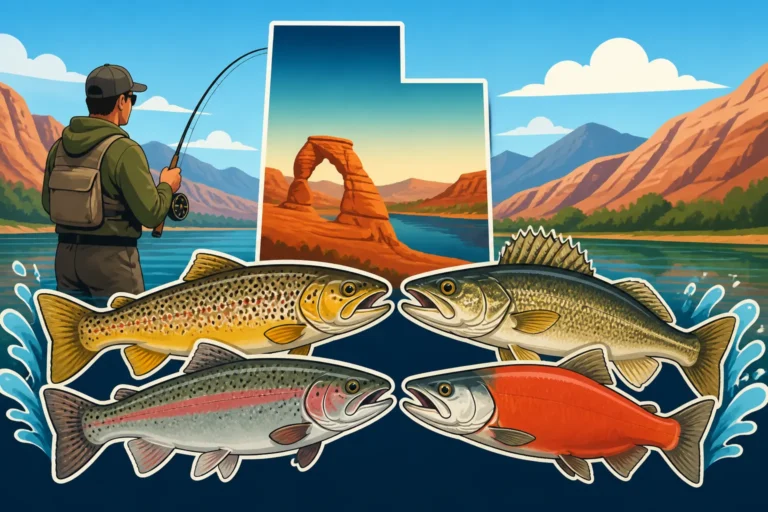
When we talk about the largest fish, we're generally looking at certain species known for their impressive growth potential. Utah's waters are home to a few finned giants that regularly tip the scales and etch their names into the record books.
The Reign of the Lake Trout (Mackinaw)
Without a doubt, Lake Trout, often called Mackinaw in Utah, are among the most celebrated giants in the state. And when you think of trophy Lake Trout, one name immediately comes to mind: Flaming Gorge Reservoir. This colossal body of water, straddling the Utah-Wyoming border, is world-renowned for producing Mackinaw of truly staggering proportions. These fish are predators of the deep, often found in the colder, oxygen-rich depths of the reservoir, where they feed on a diet of smaller fish like Kokanee salmon and various chubs.
Catching a record-sized Lake Trout from Flaming Gorge is an epic undertaking. It requires specialized gear, a deep understanding of the fish's habits, and immense patience. Anglers often employ Utah Trolling Techniques for Lake Trout with downriggers or heavy jigging spoons to target these deep-dwelling monsters. The challenge lies not only in finding them in such a vast reservoir but also in the sheer strength required to bring a fish weighing many pounds up from significant depths. Many a strong angler has found their arms aching after a prolonged battle with a trophy Mackinaw. For a deeper dive into this fishery, check out our Flaming Gorge Fishing Guide. Learning about Mackinaw (Lake Trout) Size Records in Utah and Flaming Gorge Lake Trout Growth Rates can really open your eyes to the potential here.
Striped Bass Giants of Lake Powell
Another undisputed contender for "largest fish" in Utah is the Striped Bass, found predominantly in the vast, labyrinthine waters of Lake Powell. These hard-fighting fish are not native to Utah but have thrived in Powell's warm, nutrient-rich environment, growing to incredible sizes. Striped bass are schooling fish, often chasing massive baitballs of shad, and when they go on a feeding frenzy, it can be an unforgettable spectacle known as a "boil."
Landing a record Striped Bass requires a different approach than the deep-water tactics for Lake Trout. Anglers often use heavy tackle, large lures, and live bait, targeting areas where shad congregate or where stripers are actively feeding. The sheer power of a large striper, especially one caught during a boil, is something to behold. They are relentless fighters, making powerful runs that test both angler and equipment. The unique environment of Lake Powell allows these fish to grow exceptionally large, making it a prime destination for those hoping to land a truly massive fish. Our Lake Powell Fishing Guide offers excellent insights, and learning about Striped Bass at Lake Powell will give you a detailed look at this powerful species.
Other Heavy Hitters: Catfish and Carp
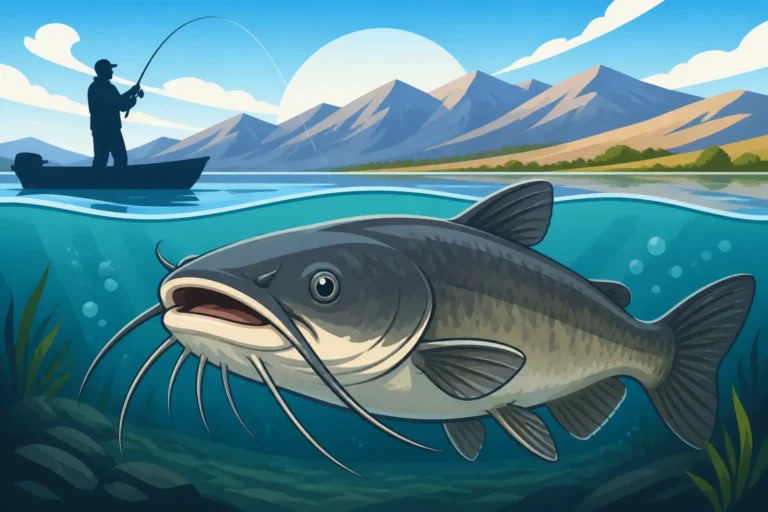
While Lake Trout and Striped Bass often grab the headlines for their impressive weights, Utah is also home to other species that can reach astounding sizes, providing thrilling challenges for anglers. Channel Catfish, for instance, are widespread in many of Utah's warmer waters, particularly Utah Lake and Willard Bay. These whiskered bottom-dwellers are known for their incredible fighting power and often nocturnal feeding habits. A large Channel Catfish can put a serious bend in a rod, and while they might not have the glamour of a trout, their sheer bulk can certainly make them one of the heaviest fish you'll encounter.
Targeting big catfish usually involves strong rods, heavy lines, and baits like cut bait, stink baits, or even hot dogs fished on the bottom. The fight is gritty and determined, a true tug-of-war. For those interested in pursuing these whiskered giants, exploring Utah Lake Catfish Species and understanding Channel Catfish Size in Utah can be incredibly useful.
And let's not forget the Common Carp. Often overlooked and sometimes even disparaged by anglers focused on game fish, carp are undeniably one of the largest fish by weight in many Utah waters, including Utah Lake. They can grow to truly enormous sizes, weighing many pounds, and are incredibly powerful fighters, especially when hooked on lighter tackle. While not typically sought after for their culinary value by many, carp fishing has a dedicated following, particularly among European-style carp anglers who appreciate the sheer challenge of landing these robust fish. Their omnipresence and potential for immense size make them a legitimate contender for anyone considering "largest fish" in terms of raw bulk.
The Thrill and Challenge of Landing a Record-Sized Fish
The pursuit of a record-breaking fish is more than just a hobby; it's a passion. It demands not only skill and knowledge but also a significant investment in time, patience, and the right equipment. The challenge itself is part of the allure.
Equipment and Techniques for Monster Fish
When you're targeting fish that can weigh many pounds, your standard light trout setup simply won't cut it. You need heavy-duty gear designed to withstand immense pressure and prolonged fights. This means stout rods with plenty of backbone, reels capable of holding hundreds of yards of strong fishing line (often braided line for its strength and sensitivity), and robust hooks. For Lake Trout, specialized downriggers are often employed to get lures down to depths of 100 feet or more, presenting them precisely where these giants feed. Large trolling spoons, tube jigs, or cut bait are common choices.
For Striped Bass at Lake Powell, heavy casting or spinning gear is essential, often paired with large topwater plugs, swimbaits, or live gizzard shad. Catfish anglers will rely on heavy-action rods and reels spooled with strong mono or braided line, using large circle hooks and heavy sinkers to keep bait on the bottom. Understanding the specific techniques for each species is paramount. It’s not just about brute strength; it’s about finesse, knowing when to put pressure on the fish, and when to back off. Investing in quality gear, as highlighted in our Utah Fishing Gear Guide and articles like Best Fishing Rods for Utah Anglers, can make all the difference when that monster bite finally happens.
The Importance of Location and Timing
Even with the best gear, you won't catch a record fish if you're not in the right place at the right time. Trophy fish often inhabit specific areas within a body of water, seeking out ideal habitat, food sources, and protection. For Lake Trout, this means deep, cold water structures like submerged humps, ledges, and channels in Flaming Gorge. For Striped Bass, it might be the vast, open water where shad school, or specific canyons and coves in Lake Powell. Catfish often lurk in deeper holes, near structure, or along muddy flats in waters like Utah Lake.
Timing is equally critical. Different species have peak feeding times and seasons. Lake Trout often bite well in the colder months, or in deeper water during summer. Striped Bass can have explosive surface boils during certain times of the year, usually early morning or late evening. Understanding seasonal patterns and daily movements of these fish is a lifelong study for dedicated anglers. Keeping an eye on reports, studying bathymetric maps, and even hiring a local guide can significantly increase your chances. You can find more general guidance on prime locations in our Best Places to Fish in Utah and insights into seasonal variations in Best Time of Year to Fish in Utah and How Water Temperature Affects Utah Trout Fishing.
Ethical Angling for Trophy Fish
Catching a record-sized fish often means encountering an individual that has survived for many years, growing to an exceptional age and size. Such fish are invaluable to the ecosystem and the genetics of the fishery. Therefore, ethical angling practices are crucial, especially if you intend to release your catch. This includes minimizing the fight time to reduce stress on the fish, using appropriate landing nets that don't damage fins or slime coat, and handling the fish gently with wet hands.
If a fish is to be released, it should be kept in the water as much as possible, revived carefully until it can swim strongly on its own. For species that suffer from barotrauma (due to rapid ascent from deep water, like Lake Trout), understanding release techniques or using a descending device is vital. The goal is to admire the magnificent creature, capture a quick photo if desired, and then ensure its best chance of survival. This respect for the fish and the resource is a hallmark of truly responsible trophy angling.
How Anglers Pursue Their Own Dream Catch
The path to catching a record fish is rarely direct. It's a journey filled with anticipation, learning, and sometimes, disappointment. But for those dedicated enough, the rewards are monumental.
Researching and Preparing for Your Trip
The quest for a giant fish starts long before you even cast a line. Extensive research is key. This means studying the target species' biology, preferred habitats, and feeding patterns. It involves understanding the specific body of water you'll be fishing—its depths, structures, and common baitfish. Regularly checking DWR reports, online forums, and local bait shop intel can provide valuable, up-to-date information on where the big fish are being caught and what methods are currently effective.
Preparation also extends to ensuring you have all the necessary permits, such as your Utah Fishing License Guide, and that you're up-to-date on all Utah Fishing Regulations Explained. This includes understanding bag limits, specific lure restrictions, and any aquatic invasive species (AIS) rules. Many serious trophy anglers plan multi-day trips to remote locations, packing specialized gear, provisions, and safety equipment. This level of dedication ensures that when the opportunity arises, you're ready to seize it.
Patience, Persistence, and Learning from Each Outing
One of the most profound lessons in fishing, especially when targeting record-sized fish, is the importance of patience and persistence. These are not everyday catches. There will be days of relentless casting, trolling, or jigging without a single bite. The weather might turn foul, your gear might snag, or the fish might simply not be cooperating. It's in these moments that true dedication shines through.
Every outing, whether successful or not, offers a learning opportunity. Pay attention to details: water temperature, depth, lure presentation, moon phase, barometric pressure, time of day. What worked? What didn't? Keeping a detailed fishing log can help you identify patterns over time. The journey of pursuing a record fish is often more about the process—the quiet contemplation, the thrill of the chase, the respect for nature—than the immediate outcome. The mental game of staying positive and adapting your strategy is just as crucial as any fishing technique.
Documenting a Potential Record
Should fortune favor you with a truly monumental catch, proper documentation is absolutely critical for it to be recognized as a state record. The moment you land what you suspect might be a record fish, the clock starts ticking. Have a plan in place. First, ensure the fish is secure and, if you plan to keep it for a weight record, keep it alive and healthy if possible until it can be weighed.
Immediately measure the length and girth. Take clear photographs from multiple angles, ideally with a ruler or tape measure visible in the shot for length verification. Crucially, locate the nearest certified scale as quickly as possible. These are usually found at post offices, certain grocery stores, or fish processing facilities. Ensure the weighing is witnessed by at least one impartial person, and obtain their contact information. The DWR will require this information, along with details of the catch (date, time, location, method, bait/lure used). Having your camera and phone ready, knowing where the nearest certified scales are, and being familiar with the DWR’s submission process can make all the difference in turning that once-in-a-lifetime catch into a recognized state record.
Disclaimer
This article is for general informational purposes only and does not constitute professional advice. Laws, prices and regulations vary by location and change over time. Consult a qualified professional for guidance on your specific situation.