Best Fly Line for Utah Stillwater Fishing
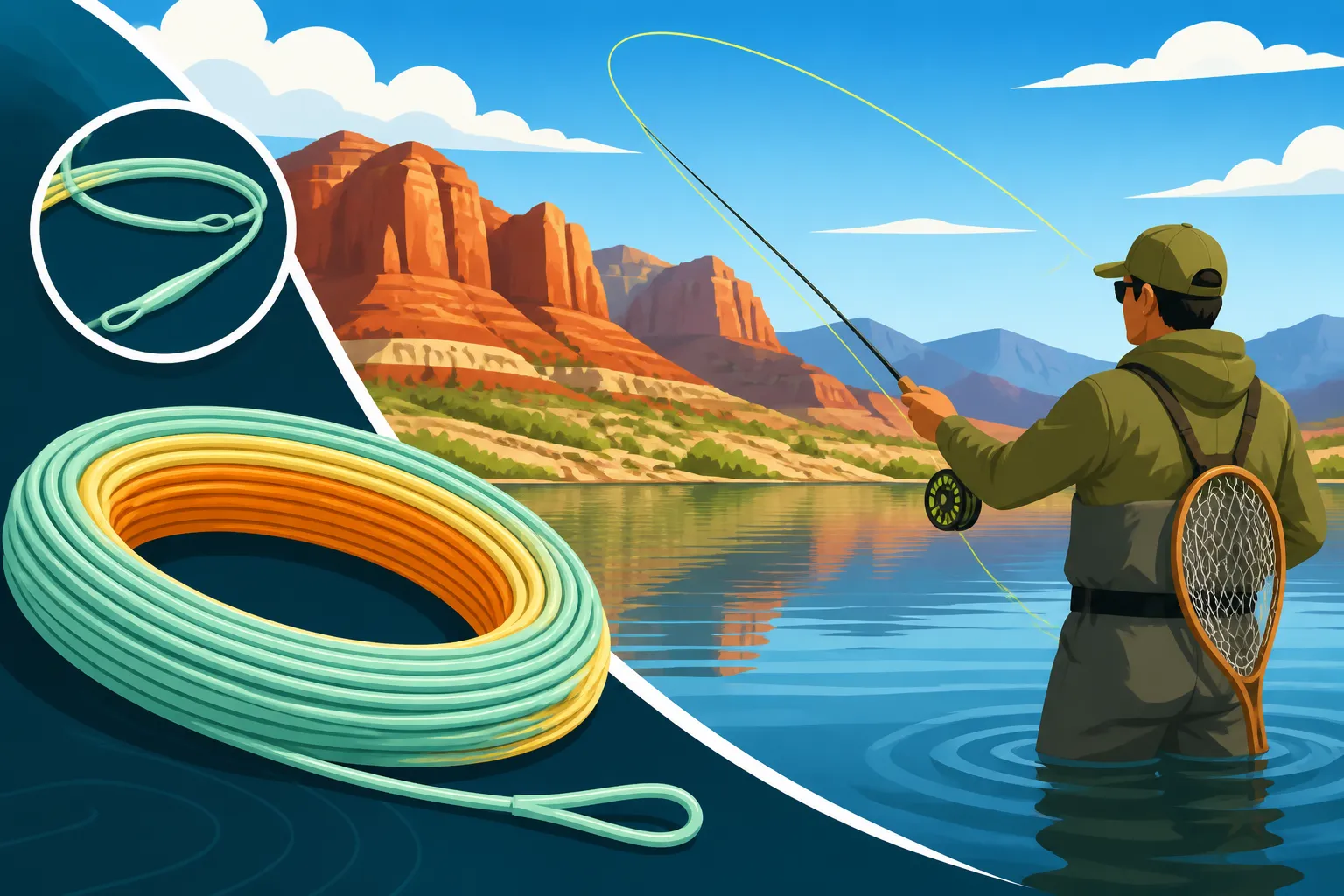
It's a common frustration among fly anglers: you've got your favorite rod, a box full of flies, and you're ready to hit one of Utah's gorgeous lakes or reservoirs. But once you're there, whether it's the wind, the depth, or just plain old fishy stubbornness, your trusty river fly line just isn't cutting it. Choosing the right fly line for stillwater fishing in Utah can feel like a guessing game, especially with so many options out there, but this guide is here to help you navigate the choices and make confident decisions for your next angling adventure.
The Unique Demands of Utah Stillwater Fly Fishing
It's easy to think all fly fishing is the same, but stillwater (lakes, reservoirs, ponds) presents a whole different ballgame compared to rivers and streams. In Utah, this is especially true. You're not just casting to a rising trout in a gentle current; you might be battling intense winds on a large reservoir like Strawberry, fishing deep for a stubborn cutthroat, or delicately presenting to cruising fish in a high-mountain lake. The fly line you choose can truly make or break your day, and it's a common frustration for anglers who are used to river setups. Your trusty floating line might be perfect for the Provo River, but entirely useless when trying to reach fish in 20 feet of water on Deer Creek. This section will help you understand why stillwater demands a specialized approach.
Why Stillwater is Different
When you're out on a lake, there's no current to carry your fly downstream or dictate your drift. You're the one creating the movement, and the water column itself becomes your playground. This means your fly line needs to do a lot of the heavy lifting that the current typically handles in a river. You need to present your fly at specific depths, control its retrieve speed, and battle any wind that decides to whip up. For many Utah anglers, especially those transitioning from stream fishing, this can be a steep learning curve. The nuances of presenting a chironomid suspended perfectly off the bottom, or stripping a streamer through schooling fish, all come back to having the right line.
Think about it: in a river, the water flow does most of the work to present your fly. In stillwater, you are the current. Every strip, every pause, every cast needs to be deliberate, and your fly line is the primary tool for executing those actions. The ability to precisely control the depth and retrieve of your fly is paramount, and without a line designed for those specific tasks, you'll be fighting your gear instead of focusing on the fish. This fundamental difference is why a "one-size-fits-all" approach to fly lines simply doesn't work for stillwater environments.
Common Stillwater Challenges for Anglers
Utah's stillwaters offer incredible opportunities, but they also come with their own set of headaches. Wind is a huge one – it can make casting difficult, create drag on your line, and make subtle takes hard to detect. You might start your day with glassy conditions, only for an afternoon breeze to turn your perfect presentation into a frustrating mess. Then there's depth; fish often hold anywhere from a few feet to 50 feet or more, depending on the time of year and water body. Without the right line, you're either never getting to them or you're dragging your fly through unproductive water, missing out on the prime feeding zones. Knowing How to Read a Fish Finder for Utah Reservoirs can tell you where the fish are, but only the right line can get your fly to them.
You also have different fish species to consider, from rainbow and cutthroat trout to kokanee salmon and even smallmouth bass. Each might require a slightly different presentation, which directly impacts your line choice. A delicate floating line might be ideal for dry fly fishing for smaller trout on a high mountain lake, but completely inadequate for stripping heavy streamers for trophy brown trout in a large reservoir, especially on a blustery day. The pressure to choose correctly can be daunting, but understanding the specific challenges helps narrow down the field significantly. Knowing how to tackle these challenges effectively begins with understanding your fly line.
Decoding Fly Line Types for Utah's Lakes and Reservoirs
Alright, let's get into the nitty-gritty of fly lines themselves. When you walk into a Bass Pro Shops or browse online, the sheer number of options can be overwhelming. But for stillwater, we can really break it down into a few main categories: floating lines, intermediate lines, and various sinking lines. Each has a specific job, and understanding that job is key to picking the right one for your Utah adventure. Don't feel like you need every single one, but having a few versatile options in your arsenal will dramatically increase your success rate and allow you to adapt to changing conditions and target different fish species effectively.
Floating Lines: For Surface Action and Shallows
Floating lines are what most fly anglers start with, and they're still incredibly valuable for stillwater. These lines, as their name suggests, stay on top of the water. They're fantastic for fishing dry flies when you see fish rising to hatches, or for presenting emergers just under the surface. If you're targeting cruising trout in shallow bays, fishing weed lines, or working topwater patterns for smallmouth bass, a good floating line is indispensable. Think of those calm evenings on a high-mountain lake, or early mornings on a community pond where fish are dimpling the surface – this is where your floating line truly shines.
However, remember their limitation: they stay on top. If the fish are holding even a few feet down, or if there's any significant wind creating a chop, your floating line might struggle to get your fly into the strike zone efficiently. The wind will grab the line, create a belly, and make it difficult to detect subtle takes or maintain a controlled retrieve. For nymphing under an indicator in shallower water, or stripping small streamers in skinny water, a floating line with a longer, more delicate front taper can be excellent, offering precision and gentle landings for spooky fish. Just be mindful of its limitations once the fish move deeper or the wind picks up.
Intermediate Lines: The Versatile Subsurface Option
Intermediate lines are often the unsung heroes of stillwater fly fishing. These lines sink very slowly, usually at a rate of 1-2 inches per second. They don't float, and they don't plunge. Instead, they suspend just beneath the surface, allowing your fly to work in that crucial 1-5 foot depth range where many fish feed, making them an incredible workhorse. This makes them incredibly versatile for chironomid fishing, stripping leeches or buggers, or even fishing small nymphs without an indicator. If you're fishing a relatively shallow lake or reservoir, or if fish are feeding just below the surface in that "zone," an intermediate line is often the answer, offering a balance between depth control and manageable retrieve.
The slow sink rate also means they cut through surface chop better than a floating line, giving you more direct contact with your fly, even on slightly windy days. This direct contact greatly improves strike detection, which is critical for the subtle takes you often get with stillwater trout and especially when targeting them from a float tube. Many anglers consider a good intermediate line to be their go-to workhorse for general stillwater presentations, providing just enough sink to get past the surface disturbance without plummeting too quickly. It’s a great line for How to Fly Fish From a Float Tube in Utah.
Sinking Lines: Getting Deep When It Counts
When the fish go deep, you need a line that can follow them, and that's where sinking lines come in. These lines are designed to get your fly down quickly and efficiently to specific depths. They're often categorized by their sink rate, expressed as "IPS" (inches per second) or by a "Type" number (e.g., Type I, Type III, Type V, Type VII). A Type I or Type II might sink at 1.5-2.5 IPS, while a Type VII could plunge at 7+ IPS. The faster the sink rate, the deeper and quicker you can get your fly into the strike zone. This is crucial when fish are holding at considerable depths, perhaps seeking cooler water or hiding from predators.
Sinking lines are absolutely essential for fishing deep structures, targeting suspended fish, or reaching the bottom in large, deep reservoirs like Flaming Gorge or Fish Lake. If you're looking for How to Fish Deep Water for Summer Lake Trout or trying to get a leech pattern down to a trophy cutthroat in 20-30 feet of water, a fast-sinking line is your best friend. They also provide excellent contact with your fly, reducing slack and making it easier to feel subtle takes, even at depth. The density of these lines minimizes the effect of wind and surface currents on your presentation. Just remember that a fast sink rate means you'll be constantly managing your line to avoid snagging the bottom if you're not careful, which can be a real challenge in rocky areas.
| Fly Line Type | Typical Sink Rate (IPS) | Ideal Depth Range | Best Use Cases in Utah Stillwater |
|---|---|---|---|
| Floating | 0 | Surface to 3 ft | Dry flies, emergers, shallow nymphing, topwater bass |
| Intermediate | 1-2 | 1-5 ft | Chironomids, small streamers, mid-depth nymphs |
| Sink Tip | Various (front only) | 3-10 ft | Streamers, nymphs in moderate depths with floating body |
| Full Sinking | 3-8+ (Type III to VII+) | 5 ft to 50+ ft | Deep streamer stripping, chironomids, dredging, targeting suspended fish |
Choosing the Right Weight and Taper for Your Utah Setup
Beyond just "floating" or "sinking," the weight and taper of your fly line play a massive role in how it performs. These factors affect your casting distance, accuracy, and how delicately or aggressively your fly is presented. Getting this right means your rod and reel will feel balanced, and you'll have a much more enjoyable and effective day on the water, reducing fatigue and increasing your chances of success. Understanding these elements is a key part of becoming a proficient stillwater angler.
Matching Line Weight to Your Rod
This is perhaps the most fundamental rule: match your fly line weight to your rod's recommended weight. A 5-weight rod needs a 5-weight line, a 7-weight rod needs a 7-weight line, and so on. This ensures your rod loads properly during the cast, allowing you to achieve maximum distance and accuracy without over-stressing the rod or making casting a chore. A perfectly matched line and rod will feel effortless to cast, turning over your leader and fly with precision. Most stillwater anglers in Utah will find themselves using 5-weight to 8-weight rods, depending on the size of fish and the conditions. A 5-weight is great for smaller trout and delicate presentations, while a 7 or 8-weight gives you the backbone to cast larger flies, handle windy conditions, and fight bigger fish like those found in Strawberry Reservoir.
Sometimes, for specific applications, you might "overline" or "underline" by one weight (e.g., putting a 6-weight line on a 5-weight rod for easier short casts with heavy flies or to help load a fast-action rod more easily). This is a tactic some experienced anglers use to fine-tune their setup for specific techniques or rods, but for general stillwater fishing, sticking to the matched weight is the safest bet, especially for those learning Utah Fishing Techniques for Beginners. When you're buying a new line, always double-check your rod's specifications to ensure a harmonious pairing. This balance extends to your reel choice as well; a How to Choose a Fly Reel for Utah Trout Streams guide often reiterates this balance.
Understanding Line Tapers: Presentation vs. Power
Fly line tapers refer to how the diameter of the line changes along its length. This design profoundly impacts how the line casts and how the fly presents. For stillwater, you'll generally encounter Weight Forward (WF) lines, which are by far the most common for stillwater applications due to their casting efficiency. The taper dictates how energy is transferred from your rod through the line to the leader and fly, directly influencing the accuracy and delicacy of your presentation. Different tapers are optimized for different situations, from punching through stiff headwinds to gently landing tiny dry flies.
- Weight Forward (WF) Tapers: These lines have a heavier, thicker section (the "head") at the front, followed by a thinner "running line." This concentrated weight helps to load the rod quickly and allows for longer casts, especially useful when covering large expanses of water. Within WF lines, you'll find various tapers:
- Longer, Finer Tapers: Designed for delicate presentations and longer leaders, perfect for wary trout sipping emergers on calm days. These might be labeled "presentation" or "light taper" lines and are excellent when stealth is paramount, allowing your fly to land softly with minimal disturbance.
- Shorter, More Aggressive Tapers: These have more weight concentrated closer to the tip, making them ideal for turning over heavy, wind-resistant flies (like large streamers or weighted nymphs) and punching casts into the wind. They're excellent for powerful casts on big water and for when you need to quickly get a fly to depth. Many stillwater-specific lines will lean towards these more aggressive tapers, as they are built to handle the heavier and bulkier flies often used in stillwater.
While Double Taper (DT) lines are known for delicate presentations and rolling casts, making them popular for small streams, they are less common for stillwater due to their limited casting distance compared to WF lines. For most Utah stillwater scenarios, a Weight Forward line with a taper suited to your primary fishing style will be your best bet. If you primarily fish streamers or weighted flies, go for a more aggressive taper. If delicate nymphing under an indicator or dry fly work is your game, a longer, finer front taper will serve you better. Even a Best Fly Rod Weight for the Provo River choice is a similar consideration, albeit for different conditions.
Practical Considerations and Maintenance for Your Stillwater Fly Line
Alright, you've got a handle on the different types of lines and tapers. Now let's talk about the practical side of things, because even the best fly line won't perform if it's not well-maintained or chosen without considering the environmental factors you'll encounter on Utah's waters. From battling the elements to keeping your line clean, these tips will help extend the life of your line and improve your fishing experience, ensuring that your investment pays off for many seasons to come. It's a crucial part of your overall Utah Fishing Gear Guide.
Adapting to Utah's Diverse Conditions
Utah's fishing conditions can change rapidly, even on the same body of water. One moment it's glassy calm on Jordanelle, the next a stiff breeze is whipping up. This is where having a few different lines, or a versatile system, really pays off. For instance, on a big, deep reservoir like Flaming Gorge, you'll likely need fast-sinking lines to get to those trophy lake trout. But if you're targeting smallmouth bass in the shallows of the same lake, a floating or intermediate line would be better. Consider the typical weather patterns of your chosen fishing spot when making your choices. For example, if you often fish exposed lakes with consistent wind, prioritizing lines that cut through the wind and don't get blown around will save you a lot of grief. How Wind Affects Fishing on Utah Reservoirs is a real struggle for many, and the right line helps.
Another consideration is temperature. In the heat of summer, especially in Southern Utah, your line can become sticky or stiff, making casting a chore and reducing its slickness. In colder months, like when you're preparing for Utah Ice Fishing Guide (even though it's not fly fishing, the temperature extremes are similar), you'll want lines that remain supple and don't develop excessive memory, which can lead to frustrating tangles and poor line management. When browsing online or at a local shop, look for lines specifically designed for a wide range of temperatures. Companies like Scientific Anglers or Rio often have lines engineered for different climates, ensuring your line performs consistently regardless of the mercury. For those looking for the Best Time of Year to Fish in Utah, different lines will be more critical at different times.
Care and Maintenance for Longevity
A fly line is an investment, and like any good piece of fishing gear, it needs a little love to perform its best and last for years. The biggest enemy of fly line performance is dirt and grime. Over time, your line will pick up oils, algae, and particulate matter from the water, which can make it lose its slickness, cause it to sink unevenly, or reduce casting distance. A dirty line can also scratch your rod guides, leading to premature wear. Taking the time to properly care for your lines will save you money in the long run and keep you fishing effectively.
- Cleaning: Regularly clean your fly line. You can buy specialized fly line cleaning pads and solutions (often available at Amazon or any dedicated fly shop), or simply use warm water with a mild soap. Run the line through a soft cloth or cleaning pad, applying gentle pressure. Do this after every few trips, or whenever you notice your line feeling sticky or not floating/sinking as it should. Cleaning restores the line's slickness and helps it perform as intended, improving both casting distance and floatation/sink rate.
- Storage: When not in use, store your fly line on your reel in a cool, dry place, out of direct sunlight. Avoid extreme temperatures. Heat can make lines brittle, while cold can make them stiff and prone to memory. If you're swapping lines frequently, consider using line spools or large arbor reels to prevent kinking and minimize line memory. Proper storage prevents degradation and keeps your line ready for action.
- Checking for Damage: Periodically inspect your line for nicks, cracks, or excessive abrasion, especially near the leader connection. Even a small imperfection can compromise casting performance or, worse, lead to a break when you're fighting a big fish. Pay close attention to the first 10-20 feet of line, as this section takes the most abuse. Replace your line when it shows significant signs of wear, as a compromised line is a liability, especially when you've finally hooked that trophy you've been after using your Utah Trout Fishing Tips.
By taking these simple steps, you'll ensure your fly line remains a reliable tool for all your Utah stillwater fly fishing adventures, helping you present those Best Flies for a Utah Fly Box perfectly and maximizing your time on the water. For anglers fishing from personal watercraft, Best Float Tubes for Utah Stillwater Fly Fishing discusses how line management is even more critical in confined spaces.
Table: Stillwater Fly Line Recommendations for Common Utah Scenarios
To help you visualize some common situations you might encounter and the fly lines that would excel in them, here's a quick reference table. Remember, this is a general guide, and local conditions or specific preferences might lead you to other choices. Your personal casting style and the specific Best Places to Fish in Utah will also influence the best choice for you.
| Utah Stillwater Scenario | Target Species/Depth | Recommended Fly Line Type(s) | Key Considerations |
|---|---|---|---|
| Calm, Shallow Lakes/Ponds | Cruising Trout (0-3 ft), Panfish | Floating (WF with delicate taper) | Stealthy presentation, minimal surface disturbance. |
| Light Wind, Mid-Depth (5-15 ft) | Trout, Kokanee (chironomids/small streamers) | Intermediate, Type I/II Full Sinking | Cuts through chop, subtle takes, steady retrieve depth. |
| Deep Reservoirs (15-30+ ft) | Large Trout, Lake Trout, Walleye, Bass | Type III-VII Full Sinking | Fast sink rate to reach fish quickly, good depth control. |
| Wind-Blown Large Reservoirs | Trout, Bass (streamers/power casting) | WF Floating (aggressive taper), Fast Intermediate | Cuts wind, turns over heavy flies, good line control. |
| Fishing from a Float Tube/Kayak | All species, varying depths | Intermediate, Full Sinking (versatile) | Easier casting from confined space, efficient depth changes. |
| Surface Rises (Hatches) | Trout (dry flies/emergers) | Floating (WF or DT, delicate taper) | Gentle landings, high floatation for long drifts. |
| Deep Structure/Bottom Fishing | Lake Trout, Walleye, Catfish (20-50+ ft) | Type V-VII Full Sinking (density compensated) | Maximizes depth, maintains straight connection to fly. |
This table should give you a good starting point when considering your next stillwater fly line purchase. Whether you're planning a trip to one of the Best Places to Fish in Utah or exploring a local community pond, having the right line will make a significant difference. You can often find a good selection of specialized stillwater lines from brands like Rio, Scientific Anglers, and Cortland at dedicated fly shops or through larger retailers like Bass Pro Shops and Amazon, where you can also read reviews and compare features to find the perfect match for your Utah Fly Fishing Guide endeavors.
Disclaimer
This article is for general informational purposes only and does not constitute professional advice. Laws, prices and regulations vary by location and change over time. Consult a qualified professional for guidance on your specific situation.