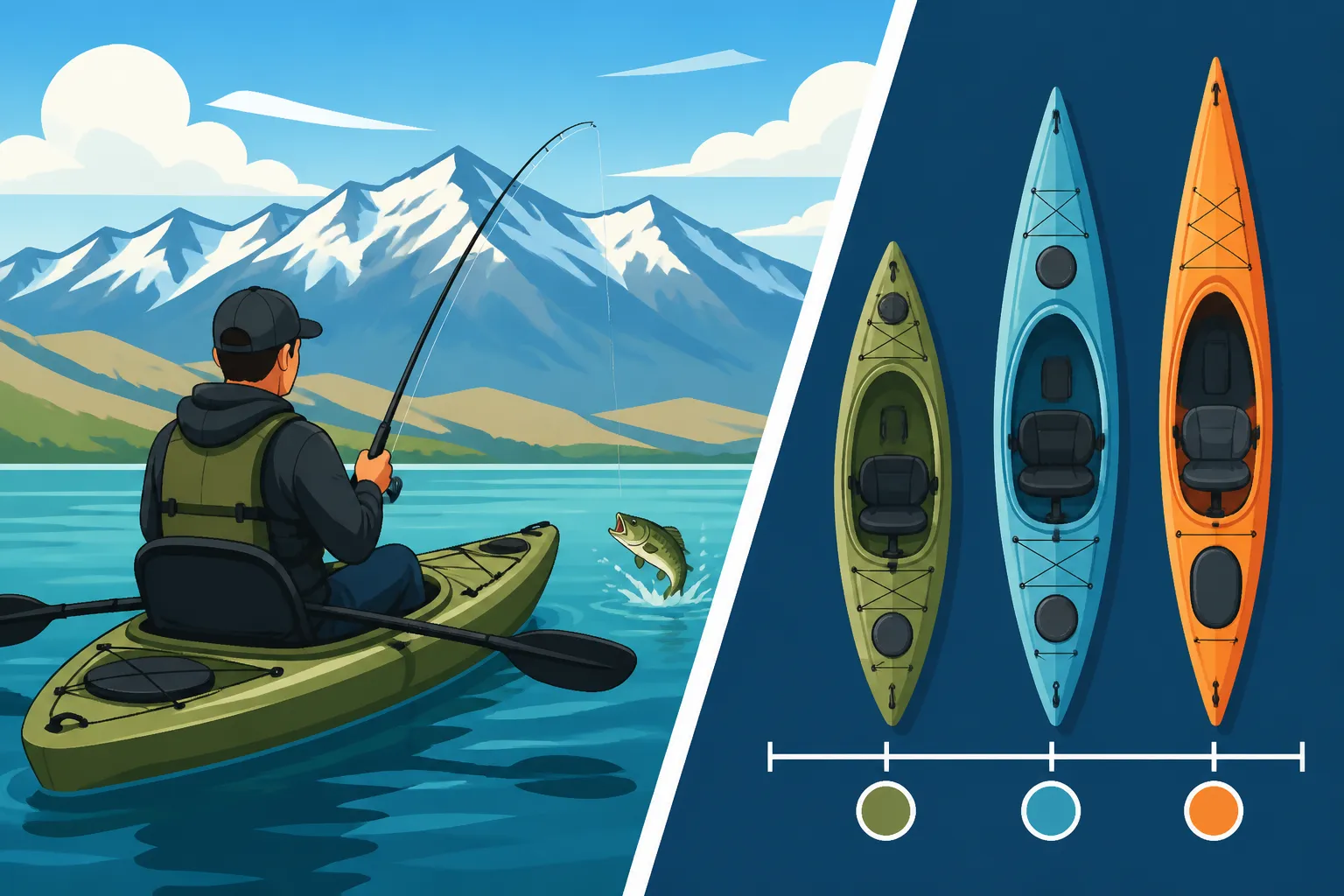
Best Kayak Length for Utah Lake
Choosing the right kayak length for Utah Lake can feel like a daunting task, especially when you consider how vast and sometimes unforgiving those waters can be. It’s not like picking a little pond hopper for a calm, sheltered community fishing spot. Utah Lake demands a specific kind of consideration, and if you get it wrong, your fishing trip can quickly turn from relaxing to exhausting, or even unsafe. This guide is here to cut through the confusion and help you pinpoint the ideal kayak length that will make your time on Utah Lake both productive and enjoyable.
Why Utah Lake Presents Unique Kayak Fishing Challenges
Utah Lake isn't your average fishing hole; it's a massive, shallow, and often windy body of water that tests the mettle of any angler, especially those in kayaks. You can't just throw any old boat in and expect it to perform optimally. Understanding these unique characteristics is the first step in selecting the perfect kayak.
The Lake's Vastness and Exposure to Elements
Imagine a lake so big that you can barely see the other side, stretching out for miles with very little in the way of natural protection from the elements. That's Utah Lake. It covers approximately 150 square miles, making it the largest freshwater lake in Utah by surface area. This sheer size means that if you plan on exploring more than just the immediate shoreline, you're going to be covering significant distances. Long paddles against wind or current can wear you out quickly in a kayak that isn't designed for efficiency over distance.
Compounding this vastness is the lake's exposure. There are very few islands, coves, or high bluffs to provide shelter from the wind. Wind, especially when it funnels down the canyons from the Wasatch Front, can kick up formidable chop and waves surprisingly fast. What started as a glassy morning can turn into a white-capping struggle in a matter of minutes. A shorter, lighter kayak might feel like a toy being tossed around in these conditions, making it incredibly difficult to paddle, maintain a course, or even fish effectively. You need a kayak that can handle these sudden shifts and provide a stable platform when the water gets rough. For more general information on fishing this unique body of water, check out our Utah Lake Fishing Guide.
Variable Water Conditions and Depths
One of the most defining characteristics of Utah Lake is its shallowness. With an average depth of around 9 feet and a maximum depth of about 14 feet, it's not a deep lake by any stretch. This shallow nature, combined with its large surface area, means the water can heat up quickly in the summer, and water levels can fluctuate. More importantly for kayak anglers, the bottom is often soft and silty in many areas. If you're in a kayak that doesn't track well or sits too deep, you might find yourself struggling through muck in shallower areas, or getting blown off course in the open water where the wind has a clear sweep.
The variable water conditions also refer to how quickly the lake can change from calm to choppy. A strong breeze can whip up waves that feel much larger in a kayak than they would in a powerboat. These waves can slosh into less stable kayaks, making you wet, uncomfortable, and potentially unsafe if you're not prepared. For example, if you're trying to fish for species like walleye, which often hug the bottom, you might want to be able to move slowly and precisely. A kayak that constantly fights the wind or current will make that precise presentation nearly impossible. If walleye are your target, you might also want to explore our guide on Utah Lake Walleye Fishing Spots.
Understanding Kayak Length Categories and Their Impact
When we talk about kayak length, we're not just discussing a number; we're talking about a fundamental design characteristic that dictates how the kayak will perform on the water. Each length category offers a different balance of speed, stability, maneuverability, and tracking. For a dynamic environment like Utah Lake, understanding these trade-offs is crucial.
Short Kayaks (Under 10 Feet): Maneuverability vs. Performance
Short kayaks, typically those under 10 feet in length, are often lauded for their lightweight nature and incredible maneuverability. Think about zipping through tight spaces or turning on a dime – that's where a short kayak shines. They are generally easier to transport and store, fitting into the back of many SUVs or even small truck beds without much hassle. They're also usually the most budget-friendly option, making them attractive to beginners or those looking for a casual paddle.
However, on a lake like Utah Lake, their limitations quickly become apparent. Due to their shorter waterline, they struggle significantly with tracking, meaning they tend to drift off course with every paddle stroke, especially in crosswinds or current. This constant correction is tiring and inefficient over distance. More critically for Utah Lake, short kayaks often lack the inherent stability and wave-piercing ability of longer boats. When those Utah Lake winds kick up and create chop, a short kayak can feel very tippy, easily swamped, and incredibly slow. While they might be okay for hugging the immediate shoreline on a perfectly calm day, venturing into the open water of Utah Lake in one is generally not recommended for fishing or safety.
Medium Kayaks (10-12 Feet): The Versatile Middle Ground
The 10- to 12-foot kayak range is often considered the "sweet spot" for many recreational paddlers and even some anglers, offering a good compromise between different performance characteristics. These kayaks provide a noticeable improvement in tracking and speed compared to their shorter counterparts. The longer waterline helps them maintain a straighter course with less effort, making longer paddles more enjoyable and less fatiguing. They also tend to offer a bit more storage space for gear, tackle, and a cooler.
For Utah Lake, a 10-foot kayak might still feel a bit short for venturing far from shore on windy days, but a 12-foot model starts to become a more viable option. It can handle moderate chop better, offers increased stability for casting and fighting fish, and allows you to cover more water efficiently. Many popular fishing kayak models fall into this range, providing dedicated features like rod holders, gear tracks, and comfortable seats. If you're a casual angler sticking closer to the boat ramps or only heading out on fair-weather days, a well-designed 12-foot kayak can be a decent choice. You might find a good selection of these at a place like Bass Pro Shops, where you can compare different brands and features.
Long Kayaks (Over 12 Feet): Speed, Stability, and Capacity
When you start looking at kayaks over 12 feet, you're entering the realm of serious angling machines. These longer kayaks are designed for efficiency, stability, and carrying capacity, making them incredibly well-suited for large, open bodies of water like Utah Lake. Their extended waterline provides superior tracking, meaning they glide through the water with minimal course correction, even in windy conditions. This translates to less effort for the angler, allowing you to cover vast stretches of the lake to find those elusive fish.
The increased length also often correlates with greater stability, especially when combined with a wider beam. Many 13- to 14-foot fishing kayaks are designed to be stable enough for anglers to stand and cast, which is a huge advantage for sight fishing or getting a better vantage point. They offer ample storage for multiple rod setups, tackle boxes, electronics, and even a sizable cooler for your catch. While they are heavier and can be more challenging to transport and store than shorter kayaks, the performance benefits on Utah Lake often outweigh these considerations for dedicated anglers. For example, if you're planning on covering extensive areas for Utah Lake Catfish Fishing Spots or targeting active walleye schools, a longer kayak will make a world of difference.
Recommended Kayak Lengths for Utah Lake
Now that we’ve explored the general categories, let's hone in on what truly works best for the unique environment of Utah Lake. This isn't a one-size-fits-all answer, as your specific fishing goals and comfort level will play a role, but there are definitely sweet spots and lengths to avoid.
The "Sweet Spot" for Most Anglers: 12-14 Feet
For the vast majority of kayak anglers planning to tackle Utah Lake, a kayak in the 12- to 14-foot range is going to be your best bet. This length range strikes an excellent balance that addresses the primary challenges of the lake:
- Superior Tracking: A 12-foot kayak will track significantly better than an 8 or 10-foot model, and a 14-foot kayak will be even more efficient. This means less wasted energy fighting the wind and current, allowing you to paddle further and spend more time actually fishing. Imagine trying to hold a course against a stiff breeze in a short kayak; it’s an immediate energy drain. In a 12-14 foot kayak, you can maintain your heading with fewer, more powerful strokes.
- Enhanced Speed and Efficiency: Longer kayaks glide more effortlessly. This is critical for covering the vast distances of Utah Lake, whether you're heading to a specific fishing spot or exploring new territory. If you have a pedal-drive kayak in this length, like those offered by Hobie or Old Town, you'll be able to cover even more ground with less fatigue, leaving your hands free for fishing. You can learn more about this in our article, Do You Need a Trolling Motor for Kayak Fishing on Utah Lake?.
- Improved Stability in Chop: While no kayak will feel like a battleship in rough water, kayaks in this length range generally offer better primary and secondary stability. This means they are less likely to feel tippy and are more forgiving when waves roll through. The extra length helps the bow cut through or ride over waves more effectively, preventing your kayak from getting swamped or feeling like it's being pushed around aggressively. This stability is absolutely crucial for standing to cast, which many anglers prefer for better visibility and hook sets.
- Ample Storage and Capacity: These longer kayaks typically boast larger storage hatches, tank wells, and deck space, allowing you to comfortably carry all your essential gear: multiple rods, tackle boxes, a cooler, safety equipment, and even electronic fish finders. This capacity means you don't have to leave critical items behind, ensuring a safer and more productive day on the water.
A 13-foot model, for instance, often hits the perfect sweet spot for many. It's long enough to cut through chop and track efficiently, stable enough for most anglers to stand, and still manageable enough for a single person to load and launch. When browsing online retailers like Amazon, pay close attention to the listed dimensions and features of kayaks in this length range.
When Shorter Kayaks Might Work (and Their Limits)
While the general recommendation leans towards longer kayaks for Utah Lake, there are very specific, limited scenarios where a shorter kayak (10-11 feet) might be acceptable. However, it’s crucial to understand the inherent limitations and increased risks.
- Sheltered Shoreline Fishing: If your plan is strictly to fish within a few hundred yards of a sheltered boat ramp or a calm, wind-protected cove, and only on days with perfectly calm weather forecasts, a 10 or 11-foot sit-on-top fishing kayak could potentially work. For example, targeting panfish or smaller bass near specific reed beds close to shore. But remember, "perfectly calm" days on Utah Lake are not guaranteed and can change rapidly.
- Testing the Waters (Literally): For a complete beginner who wants to try kayak fishing on Utah Lake for the first time without a massive investment, a shorter, cheaper kayak might seem appealing. However, this is a situation where you might quickly outgrow the kayak's capabilities or, worse, find yourself in a dangerous situation. It's often better to rent a more appropriate length kayak first or borrow one from a friend to get a feel for the lake.
- Extreme Portability Needs: If you absolutely need a kayak that's incredibly easy to load and unload by yourself due to physical limitations or vehicle constraints, a shorter kayak is undeniably simpler. However, this convenience often comes at the cost of safety and performance on Utah Lake.
The key takeaway here is limits. Never venture far from shore in a short kayak on Utah Lake. Always check the wind forecast, and if there's any doubt, stay off the open water. You're trading performance and safety for portability and cost, which is a risky gamble on a lake known for its unpredictable nature.
Advantages of Longer Kayaks (14+ Feet): The Ultimate Lake Machine
For the most serious kayak anglers, or those who consistently spend long days on Utah Lake covering significant distances, a kayak exceeding 14 feet offers the ultimate performance. While these kayaks represent a larger investment and are more challenging to transport and store, their benefits on Utah Lake are undeniable.
- Unmatched Speed and Efficiency: A 14-foot or longer kayak cuts through the water with incredible efficiency. This is particularly beneficial for long-distance trolling, rapidly moving between hotspots, or simply enduring prolonged paddles against strong headwinds. You'll exert less energy for greater distance, keeping you fresher for the actual fishing.
- Exceptional Tracking: The extended waterline means these kayaks track almost perfectly straight, reducing the need for constant rudder adjustments or corrective paddle strokes. This allows you to focus more on your fishing, maintaining better lure presentations, and navigating with precision.
- Maximum Stability and Capacity: While many 12-14 foot kayaks are stable, 14+ foot models often take stability to another level, providing an even more rock-solid platform for standing, casting, and landing larger fish. They also typically offer the most storage, allowing you to bring along extra gear for multi-day trips or specialized tackle for a wider range of species. If you're planning a full day of chasing fish, or considering camping nearby, this added capacity is invaluable. This extra capacity also makes it easier to carry all the necessary safety equipment mandated by Utah Boating and Fishing Rules.
- Better Wave Handling: When Utah Lake gets rough, longer kayaks handle the chop with greater grace. Their length helps them span multiple wave crests, reducing the rocking and pitching motion that shorter kayaks experience. This translates to a more comfortable, drier, and safer ride when conditions turn ugly.
The primary downsides are the higher cost, increased weight, and greater length, which can make loading, unloading, and storing these kayaks more difficult, especially for solo anglers. However, if Utah Lake is your primary fishing ground and you demand peak performance and comfort, a longer kayak is the way to go.
Here's a quick comparison of kayak length considerations for Utah Lake:
| Kayak Length Category | Pros for Utah Lake | Cons for Utah Lake | Best Use Case |
|---|---|---|---|
| Under 10 Feet | Easy to transport/store; very maneuverable; lower cost | Poor tracking; low speed; unstable in chop/wind; limited capacity | Very limited, only for calm, sheltered coves near shore on perfect days. |
| 10-12 Feet | Decent balance of speed/maneuverability; moderate stability; more capacity than short | Can still struggle in strong wind/chop; less efficient for long distances | Good for moderate distances on fair days; closer to shore; general recreational fishing. |
| 12-14 Feet | Recommended Sweet Spot: Excellent tracking; good speed; very stable; ample capacity; handles chop well | Heavier/longer than smaller kayaks; requires more effort to transport/store | Most versatile for Utah Lake; covers large areas efficiently; suitable for diverse fishing styles. |
| Over 14 Feet | Superior speed/tracking; maximum stability; huge capacity; best for rough conditions | Heaviest/longest; most challenging to transport/store; higher cost | Best for serious anglers, long-distance expeditions, large fish, or rough conditions. |
Factors Beyond Length to Consider for Utah Lake Kayak Fishing
While kayak length is paramount for Utah Lake, it's not the only factor that will make or break your experience. A truly effective kayak for this unique body of water combines optimal length with several other key design elements.
Stability and Width: A Kayak Angler's Best Friend
For kayak fishing, stability is often even more critical than pure speed. On Utah Lake, where conditions can change rapidly and you'll be casting, retrieving, and potentially fighting sizable fish like Utah Lake Walleye Population or Channel Catfish, you need a platform that won't leave you feeling constantly on edge. A wider kayak, generally 30 inches or more, often provides superior primary stability (how stable it feels when you first get in) and secondary stability (how stable it feels when leaned on edge).
Many modern fishing kayaks are designed with a "tunnel hull" or pontoon-style hull shape that maximizes initial stability, allowing anglers to stand up and cast confidently. This ability to stand offers better sightlines for spotting fish or submerged structure, a more powerful casting position, and can even help with fatigue on long days by allowing you to change positions. Don't compromise on stability for Utah Lake; a stable platform makes every aspect of fishing more enjoyable and safer. If you're serious about rigging out your vessel, our guide on Best Kayaks for Utah Lake Fishing dives deeper into specific models and features.
Propulsion Options: Pedal vs. Paddle for Efficiency
The traditional paddle is certainly effective, but for a lake as large and often windy as Utah Lake, a pedal-drive system can be a game-changer. Pedal kayaks, like those from Hobie, Native Watercraft, or Old Town, allow you to propel yourself using your legs, leaving your hands free for fishing. This is invaluable when you're trolling, fighting a fish, or needing to quickly reposition against wind or current.
- Paddling: Offers a great workout and is simpler mechanically. However, it can be fatiguing over long distances, especially against wind, and requires you to put down your rod to move.
- Pedaling: Allows hands-free operation, greater efficiency over distance, and more precise boat control. It's a significant advantage for covering large expanses of Utah Lake or maintaining position in windy conditions. While pedal kayaks are typically more expensive and heavier, the investment often pays off in increased enjoyment and fishing success on this particular lake. Even if you're not going full pedal, a good Best Anchor Style for a Kayak on Utah Lake can greatly assist with boat control.
Storage and Rigging Capabilities
Fishing kayaks, regardless of length, are designed with anglers in mind, but the amount and type of storage vary greatly. For Utah Lake, you'll want ample space for all your gear. Look for:
- Rod Holders: Both flush-mounted for storage and adjustable ones for trolling or holding a rod while you manage another.
- Gear Tracks: These versatile rails allow you to mount various accessories like fish finders, rod holders, cameras, and GPS units without drilling into the hull. You can find many useful kayak accessories on Amazon to customize your setup.
- Storage Hatches: Dry storage for valuables, electronics, and extra clothing.
- Tankwell: A large open storage area, often at the stern, secured with bungee cords, perfect for coolers, tackle crates, or dry bags. Given the size of fish you can catch and the warmth of Utah summers, having a good cooler is essential for keeping your catch fresh.
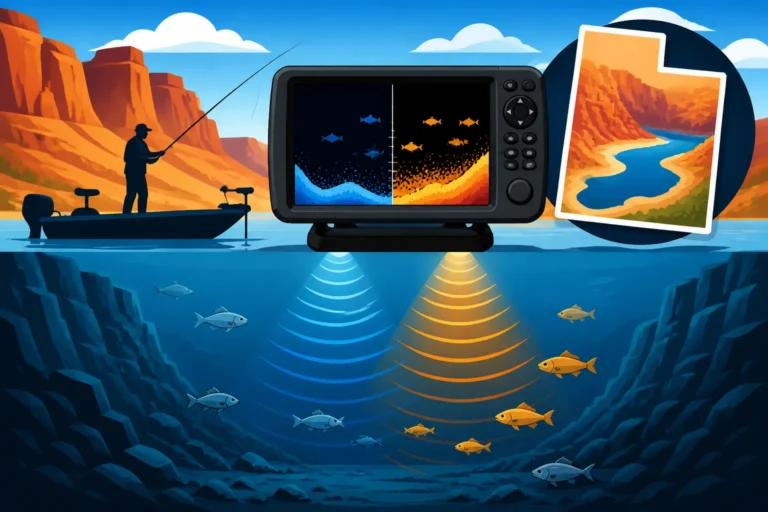
- Transducer Ready: A dedicated spot or scupper for mounting your fish finder transducer, keeping it protected and providing a clear signal.
The more easily your kayak can be rigged for electronics and gear, the more effective and enjoyable your fishing experience will be on Utah Lake. Considering the unpredictable nature of the weather, it's also wise to check out our comprehensive Utah Fishing Gear Guide for other essential items.
Transport and Storage Considerations
Finally, don't overlook the practicalities of owning a fishing kayak, especially a longer one. A 14-foot, 100-pound pedal kayak is a very different beast to transport and store than an 8-foot, 40-pound recreational model.
- Vehicle Capacity: Can your vehicle safely transport the kayak? You might need a roof rack with specialized kayak carriers, or a small utility trailer.
- Loading and Unloading: Can you, or you and a fishing buddy, comfortably load and unload the kayak at the boat ramp? Some heavier kayaks might require a loading assist system for roof racks or simply a dedicated trailer.
- Home Storage: Do you have space in your garage, shed, or yard to store the kayak securely and out of the elements? Long kayaks take up significant real estate.
- Launch Points: While many boat ramps on Utah Lake are designed for larger boats, some shoreline access points might be easier to launch from with a slightly shorter, lighter kayak. However, given the vastness, most anglers will stick to established ramps. For more information on access points, our Best Boat Ramps on Utah Lake article can be very helpful.
Choosing the best kayak length for Utah Lake involves balancing performance on the water with the practicalities of ownership. Prioritize safety, stability, and efficiency for this unique lake, and you’ll be well on your way to many successful fishing trips.
Disclaimer
This article is for general informational purposes only and does not constitute professional advice. Laws, prices and regulations vary by location and change over time. Consult a qualified professional for guidance on your specific situation.