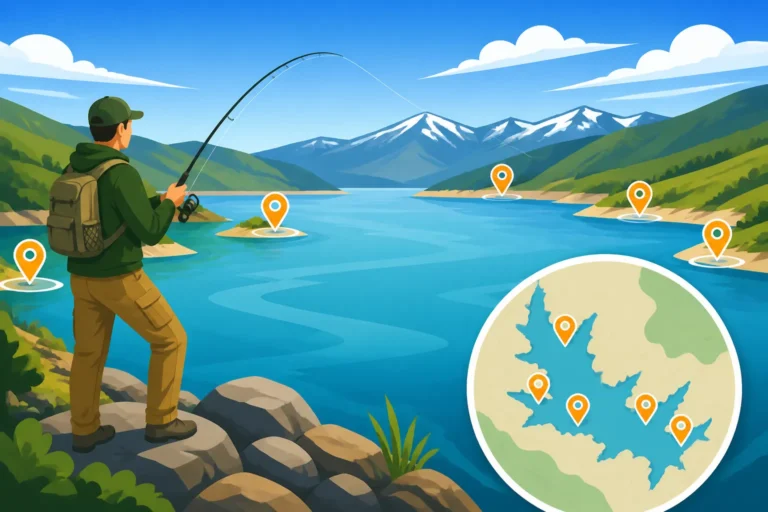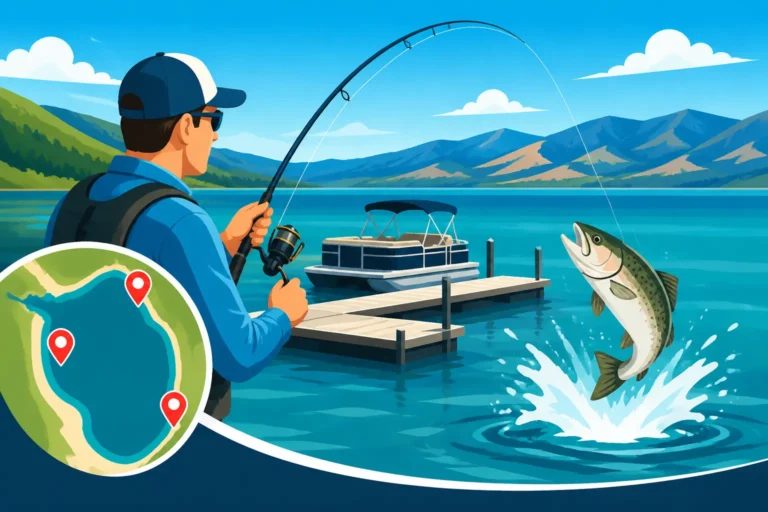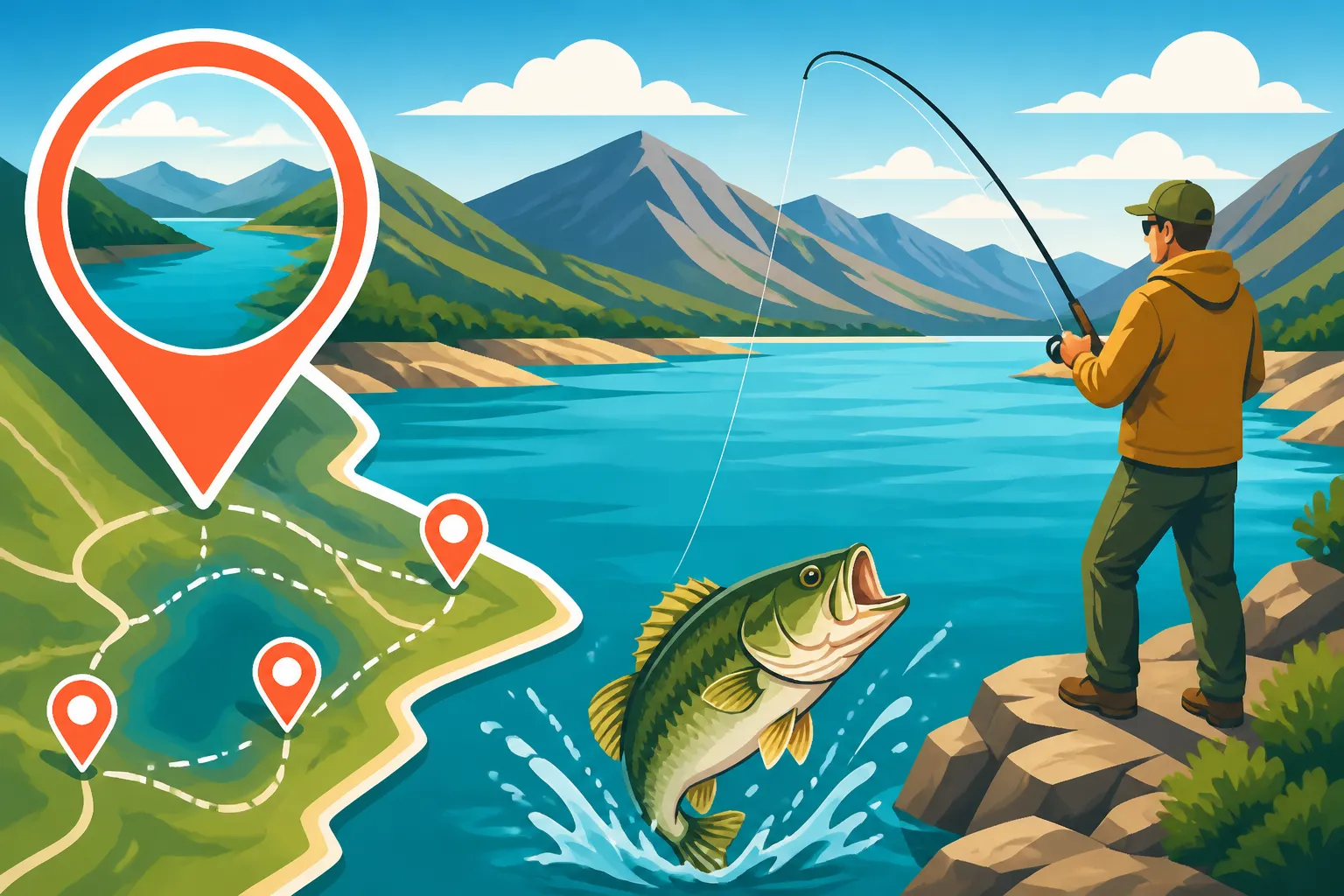
East Canyon Reservoir Fishing Spots
Have you ever felt that familiar pang of wanting to escape the city hustle for a peaceful day of fishing, only to realize your usual go-to spots are either overcrowded, overfished, or just plain too far? It's a common frustration for many Utah anglers, especially when precious weekend time is limited. That's why we're diving deep into East Canyon Reservoir, a true gem nestled conveniently close to the Wasatch Front that offers incredible fishing opportunities. This comprehensive guide will walk you through the best spots, techniques, and insider tips to make your next trip to East Canyon a resounding success.
East Canyon Reservoir: A Utah Gem for Anglers
East Canyon Reservoir isn't just another body of water; it's a vibrant ecosystem that offers diverse fishing experiences for anglers of all skill levels. Located in Morgan County, just a short drive from Salt Lake City and Ogden, its accessibility is a huge part of its appeal.
Why East Canyon Stands Out
Let's be real, sometimes you just need a reliable, rewarding fishing spot that doesn't demand an epic road trip. East Canyon Reservoir perfectly fits that bill, standing out as a premier destination for several reasons. First and foremost is its sheer beauty and accessibility. The drive itself is scenic, leading you through rolling hills and canyons, a welcome escape from the urban sprawl. Once you arrive, you're greeted by a sparkling blue reservoir surrounded by lush mountains, offering a sense of tranquility that's hard to beat so close to populated areas.
Beyond the aesthetics, East Canyon is consistently stocked with a healthy population of game fish, primarily rainbow trout and kokanee salmon, with brown trout also making a good showing. This regular stocking, combined with a fertile environment, means better chances for anglers to hook into some impressive catches. Whether you're a seasoned pro looking for a challenge or a family trying to introduce kids to the joys of fishing, East Canyon truly delivers. Plus, with the amenities of East Canyon State Park right on its shores, it’s not just a fishing trip; it can be a full-fledged outdoor adventure.
Understanding the Reservoir's Layout
To effectively fish East Canyon, it helps to understand its general topography and structure. The reservoir is approximately 680 acres when full, with a maximum depth that can exceed 100 feet near the dam. It’s fed by East Canyon Creek, which flows in from the north, creating a distinct north arm that’s often shallower and weedier than the main body. The reservoir's shape is somewhat elongated, with several coves and points that provide excellent structure for fish.
The main body of the reservoir, particularly near the dam and the state park marina, offers deeper, cooler waters that are crucial for species like kokanee salmon and larger trout, especially as summer temperatures rise. The various points and drop-offs around the lake create current breaks and ambush points for predatory fish. During different seasons, understanding where the fish will congregate—whether in shallow, warmer bays during spring or migrating to deeper, cooler channels in summer—is key to your success.
Prime Species to Target Here
East Canyon Reservoir boasts a fantastic mix of fish species that keep anglers coming back year after year. The primary draws are Rainbow Trout, Brown Trout, and Kokanee Salmon. Each offers a unique challenge and reward.
Rainbow Trout: These are the bread and butter of East Canyon, regularly stocked by the Utah Division of Wildlife Resources (UDWR). Rainbows are typically found throughout the reservoir and are often the most cooperative, biting on a wide variety of baits and lures. You'll find them cruising along shorelines, around points, and suspended in deeper water. They're excellent fighters and even better table fare, making them a popular target. Knowing where to find these eager biters is often the first step for new anglers, and you can always get some great advice by checking out our dedicated guide on Utah Trout Fishing Tips.
Brown Trout: While not stocked as frequently as rainbows, a healthy population of wild and holdover brown trout thrives in East Canyon. These elusive fish are known for their beautiful golden-brown coloring and their predatory nature. Browns often hug structure like submerged rocks, fallen timber, and steep drop-offs. They can grow quite large here, offering a thrilling challenge for anglers willing to put in the effort. They tend to be more active during low light conditions, such as dawn, dusk, and even into the night.
Kokanee Salmon: These landlocked sockeye salmon are a highly sought-after species at East Canyon. Kokanee are schooling fish that prefer colder, deeper water, making them a prime target for trollers and ice anglers. They are renowned for their firm, orange flesh and their aggressive fight, especially on light tackle. Kokanee fishing can be a bit more technical, often requiring specialized gear like downriggers or dodgers. You can learn a lot more about these incredible fish in our comprehensive Utah Kokanee Salmon Guide. While these three are the main targets, you might also occasionally encounter yellow perch or even tiger trout, adding a little extra surprise to your fishing day.
Best Shore Fishing Spots at East Canyon
Shore fishing at East Canyon Reservoir is incredibly popular, and for good reason. It offers easy access, requires minimal gear compared to boating, and still provides fantastic opportunities to catch fish. For those who enjoy the simplicity of casting from solid ground, East Canyon delivers.
East Canyon State Park Shoreline
The shoreline within East Canyon State Park is arguably the most popular and accessible spot for shore anglers. The state park offers paved parking, restrooms, picnic areas, and even boat rentals, making it a comfortable base camp for your fishing adventure. The main draw here is the extensive and relatively clear shoreline that gradually slopes into the reservoir, providing ample casting room without snagging up constantly.
Fish, especially stocked rainbow trout, cruise these areas looking for insects and displaced forage. You'll often find success casting PowerBait, worms, or even small spoons and spinners from these spots. Early mornings and late evenings are typically the most productive, especially during the warmer months when fish move closer to shore to feed. This area is particularly fantastic for families and beginners due to the amenities and the consistent action it can offer. Remember that a Utah State Park day-use fee typically applies, so be prepared for that when you enter.
The Dam Face and Spillway Area
The dam face and the rocky areas leading up to the spillway can be incredibly productive spots, especially during certain times of the year. Fish are often attracted to the deeper water near the dam and the currents created by any water movement from the spillway or outlets. This area generally offers very deep water close to shore, making it ideal for targeting larger trout or kokanee that might be cruising deeper.
However, fishing here comes with important safety considerations. The rocks can be slippery, especially when wet or icy, and swift currents can be present near the spillway. Always exercise extreme caution, wear appropriate footwear, and never get too close to any swift-moving water. Techniques here often involve casting heavier spoons, jigs, or bait rigs that can get down quickly. PowerBait, nightcrawlers, and even cut bait can be effective. Anglers often find this spot to be a bit more challenging but potentially very rewarding for bigger fish.
North and South Arm Inlets
East Canyon Reservoir has distinct north and south arms, each with inlets where creeks or springs feed into the main body of water. These inlet areas are ecological magnets for fish, especially during periods of runoff or when temperatures change seasonally. The inflowing water often brings with it nutrients, insects, and cooler oxygenated water, which are irresistible to trout and other species.
The north arm, fed by East Canyon Creek, can be particularly good in spring and fall. As runoff subsides in late spring and early summer, fish will move into these areas for the slightly cooler water. You'll often find submerged vegetation here, which provides cover and food for baitfish, attracting larger predators. For those who prefer to fish with natural bait, worms and salmon eggs are often deadly in these areas. For lure anglers, small inline spinners and spoons mimicking baitfish can be very effective. The accessibility to these spots can vary depending on water levels and private property boundaries, so always be mindful of where you're casting and walking.
Productive Boating and Kayak Fishing Zones
While shore fishing at East Canyon is excellent, getting out on the water in a boat or kayak opens up a whole new world of opportunities. You gain access to deeper water, isolated coves, and prime structures that are simply out of reach from the bank.
Main Channel and Deep Water Trolling
For many anglers at East Canyon, especially those targeting kokanee salmon or larger lake trout (if present, though kokanee are more common), the main channel is where the action happens. Trolling allows you to cover vast amounts of water and present your lures or baits at precise depths where fish are holding. This is particularly effective during the summer months when fish retreat to cooler, deeper sections of the reservoir.
Successful trolling at East Canyon often involves using downriggers or lead core line to get small dodgers, flashers, and lures (like Wedding Rings, Kokanee Killers, or small spoons) down to the fish. Kokanee are often found suspended anywhere from 20 to 60 feet deep, sometimes even deeper, depending on light and water temperature. A good fish finder is an invaluable tool here, helping you locate schools of fish and monitor your lure depth. For specific strategies, make sure to read up on our guide, How to Troll for Kokanee in Utah, which provides invaluable insights into this specialized technique. Varying your trolling speed and lure color until you find what works best on a given day is key.
Structure-Rich Coves and Points
East Canyon Reservoir is dotted with numerous coves and points that offer fantastic fishing, especially for species that relate to structure. These areas provide cover, ambush points, and concentrated food sources. Think about the coves around Windsurf Beach or the rocky points extending from the various camping areas. These spots can be absolute goldmines, particularly in the spring and fall.
When approaching these areas with a boat or kayak, you'll want to focus on casting towards submerged rocks, drop-offs, and any visible structure. Smallmouth bass (if present and stocked) would absolutely thrive in such environments, but trout also use these areas extensively. Casting crankbaits, jigs, or soft plastics can entice strikes. If you're in a kayak, the stealth and maneuverability allow you to get into tighter spots that larger boats can't reach, quietly approaching prime fishing real estate. Exploring these areas thoroughly with a How to Fish From a Kayak in Utah approach can lead to some truly memorable catches. Remember to use your fish finder to identify sudden depth changes or submerged cover.
Inlets for Seasonal Migrations
Just as with shore fishing, the reservoir's inlets are critical areas for boat and kayak anglers, especially during seasonal migrations. The inflowing water creates subtle currents that fish often congregate in, and it's a natural pathway for nutrients and smaller prey items. During the spring, as snowmelt feeds the reservoir, these areas warm up faster and attract hungry trout. In the fall, some trout species may move into these areas in preparation for spawning.
Using your boat or kayak, you can position yourself strategically near these inflow areas, casting upstream or downstream with the current. Fly anglers might find success drifting nymphs or streamers, while spin anglers can use small jigs or weighted nymphs. The ability to anchor or use a trolling motor to hold your position in these nuanced areas gives you a significant advantage over shore-bound anglers. Always be mindful of any closures or restrictions around spawning tributaries, which are designed to protect the fish populations. If you're looking for an experienced local to show you the ropes, checking out available guides through platforms like FishingBooker might be a great option for specialized inlet techniques.
Ice Fishing Hotspots at East Canyon
When winter blankets Utah in snow and ice, East Canyon Reservoir transforms into a prime ice fishing destination. The clear, cold water makes for excellent visibility through the ice, and the fish remain active, providing fantastic opportunities for winter anglers.
Safe Ice Access Points
The first, and most critical, rule of ice fishing is safety. Always verify ice thickness before venturing out onto East Canyon. Conditions can vary, and what's safe one day might not be the next, especially in early or late winter. Common and generally reliable access points for ice fishing include the East Canyon State Park Marina area, which is usually plowed, and the various access points along the state park shoreline where the slopes are gentle. These areas tend to freeze consistently and offer relatively stable ice conditions.
Before you even step foot on the ice, make sure you know How to Check Ice Thickness Safely Before Ice Fishing. Always go with a buddy, tell someone your plans, and carry safety gear like ice picks, a rope, and a spud bar to test the ice ahead of you. Local bait shops and the UDWR often provide updated ice conditions, so always check those resources. Once you've confirmed safe ice, these access points get you to promising fishing grounds quickly.
Deep Water Pockets and Structure Under Ice
Underneath the ice, the fish still relate heavily to structure and depth changes, just as they do in open water. For trout and kokanee at East Canyon, deep water pockets and submerged structure are key. These areas provide stable temperatures, abundant oxygen, and often hold schools of baitfish. Many anglers will target the deeper sections near the dam or the main channel, searching for suspended kokanee or larger trout holding near the bottom.
Using a portable fish finder, like a Vexilar or Humminbird flasher, is almost essential for ice fishing at East Canyon. These devices allow you to see fish, monitor your bait, and understand the bottom contour directly beneath your hole. Look for humps, drop-offs, and anything that breaks up the flat bottom. Trout will often cruise along these depth transitions, while kokanee will suspend in open water. Drilling a series of holes and using your electronics to "sight fish" is a very effective strategy. For a more general overview of techniques, refer to our comprehensive Utah Ice Fishing Guide.
Jigging and Bait Strategies for Winter Success
Once you're on safe ice and have located some promising spots, it's time to think about presentation. For East Canyon's trout and kokanee, both jigging and still-fishing with bait can be highly effective.
Jigging: Small, brightly colored jigging spoons (like Swedish Pimples, Kastmasters, or Northland Buck-Shot Rattle Spoons) in silver, gold, or glow colors are excellent for enticing strikes. Tip these jigs with a small piece of nightcrawler, a mealworm, or a Gulp! maggot for added scent and appeal. Aggressive jigging with pauses often triggers reactionary bites. For kokanee, small tungsten jigs tipped with wax worms or corn are deadly, often fished with a delicate, twitching retrieve. Small ice flies under a bobber are also effective.
Bait Fishing: "Dead sticking" is a popular and often productive method, especially for trout. This involves setting up a second rod (where legal; check current Utah Fishing Regulations Explained for allowed rod counts) with a simple bait rig: a small weight, a swivel, and a hook tipped with PowerBait (chartreuse, rainbow, or garlic scents are popular), nightcrawlers, or salmon eggs. Suspend the bait just off the bottom or at the depth where you're seeing fish on your electronics. Sometimes, a subtle, motionless presentation is exactly what it takes to fool a wary trout or kokanee. Remember, even with these focused tips, the best strategy is often to experiment with both depth and presentation until you find what the fish are keying in on that day.
Essential Tips for East Canyon Reservoir Fishing
Having covered the prime locations and species, let's round out your East Canyon fishing strategy with some crucial practical advice. Knowing when to go, what to bring, and how to be a responsible angler can make all the difference.
Best Times and Seasonal Considerations
Understanding the seasonality of East Canyon Reservoir is paramount to maximizing your catch rates. Fish behavior changes dramatically with water temperature, light conditions, and available food sources throughout the year.
Spring (April-May): This is often a fantastic time as the ice melts and water temperatures begin to rise. Trout become very active, cruising shallower areas to feed aggressively after the long winter. Shore anglers will find excellent opportunities, and boaters can target recently stocked fish. The runoff might make the water a bit cloudy in the inlets, but the main body often remains clear.
Summer (June-August): As temperatures soar, fish move to deeper, cooler, and more oxygenated water. This is prime time for trolling for kokanee and larger trout in the main channel. Early mornings and late evenings are critical for shore anglers targeting trout that venture shallower during low light. Midday can be tough.
Fall (September-November): The cooler temperatures of autumn trigger increased feeding activity as fish fatten up for winter. This is a favorite time for many anglers, as fish can be found throughout the water column. Kokanee begin to show their spawning colors and become more aggressive. This is truly a beautiful time to be on the water.
Winter (December-March): Once safe ice forms, East Canyon becomes an ice fishing haven. As discussed, fish will typically hold in deeper basins and near structure. Patience and good electronics are your best friends here. For a broader perspective on the best periods, don't forget to check out our complete guide on the Best Time of Year to Fish in Utah.
Recommended Gear and Tackle
Being properly equipped can significantly impact your success at East Canyon. You don't need a boatload of expensive gear, but having the right essentials makes a difference.
Spin Fishing: For trout, a light to medium-light spinning rod (6-7 feet) paired with a matching reel spooled with 4-6 lb test monofilament or fluorocarbon is ideal. Essential terminal tackle includes small hooks (size 8-12), split shot weights, and slip bobbers. For baits, PowerBait (the floating variety works great for trout), nightcrawlers, and salmon eggs are staples. Lures like Kastmasters, Daredevles, and small Rapala or Panther Martin spinners (in silver, gold, or rainbow patterns) are also very effective. For kokanee, smaller versions of these lures, often tipped with corn, work well when trolled or jigged. You can get more detailed advice on what to pack in our general Utah Fishing Gear Guide.
Fly Fishing: While not primarily a fly-fishing destination like some rivers, East Canyon can offer opportunities, especially in the spring and fall near inlets or from a float tube. A 5 or 6-weight fly rod with a floating or intermediate line would be versatile. Streamers (Woolly Buggers), nymphs (Prince Nymphs, Hare's Ears), and dry flies (Elk Hair Caddis, Parachute Adams) can all find their moments.
Ice Fishing: For ice fishing, specialized short rods (24-36 inches) with sensitive tips are crucial. Small jigs, tungsten ice jigs, and jigging spoons are standard. An ice auger, a spud bar for safety, a comfortable bucket or chair, and warm layers are non-negotiable. Don't forget your fish finder!
Navigating Regulations and Etiquette
Responsible angling is about more than just catching fish; it's about respecting the resource and other anglers. Always make sure you understand the current Utah Fishing Regulations Explained before heading out. This includes knowing your daily bag and possession limits for each species, which can change seasonally or by water body. For example, knowing the Utah Trout Daily Limit Explained for East Canyon is crucial. You'll also need a valid Utah Fishing License Guide for anyone aged 12 and older.
Beyond the written rules, remember proper fishing etiquette:
- Respect other anglers: Give people space, especially if they were there first.
- Leave no trace: Pack out everything you pack in, including fishing line and bait containers.
- Practice catch and release responsibly: If you're releasing fish, do so quickly and gently.
- Boating safety: Follow all boating rules, wear your life jacket, and keep an eye out for swimmers and other water users.
If you're ever in doubt about a regulation or need local advice, don't hesitate to ask bait shop employees, park rangers, or even other friendly anglers on the water. They're usually happy to share knowledge, and it's always better to be informed. If you're looking for an even deeper dive or considering a guided trip to ensure you're compliant and maximizing your chances, checking out the offerings on FishingBooker can connect you with experienced local guides.
Comparing Fishing Methods at East Canyon Reservoir
To help you decide which approach might be best for your next trip, here’s a quick comparison of the different fishing methods available at East Canyon:
| Fishing Method | Target Species | Best Season | Key Advantages | Considerations |
|---|---|---|---|---|
| Shore Fishing | Rainbow Trout, Brown Trout | Spring, Fall, Early Summer | Accessible, inexpensive, good for families, no boat needed | Limited access to deep water, can be crowded, less stealthy |
| Boat/Kayak Fishing | Kokanee Salmon, Rainbow Trout, Brown Trout | All Year (Ice-off) | Access to entire reservoir, deep water, structure, greater mobility | Requires boat/kayak, more gear, weather dependent, launch fees |
| Trolling | Kokanee Salmon, Rainbow Trout, Brown Trout | Summer, Fall | Covers large areas, targets suspended fish, effective for deep water | Requires specialized gear (downriggers), slower, requires boat/kayak |
| Ice Fishing | Rainbow Trout, Kokanee Salmon, Brown Trout | Winter | Unique experience, fish often concentrated, good for social outings | Requires safe ice, cold weather, specialized gear, safety precautions are critical |
Disclaimer
The information provided in this guide is for general informational purposes only and is subject to change. Fishing regulations, conditions, and fish populations can vary. Always consult the official Utah Division of Wildlife Resources (UDWR) current fishing regulations and advisories before planning your trip. Anglers are responsible for understanding and adhering to all applicable laws and safety guidelines.