Best Month to Catch Kokanee in Utah
Ah, the pursuit of Kokanee salmon in Utah! It's a passion many of us share, but man, those elusive silver bullets can sometimes feel like they're playing hide-and-seek. One of the biggest head-scratchers for anglers, new and seasoned alike, is figuring out when these incredible fish are most active and catchable. You've probably spent countless hours on the water, maybe even seen a few jump, but felt like you were just missing that sweet spot. Well, you're in the right place, because this guide is all about pinpointing the best month to catch Kokanee in Utah, along with the "why" and "how" to make your next trip a success.
Understanding the Kokanee Calendar in Utah
Catching Kokanee in Utah isn't just about showing up with a rod and reel; it's about understanding their annual lifecycle, which is deeply tied to the calendar. These landlocked sockeye salmon have a predictable routine, and if you know what they're up to, you can significantly increase your chances of hooking into some vibrant, hard-fighting fish. Their life cycle is a journey from the deep, cool waters of our reservoirs to the shallow spawning beds, and each phase offers different opportunities and challenges for anglers.
The Spawning Run: A Late Summer Spectacle
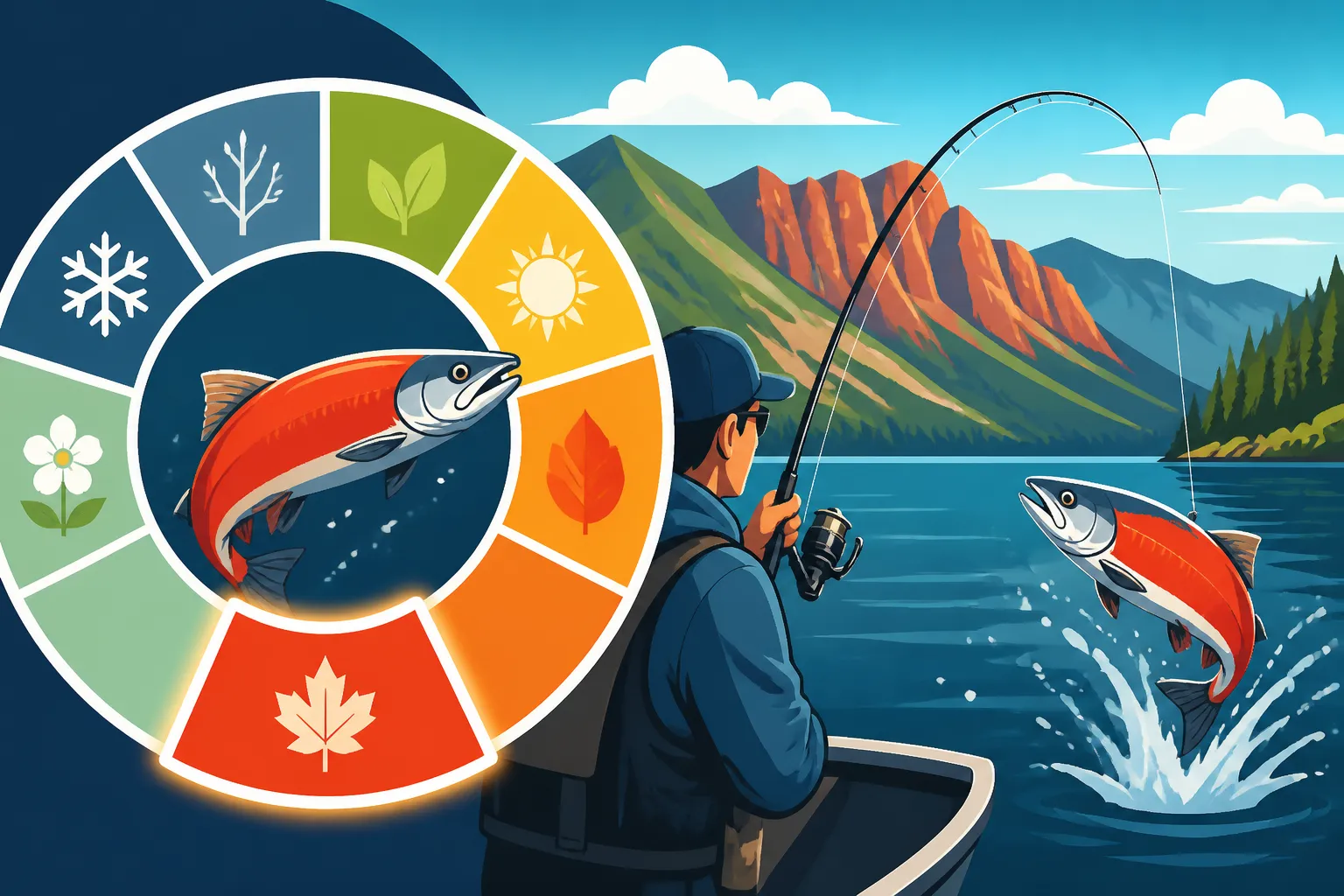
For many, late summer and early fall represent the absolute prime window for Kokanee fishing, primarily because of their annual spawning run. This is when the Kokanee, after years of growing and maturing in the depths, begin their migration towards tributary streams or shallow shoreline areas where they will lay their eggs. It's a fascinating, albeit bittersweet, time in their lives, as their entire purpose shifts to reproduction, and they will ultimately perish after this act.
The spawning run typically kicks off in August, intensifies through September, and can even extend into early October in some of Utah's higher-elevation or cooler reservoirs. During this period, Kokanee undergo a dramatic transformation. Their sleek, silver bodies turn a brilliant crimson red, their jaws become hooked, and their backs develop a noticeable hump. They become incredibly aggressive, not necessarily because they're feeding (they largely stop eating as they near spawning), but because they're defending their territory and instinctually responding to anything that invades their space. For anglers, this means they often become more concentrated in specific areas, making them easier to locate. However, it's worth noting that while they are plentiful and aggressive, targeting them during the absolute peak of the spawn can be a mixed bag. Some anglers find them less interested in traditional lures, while others capitalize on their territorial nature with specific techniques. Checking the most current Utah Fishing Season Dates and Limits is always a wise move to ensure you're in compliance with any special regulations during this sensitive period.
Pre-Spawn Frenzy: Loading Up Before the Deed
If the spawning run is the grand finale, then the pre-spawn period is the intense training montage leading up to it, and many seasoned Kokanee anglers actually consider July and early August to be the best months for catching quality, table-fare Kokanee. Why? Because during these weeks, the Kokanee are in absolute gorging mode. They are actively feeding with immense intensity, building up the fat reserves and energy they'll need for their demanding spawning journey.
At this time, Kokanee are still primarily found in the deeper, cooler sections of the reservoirs, often congregating in large schools. They're fat, healthy, and incredibly aggressive feeders. They're chasing down plankton and whatever else they can get their mouths on, and this makes them highly responsive to trolled lures and baits. Unlike the spawning fish, which can be hit-or-miss on the bite, pre-spawn Kokanee are usually willing to strike. This period offers excellent opportunities for both numbers of fish and quality specimens, as they haven't yet started their physical deterioration from the spawning process. It's the perfect time to employ your deep-water trolling strategies and dial in your gear to intercept these hungry fish.
Post-Spawn Challenges: The Disappearing Act
Once the Kokanee have successfully completed their spawning duties, their life cycle concludes. This means that from late fall through winter, the adult Kokanee population drastically declines. The vibrant red fish you saw in September will have perished, leaving behind their eggs to hatch and continue the cycle.
For anglers, this translates to a very challenging, if not entirely unproductive, fishing period for this particular species. You'll simply find very few, if any, mature Kokanee. The next generation of Kokanee, the fry, will begin to emerge in the spring, but they will be tiny and undetectable to anglers for quite some time. Therefore, while you might still be able to catch other species, the post-spawn months are generally not recommended for targeting Kokanee salmon. Understanding the Kokanee Salmon Life Cycle in Utah helps to illustrate why patience is key, and waiting for the next cycle is often the best approach.
Key Factors Influencing Kokanee Timing and Success
While we've established the general timeline, Kokanee fishing is rarely a "set it and forget it" endeavor. Several environmental factors play a huge role in fine-tuning the best months and even the best days to be out on the water. Paying attention to these nuances can elevate your success from occasional catches to consistently full stringers. It's all about understanding their preferences and how Mother Nature influences them.
Water Temperature and Depth: The Driving Forces
Kokanee salmon are intrinsically cold-water fish. They thrive in water temperatures ranging from the low 40s to the mid-50s Fahrenheit, with their ideal comfort zone typically hovering around 50-55°F. This preference is the primary driver of their depth throughout the year, making it an absolutely critical factor in locating them.
As surface waters warm up in late spring and summer, Kokanee are pushed deeper into the reservoir where the water remains cool and oxygenated. They'll seek out the thermocline, which is the layer in the water column where the temperature changes most rapidly. This thermal stratification creates a comfortable band of water for them. This means that during the pre-spawn months of July and August, you're often looking for them anywhere from 30 to 100 feet deep, sometimes even deeper, depending on the specific lake and the prevailing conditions. Without proper gear like a fish finder and downriggers, hitting these precise depths can be incredibly difficult. Conversely, as fall approaches and surface temperatures begin to drop, the thermocline weakens, and Kokanee might move shallower, especially as they begin their spawning migrations towards specific inlets or shoreline areas. Keeping a close eye on water temperature charts and paying attention to your fish finder's temperature gauge is key.
Reservoir Specifics: Not All Lakes Are Equal
While the general Kokanee calendar holds true, the exact timing and success rates can vary quite a bit from one Utah reservoir to another. Each body of water has its own unique characteristics, including depth, size, forage base, and specific Kokanee strains, all of which can influence when the "best" month truly is.
- Flaming Gorge Reservoir: This vast, deep reservoir on the Utah/Wyoming border is renowned for its trophy-sized Kokanee. Here, the pre-spawn bite in July and August can be absolutely phenomenal, with anglers often finding large schools of aggressive fish in the main channels. The spawning run tends to follow suit, with fish starting to show color and move shallower in late August and into September. If you're looking for an adventure, our Flaming Gorge Fishing Guide has more in-depth tips.
- Strawberry Reservoir: A true gem of Utah, Strawberry offers a robust Kokanee population. The pre-spawn period here, often July to mid-August, sees strong numbers of healthy fish. The spawning migration begins in late August and carries through September, with many fish entering the tributaries. For specific access points and strategies, check out our Strawberry Reservoir Fishing Guide.
- Jordanelle Reservoir: Located conveniently near the Wasatch Front, Jordanelle can provide excellent Kokanee action. Its Kokanee tend to follow a similar pattern, with July and August being prime for actively feeding fish in deeper waters. Understanding Jordanelle Reservoir Fishing Access points will be crucial for success here.
- Rockport Reservoir: Another popular option, Rockport typically sees its best Kokanee action for actively feeding fish in July and August, moving into its spawning phase in September. While smaller than some other reservoirs, it can be quite productive.
The key takeaway here is to not just rely on general advice but to research specific conditions and reports for the reservoir you plan to visit. Local bait shops, online forums, and the Utah Division of Wildlife Resources (DWR) stocking reports are invaluable resources for up-to-the-minute information.
Weather and Runoff: Unexpected Variables
Mother Nature has a way of throwing curveballs, and Kokanee fishing is no exception. While less impactful on the general monthly timing of their lifecycle, extreme weather patterns and spring runoff can certainly affect fish behavior and water conditions, subtly shifting those optimal fishing windows.
For instance, an unusually cold spring or a prolonged period of heavy snowmelt (runoff) can delay the warming of reservoir waters, which in turn might push back the Kokanee's summer feeding patterns or even slightly delay the onset of their spawning urge. Conversely, a scorching hot summer might cause surface waters to warm up faster and deeper than usual, driving the Kokanee to even greater depths earlier in the season. Heavy rains can also muddy up tributary streams, making them less appealing for spawning fish or making it harder for anglers to target them if they rely on sight fishing. High winds can make trolling precise depths a nightmare, scattering fish or making them less willing to bite. While you can't control the weather, being aware of these potential influences helps you adjust your expectations and strategies. Always check the forecast and recent conditions before heading out, especially during those shoulder months of June and October, where the shift can be more pronounced.
Techniques for Maximizing Your Kokanee Catch During Peak Months
Knowing when and where to find Kokanee is half the battle; the other half is knowing how to catch them. During those peak months, particularly the pre-spawn and early spawn periods, employing the right techniques and gear is paramount. Kokanee fishing is a specialized pursuit, and generic trout tactics often won't cut it. It requires a blend of precision, presentation, and persistence.
Trolling and Downrigging: The Go-To Strategy
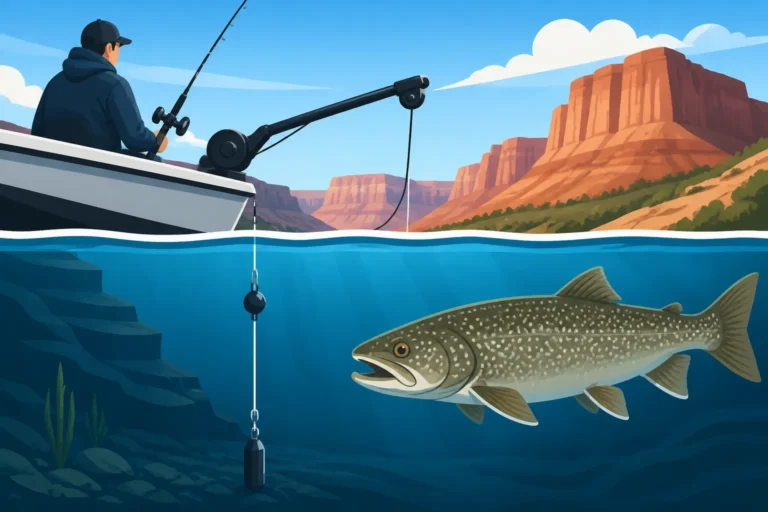
Without a doubt, trolling with downriggers is the most effective and widely used method for catching Kokanee in Utah's reservoirs, especially during the pre-spawn period in July and August. This technique allows you to present your lures precisely at the depth where Kokanee are holding, often deep in the water column.
- The Setup: A typical Kokanee trolling setup involves a stout rod (often 7-9 feet, moderate action), a line counter reel spooled with light monofilament or fluorocarbon (6-10 lb test), and a downrigger. The downrigger uses a heavy ball to take your line and lure down to a specific, measured depth, allowing you to bypass the upper water column and place your presentation right in front of the fish.
- Lures and Baits: Kokanee are attracted to a variety of small, flashy lures. Popular choices include:
- Wedding Rings and Hoochies: These are small, colorful skirts that often incorporate a spinner blade. They're typically tipped with a piece of corn, which adds scent and a visual attractant. You can find a vast selection of these on Amazon, often in multi-packs.
- Small Spoons: Brands like Dick Nite, Rocky Mountain Tackle, or Vance's Tackle spoons in bright colors (pink, orange, chartreuse) can be very effective.
- Dodgers and Flashers: These are larger, reflective blades that are tied in front of your lure. They don't have hooks but create an enticing flash and vibration in the water that mimics schooling baitfish, drawing Kokanee in from a distance. The choice of dodger size and color can be crucial, and experimenting is key.
- Scent is King: Kokanee are very scent-oriented. Always tip your lures with some form of bait, with dyed shoepeg corn being the most popular choice. Commercial scents like Pro-Cure or Mike's Liquid Bait Scent can also be applied directly to your lure or corn for an added edge.
- Speed and Depth: What Trolling Speed Works Best for Kokanee Salmon? is a common question, and generally, a slow troll (0.8 to 1.5 mph) is effective. However, experiment! Sometimes a slight speed change can trigger bites. Matching your downrigger depth to where your fish finder is marking schools of fish is absolutely critical. For more specifics, our guide on How to Troll for Kokanee in Utah breaks down the nuances.
Jigging and Still Fishing: When They're Shallow
While trolling dominates the deep-water game, jigging and still fishing can become viable options, particularly during the spawning run in late August and September when Kokanee move into shallower waters or cluster in specific areas.
- Jigging: When Kokanee are concentrated near shore, around inlets, or staging over specific underwater features, vertical jigging can be deadly. Small, flashy jigs like Crippled Herrings, Kastmasters, or even specialized Kokanee jigs can be lowered to the desired depth and jigged with short, sharp lifts and drops. Tipping these jigs with a kernel of corn can enhance their appeal. This method is often employed from a boat that is anchored or slowly drifting, but during the peak of the run, can even be done from shore in certain spots where the fish are tight to cover or structure.
- Still Fishing: In very specific situations, often in tributary mouths or shallow bays where Kokanee are actively milling about for spawning, still fishing with a small jig or bait under a bobber can work. This is less common but can be effective for anglers targeting fish in very specific, shallow zones. The key here is stealth and being in the right place at the right time. Keep an eye on local regulations, as some areas may have restrictions on snagging or targeting spawning fish.
For beginners, starting with a basic spinning rod setup and learning Utah Fishing Techniques for Beginners can lay the groundwork before diving into more specialized Kokanee gear. Don't forget to pack a diverse selection of lures; having a Best Lures for a Utah Tackle Box at the ready will certainly pay off.
Reading the Signs: What to Look For
Becoming a successful Kokanee angler involves more than just technique; it's also about keen observation and understanding the subtle clues the fish provide. Learning How to Tell When Kokanee Are Staging to Spawn is an invaluable skill that can give you a significant advantage.
- Fish Finder Intelligence: Your fish finder is your best friend. Look for dense, arched schools of fish in the mid-to-lower water column. Kokanee often school tightly. Pay attention to the depths where you're marking fish, as this will dictate your downrigger settings. Some high-end fish finders available on Amazon can even help identify thermoclines or show bait balls that Kokanee might be feeding on.
- Surface Activity (Rare but telling): While less common for Kokanee than for other species, very occasionally, you might see them "boiling" on the surface if they're chasing bait or are extremely agitated. If you see this, cast a small spoon or jig into the commotion.
- Physical Changes: During the spawning run, the most obvious sign is the visual transformation of the fish. Seeing red-colored Kokanee in the shallows or near stream inlets is a dead giveaway that the spawn is on. While beautiful to witness, remember that these fish are at the end of their lives and are often focused purely on reproduction.
- Bird Activity: Keep an eye on diving birds, especially gulls. They often key in on baitfish or even smaller Kokanee, which can indicate where the larger fish might be lurking below.
No matter the month, having reliable Utah Fishing Gear Guide essentials, from a good net to a cooler for keeping your catch fresh, will ensure your trip is both comfortable and productive.
Optimal Kokanee Fishing by Month & Reservoir
| Reservoir | Best Months (Actively Feeding/Pre-Spawn) | Best Months (Spawning Run/Aggressive) | Key Depth Range (Feeding) | Primary Technique |
|---|---|---|---|---|
| Flaming Gorge | July – Mid-August | Late August – September | 40-100+ feet | Trolling (Downriggers) |
| Strawberry Reservoir | July – Mid-August | Late August – September | 30-80 feet | Trolling (Downriggers) |
| Jordanelle Reservoir | July – August | Late August – September | 25-70 feet | Trolling (Downriggers) |
| Rockport Reservoir | July – August | September | 20-60 feet | Trolling (Downriggers) |
Note: "Actively Feeding" refers to prime time for high-quality, eating fish. "Spawning Run" refers to when fish are highly visible and aggressive due to reproductive instincts, often turning red, and may be less focused on feeding.
Disclaimer
The information provided in this guide is for general informational purposes only and is not intended as legal advice regarding Utah fishing regulations. Fishing rules, limits, and seasons are subject to change. Always consult the most current Utah Fishing Guidebook published by the Utah Division of Wildlife Resources (DWR) before heading out to fish. Adherence to all local and state regulations is the angler's responsibility.