How Soon After Stocking Should You Fish a Utah Pond?
You've seen the Utah Division of Wildlife Resources (DWR) stocking truck pull up, watched the eager fish slosh into your local community pond, and now you're wondering: how quickly can I get my line in the water? It's a common dilemma for anglers, especially those just starting out or taking their kids fishing, because you want to maximize your chances of success. This guide will dive deep into the fascinating dynamics of freshly stocked fish, helping you understand when they're most likely to bite and what strategies will serve you best.
The Initial Shock and Adaptation Period for Stocked Fish
Imagine being gently scooped from your comfortable home, driven for hours in a vibrating tank, and then suddenly released into a brand new, much larger swimming pool. That's essentially what a stocked trout goes through. It's a significant event that impacts their behavior in the immediate aftermath, influencing when and how they'll respond to your offerings.
The Stress of Transport and New Environments
When fish are transported from a hatchery to a public pond, they undergo considerable stress. The journey itself can be bumpy and disorienting, and the change in water temperature, chemistry, and environment is a shock to their systems. Think about how you feel after a long, exhausting trip – you're probably not in the mood for a gourmet meal or a high-energy activity right away. Fish experience a similar disorientation. They need a moment to acclimate, to find shelter, and to adjust to the new surroundings. This initial shock can sometimes make them hesitant to feed, especially if the new environment feels unfamiliar or threatening. They might seek out the deepest parts of the pond or hide among any available structure.
The "Immediate Bite" Window
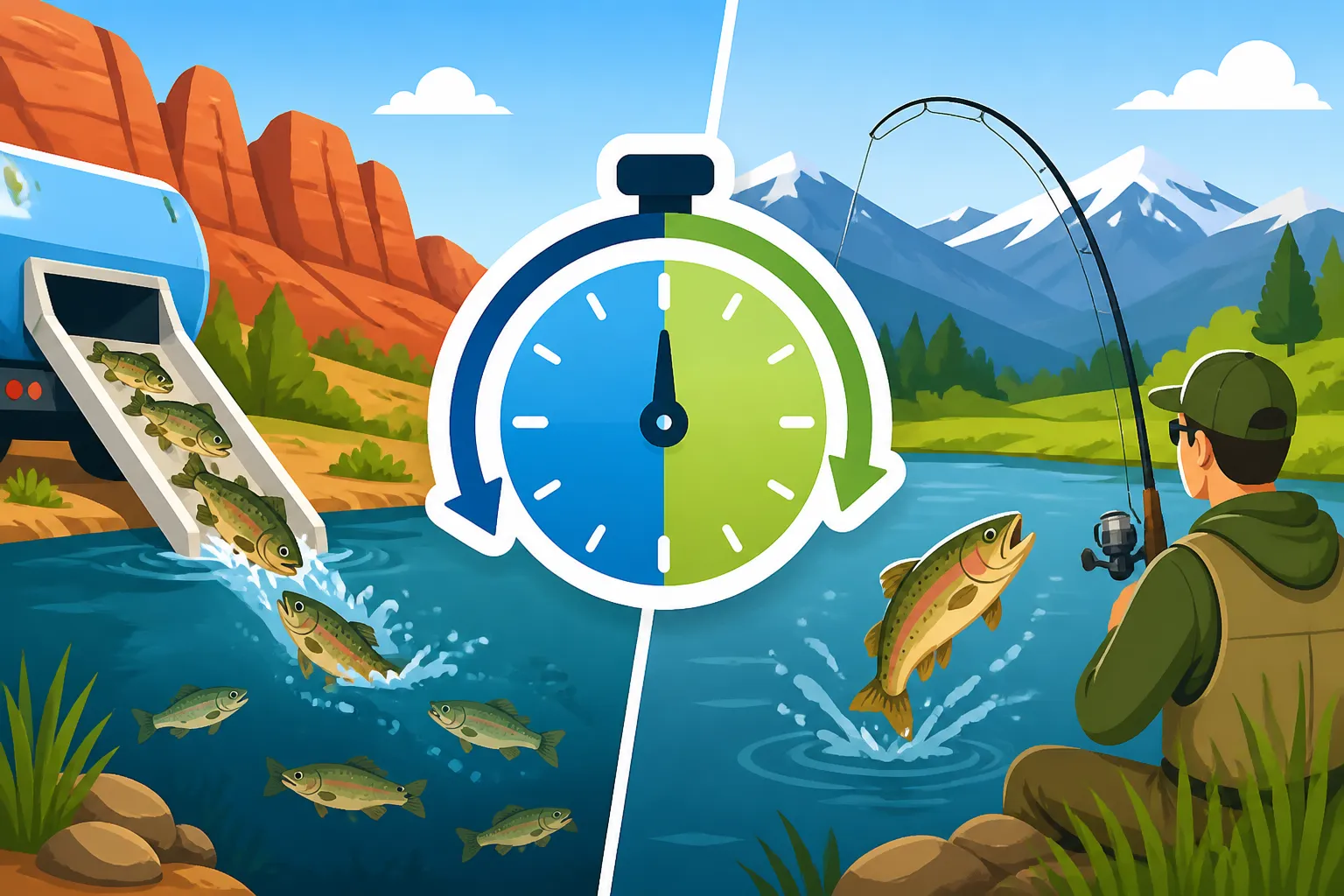
Despite the stress, there's often a magical "immediate bite" window right after stocking, and it's a phenomenon many anglers try to capitalize on. Why does this happen? Well, these fish have been living in a hatchery environment where food is provided consistently and competition is high. They're programmed to eat when food is available. Once they hit the new water, that innate feeding drive, coupled with potential hunger from the journey, can override their initial apprehension. They might not be actively "hunting" as a wild fish would; rather, they're opportunistically grabbing anything that looks remotely like food. This is often why simple, easy-to-spot baits like PowerBait work so well in the first few hours. They haven't yet learned the subtle cues of the new pond's natural prey or become wary of artificial presentations. Many anglers who consult How to Find Recent Stocking Reports for Utah Waters make a beeline for the pond right after the truck leaves for this very reason.
Factors Influencing When Stocked Fish Bite Best
The "when" for catching stocked fish isn't a one-size-fits-all answer. Several factors play a crucial role, from the weather to the type of fish itself. Understanding these can significantly improve your timing and tactics.
Water Temperature and Season
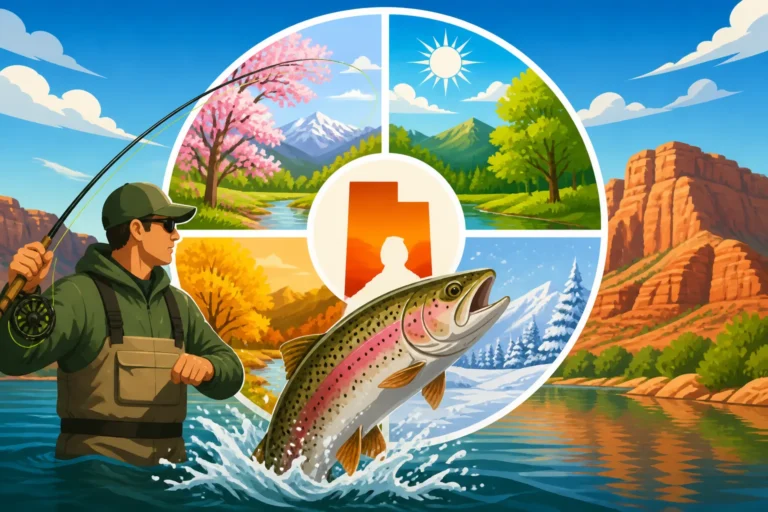
Water temperature is one of the most critical factors influencing fish activity. In colder water, typically during late fall, winter, or early spring in Utah, fish are often more lethargic. Their metabolism slows down, and they don't need to feed as frequently or aggressively. This means that while they might still bite right after stocking due to hunger, that immediate window might be shorter, and the bites more subtle. Conversely, in warmer summer waters, fish metabolism is higher, and they need to eat more. However, excessively warm water can also stress trout, making them seek deeper, cooler pockets if available. This is where knowing How Water Temperature Affects Utah Trout Fishing can give you an edge. The season dictates not just the water temperature, but also the overall activity level of both the fish and other aquatic life they might eventually feed on.
Species and Size of Stocked Fish
While stocked ponds in Utah are predominantly filled with rainbow trout, different species react differently to stocking. For instance, if warm water species like catfish or bass were being stocked (though less common in small community ponds immediately after stocking), their reaction would vary. Even within trout, a very small "pan-sized" trout might be less wary than a slightly larger one. The size of the fish also dictates their immediate caloric needs. Smaller fish might be more inclined to grab any easy meal, while larger, older stocked fish might show a bit more caution or discrimination. Most community ponds receive trout of a fairly consistent, catchable size, often around the Average Size of a Stocked Utah Trout that's perfect for a family outing.
Fishing Pressure and Habitat
A freshly stocked pond, especially one listed on the DWR's stocking schedule, can quickly become a hive of activity, with many anglers eager to catch their limit. This intense fishing pressure can cause fish to become "hook shy" very quickly. While they might bite aggressively for the first hour or two, constant lines hitting the water, loud noises, and multiple fish being caught and handled can make them wary. They might retreat to deeper water or areas with more cover. The available habitat in the pond also plays a role. Ponds with plenty of submerged structure, weeds, or deeper areas offer places for fish to hide and feel secure, which might mean they disperse more quickly rather than staying in a tight school near the stocking point. Knowing the layout of your local Utah Community Pond Fishing Spots can be key.
Strategies for Fishing Freshly Stocked Ponds
So, with all these variables in mind, what's the best approach? Should you race to the pond or wait it out? There are valid arguments for both, and often, the most successful anglers employ a mix of strategies.
The "Stocking Day Blitz" Strategy
Many experienced anglers and families with kids swear by getting to the pond as soon as possible after a stocking truck departs. The rationale is simple: fish are stressed, confused, and often hungry, and they haven't yet learned to associate anglers with danger. This is the prime time for a "feeding frenzy" where they might hit almost anything that moves or smells edible. If you're there right when the fish are released, you can often pick up several fish quickly.
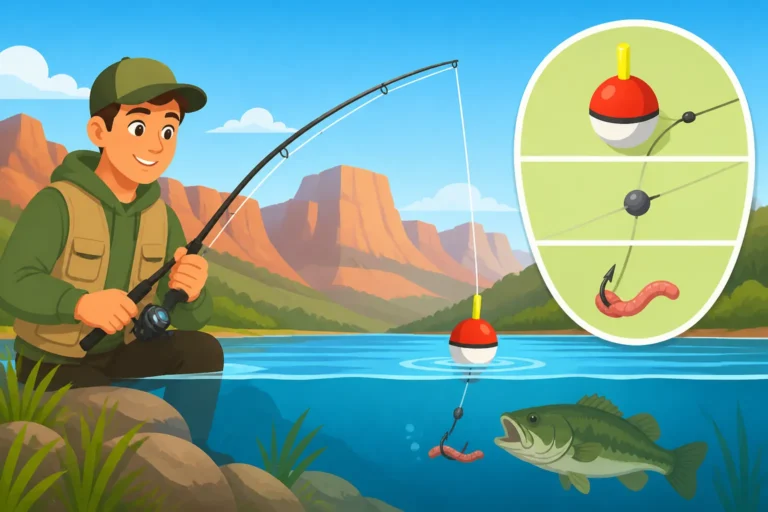
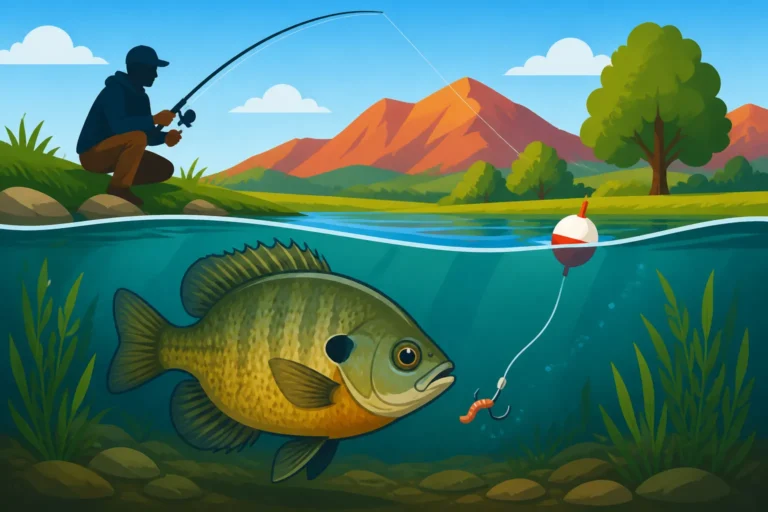
The key to this strategy is being prepared. Have your gear ready, know where the fish are likely to be released, and be ready to cast. Standard baits like PowerBait, corn, or small worms are incredibly effective during this period. For new anglers, this can be an incredibly rewarding experience, as it often leads to quick bites and a boost of confidence. This method works especially well for those interested in Best Beginner-Friendly Technique for Utah Trout or simply want a fun, active fishing experience. You'll see a lot of success with simple bobber and bait rigs, as described in How to Fish With Bobber and Bait for Beginners.
Patience and Persistence: Waiting a Day or Two
While the immediate blitz can be exciting, sometimes waiting a day or two after stocking can actually lead to better quality fishing, especially if you prefer more natural presentations or if the initial crowds are overwhelming. By waiting, you allow the fish to acclimate more fully to their new environment. They'll start to explore the pond, find natural food sources (if any), and settle into new patterns. The initial chaos of multiple lines and excited anglers will have subsided, reducing the overall fishing pressure.
During this period, the fish might become a bit more selective, but they'll also be more spread out and potentially less stressed. You might find success with small lures like Kastmasters or Rooster Tails, or even subtle fly patterns if you're inclined. The fish may have moved away from the initial stocking point, so exploring different areas of the pond, especially those with some cover or structure, can be beneficial. This approach requires a bit more patience but can yield a more thoughtful and less frantic fishing experience.
Gear and Techniques for Stocked Pond Success
Regardless of when you decide to hit the pond, having the right gear and knowing a few effective techniques will vastly improve your chances. You don't need fancy, expensive equipment to catch stocked trout.
Essential Gear for Community Ponds
For most community ponds in Utah, a simple light to medium-light spinning rod and reel combo is perfect. This setup is versatile enough for casting light baits and lures and sensitive enough to detect the often subtle bites of stocked trout. You might pick up a starter rod and reel combo from a local shop or even What Gear Does a First-Time Utah Angler Need? from a site like Amazon.
Here's a quick checklist of essentials:
- Rod and Reel: A 5-7 foot spinning rod with a matching reel spooled with 4-6 lb monofilament line.
- Terminal Tackle: A small tackle box with a variety of hooks (size 8-12 is often good, see What Size Hook Should You Use for Utah Stocked Trout?), split shot weights, and a few small bobbers.
- Net: A small landing net is incredibly helpful for safely landing fish, especially if you plan to release some.
- Pliers/Forceps: For easy and safe hook removal.
- Cooler with Ice: If you plan to keep your catch.
- Sun Protection: Hat, sunglasses (a good pair of polarized sunglasses, easily found on Amazon, can help you spot cruising fish), and sunscreen.
Effective Baits and Lures
Stocked trout are often accustomed to pellet food from the hatchery, which is why dough baits and powerbaits are incredibly effective.
- PowerBait: This is arguably the most popular and effective bait for stocked trout. It floats, allowing you to present it just off the bottom, and comes in a myriad of colors and scents. For tips on deployment, check out How to Fish PowerBait for Stocked Trout. Knowing What Color PowerBait Works Best in Utah Reservoirs? can also give you an advantage.
- Worms: Classic nightcrawlers or mealworms are always a reliable choice.
- Corn: A few kernels of canned corn on a small hook can be surprisingly effective, mimicking the pellet food they're used to.
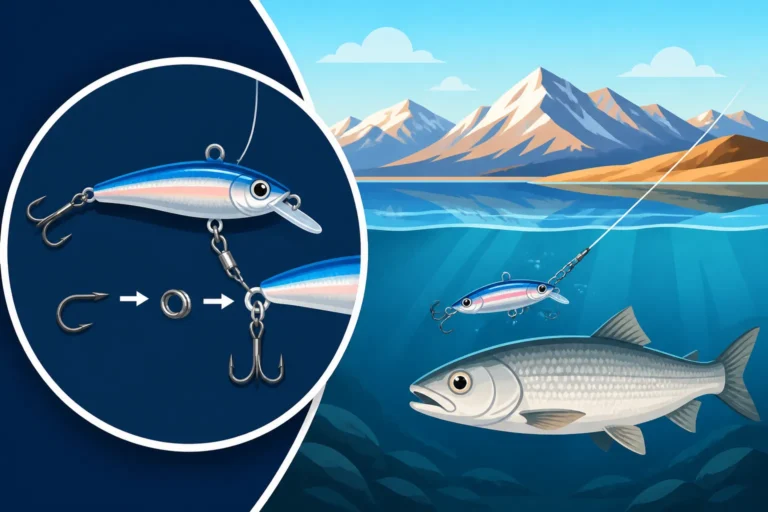
- Small Spinners and Spoons: Lures like Panther Martins, Mepps Spinners, or Kastmasters in small sizes (1/16 to 1/8 oz) can be deadly, especially once the initial feeding frenzy subsides and fish become a bit more active.
- Small Jigs: Tiny jigs tipped with a piece of worm or PowerBait can also be very effective, especially retrieved slowly along the bottom.
Many of these essential baits and lures can be easily found at local tackle shops or ordered online through retailers like Amazon, ensuring you're ready for your next outing.
When to Fish After Stocking: A Quick Comparison
To help you decide, here's a general overview of the pros and cons of fishing immediately after stocking versus waiting a short while.
| Factor | Immediately After Stocking (0-6 hours) | 1-3 Days After Stocking |
|---|---|---|
| Fish Behavior | Disoriented, stressed, potentially aggressive opportunistic feeding. | Acclimating, settling in, may be more wary but also actively searching for food. |
| Catch Rate Potential | Very high, often a "numbers game" with quick bites. | Good, can be more consistent, though perhaps fewer fish in a shorter time. |
| Angler Crowds | Typically very high, especially at popular spots like Utah Community Pond Fishing Spots. | Generally lower, as initial rush subsides. |
| Bait/Lure Success | PowerBait, worms, corn, simple jigs. | PowerBait, worms, corn, small spinners, spoons, sometimes small flies. |
| Experience Type | Fast-paced, exciting, great for kids or new anglers. | More relaxed, strategic, allows for exploring different techniques. |
| Fish Wariness | Low initially, but increases rapidly with pressure. | Moderate, fish have started to learn their environment and associate anglers with threat. |
Ultimately, the best time to fish after a Utah pond stocking often depends on your personal preferences and what kind of fishing experience you're seeking. If you want action and high numbers, getting there soon after the truck leaves is a solid bet. If you prefer a more peaceful experience and don't mind a slightly more challenging bite, giving the fish a day or two to settle in can be just as rewarding. The most important thing is to get out there, enjoy the beautiful Utah scenery, and have fun!
Disclaimer
This article is for general informational purposes only and does not constitute professional advice. Laws, prices and regulations vary by location and change over time. Consult a qualified professional for guidance on your specific situation.