How to Fish a Utah Community Pond After a Stocking Truck Visit
There's nothing quite like the buzz that goes through a Utah community when the fish stocking truck has just paid a visit. You see the social media posts, you hear the whispers at the local hardware store, and suddenly, everyone's got that hopeful gleam in their eye. But here’s the thing many new (and even seasoned!) anglers quickly discover: just because the fish are there doesn't mean they're lining up to jump on your hook. Fishing a newly stocked pond can be incredibly rewarding, but it often requires a specific approach different from targeting wild fish. This guide is all about helping you understand how to maximize your chances of success and truly enjoy your time on the water after a Utah community pond has been freshly stocked.
Understanding Stocked Trout Behavior After Being Planted
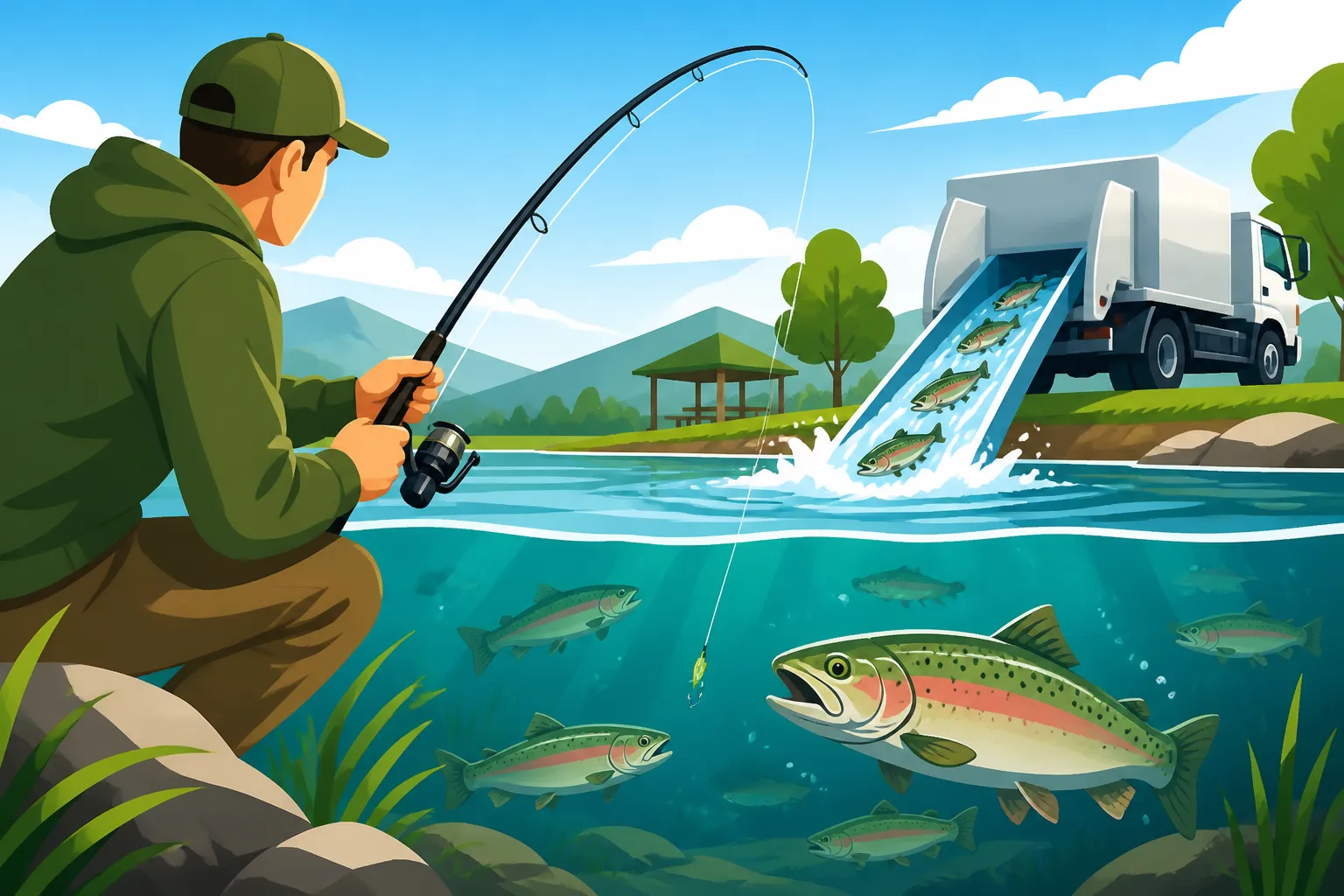
When those hatchery trucks pull up to your local pond, it's an exciting moment, but it's also a jarring experience for the fish. Imagine being scooped out of a controlled environment, driven for hours, and then unceremoniously dumped into a completely new home. It’s no wonder they don't always start biting immediately! Their initial behavior can be a bit unpredictable, and understanding this is key to getting them to cooperate.
The Initial Shock and Adaptation Period
Right after stocking, trout are often in a state of shock. They’ve been transported, handled, and released into unfamiliar surroundings. This can cause them to be lethargic, disoriented, and hesitant to feed. They might huddle together in deeper, darker areas of the pond, seeking security, or they might cruise the edges, trying to figure out their new geography. Don’t expect them to be aggressively chasing lures the moment they hit the water. This initial period, which can last from a few hours to a day or so, is often about survival and acclimatization rather than feeding. Patience during this window is a virtue, and sometimes, letting the pond rest for a short while after the trucks leave can actually improve your chances.
Changes in Diet and Instincts
Hatchery-raised trout are accustomed to a very specific diet: fish pellets. They don't have the same natural foraging instincts as wild trout, which means they might not immediately recognize natural insects or traditional lures as food. This is a crucial distinction. While wild trout often respond to flies mimicking aquatic insects or lures that imitate baitfish, stocked trout might ignore these at first because they haven't learned to associate them with sustenance. Their primary feeding trigger is often visual and olfactory cues similar to their hatchery food, which is why certain prepared baits become so effective. They're programmed to eat what they know, and it takes time for them to adapt to a natural food source or a new type of lure.
Why They Often Stick to the Edges and Bottom
After the initial shock, stocked trout often start to explore. Many will hug the shoreline or congregate near the bottom, especially in areas with some cover like submerged vegetation, rocks, or even under a dock. These spots offer a sense of security and protection from predators (both avian and human). They might also be drawn to the cooler water found deeper down, especially if the surface water is warm. This behavior means that targeting these specific areas with your bait or lure is often more productive than casting blindly into the middle of the pond. Sometimes, they’ll even patrol the shallower banks, looking for easy meals, especially if the pond has recently received a large number of fish, creating competition.
Prime Time for Post-Stocking Success
Timing, as with so many things in life, is everything when it comes to fishing newly stocked community ponds. Knowing when to cast your line can be the difference between a full stringer and an empty bucket. It's not always about being the absolute first one there, though sometimes that helps, but more about understanding the fish's adjustment cycle.
The "Golden Window" After Stocking
Many experienced anglers talk about a "golden window" for fishing after a stocking event, and it's a real phenomenon. This window typically opens a few hours after the fish have been introduced, once they've had a little time to recover from the stress of transport and release. It can last for a day or two, sometimes even longer if fishing pressure isn't too high. During this time, the trout are still relatively unpressured and haven't fully acclimated to the wild world, making them more susceptible to easily available food sources. They haven't learned to be wary of hooks yet, and their hatchery-instinct to feed on pellets makes them eager for anything resembling a meal. This is often when brightly colored power baits or small, slow-moving lures shine, as they mimic the appearance and scent of their former diet.
The Impact of Fishing Pressure
Unfortunately, word travels fast in Utah's angling community, and stocked ponds can quickly become popular destinations. High fishing pressure can cause trout to become "spooked" very quickly. If too many lines hit the water, or too many people are stomping along the bank, the fish will become skittish and stop biting. They'll learn to associate human presence with danger. After a day or two of heavy fishing, even freshly stocked trout can become much more challenging to catch. This is why hitting the pond during off-peak hours (early mornings, late evenings, or even mid-week if possible) after a stocking can be highly advantageous. You'll often find more success when the pond is quieter and the fish are less stressed. This is also where understanding topics like Best Time of Day to Fish for Utah Trout can come in handy.
Weather Conditions and Their Influence
Just like wild fish, stocked trout are influenced by weather. Overcast days with light rain or a gentle breeze can sometimes be ideal. The clouds diffuse the light, making fish feel more secure, and the chop on the water surface can break up their silhouettes, making them less visible to predators (and anglers!). Heavy winds, bright sun, or sudden temperature drops can put fish off the bite. Extremely cold or hot temperatures can also make them less active. For example, in the scorching Utah summer, newly stocked trout will often retreat to deeper, cooler water, making them harder to reach from shore. Always check the forecast before you head out, and be prepared to adjust your strategy based on what Mother Nature throws your way.
Best Baits and Techniques for Freshly Stocked Trout
When it comes to newly stocked trout, you almost want to "unlearn" some of what you know about fishing for wild, finicky trout. These fish are often looking for an easy, familiar meal, and that usually means baits that resemble their hatchery food. However, as they acclimate, other options can become very effective too.
PowerBait and Similar Prepared Baits
Without a doubt, PowerBait (and other brands of scented, moldable baits like Pautzke's Bait) are the absolute kings for freshly stocked trout in Utah community ponds. Why? Because they're designed to mimic the smell, taste, and often the consistency of the pellets these fish grew up on. PowerBait comes in a dizzying array of colors, from neon green to rainbow, and various scents like garlic or cheese.
To use it effectively, you typically form a small ball around a tiny treble hook or a single hook, ensuring the hook point is hidden. The key is to make it buoyant enough to float up off the bottom, putting it right in the fish's strike zone. A small split shot weight or a sliding sinker placed a foot or two above the hook will keep your bait anchored while the PowerBait floats naturally. This presentation is crucial because many stocked trout will be cruising just above the bottom. For a more in-depth look, check out How to Fish PowerBait for Stocked Trout.
Worms, Corn, and Other Natural Baits
While PowerBait often gets the first bite, don't underestimate classic natural baits. Nightcrawlers or garden worms are universally appealing to fish, and trout are no exception. They offer natural movement and scent that can entice even a hesitant fish. You can fish worms whole on a small hook, or pinch off smaller pieces if the trout are finicky. Another surprisingly effective bait for stocked trout is canned corn. Yes, the same stuff you eat for dinner! It's bright, offers a distinct smell, and the individual kernels are small enough for trout mouths. It's often best used in conjunction with a small hook, fished just off the bottom. Remember, using small hooks is key for these often smaller, hatchery-raised trout. For details on hook sizing, you might find What Size Hook Should You Use for Utah Stocked Trout? helpful.
Small Lures and Flies
As stocked trout begin to acclimate and their natural instincts kick in, they'll start to respond more to lures. Small inline spinners (like Rooster Tails or Mepps) in sizes #0 to #2 are incredibly effective. Their flash and vibration mimic small baitfish or insects, triggering a predatory response. Small spoons, like Kastmasters or Daredevils, also work well, especially if you can cast them a good distance and retrieve them with a jigging motion. For the fly angler, while many stocked trout won't immediately hit a meticulously tied dry fly, a simple Woolly Bugger or a small, flashy nymph can often provoke a strike, especially if retrieved slowly. These lures and flies work best once the initial "shock" period is over and the trout have started to explore and hunt more actively.
Essential Gear for Community Pond Fishing
You don't need a boatload of expensive gear to have a fantastic time fishing Utah's community ponds, especially after a stocking. In fact, keeping it simple and efficient is often the best approach.
The Right Rod and Reel Setup
For community pond fishing, a lightweight spinning rod and reel combo is perfect. A rod in the 5'6" to 6'6" range with a light to medium-light action will allow you to cast small baits and lures effectively while still having enough backbone to handle a feisty trout. Pair this with a small spinning reel spooled with 4 to 6-pound monofilament or fluorocarbon line. This setup is incredibly versatile and easy for anglers of all skill levels, from beginners to more experienced folks, to handle. You can find excellent, affordable starter combos that will serve you well for years. For more guidance on this, consider reading Best Rod and Reel Combo for Beginners. Many anglers choose to use a simple "trout rig" that consists of a small hook, a few split shot weights, and a bobber. You can pick up a reliable, budget-friendly setup at your local sporting goods store or easily online through retailers like Amazon.
Terminal Tackle Must-Haves
"Terminal tackle" refers to everything at the end of your fishing line. For stocked trout, you'll want to keep it simple but effective:
- Hooks: Small hooks are essential. Size 8 to 12 single hooks are perfect for PowerBait, worms, or corn. Some anglers prefer small treble hooks for PowerBait as they tend to hold the bait better.
- Weights: A selection of small split shot weights (sizes BB to 7) will allow you to adjust your depth and casting distance.
- Bobbers/Floats: Small clip-on bobbers or slip floats are excellent for suspending your bait at a specific depth, which is often crucial for stocked trout that might be cruising a few feet off the bottom.
- Swivels: Small barrel swivels can help prevent line twist, especially if you're using spinners.
Having a small tackle box or a simple pouch with these items will ensure you're ready for any situation.
Other Handy Accessories
Beyond the basics, a few other items can make your community pond fishing trip more enjoyable and successful:
- A Small Net: A small, soft-mesh landing net is invaluable for safely landing trout, especially if you plan to practice catch-and-release. It minimizes stress on the fish and prevents them from flopping around on the bank. If you're wondering How to Release a Fish Without Hurting It in Utah, a net is a great first step.
- Pliers/Forceps: These are essential for safely removing hooks from a fish's mouth, especially if it's swallowed the hook deeply.
- Stringer or Cooler: If you plan to keep your catch (and remember to check Utah Daily Bag and Possession Limits), a fish stringer to keep them alive in the water or a small cooler with ice will keep your fish fresh until you can clean them. For tips on cleaning, see How to Fillet a Trout After Keeping Your Limit.
- Chair or Blanket: Comfort is key! Many community ponds have benches, but a portable chair can make a long session much more pleasant.
- Sunscreen and Hat: Protect yourself from the Utah sun, even on overcast days.
- Water and Snacks: Stay hydrated and energized!
Remember, having a valid Utah Fishing License Guide is always the first and most important piece of "gear" you need, even for community ponds. Don't forget to check the specific rules for youth; for example, Do Kids Under 12 Need a Fishing License in Utah? is a common question.
Strategic Pond Positioning and Approach
It's not just about what bait you use; it's also about where you cast your line and how you approach the water. Community ponds, while often simple in design, still have features that attract fish.
Reading the Water: Where Fish Hide
Even in a relatively small community pond, trout will seek out structure and changes in depth. Look for areas where the bottom drops off, indicated by darker water. Fish love edges – the edge of a weed line, the drop-off near a bank, or the transition from shallow to deeper water. Docks, culverts, submerged trees, or even large rocks can provide cover and ambush points. Trout will often hold tight to these features, feeling secure and waiting for food to come by. Pay close attention to inlets (where water flows in) or outlets (where water flows out), as these areas often have slightly different water temperatures or currents that can attract fish. Sometimes, just observing where other anglers are catching fish can give you a clue, but don't be afraid to explore different spots yourself.
Casting Strategies for Stocked Fish
When fishing a newly stocked pond, precision casting isn't always as critical as it is for wild trout, but getting your bait into the right zone definitely is. If you're using PowerBait or worms on a bobber, cast it out and let it drift naturally. Vary your depth until you find where the fish are holding – sometimes they're near the surface, other times they're a few feet down, or right on the bottom. For lures, try a fan-casting approach: cast to different spots in a fan pattern around your position, working the lure back at various speeds until you get a strike.
A key for stocked trout is sometimes a slower retrieve. They're often less aggressive than wild fish and might prefer a lure that wobbles slowly rather than zipping by. If you're fishing near cover, try casting past the cover and retrieving your lure through it, or dropping your bait right alongside it. Remember, these fish are often just trying to get their bearings, so an easy meal presented close by is often irresistible.
Minimizing Disturbance and Being Patient
Community ponds, by their very nature, are often heavily trafficked. But even with people around, you can still minimize your impact. Approach the water quietly, avoid stomping heavily on the bank, and keep loud conversations to a minimum. Fish can feel vibrations and hear sounds surprisingly well through the water. If you see fish cruising near the bank, a sudden movement can send them darting for cover.
Most importantly, practice patience. Even with freshly stocked fish, there will be lulls in the action. Don't get discouraged if you don't get a bite on your first few casts. Try switching baits, adjusting your depth, or moving to a different spot around the pond. Sometimes, simply waiting for the fish to become more active is all it takes. Fishing is called "fishing," not "catching," for a reason, but with newly stocked trout, your odds are definitely higher if you stick with it. Learning How to Teach a Kid to Fish in Utah often starts with patience and persistence!
Common Mistakes to Avoid and Pro Tips
Even with the "easy" nature of freshly stocked trout, there are still common pitfalls to avoid and some pro tips that can give you an edge.
Overlooking Regulations and License Requirements
This is probably the biggest and most overlooked mistake, especially for those new to fishing or visiting from out of state. Every angler, regardless of age, needs to be aware of the rules. In Utah, almost everyone over a certain age needs a valid fishing license. This includes adults and often teenagers. Even for community ponds, daily bag and possession limits apply. You can't just keep every fish you catch. Ignoring these rules can lead to hefty fines and a ruined day on the water. Before you even pack your gear, make sure you understand the Utah Fishing Regulations Explained and have your Utah Fishing License Online Purchase Process completed. A quick check of the Utah Division of Wildlife Resources (DWR) website for the specific pond you're visiting can save you a lot of trouble.
Using Overly Large or Heavy Tackle
A common rookie mistake when fishing for trout, especially stocked ones, is using gear that's too big. A heavy rod, thick line, and large hooks are intimidating to smaller trout and can make your bait presentation unnatural. Remember, most stocked trout in community ponds are not massive trophy fish; they're often pan-sized. Opt for light tackle, as discussed earlier. Fine line (4-6 lb test), small hooks (size 8-12), and small weights will be less visible to the fish and allow your bait to behave more naturally, increasing your chances of a bite. Think finesse, not brute force.
Not Varying Your Approach
It's easy to fall into the trap of doing the same thing over and over, especially if it worked once. But if the fish aren't biting, stubbornly sticking to one bait or one spot is a recipe for frustration. Vary your approach!
- Change your bait: If PowerBait isn't working, try a worm. If worms aren't working, try a small spinner.
- Adjust your depth: Are you fishing on the bottom? Try suspending your bait a few feet up with a bobber. Are you fishing shallow? Try a deeper spot.
- Move around: Don't be afraid to walk the banks of the pond and try different locations. What might be barren in one spot could be teeming with fish just 50 yards away.
A good angler is constantly experimenting and adapting, trying to figure out what the fish want that day.
Pro Tip: Check Stocking Reports and Follow Local Forums
One of the best ways to predict success is to know when a pond was stocked. The Utah Division of Wildlife Resources (DWR) often publishes stocking reports on their website, detailing which ponds were stocked, when, and with what species. Keeping an eye on these reports is like getting an insider tip. Additionally, joining local Utah fishing forums or Facebook groups can provide real-time updates and anecdotal evidence from other anglers about recent stockings and what's biting. Just remember that what works for one angler might not work for another, but these resources can certainly point you in the right direction and get you to the action faster.
Table of Common Baits/Lures for Stocked Trout
Here's a quick comparison of some popular options you might consider for your next stocked pond visit:
| Bait/Lure Type | Best Use Case | Pros | Cons |
|---|---|---|---|
| PowerBait | Immediately after stocking; fish in shock | Familiar scent/taste; floats off bottom; many colors | Can be messy; doesn't offer natural movement |
| Nightcrawlers/Worms | Acclimating fish; natural presentation | Universal appeal; natural movement; good scent | Can be messy; requires bait cooler; might be ignored initially |
| Canned Corn | Finicky fish; visual appeal | Bright color; distinct smell; small size for trout mouths | No movement; less durable on hook; can be picked off easily |
| Small Inline Spinners | Acclimating/active fish; predatory instincts | Flash and vibration; covers water quickly; very effective | Might be ignored by very newly stocked fish; can cause line twist |
| Small Spoons | Covering distance; deeper water; active fish | Excellent casting distance; erratic action; mimics baitfish | Less effective if fish are shy; can snag on bottom |
| Woolly Bugger (Fly) | Acclimating fish; fly-fishing enthusiasts | Mimics various prey; natural movement; versatile retrieve | Requires fly fishing gear; less effective for very passive fish |
Disclaimer
This article is for general informational purposes only and does not constitute professional advice. Laws, prices and regulations vary by location and change over time. Consult a qualified professional for guidance on your specific situation.