Best Waders for Utah River Fishing
There’s almost nothing worse than the biting cold of a Utah mountain river seeping through inadequate gear, leaving your legs and feet numb and your entire body shivering. It’s a sure-fire way to cut a promising fishing trip short, turning what should be a peaceful day on the water into a miserable ordeal. This guide is dedicated to helping you navigate the sometimes overwhelming world of fishing waders, ensuring you pick the perfect pair to stay dry, warm, and comfortable, no matter which beautiful Utah river you decide to explore.
Why Quality Waders are Indispensable for Utah River Fishing
If you’ve ever tried to fish Utah's stunning rivers like the Provo or the Green without proper waders, you know the struggle. You're limited to casting from the bank, missing out on prime lies just a few steps into the current, or worse, finding yourself knee-deep in frigid water with inadequate protection. Quality waders aren't just a luxury; they're a fundamental piece of gear that transforms your river fishing experience, allowing you to access more water and fish more effectively. They keep you insulated from the elements and protect you from scrapes and bumps, making your time on the water more productive and enjoyable.
The Discomfort and Danger of Cold Water
Utah's rivers, especially those fed by snowmelt or emerging from the bottom of deep reservoirs, can be shockingly cold, even in the middle of summer. Standing in water that's consistently in the 40s or 50s Fahrenheit without proper insulation can quickly lead to discomfort, then numbness, and in prolonged exposure, even hypothermia. Many an angler has had their day cut short by the sheer misery of icy water seeping into their boots or chilling them to the bone through thin fabric.
Imagine you're waist-deep in the Provo River Fishing Guide, perfectly positioned to cast to a rising trout. The sun is out, but that water is still bone-chilling. If your waders aren't up to snuff, that cold will radiate right through, making you stiff and distracted. It's not just about comfort; it's a safety issue. Being cold and uncomfortable reduces your focus, making you less aware of your surroundings and potentially less stable in the current. Good waders create a vital barrier, allowing you to concentrate on the fishing, not on your freezing toes.
Gaining Access and Stability in Tricky Currents
Beyond warmth, waders are essential for accessing the best fishing spots. Many prime holding areas for trout and other species are found in the middle of the river, near submerged structure, or along seams of current that are simply out of reach from the bank. Waders allow you to step into the river, extending your casting range and opening up new angles to present your fly or lure. They give you the freedom to move, to cross currents, and to position yourself exactly where the fish are.
But it’s not just about getting there; it’s about staying there safely. Utah's river bottoms can be incredibly treacherous – slick rocks, uneven gravel, sudden drop-offs. The right waders, paired with sturdy wading boots, provide the necessary traction and ankle support to navigate these challenging conditions. Without them, every step can feel like a gamble, and a slip or fall in a strong current is not only wet but potentially dangerous. Waders give you the confidence to explore, knowing you have a protective layer and a more secure footing beneath you.
Decoding Wader Types: Breathable, Neoprene, and More
When you start looking for waders, you’ll quickly notice there are a few main categories. Each type serves a slightly different purpose and excels in different conditions. Understanding these distinctions is key to choosing the best waders for your specific Utah river fishing adventures. It’s not a one-size-fits-all situation, and what works perfectly for one trip might be utterly wrong for another.
Breathable Waders: Your Go-To for Most Utah Waters
For the vast majority of Utah river fishing, breathable waders are the undisputed champion. These waders are typically made from advanced fabrics like Gore-Tex or similar proprietary membranes that are waterproof yet allow perspiration to escape. Think of it as a one-way street: water from outside can't get in, but moisture vapor from your body can get out. This magical property prevents that clammy, sweaty feeling you get with non-breathable materials, making them comfortable for long days on the water in varying temperatures.
Breathable waders come in different "denier" ratings, which essentially indicate the thickness and durability of the fabric. A higher denier means a tougher, more puncture-resistant wader, which is a huge plus when you're scrambling over jagged rocks along the Green River Below Flaming Gorge Dam or wading through dense brush. While they don't offer much inherent insulation, their breathability means you can layer underneath them according to the weather. This versatility makes them ideal for Utah’s diverse seasons, from cool spring mornings to warm autumn afternoons. You can find excellent options from various brands at major retailers like Bass Pro Shops, giving you plenty of choices in terms of features and price points.
Neoprene Waders: When the Water Bites Back
When the mercury truly plummets, and you're contemplating fishing in late fall, winter, or early spring, neoprene waders become the hero. These are essentially wetsuits for your legs, made from the same insulating material that divers use. Neoprene traps a thin layer of water against your skin, which your body warms, providing superior insulation against extreme cold. If you're planning on How to Fish a River During Spring Runoff in Utah when the water is icy, or even thinking about early-season Utah Ice Fishing Guide from the bank, these are your best bet.
However, neoprene waders do have their drawbacks. They are significantly less breathable than their modern counterparts, which means you'll sweat more, and that sweat can't escape. On warmer days, this can quickly lead to overheating and a very uncomfortable, clammy experience. They are also bulkier and heavier, which can restrict movement somewhat. But for truly cold water situations, like fishing the tailwaters during a deep freeze, or if you're standing still in frigid temperatures, their insulating properties are unmatched. Our article Breathable vs Neoprene Waders for Utah Rivers dives deeper into this comparison.
Wading Pants and Hip Waders: For Lighter Missions
For situations where you only expect to be in shallow water, or when you prioritize maximum mobility and minimal bulk, wading pants or hip waders can be excellent alternatives. Wading pants look like regular pants but are made from breathable, waterproof wader material. They typically come up to your waist, offering protection for wading in knee-deep or shallower water. They're fantastic for small streams, warmer weather, or when you primarily intend to fish from the bank but want the option to step into the water occasionally.
Hip waders, as the name suggests, come up to your hips and are held up by a belt or straps. They offer similar shallow-water protection as wading pants but are often a more economical choice. Both options are great for quick trips or for teaching kids to fish in calmer, shallower areas where full chest waders would be overkill. They offer unmatched freedom of movement compared to chest waders and are much cooler on warm days. However, be mindful of their limitations – one slightly deeper step, and you’ll quickly find yourself soaked!
Essential Features for Durable and Comfortable River Waders
Investing in a good pair of waders is like investing in your fishing future. You want them to last, to be comfortable, and to perform reliably. This means looking beyond just the type of wader and digging into the specific features that make some pairs stand out from the rest. Especially when dealing with the varied and sometimes rugged terrain of Utah's fishing spots, these details can make a world of difference.
Material Strength and Reinforcement: Built to Last
The rivers and landscapes in Utah can be tough on gear. Think about scrambling over slippery rocks, pushing through thorny brush along the Weber River Fly Fishing Spots, or kneeling in the gravel. A flimsy pair of waders won't stand a chance. This is why material strength and reinforcement are paramount. Look for waders made from higher denier fabrics in the main body, and even tougher, multi-layer reinforcement in high-wear areas like the knees, seat, and shin guards.
Many quality waders will boast 3-layer, 4-layer, or even 5-layer fabric construction in critical zones. This extra reinforcement significantly reduces the risk of punctures, abrasions, and tears, which are the most common causes of wader leaks. Durable seam construction, often taped and glued, is also vital. Inspect the stitching and how the seams are sealed. A well-built wader might cost a bit more upfront, but it will save you the frustration and expense of frequent repairs or premature replacement, allowing you to enjoy countless seasons on the water.
The Art of a Proper Fit: Comfort on the River
A wader that doesn't fit properly is a miserable wader, no matter how good the material. Too tight, and it restricts movement and puts undue stress on seams. Too loose, and it bunches up, creates drag in the water, and can even become a safety hazard. The ideal fit allows for comfortable layering underneath without feeling baggy or restrictive. When trying on waders, wear the kind of layers you'd typically wear while fishing.
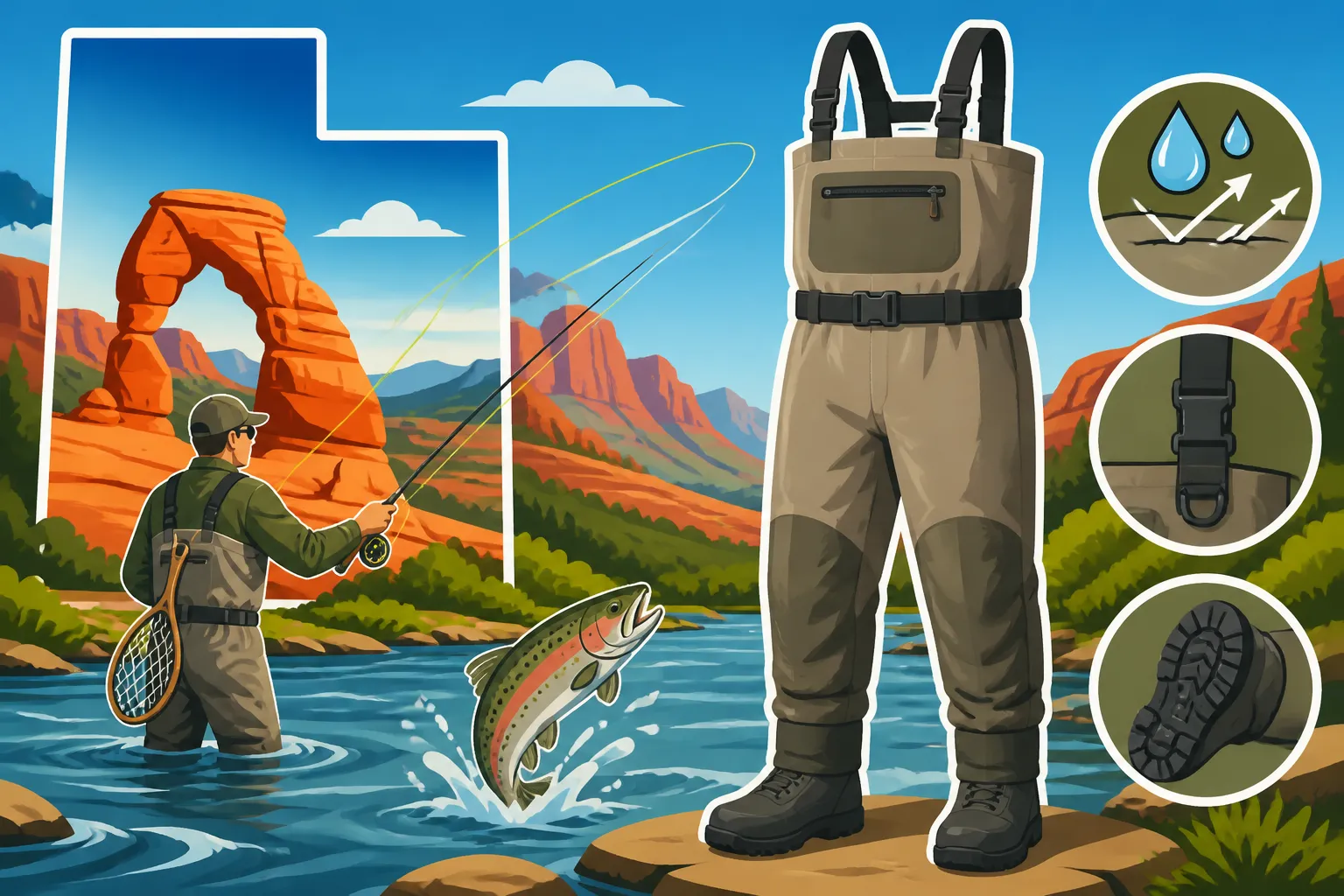
Most modern waders are stockingfoot, meaning they have neoprene "socks" at the bottom, and you wear separate wading boots over them. This allows for a more customized fit and better ankle support. Look for articulated knees, which are cut and sewn to follow the natural bend of your leg, greatly improving mobility and reducing strain. Adjustable shoulder straps and a sturdy wading belt are also crucial. The wading belt isn't just for comfort; it's a vital safety feature, helping to prevent your waders from filling with water if you accidentally fall in. Make sure the stockingfeet fit snugly but not too tightly around your foot – they shouldn't wrinkle up inside your wading boots.
Thoughtful Design: Pockets, Belts, and Gravel Guards
Beyond the basics, the little things can make a big difference in a wader's overall utility. Pockets are often overlooked but incredibly valuable. A large chest pocket, ideally with a waterproof zipper or flap, is perfect for keeping your phone, car keys, or fishing license How to Store a Utah Fishing License on Your Phone safe and dry. Hand-warmer pockets, lined with fleece, are a godsend on chilly days, offering a quick refuge for numb fingers.
Integrated gravel guards are another must-have feature for stockingfoot waders. These are cuffs that extend over your wading boots, typically with a hook to attach to your laces, preventing sand, gravel, and debris from getting into your boots and rubbing your feet raw. A sturdy, adjustable wading belt that cinches securely around your waist is non-negotiable for both comfort and safety. Some waders also feature internal pockets, tool attachment points, or even a flip-out tippet tender to keep small essentials organized and accessible. These thoughtful design elements enhance the user experience, making your time on the water more efficient and enjoyable.
Extending the Life of Your Investment: Wader Care and Repair
Your waders are an investment, and like any good piece of gear, they’ll last a lot longer and perform better if you take care of them. Many anglers mistakenly treat their waders like a pair of old jeans, tossing them in the corner after a trip. But a little bit of post-fishing care goes a long way in preventing leaks, mildew, and premature wear, ensuring your waders are ready for your next adventure on a Utah river.
Post-Fishing Ritual: Cleaning and Drying
The absolute most important thing you can do for your waders is to clean and dry them properly after every single use. Start by rinsing them thoroughly, both inside and out, with fresh water. This removes mud, grit, algae, and any fish slime that can break down fabrics and harbor odors. Pay special attention to the gravel guards and the neoprene feet.
After rinsing, hang your waders upside down for the initial drip dry. Once they've stopped dripping, turn them right side out and hang them in a well-ventilated area, out of direct sunlight. Good air circulation is key to preventing mildew and that awful, musty smell. Make sure the inside is completely dry – this can sometimes take longer than the outside, so don't rush it. Never store waders damp or crumpled in a heap; this is a surefire way to encourage mold growth and ruin the breathable membrane. A completely dry wader, hung loosely or rolled, will stay fresh and functional for much longer.
Patching Up: Tackling Leaks and Punctures
Even the most durable waders can fall victim to a rogue thorn, a sharp rock, or just plain old wear and tear, eventually developing a leak. Don't panic! Most minor leaks are easily repairable, and patching them up quickly can save you from buying a new pair. Identifying a leak can be the trickiest part. A common method is to turn the waders inside out, spray the suspected area with rubbing alcohol (it darkens the fabric where moisture is present), and then slowly spray the outside with water. Any dark spots on the inside indicate a leak.
Once you’ve found the leak, a good wader repair kit is your best friend. These usually contain a waterproof sealant (like Aquaseal or similar), patches, and applicators. For small pinholes, a dab of sealant might be all you need. For larger tears, you'll apply sealant and then cover it with a patch. Always follow the manufacturer's instructions for drying and curing times. Being proactive about repairs keeps your waders in service and prevents a small issue from becoming a major, expensive problem. You can often find these repair kits readily available at outdoor retailers like Bass Pro Shops or even online through Amazon.
Selecting Waders for Utah's Unique River Landscapes
Utah is a state of incredible diversity, and its fishing environments are no exception. From the high-altitude, frigid streams of the Uinta Mountains to the warmer, slower-moving rivers of the valley, each waterway presents its own set of challenges and demands on your gear. Choosing the right waders means considering the specific conditions of where you'll be fishing most often.
Navigating the Icy Flow of Mountain Rivers
If your heart belongs to the cold, crystal-clear mountain rivers like the Provo, Green, or Logan, then durable, breathable chest waders are generally your top choice. These rivers are often characterized by swift currents, rocky bottoms, and consistently low water temperatures, even in summer. You’ll be doing a lot of wading, likely in waist-deep water, and you need maximum protection from the cold and the elements.
For these environments, prioritize waders with robust fabric (higher denier) and reinforced knees and seat to withstand constant contact with submerged rocks. The ability to layer effectively underneath your breathable waders is crucial; think thermal leggings or fleece pants to provide insulation against the biting cold. When pairing with boots, consider options that offer excellent ankle support and aggressive traction for navigating slippery streambeds. Best Waders for Cold Provo River Water and Best Wading Boots for Utah River Rocks are resources that can help you with specific gear choices for these challenging, yet incredibly rewarding, fisheries.
Warmer Waters and Seasonal Considerations
Not all Utah river fishing is about battling freezing temperatures. For slower, warmer rivers at lower elevations, or during the peak of summer, you might have different priorities. Rivers like the Bear River, or even certain sections of larger rivers during a heatwave, might not require the heavy insulation of neoprene. In these scenarios, lightweight, breathable chest waders or even wading pants become more appealing.
During hot summer days, the breathability of your waders becomes paramount to prevent overheating. You might opt for a thinner, lighter denier fabric to maximize comfort. Wading pants, which offer waist-high protection, are fantastic for streams or situations where you're mostly bank fishing but want the option to step in to land a fish or cross a shallow section. The key is to match your waders to the expected water temperature and air temperature, avoiding over-insulation in warmer conditions while still ensuring you stay dry and protected from scrapes and insect bites.
Beyond the Waders: Essential Companion Gear
Waders don't operate in a vacuum; they're part of a system. To truly maximize their effectiveness and your comfort on the water, you need to pair them with the right accessories. These additional pieces of gear are not just nice-to-haves; they are often critical for safety, performance, and overall enjoyment of your Utah river fishing experience. Overlooking them can lead to discomfort, inefficiency, or even unsafe situations.
The Foundation: Wading Boots for Superior Grip
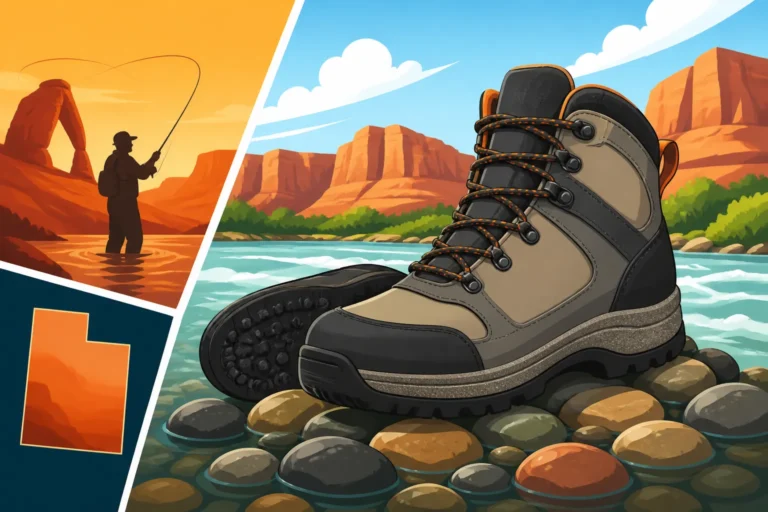
If your waders are the main event, your wading boots are the crucial supporting act. For stockingfoot waders, you’ll need a separate pair of wading boots, and choosing the right ones is just as important as choosing the right waders. The primary function of wading boots is to provide superior grip on slippery, uneven river bottoms and to offer ankle support, reducing the risk of sprains and falls.
You'll find boots with two main sole types: felt and rubber. Felt soles offer exceptional grip on slick, algae-covered rocks, making them a favorite for many river anglers. However, they can track mud easily and are prohibited in some areas due to concerns about transporting aquatic invasive species. Rubber soles are more versatile on various terrains, don't hold mud as much, and are generally easier to clean. Many rubber-soled boots also allow for the addition of studs or cleats for enhanced traction on really treacherous surfaces. Our guide, Best Wading Boots for Utah River Rocks, provides an in-depth look at options, and Do You Need Studded Boots for Utah River Wading? addresses the question of adding extra grip. Whatever you choose, ensure they fit comfortably over your wader’s neoprene stockingfeet, providing stability without pinching or rubbing.
Safety First: Wading Belts and Accessories
A wading belt might seem like a simple accessory, but it’s an absolute non-negotiable for safety. When worn properly and cinched snuggly around your waist, a wading belt performs a critical function: in the event of a fall, it helps prevent your waders from rapidly filling with water. If your waders fill up, the weight of the water can quickly become overwhelming, pulling you down and making it incredibly difficult to regain your footing or swim to shore. It's a small item that offers huge peace of mind.
Beyond the belt, other accessories enhance your wading experience. A quality wading staff can be invaluable for maintaining balance in strong currents, probing unknown depths, and generally providing an extra point of contact with the riverbed. It's particularly useful when Utah Trout Fishing Tips take you to unfamiliar stretches of river. For cold weather fishing, consider proper layering, as detailed in How to Layer Clothing for a Utah Winter Fishing Trip, to maximize the insulating properties of your waders. Finally, a small repair kit stashed in your pack ensures you're ready to tackle unexpected leaks on the fly, preventing a minor mishap from ruining your day. These small additions can dramatically improve both your comfort and safety on Utah's diverse waterways.
Wader Comparison Chart
Here's a quick look at the main types of waders and their ideal uses for Utah fishing:
| Wader Type | Ideal Utah Use Case | Pros | Cons |
|---|---|---|---|
| Breathable | Most year-round river fishing, diverse temps | Lightweight, comfortable, versatile, layers well | Minimal inherent insulation, can be punctured |
| Neoprene | Coldest water, winter, early spring | Excellent insulation, very warm | Bulky, less breathable (sweaty), heavier |
| Wading Pants | Shallow water, warm weather, light use | High mobility, cool, lightweight, packable | Limited coverage, not for deep wading |
| Hip Waders | Very shallow water, small streams, budget | Economical, simple, light | Very limited coverage, can fill easily |
Disclaimer
This article is for general informational purposes only and does not constitute professional advice. Laws, prices and regulations vary by location and change over time. Consult a qualified professional for guidance on your specific situation.