How to Fish From a Float Tube in Utah
There's nothing quite like the feeling of watching that perfect fishing spot, just out of casting range from shore, and knowing you can't quite get there. Or maybe you're tired of battling crowded boat ramps and the constant noise of motors. Float tubing offers a tranquil, stealthy, and incredibly effective way to reach those untouched honey holes across Utah's stunning reservoirs and serene ponds, putting you right in the heart of the action without the fuss.
Why Choose a Float Tube for Utah Fishing?
The appeal of float tubing isn't just about getting to fish. It's about an entirely different, more intimate fishing experience. You're practically one with the water, able to feel the subtle currents, hear the wildlife, and approach fish with an unparalleled level of stealth. For many Utah anglers, it's become the go-to method for accessing waters that might otherwise remain out of reach or over-pressured.
The Undeniable Advantages Over Shore Fishing or Boats
One of the biggest frustrations for any angler is seeing fish actively feeding just beyond their casting range from the bank. Or perhaps it's those hidden coves and weed lines that a conventional boat, with its deeper draft and motor noise, simply can't get into without spooking everything. This is where a float tube truly shines. You can silently paddle with your fins into incredibly shallow water, maneuver through tight stands of reeds, or hug complex shorelines that larger vessels can only dream of reaching. This quiet, low-profile approach often means the fish are less wary, giving you a distinct advantage.
Beyond access, float tubes offer a significant economic advantage. Let's be honest, boats are expensive – from the initial purchase to maintenance, fuel, and storage. A quality float tube, while an investment, is a fraction of the cost, making it an incredibly accessible option for many anglers. They're also wonderfully portable; you can toss a deflated float tube and fins into the trunk of almost any car, inflate it quickly with a portable pump, and be on the water in minutes. No more waiting in long lines at the boat ramp or worrying about finding parking for a trailer. This ease of transport and deployment means you're more likely to actually get out and fish, especially for those spontaneous trips after work or on a whim.
The stealth factor cannot be overstated. When you're fishing from a float tube, there's no noisy outboard motor to disturb the peace or scare off wary fish. Your movements are minimal, propelled by fins, allowing you to drift quietly along contours, over submerged structure, or into sheltered pockets. This quiet approach means you can get incredibly close to fish, often surprising them in their natural habitats. Imagine slowly finning along a reedy shoreline at Jordanelle Reservoir, casting directly into pockets where bass are hiding, without the fish even knowing you're there. This intimate connection with the water and its inhabitants is a huge part of the float tubing allure, making every cast feel more personal and every catch more earned.
Ideal Utah Waters for Float Tubing
Utah is a treasure trove of fishing opportunities, and many of its waters are absolutely perfect for float tubing. You'll find that smaller reservoirs, community ponds, and the calm coves of larger lakes are prime real estate for this method. Think about places like those serene high-alpine lakes tucked away in the Uinta Mountains, where the solitude is as much a part of the experience as the fishing itself. Float tubes are also fantastic for accessing hidden sections of larger impoundments such as Deer Creek Reservoir or even the calmer bays of Strawberry Reservoir, especially when the wind is down. These waters often hold abundant trout, panfish like bluegill and perch, and even feisty bass, all of which can be effectively targeted from a float tube.
However, it's important to be realistic about where a float tube shines. While incredibly versatile, they aren't ideal for every body of water. Strong winds can quickly turn a peaceful outing into a strenuous battle against the elements, making it difficult to control your position or even make headway. Large, expansive open waters with significant boat traffic can also be challenging, not just for safety but because the sheer distance to cover might be too great for fin propulsion. Likewise, fast-moving rivers with strong currents are generally a no-go for traditional float tubes; they're simply not designed for that kind of environment. Always check the weather and water conditions before heading out, especially on Utah's larger, wind-prone reservoirs.
For targeting specific fish species, float tubing offers unique advantages. For trout fishing, whether you're drifting PowerBait or casting small spinners, the ability to quietly approach drop-offs and spring inlets is invaluable. Panfish often congregate in weed beds and shallow structure, areas where a float tube gives you unparalleled access. If you're a bass angler, working the edges of submerged brush piles, rocky points, and lily pads becomes much easier and more precise when you can position yourself with subtle fin movements. Even for species like walleye, especially during their nighttime movements into shallower flats, a float tube allows for a quiet, deliberate approach. The versatility to switch between different techniques and target various species makes the float tube an incredibly effective platform across Utah's diverse fisheries.
Overcoming Common Float Tubing Hesitations
If you're new to the idea, you might have some reservations, and that's totally normal. One of the most common concerns is stability. Will you tip over? Modern float tubes are surprisingly stable, especially the V-bottom and pontoon-style designs. They're built with multiple air chambers for safety and buoyancy, making them very difficult to accidentally capsize under normal conditions. As long as you follow basic safety guidelines and don't try to stand up in your tube, you'll find them incredibly secure. It's less like sitting on a pool float and more like sitting in a very comfortable, stable armchair on the water.
Another common hesitation revolves around comfort and staying dry or warm, especially in Utah's cooler seasons. Nobody wants to be cold and wet when they're trying to relax and fish. The solution here lies in proper gear. High-quality chest waders, typically breathable ones for warmer weather and neoprene for colder conditions, are essential. Layering correctly underneath your waders will ensure you stay warm, even when the water is chilly. A good pair of comfortable fins and a float tube with an ergonomic seat will also prevent fatigue, allowing you to enjoy longer sessions on the water. We'll dive into specific gear recommendations in the next section, but rest assured, with the right setup, you can be perfectly comfortable.
Learning to maneuver and cast effectively from a seated position can feel a little awkward at first, especially if you're used to standing on a boat or bank. The key is practice and adapting your casting style. Shorter rods are often preferred, as they're easier to manage in tight quarters. You'll quickly get the hang of using your fins for subtle steering adjustments while casting with your hands. Many float tubes also come with a stripping apron or work surface in front, which is fantastic for managing line, tying knots, and holding small tools. It’s a learning curve, yes, but one that's easily overcome with a few trips. Once you master it, you'll appreciate the precision and stealth it offers, allowing you to place your lure exactly where you want it.
Essential Gear for Your Utah Float Tubing Adventure
Before you even think about hitting the water, assembling the right gear is paramount. Just like any specialized fishing pursuit, float tubing has its own set of essentials that will make your experience safer, more comfortable, and far more productive. Skimping on key items can quickly turn a fun day into a frustrating one, so let’s talk about what you truly need.
Choosing the Right Float Tube for Utah Conditions
The float tube itself is, of course, the star of the show. There are generally three main styles you'll encounter: U-shaped, V-bottom, and pontoon-style. U-shaped tubes, often called "open front" tubes, are the easiest to get into and out of, making them popular for beginners or those with mobility concerns. They're typically quite stable but not the fastest or most efficient for covering long distances. V-bottom tubes are a fantastic all-around option, offering improved tracking and speed over U-shaped models, while still maintaining excellent stability. They're a favorite for many Utah anglers, balancing performance with comfort. Then there are pontoon-style tubes, which resemble miniature pontoon boats. These offer the best speed, tracking, and often the most storage, but can be a bit bulkier and sometimes trickier to maneuver in very tight spots. Brands like Outcast and Classic Accessories offer a range of reliable options, many of which you can find on Amazon.
Regardless of the style, pay close attention to the material durability and the air chambers. Look for heavy-duty, puncture-resistant fabrics like PVC or denier nylon. Multiple independent air chambers are a non-negotiable safety feature; if one chamber gets a leak, you still have others to keep you afloat. Reliable Boston valves or similar high-quality valves will ensure quick inflation and deflation, and prevent annoying air leaks. Always carry a reliable hand or foot pump; an electric pump can be a huge time-saver at the launch, especially if you're hitting multiple spots in a day.
Thoughtful features can make a world of difference in your overall experience. Integrated rod holders are incredibly handy for securing your rod while paddling or when you're taking a break. Ample storage pockets, often zippered, are crucial for keeping your tackle boxes, snacks, and other essentials organized and dry. A stripping apron or work surface in front of you provides a convenient area for managing your line, tying knots, or setting down a pair of pliers. Some tubes even have fish rulers printed on them. These seemingly small details contribute significantly to convenience and allow you to focus more on fishing and less on juggling gear.
Propulsion and Comfort: Fins, Waders, and Seating
Without a motor, your propulsion comes from your feet, which means high-quality float tube fins are an absolute must. Don't skimp here; ill-fitting or inefficient fins will lead to quick fatigue and frustration. There are full-foot fins that slip on like shoes, and strap-on fins that fit over wading boots. Many anglers prefer strap-on fins for their versatility and ease of use with waders. Paddle fins are a specialized type that are often wider and shorter, designed specifically for the seated, "frog kick" motion used in float tubes. Ensure they fit snugly but comfortably to avoid blisters and maximize propulsion.
Next up, waders. These are non-negotiable for staying dry and comfortable in Utah's often chilly waters. For warmer summer days, especially when targeting panfish in community ponds, lightweight, breathable chest waders are excellent. They allow moisture vapor to escape, keeping you from getting clammy. However, for fishing Utah's renowned trout waters like the Provo River, or for extending your season into colder spring and fall days, neoprene waders are often preferred for their superior insulation. Layering wisely under your waders is key for warmth. On a crisp autumn morning, you might wear fleece pants and warm socks under your neoprene waders. You can find excellent options for Best Waders for Cold Provo River Water to help you stay comfortable no matter the season.
Finally, let's talk about seating. While often built into the float tube, the quality of the seat and back support can dramatically impact your comfort on the water. A poorly designed seat will leave you aching after an hour, while a well-padded, adjustable seat with good back support will allow you to fish for hours on end without discomfort. Some tubes even offer inflatable seats that you can customize for firmness. Remember, you're going to be spending a lot of time in this position, so prioritizing comfort here is a smart move.
Essential Safety and Convenience Accessories
Safety should always be your top priority on the water, no matter how small or calm it seems. A U.S. Coast Guard-approved life jacket (PFD) is absolutely mandatory, even if you're a strong swimmer. Wear it, don't just stash it in a pocket. A whistle attached to your PFD is also crucial for signaling for help. If you plan to fish near dawn or dusk, or if there's any chance of being on the water in low light, a bright flag mounted on your tube and a small, battery-operated light are essential for visibility.
Beyond personal safety, a few other items will greatly enhance your float tubing experience. A small, collapsible anchor can be incredibly useful for holding your position in a breeze, allowing you to thoroughly work a specific piece of structure without constantly finning. Dry bags are vital for protecting your phone, keys, wallet, and any other electronics from splashes or accidental dunkings. And don't forget a landing net; a good, rubberized net designed for catch and release will protect the fish and make landing them from a seated position much easier. You might want to check out options for Best Landing Nets for Utah Trout to ensure you're ready for any size catch.
Lastly, consider the elements. Utah sun can be intense, so a wide-brimmed hat, polarized sunglasses, and high-SPF sunscreen are non-negotiable. Polarized sunglasses, in particular, dramatically reduce glare off the water, helping you spot submerged structure and even cruising fish – for insights, check out Best Sunglasses Lens Color for Sight Fishing in Utah. Always bring plenty of water, and some snacks, especially if you plan on being out for a few hours. A small first-aid kit is also a wise addition to your dry bag. These small preparations go a long way in ensuring a safe and enjoyable day on the water.
Fishing Tackle and Techniques From Your Float Tube
Once you've got your float tube and all the essential gear sorted, it's time to think about what you'll be casting. Fishing from a float tube requires a slight adjustment to your typical tackle and techniques, mainly due to the seated position and sometimes limited casting space. But these adjustments are minor and quickly become second nature, opening up a whole new world of angling possibilities.
Rods, Reels, and Line Considerations
When selecting a fishing rod for float tubing, many anglers find that slightly shorter rods, typically between 5 and 7 feet, are easier to manage from a seated position. They provide enough leverage for casting and fighting fish but are less cumbersome than longer rods, which can feel unwieldy in a confined space. Whether you prefer a spinning rod and reel combo for versatility or a fly rod for a more specialized approach, ensure it feels balanced and comfortable in your hands. For beginners, a Best Rod and Reel Combo for Beginners designed for general trout and panfish applications would be a great starting point, easily adaptable for float tubing.
Your choice of fishing line will depend on the species you're targeting and the water conditions. Monofilament line is a classic choice, offering good knot strength and stretch, which can be forgiving when fighting lively trout. Fluorocarbon provides excellent invisibility underwater and is often favored for its sensitivity. Braided line offers superior strength and sensitivity with minimal stretch, ideal for detecting subtle bites, but its high visibility can sometimes be a deterrent in clear waters unless paired with a fluorocarbon leader. For general Utah trout fishing, 4-6 pound test monofilament or fluorocarbon is usually sufficient, while targeting larger bass or catfish might warrant 8-10 pound test.
One challenge unique to float tubing can be managing line tangles, especially with fly line, and making sure you have enough space for your backcast. A stripping apron on your float tube is invaluable for keeping line organized and off your lap. For spinning gear, getting into a rhythm with your casting stroke will help prevent snags on your tube or other gear. Practice a few casts in your yard before hitting the water to get a feel for the reduced space. You'll quickly develop a smooth, efficient casting motion that works perfectly from your low-profile perch.
Effective Lures and Baits for Float Tubing
The beauty of float tubing is its versatility, allowing you to use a wide array of lures and baits effectively. For spin fishing, compact, easy-to-cast lures are your best friends. Small inline spinners, like those from Panther Martin or Mepps, are perennial favorites for trout and often tempt bass and panfish as well. Spoons such as Kastmasters or Daredevils, especially in smaller sizes, are also incredibly effective, mimicking baitfish and offering a tantalizing flutter on the retrieve. Small jigs, tipped with a grub or a piece of bait, are another go-to, particularly for panfish and trout holding near the bottom.
If you prefer bait fishing, a float tube is an excellent platform. You can easily drift various baits, presenting them naturally to hungry fish. Popular choices for Utah's stocked trout include PowerBait in its many colors and forms, worms, or even corn. Using a simple slip bobber rig allows you to present your bait at a precise depth, while a bottom rig with a small weight keeps your offering near the lakebed. For specific advice on what works best, you might be interested in knowing What Color PowerBait Works Best in Utah Reservoirs?. Remember to keep your bait containers secure in one of your tube's pockets to prevent accidental spills.
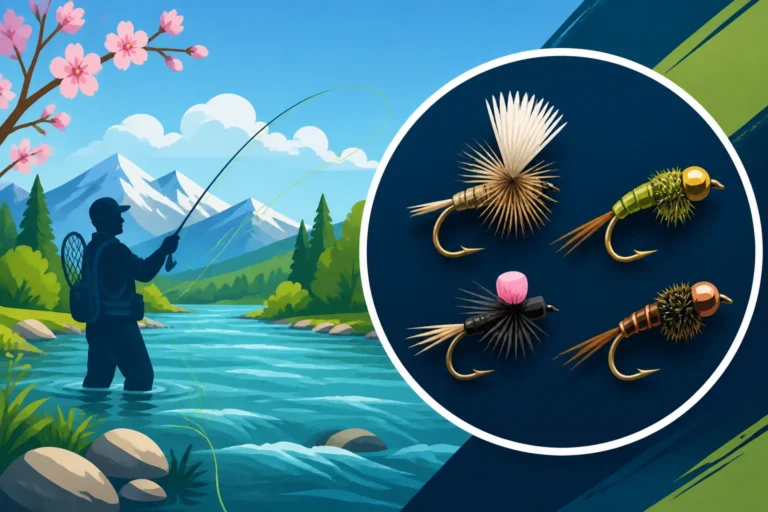
For fly anglers, float tubing opens up fantastic opportunities on stillwaters. You can effectively fish streamers to imitate baitfish, nymphs to mimic aquatic insects, or even dry flies during a hatch. The stripping apron on your tube is indispensable for managing loose fly line and setting your hook. Consider having a variety of flies in your arsenal; a quick look at Best Flies for a Utah Fly Box will give you a good idea of essential patterns for different conditions. The quiet approach of a float tube is perfectly suited for delicate fly presentations, allowing you to fool even the most wary fish.
Stealthy Approaches and Targeting Fish
The primary advantage of float tubing is stealth, and using it to your benefit is a key technique. Your low profile and silent movement allow you to approach fish-holding structure without creating a ripple or casting a long, disturbing shadow. Take your time, slowly finning along a contour line or the edge of a weed bed. Fish can often be found hiding in unexpected places, and your ability to precisely position yourself is invaluable. Look for subtle changes in depth, submerged timber, rocky points, or the areas where feeder creeks enter a reservoir.
Using your fins effectively for subtle movements and maintaining position is a skill you'll quickly develop. Instead of frantically paddling, use small, controlled kicks to drift with the wind or current, or to hold steady against it. This allows you to work a specific area thoroughly, making multiple casts to the same spot from different angles. It's like having dynamic anchoring capabilities without the noise or fuss.
Reading the water from your float tube offers a unique perspective. Pay attention to any signs of fish activity – rising trout, splashing bass, or even schools of baitfish. Concentrate your efforts on areas that offer cover or food, such as shaded banks on a sunny day, the transition zones between shallow and deep water, or the current breaks behind points. The intimate vantage point from a float tube allows you to observe these details more closely and adapt your strategy, making for a truly immersive and often highly productive fishing experience.
Navigating Utah's Waters Safely and Responsibly
Float tubing is a fantastic way to experience Utah's fisheries, but it comes with the responsibility of ensuring your safety and protecting the precious aquatic environments we all share. Being prepared and respectful of the rules and the resource is not just good practice, it's essential.
Water Safety and Weather Awareness
Utah's weather, particularly in the mountains and on larger reservoirs, can be incredibly unpredictable. A calm morning can quickly turn into a windy, choppy afternoon, or a sunny day can unexpectedly give way to a sudden thunderstorm. Before every float tubing trip, make it a habit to thoroughly check the weather forecast. Pay close attention to wind predictions, as even a moderate breeze can make finning difficult and create uncomfortable waves. Never venture out if strong winds are predicted or if storm clouds are gathering. Your safety is paramount, and a float tube offers little protection against severe weather.
It's crucial to understand and respect your personal limits, as well as the capabilities of your float tube. Don't try to cross a large, open expanse of water if you're not confident in your physical endurance or if the water is too choppy. Float tubes are not designed for fast currents, so stick to calm lakes, ponds, or very slow-moving rivers. Always ensure your float tube is properly inflated and that all safety features, like multiple air chambers, are in good working order.
Finally, and perhaps most importantly, always inform someone of your plans. Tell a friend or family member where you're going, what time you expect to be back, and what to do if they don't hear from you. This simple step, often overlooked, can be a lifesaver in an emergency. In case of an unexpected incident, having someone know your whereabouts dramatically increases the chances of a timely rescue.
Aquatic Invasive Species (AIS) Prevention
Utah has some of the most beautiful and pristine waters, but they are constantly under threat from aquatic invasive species (AIS), such as quagga and zebra mussels. These tiny invaders can cause devastating ecological and economic damage. As a float tuber, you play a critical role in preventing their spread. The mantra "Clean, Drain, Dry" isn't just for big boats; it applies equally, if not more, to float tubes, waders, and fins. To understand the gravity of the situation, learn more about Utah Aquatic Invasive Species Rules for Anglers.
AIS organisms, like the microscopic veligers of quagga mussels, can easily cling to the fabric of your float tube, the seams of your waders, and the crevices of your fins. They can also hide in any standing water inside your tube or waders. After every outing, especially if you're moving between different bodies of water, thoroughly inspect and clean your gear. Make sure to remove all visible mud, plants, and debris.
Then, drain every bit of water from your float tube, waders, and any other equipment that came into contact with the water. Hang your waders upside down, and ensure your float tube is completely empty. The final, and arguably most critical, step is to dry everything thoroughly. Ideally, allow your gear to dry for at least 5-7 days in the sun before using it in a different water body. If you can't guarantee a complete dry time, especially after visiting waters like Lake Powell which are known to harbor quagga mussels, consider getting a professional decontamination. Understanding How Quagga Mussels Got Into Lake Powell can help illustrate just how vital these steps are. Your diligence helps protect Utah's fisheries for generations to come.
Respecting Regulations and Fellow Anglers
Fishing in Utah is a privilege, and that privilege comes with a set of rules and responsibilities. The first and most fundamental rule is to always possess a valid Utah Fishing License Guide for your age and residency. Keep it with you at all times when fishing, whether it's a physical copy or stored digitally on your phone via the Utah DWR app. Beyond the license, it's absolutely crucial to familiarize yourself with the specific Utah Fishing Regulations Explained for the particular water body you're fishing. Regulations can vary widely from one lake to another, regarding bag limits, size restrictions, bait restrictions, and even seasonal closures. What's legal at Strawberry Reservoir might not be at Bear Lake or on the Provo River.
Practicing responsible catch and release is another vital aspect of ethical angling. If you're not planning on keeping your catch, handle the fish as little as possible, keep it in the water, and use wet hands to minimize stress and scale removal. Learn proper techniques for quickly unhooking and releasing fish to give them the best chance of survival; you can find excellent guidance on How to Release a Fish Without a Hurting It in Utah. For fish you intend to keep, be mindful of bag and possession limits and dispatch them humanely.
Finally, remember that you're sharing the water with others. Whether it's other float tubers, kayakers, shore anglers, or even larger boats, always maintain a respectful distance. Don't crowd other anglers, especially if they've found a productive spot. Be mindful of casting lines and avoid creating unnecessary wakes. A courteous and respectful approach ensures that everyone can enjoy Utah's beautiful waters in peace and harmony.
| Feature / Type | U-Shaped (Open Front) | V-Bottom | Pontoon-Style |
|---|---|---|---|
| Ease of Entry/Exit | Easiest (legs go through front) | Moderate (must lift legs over side) | Moderate (step in from side) |
| Speed/Tracking | Slower, less efficient in wind | Good, cuts through water well | Best, like small boat pontoons |
| Stability | Good, wide base | Excellent, low center of gravity | Excellent, wide platform |
| Storage Capacity | Moderate (side pockets) | Good (large rear & side pockets) | Best (often has gear frames) |
| Maneuverability | Excellent, pivots easily | Good, precise control | Moderate, slightly larger footprint |
| Best For | Ponds, small lakes, beginners, quick trips | All-around use, most reservoirs, varied fishing | Larger waters, covering distance, serious gear hauling |
Disclaimer
The information provided in this guide is for general informational purposes only and is subject to change. Fishing regulations, license requirements, and aquatic invasive species protocols in Utah can be updated periodically by the Utah Division of Wildlife Resources (DWR). Always consult the most current official Utah Fishing Guidebook and the Utah DWR website before heading out to fish. It is the angler's responsibility to know and abide by all applicable laws and regulations.