Best Tackle for Utah Trout
Oh, the joy and sometimes, let's be honest, the utter confusion of trying to figure out the "best" tackle for trout fishing here in Utah! It's a question I hear all the time from folks just getting into it, or even seasoned anglers trying to dial in their setup for a new water. You stare at the overwhelming rows of lures, the different types of line, the endless variations of hooks, and you just want someone to tell you, clearly and simply, what you actually need to catch those beautiful trout in our diverse lakes, rivers, and high-mountain streams. Well, my friend, that's exactly what we're going to demystify today. We're going to break down the tackle essentials so you can spend less time scratching your head and more time feeling that satisfying tug on your line.
Understanding Utah Trout and Their Habits
Before we even talk about specific gear, it’s vital to understand the "why" behind your tackle choices. Trout aren't just one single fish; Utah is home to a fantastic variety, and each species, and even different populations within the same species, might have a preference based on their environment, their diet, and their mood. Knowing what you’re casting for and where they typically hang out is half the battle. Think of it like cooking – you wouldn't use a spatula for soup, right?
Different Trout Species and Their Preferences
Here in Utah, you'll encounter a few main players when it comes to trout. Each has its own quirks and preferences that can influence your tackle choice. Knowing what you're likely to find in a particular body of water can give you a serious edge. For instance, Utah Trout Species Guide is a fantastic resource to deep dive into this, but for now, let's look at the common ones.
Rainbow trout, often stocked heavily in community ponds and many reservoirs, are generally less picky eaters. They’re often targeted by new anglers because they’re relatively easy to catch. They respond well to a wide variety of baits like PowerBait, worms, and even simple spinners. Then you have brown trout, the elusive predators of many Utah rivers and streams, especially the Provo and Weber rivers. Browns are often more wary and can be quite aggressive towards larger lures or streamers that imitate their prey, like sculpins or minnows. They're smart, and they grow big, making them a prize for many anglers.
Cutthroat trout, our native species, especially the Bonneville Cutthroat, are often found in higher elevation lakes and streams. They can be incredibly eager to strike a well-presented dry fly but will also readily take small spoons, spinners, or bait. Tiger trout, a sterile hybrid of brown and brook trout, are stocked in some reservoirs like Scofield and Pineview. These feisty fish are known for their aggressive strikes and will chase down anything from spoons to jigs, making for an exciting fight. Lastly, you have lake trout, or Mackinaw, primarily found in deep, cold lakes like Flaming Gorge and Bear Lake. These are big, deep-water predators that require specialized gear, often much heavier tackle than your typical stream trout. Understanding these nuances helps you pick the right tools for the job.
Where Trout Hold in Different Utah Waters
Trout aren't just swimming aimlessly; they have preferred hangouts based on food, cover, and water conditions. If you're fishing a river or stream, trout will often be found in deeper pools, behind large rocks or logs that break the current, or along cut banks where they can ambush passing insects or baitfish. These areas offer them shelter from strong currents and a good vantage point for feeding. Knowing this helps you cast your tackle precisely where it needs to be.
In lakes and reservoirs, trout behavior can vary significantly. Stocked rainbow trout in community ponds might cruise the shorelines or hang near submerged structures like weed beds or drop-offs. Larger, wilder trout in big reservoirs will often seek deeper, colder water, especially as summer progresses. They might relate to underwater points, humps, or old river channels. For species like lake trout, you're looking at significant depths, often 50 to 100 feet or more, requiring techniques like downrigging or heavy jigging. Understanding the specific characteristics of the water you're fishing—is it a clear, cold mountain stream or a murky, warmer reservoir?—will dictate everything from your line strength to your lure color. Best Places to Fish in Utah can give you a head start on specific locations.
Seasonal Changes in Trout Behavior
Trout are cold-blooded, which means their activity levels are heavily influenced by water temperature. This leads to predictable seasonal changes in their behavior, which in turn affects the best tackle choices. In spring, after ice-off, trout are often cruising shallower waters, eager to feed after a long winter. This is a great time for casting small spoons, spinners, or soaking PowerBait near shore. As summer heats up, especially in lower elevation waters, trout will seek cooler, deeper water, making early mornings and late evenings the most productive times in shallow areas, or requiring you to fish deeper during the day.
Fall is a fantastic time for aggressive trout fishing, particularly for brown and cutthroat trout as they begin their spawning runs. They become more territorial and willing to strike larger, more aggressive lures or flies. Winter, of course, brings the ice fishing season. Under the ice, trout are often less active but can still be caught by vertical jigging small spoons or soft plastics, or by using tip-ups with bait. Best Time of Year to Fish in Utah goes into much more detail about these patterns, but the takeaway for tackle is clear: don't use your summer deep-water trolling gear for a spring stream outing, and vice-versa. Adapting your approach to the season is paramount to success.
Essential Rod and Reel Combos for Utah Trout
Okay, let's talk about the foundation of your trout fishing arsenal: the rod and reel. This is where many people get tripped up, thinking they need something super specialized right off the bat. The truth is, a versatile setup will serve you well for most Utah trout scenarios, especially if you're just starting out. As you get more experienced, you might branch out, but for now, let's focus on the workhorses.
Spinning Gear for Versatility and Beginners
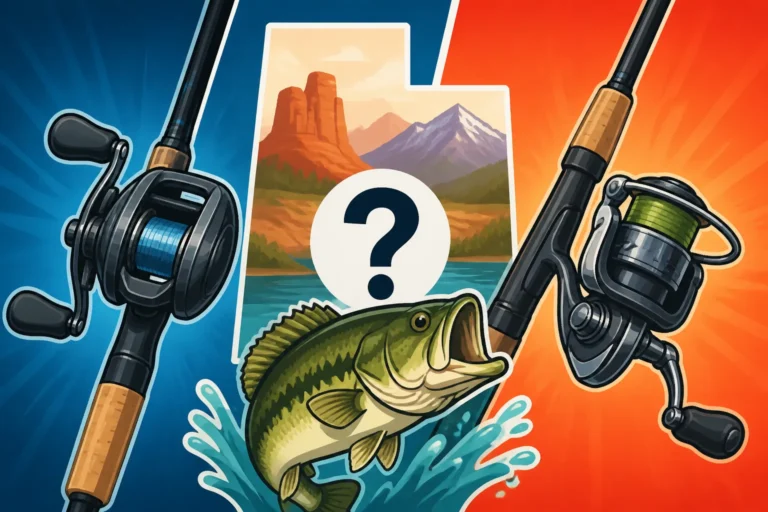
For most trout fishing in Utah, especially for beginners or those looking for a versatile setup, a light to medium-light action spinning rod paired with a matching spinning reel is the absolute way to go. This combo is incredibly user-friendly, allowing for easy casting of light lures and baits, and it’s forgiving enough to handle a range of trout sizes. A good starting point is a rod in the 6 to 7-foot range. This length offers a good balance of casting distance and maneuverability, whether you're tossing a spinner from shore at a reservoir or navigating tighter spaces on a stream bank.
When it comes to the reel, look for a size 1000 to 2500 series. These reels are compact and lightweight, perfect for balancing on a light rod. Spool it up with 4 to 6-pound test monofilament or fluorocarbon line. Monofilament is a bit more forgiving with stretch, which can be nice when a trout makes a sudden run, while fluorocarbon offers less stretch and better sensitivity. Many anglers opt for braided line with a fluorocarbon leader for ultimate sensitivity and casting distance. You can find excellent, affordable combos that will last for years at places like Bass Pro Shops or even online through Amazon. Don't feel like you need to break the bank to get a quality setup that will catch plenty of trout.
Fly Fishing Setups for Rivers and Stillwaters
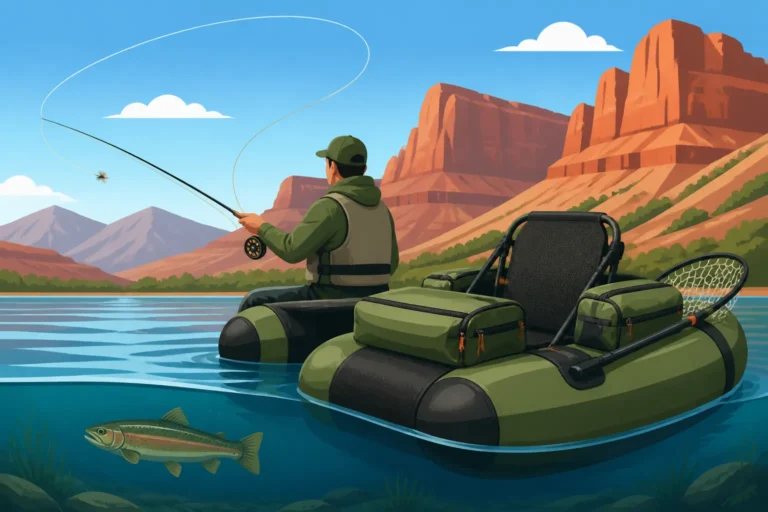
Fly fishing is a beautiful art form and incredibly effective for trout in many Utah waters, especially our Blue Ribbon streams like the Provo and Green Rivers. If you're serious about fly fishing for trout, a 4-weight or 5-weight fly rod in the 8.5 to 9-foot range is a fantastic all-around choice. This weight class is delicate enough to present small dry flies on a calm evening but has enough backbone to handle a good-sized brown trout or to cast nymphs with an indicator. For a more detailed look, check out Best Fly Rods for the Provo River.
Pair your rod with a reliable fly reel that balances the rod well and has a smooth drag system. While the reel isn't as critical for casting as it is in spin fishing (the line does the work!), a good drag is essential for fighting strong fish. Load it with a weight-forward floating fly line matched to your rod's weight, and add about 50-100 yards of backing. You'll then attach a tapered leader, typically 7.5 to 9 feet long, ending in a section of fine tippet (often 4X to 6X) to which you tie your fly. The stealthy presentation of a fly often makes all the difference when targeting wary trout in clear water.
Ice Fishing Rods and Reels for Winter Angling
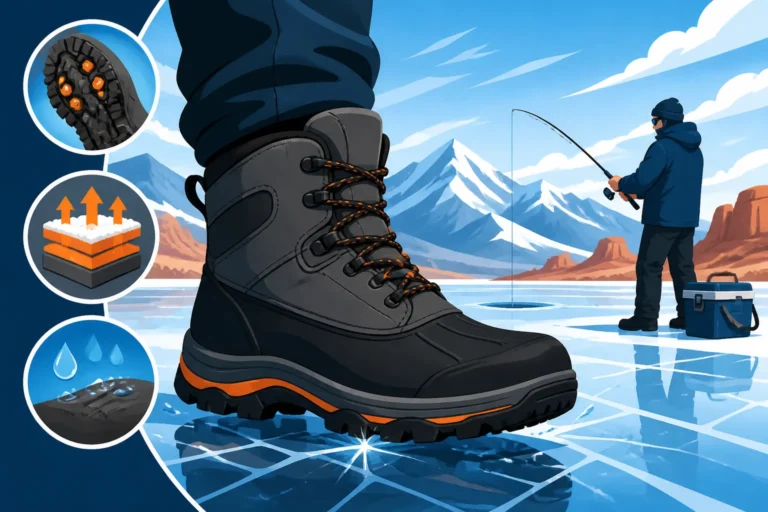
When the mercury drops and our beautiful Utah lakes and reservoirs freeze over, it's time to switch gears (literally!) for ice fishing. This specialized form of angling requires a different rod and reel setup. Ice fishing rods are much shorter than open-water rods, typically ranging from 24 to 36 inches in length. This shorter length is designed for fishing in a small hole, allowing you to quickly set the hook and fight fish in close quarters. They usually have a very sensitive tip to detect those subtle winter bites.
Pair your ice rod with a small spinning reel, similar in size to what you'd use for open water trout, or even a dedicated ice fishing reel with a very smooth drag. Spool it with 4 to 8-pound test monofilament or fluorocarbon line. Fluorocarbon is popular for ice fishing due to its low stretch and invisibility in cold, clear water, which can be crucial when trout are sluggish. For techniques and more specific gear advice, our Utah Ice Fishing Guide offers a wealth of information. Having the right rod and reel makes a huge difference when you're out on the ice, battling the elements and trying to coax a bite from a cold-water trout.
Terminal Tackle: The Business End of Your Line
Once you have your rod and reel, it’s time to talk about the unsung heroes of your tackle box: the terminal tackle. These are the small but critical components that connect your line to your bait or lure and directly interact with the fish. Skimping on these can lead to frustration and lost fish, so pay attention to the details!
Hooks, Sinkers, and Swivels: The Small but Mighty Components
Let's start with hooks – they are, after all, what actually catches the fish. For most Utah trout fishing with bait, you'll want to carry an assortment of small, sharp hooks. Sizes like #10, #8, and #6 are generally good for stocked trout and smaller wild trout. If you're targeting larger brown trout or lake trout with cut bait, you might go up to a #4 or even a #2. Many anglers prefer octopus-style hooks for bait fishing, as their design often leads to better hook-ups. Treble hooks are also popular on many lures, but single hooks are often preferred when fishing with bait for better fish health and easier release. What Size Hook Should You Use for Utah Stocked Trout? has specific recommendations.
Sinkers are essential for getting your bait or lure down to where the fish are. Split shot sinkers are incredibly versatile; carry a variety of sizes from small (BB size) to medium (AAA size). They're easy to pinch onto your line and can be adjusted to control the sink rate. For bottom fishing in lakes or rivers with stronger current, egg sinkers or bell sinkers (1/8 oz to 1/2 oz) are ideal. Use a swivel above your sinker to prevent line twist, especially if you're using spinning lures or fishing in current.
Speaking of swivels, they're not just for preventing line twist. Barrel swivels and snap swivels (sizes #10 to #14 are good for trout) also help connect your main line to your leader, allowing for quick changes of lures or rigs. A quality ball-bearing swivel can make a huge difference if you're trolling or using inline spinners that can twist your line relentlessly. It’s a small investment that prevents big headaches.
Leaders and Tippet for Stealth and Strength
This is where many anglers overlook a crucial element: your leader and tippet. Your main line might be 6-pound test, but if you tie your hook directly to it, the fish might see it, especially in clear water. A fluorocarbon leader is practically invisible underwater and much more abrasion-resistant than monofilament. For most trout, a 2 to 4-pound test fluorocarbon leader, 18-36 inches long, is a fantastic choice. Tie it to your main line using a uni-to-uni knot or an Alberto knot for a strong, low-profile connection.
For fly fishing, the concept is similar but more refined. You'll use a tapered leader, typically 7.5 to 9 feet long, which gradually decreases in diameter. To the end of this leader, you'll add sections of tippet (often 18-36 inches of 4X, 5X, or 6X fluorocarbon or monofilament) to match the size of your fly. This allows for a delicate presentation and also lets you change flies without constantly shortening your main leader. Having a spool of various tippet sizes in your vest or tackle box is a must-have for fly anglers. It's often the difference between getting a strike and spooking a wary fish.
Bobbers and Strike Indicators for Bite Detection
How do you know when a trout bites, especially if they're being subtle? Bobbers and strike indicators are your answer. For bait fishing, traditional red and white plastic bobbers are great for suspending your bait at a specific depth and signaling a bite. Smaller, clear bobbers can be less obtrusive, especially in calm, clear water. Use a slip bobber rig when you need to fish deeper than your rod length, allowing the line to slide freely through the bobber until it hits a stop knot. This lets you cast easily and then send your bait down deep.
For fly fishing, strike indicators serve the same purpose. These can be small pieces of foam, yarn, or even tiny plastic balls that attach to your leader, typically a foot or two above your fly. They float on the surface and dip or move subtly when a trout takes your submerged nymph or emerger. There are countless styles, each with its own advantages. Some are easier to adjust, others are more sensitive. Experiment to find what works best for your style and conditions. Learning to read these subtle movements is key to successful nymphing, a highly effective technique for trout in rivers.
Baits and Scents: Enticing the Bite
Now that we've covered the structural stuff, let's talk about what makes trout open their mouths: the grub! Bait fishing is one of the most popular and effective ways to catch trout in Utah, especially for stocked fish and beginners. But even seasoned anglers keep a good assortment of baits on hand.
Natural Baits: Worms, Minnows, and PowerBait
When it comes to bait, sometimes Mother Nature knows best. Live worms, particularly nightcrawlers or red wigglers, are universally effective for almost any trout species. They're natural, they move, and trout find them irresistible. Threading a small piece of worm onto a hook and letting it drift in a stream or soaking it on the bottom of a lake is a time-tested method. You can find them readily at any bait shop or even in your garden after a rain.
For larger, more aggressive trout, especially brown trout or lake trout, live or dead minnows can be incredibly effective. Check local regulations on bait fish, as rules vary by water, but where allowed, a shiner or dace minnow presented naturally can entice trophy-sized fish. Be mindful of Utah Bait Fish Rules for Live Bait.
Then there's the legendary PowerBait, specifically formulated trout bait that comes in a rainbow of colors and scents. This dough-like bait is a staple for stocked rainbow trout in Utah reservoirs and community ponds. Pinch off a small piece, roll it into a ball, and mold it around a small treble or single hook, making sure the hook point is fully covered. PowerBait floats, so you'll usually rig it with a sinker a foot or two above the hook to suspend it off the bottom. How to Fish PowerBait for Stocked Trout offers specific tips. What Color PowerBait Works Best in Utah Reservoirs? is another handy resource, but generally, chartreuse, rainbow, and natural trout flavors are excellent starting points.
Scented Baits and Attractants for Picky Eaters
Sometimes, trout need a little extra nudge, especially if they're finicky or the water is murky. This is where scented baits and attractants come into play. Beyond PowerBait, many soft plastics for trout, like Gulp! Minnows or Worms, are heavily scented and can be incredibly effective when jigged or retrieved slowly. These aren't just for bass; smaller versions can be deadly for trout, too. Their scent trail helps fish locate them even in low visibility.
Liquid scents are another secret weapon. Brands offer various formulas designed to mimic natural prey or stimulate a trout's feeding instinct. A few drops on a lure, a fly, or even a piece of natural bait can make a huge difference. Garlic, anise, and various fish formulas are popular choices. It's amazing how often a seemingly dead lure comes alive after a quick dip in some scent. It adds another dimension to your presentation and can trigger strikes when nothing else seems to work.
Understanding Bait Regulations in Utah
This is a critical point that cannot be overstated: always check the current Utah Fishing Regulations before using any bait. Utah has very specific rules regarding what types of bait can be used in certain waters, and these regulations are put in place to protect our fisheries and prevent the spread of aquatic invasive species. For example, some waters are "artificial flies and lures only," others might prohibit live baitfish. Certain waters even have "kill-all" rules for specific invasive species if caught.
Ignorance of the rules is not an excuse for violations, and penalties can be steep. You can find the latest regulations on the Utah Division of Wildlife Resources website, or pick up a physical copy wherever fishing licenses are sold. Familiarize yourself with the specific rules for the body of water you plan to fish, especially concerning the use of live bait, corn, or even types of lures. This diligence ensures you're fishing legally and responsibly, protecting Utah's amazing trout fisheries for everyone.
Lures for Active Trout: Casting and Trolling
While bait fishing is undeniably effective, there's a unique thrill to enticing a trout to strike a well-presented lure. Lure fishing can be a more active and engaging way to target trout, and it often appeals to their predatory instincts, leading to aggressive strikes. Your tackle box should definitely include a good selection of these.
Spinners and Spoons for Aggressive Strikes
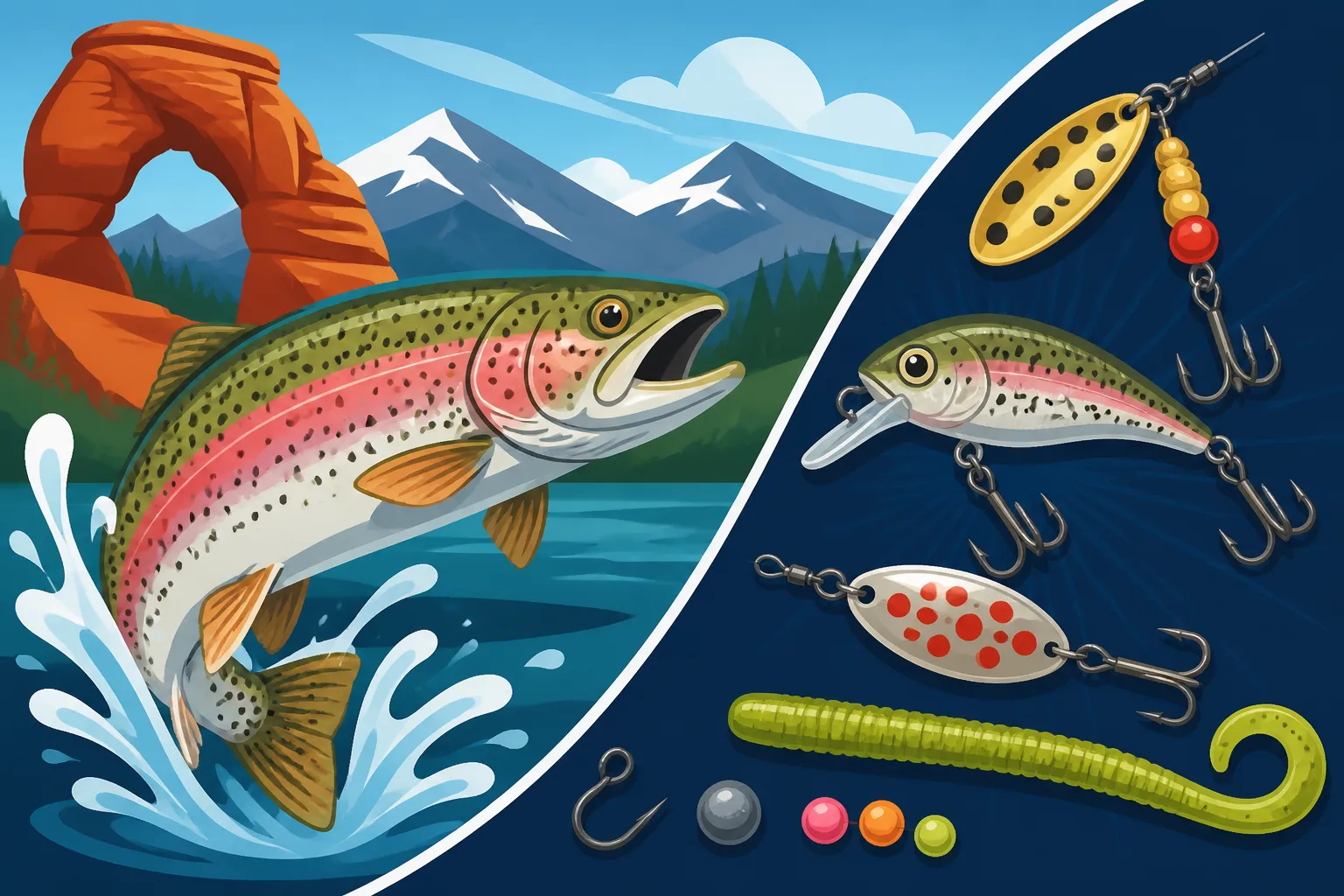
Spinners and spoons are classic trout lures for a reason: they work! Spinners, with their rotating blade, create flash and vibration in the water, mimicking fleeing baitfish or insects. Brands like Mepps, Rooster Tail, and Panther Martin have produced countless trout over the years. Carry a variety of sizes (1/16 oz to 1/8 oz for smaller streams, up to 1/4 oz for larger rivers and lakes) and colors (silver, gold, copper, or bright patterns like chartreuse). Cast them upstream or across current in rivers and retrieve just fast enough to get the blade spinning. In lakes, cast and retrieve at a steady pace or impart a stop-and-go action.
Spoons, on the other hand, have a wobbling action that imitates injured baitfish. Kastmasters, Daredevils, and Krocodiles are popular choices. Like spinners, vary your sizes and colors. Silver and gold are always good, but experiment with bright colors or patterns that mimic local forage. Spoons can be cast and retrieved, trolled behind a boat, or even jigged vertically for deep-holding trout. Their flash can draw fish in from a distance, making them excellent search baits when you're trying to locate active trout. Both spinners and spoons are essential for anglers who want to cover water and actively pursue trout.
Jigs and Soft Plastics for Finesse Fishing
When trout are a bit more finicky, or you need a more subtle presentation, jigs and soft plastics can be incredibly effective. Small marabou jigs, chenille jigs, or hair jigs in sizes 1/32 oz to 1/8 oz are fantastic for trout. Colors like white, black, olive, or subtle earth tones often work well. Fish them by casting and retrieving with a slow, erratic jigging motion, or drift them under a bobber in current. The soft, pulsating action of the marabou often entices strikes when other lures fail.
Soft plastic baits, like tiny grubs, worms, or minnow imitations (often 1 to 2 inches long), rigged on a small jig head, offer another finesse option. These can be fished similarly to marabou jigs or retrieved with a very slow, subtle twitch. The key is to impart just enough action to make the plastic look alive without overdoing it. Some soft plastics are scented, adding another layer of attraction. These lures are particularly effective in clear water or when trout are lethargic, as they offer a very natural and subtle presentation. For specific techniques, How to Rig a Jig for Utah Trout can be a great starting point.
Crankbaits and Jerkbaits for Larger Predators
For those targeting larger, more aggressive trout, especially big brown trout or lake trout, crankbaits and jerkbaits can be absolute game changers. These lures are designed to imitate larger baitfish and often have a pronounced wobbling or darting action that triggers powerful strikes. Small crankbaits, typically 1.5 to 3 inches long, in natural baitfish patterns (like rainbow trout, perch, or crawfish) or flashy colors can be very effective in rivers or reservoirs. They dive to various depths depending on their lip design, allowing you to target different parts of the water column.
Jerkbaits are similar but designed to be fished with a "jerking" retrieve, followed by pauses, mimicking an injured or disoriented baitfish. This erratic action can drive larger trout absolutely wild. Look for models that suspend in the water column during the pause, giving the trout time to commit to the strike. These lures are fantastic for covering water and actively searching for those trophy-sized fish. Brands like Rapala, Rebel, and Lucky Craft offer excellent options in both categories. While they might not be your go-to for every stocked rainbow, they are indispensable for targeting big, predatory trout in Utah's bigger waters.
Flies and Fly-Fishing Specific Tackle
For many, fly fishing isn't just a way to catch trout; it's a spiritual experience. If you're drawn to the elegance and challenge of fly fishing, Utah offers some truly world-class opportunities. But it requires a specific set of tackle, distinct from spinning gear.
Dry Flies, Nymphs, and Streamers for Various Conditions
The heart of fly fishing tackle is, of course, the fly itself. You’ll need a diverse selection to match the variety of insect life and baitfish that trout feed on.
Dry Flies: These imitate adult insects that float on the water's surface, like mayflies, caddis, and stoneflies. When trout are actively rising and sipping insects from the surface, a well-presented dry fly can be irresistible. Carry patterns like Parachute Adams, Elk Hair Caddis, and Royal Wulff in various sizes (from tiny #18 to larger #10). Matching the hatch – using a fly that closely resembles the natural insects currently emerging – is key for dry fly success.
Nymphs: By far the most common food source for trout, nymphs are immature aquatic insects that live on the riverbed. They are fished subsurface, often with a strike indicator, drifting naturally with the current. Essential nymph patterns include Pheasant Tail, Hare's Ear, Prince Nymph, and various stonefly imitations in sizes #12 to #18. Different weights (bead heads or lead wraps) help them sink to the fish's feeding zone. Nymphing is incredibly effective year-round, especially when trout aren't rising.
Streamers: These flies imitate baitfish, leeches, or other larger prey. They are typically retrieved with active strips, making them appear like a swimming meal. Streamers like Woolly Buggers (in black, olive, or brown), Clouser Minnows, and Sculpzillas are excellent for targeting larger, more aggressive trout, particularly brown trout. They work well in both rivers and stillwaters, and can elicit very violent strikes. Best Flies for Utah Trout Streams offers a more comprehensive list to stock your fly box.
Fly Lines and Backing for Optimal Presentation
Your fly line is what gives your cast its weight and delivers your fly. For most Utah trout fishing, a weight-forward floating line (WF-F) matched to your rod's weight (e.g., a 5-weight line for a 5-weight rod) is the standard. This line has a heavier front taper that helps load the rod for easier casting and turns over your leader and fly effectively. For specialized situations, like fishing very deep with nymphs or streamers, you might consider a sinking tip or full sinking line.
Beneath your fly line, you'll spool on backing. This is typically thin, strong braided line (often 20-pound test Dacron) that provides extra yardage in case a large fish makes a long run. For trout, 50 to 100 yards of backing is usually sufficient. It also helps fill the arbor of your reel, preventing your fly line from coiling excessively. The connection between your backing and fly line should be a strong, smooth knot like the Albright knot, while the fly line to leader connection is often a loop-to-loop connection for easy changes.
Essential Fly Box Assortments for Utah Waters
A well-stocked fly box is an angler's treasure chest. Rather than just a handful of flies, you need an assortment to be prepared for the ever-changing conditions on Utah's waters. Think about the variety of insect hatches throughout the year, the different types of water you'll fish (fast rivers vs. slow stillwaters), and the species you're targeting.
Your core assortment should include dry flies for general hatches, like Parachute Adams, Elk Hair Caddis, and various tiny midges. For nymphs, make sure you have Pheasant Tails, Hare's Ears, Prince Nymphs, and perhaps some San Juan Worms or Squirmy Wormies for those high-water, post-rain conditions. Sizes #12-18 will cover most bases. And don't forget streamers! Woolly Buggers in black, olive, and white in sizes #6-10 are a must-have, as they imitate so many different food sources. Consider specific patterns for popular waters; for instance, the Green River might demand certain midge or BWO imitations. Having this diversity means you're not caught flat-footed when the fish suddenly switch their feeding preferences. Regularly checking stream reports can help you anticipate what flies might be hot.
Essential Accessories Every Utah Trout Angler Needs
Okay, so you've got your rod, reel, line, and something to put on the end of it. But fishing is more than just those basics. There's a whole host of accessories that will make your time on the water more comfortable, more efficient, and ultimately, more successful. Think of these as the supporting cast that ensures a smooth production.
Landing Nets, Pliers, and Release Tools
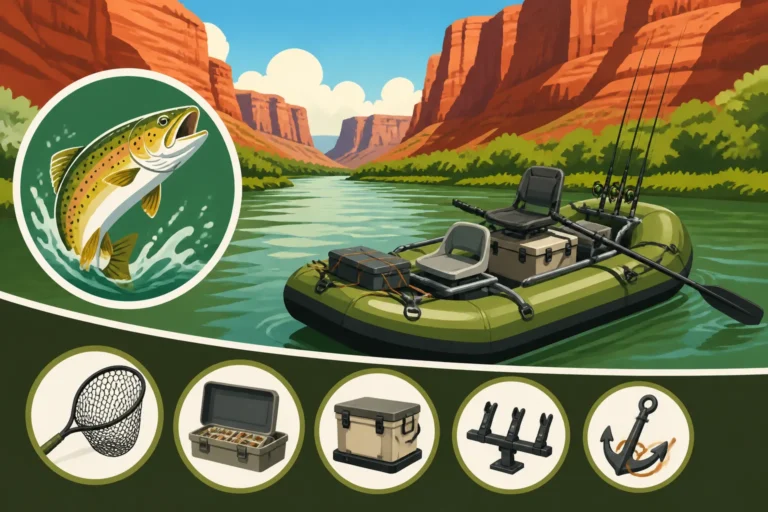
First and foremost, a landing net is crucial, especially if you plan on practicing catch and release. A net helps you quickly and safely land a fish, minimizing its time out of water. Look for a net with a rubberized or knotless mesh bag – these are much gentler on fish, reducing scale and fin damage, and they also prevent hooks from getting tangled. For stream fishing, a shorter-handled net with a magnetic or clip-on release is ideal for wading. For boat fishing on reservoirs, a longer-handled net is more practical. Best Landing Nets for Utah Trout can help you choose the right one.
Pliers or forceps are another non-negotiable item. You'll need them to safely remove hooks from a fish's mouth, especially if the hook is deep-set or the fish is feisty. Long-nose pliers are versatile, but dedicated fishing forceps (like those used by fly anglers) offer more precision for small hooks. A good pair of line nippers, either standalone or integrated into your forceps, is also incredibly handy for trimming tag ends of knots.
For responsible catch and release, particularly with larger trout, a specialized release tool can be beneficial. These allow you to quickly and safely dislodge hooks without ever touching the fish, which is especially important for delicate species or when fishing in very cold water where handling can be detrimental. Barbless hooks also make release much easier and are often required or highly recommended on certain waters.
Tackle Storage and Organization
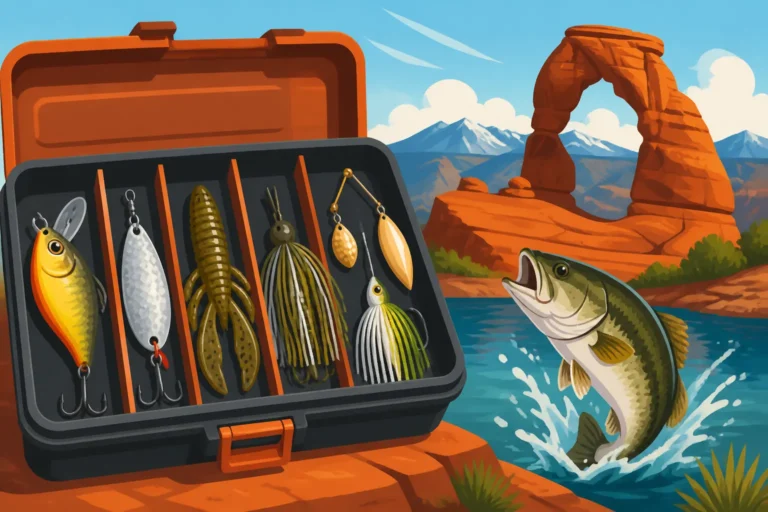
A messy tackle box is a frustrating tackle box. Having your gear organized not only saves time on the water but also protects your investments. For bait and lure anglers, a good tackle box or a series of clear plastic utility boxes (like those from Plano or similar brands, often available at Bass Pro Shops) with adjustable dividers is essential. This allows you to separate hooks, sinkers, swivels, and lures by type and size, so you can quickly find what you need without rummaging.
Fly anglers will need specific fly boxes to keep their delicate flies safe and organized. Foam insert boxes are great for securing individual flies, preventing them from crushing or tangling. Carry separate boxes for dry flies, nymphs, and streamers. A small leader wallet or pouch keeps your leaders and tippet spools tidy and protected. The goal is to be able to access any piece of tackle quickly and efficiently, so you're spending your time fishing, not searching. Best Tackle Boxes for Utah Anglers provides more ideas.
Waders, Vests, and Comfort Gear
Your personal comfort gear might not seem like "tackle," but it's just as important for a successful and enjoyable day of trout fishing in Utah, especially in our varied climate. If you plan on wading in rivers or getting into colder lake waters, a good pair of waders is indispensable. Breathable waders are excellent for warmer weather, offering comfort and freedom of movement, while neoprene waders provide superior warmth for colder conditions. Pair them with sturdy wading boots that offer good ankle support and traction on slippery riverbeds. Check out Best Waders for Cold Provo River Water for insights.
A fishing vest or chest pack is invaluable for keeping your essential small tackle items (fly boxes, leader, nippers, floatant, etc.) easily accessible while keeping your hands free. These are designed with multiple pockets and attachment points. Don't forget polarized sunglasses, which cut glare and allow you to see into the water – a huge advantage for spotting fish or submerged structure. Finally, dress in layers appropriate for Utah's unpredictable weather. A good rain jacket, even on a sunny day, can save you from a sudden mountain thunderstorm. Comfort on the water translates directly to more focus and better fishing.
Utah Trout Tackle Table
To help you quickly visualize some common tackle choices based on the trout species and water type you're targeting, here's a handy table. Remember, these are general recommendations, and trout can be unpredictable!
| Trout Species / Water Type | Recommended Rod/Reel Type | Primary Baits / Lures | Ideal Line Weight | Key Terminal Tackle |
|---|---|---|---|---|
| Stocked Rainbows (Ponds/Res.) | Light/Med-Light Spinning (6-7 ft) | PowerBait, Worms, Small Spinners | 4-6 lb Mono/Fluorocarbon | #10-8 Octopus Hooks, Split Shot, Bobbers |
| Wild Browns (Rivers/Streams) | Light/Med-Light Spinning (6-7 ft) | Spinners, Spoons, Small Jerkbaits | 4-6 lb Fluorocarbon | #8-6 Single Hooks, Small Swivels, Leaders |
| 4-5 wt Fly Rod (8.5-9 ft) | Nymphs, Dry Flies, Streamers | 3X-5X Tippet | Leaders, Tippet, Strike Indicators | |
| Cutthroat (High Mtn. Lakes) | Ultralight Spinning (5-6 ft) | Small Spinners, Worms, Jigs | 2-4 lb Mono/Fluorocarbon | #12-10 Hooks, Small Split Shot |
| 3-4 wt Fly Rod (7.5-8.5 ft) | Dry Flies, Nymphs, Small Streamers | 4X-6X Tippet | Leaders, Tippet | |
| Tiger Trout (Reservoirs) | Medium-Light Spinning (6.5-7 ft) | Spoons, Spinners, Jigs, Crankbaits | 6-8 lb Fluorocarbon | #6-4 Single Hooks, Strong Swivels |
| Lake Trout (Flaming Gorge/Bear Lake) | Medium-Heavy Spinning/Casting (7-8 ft) | Heavy Jigs, Large Spoons, Cut Bait | 10-20 lb Braided + Fluorocarbon Leader | Strong Trebles/Singles, Heavy Sinkers |
| Trolling Rod (7-9 ft) | Large Spoons, Trolling Plugs | 20-30 lb Braided | Downriggers, Heavy Leaders, Snubbers | |
| Ice Fishing (All Trout) | Ultralight/Light Ice Rod (24-36 in) | Small Jigs, Small Spoons, PowerBait | 4-8 lb Fluorocarbon | #12-8 Ice Jigs, Tiny Trebles, Bobbers |
Hopefully, this comprehensive guide helps you feel more confident in selecting the best tackle for your Utah trout fishing adventures. Remember, the "best" tackle is ultimately what helps you catch fish and enjoy your time on the water. Don't be afraid to experiment, adapt, and learn from every outing. Tight lines!
Disclaimer
This article is for general informational purposes only and does not constitute professional advice. Laws, prices and regulations vary by location and change over time. Consult a qualified professional for guidance on your specific situation.