Utah Trout Fishing Tips
Trying to consistently catch trout in Utah can feel like a moving target sometimes, can't it? One day they're biting everything you throw at them, the next they've vanished into thin water. It's especially true with the incredible diversity of lakes, reservoirs, and rivers we have here, each with its own unique challenges and opportunities. This comprehensive guide will peel back the layers on Utah trout fishing, offering up practical, hard-won tips and techniques to help you understand these beautiful fish better and, most importantly, improve your catch rate, no matter the season or specific water you're fishing.
Understanding Utah's Diverse Trout Species
Utah is a trout angler's paradise, but not all trout are created equal. We've got a fantastic mix of native, wild, and stocked species, and knowing a little about each can dramatically improve your strategy. They all have their quirks, preferred diets, and hangouts, just like us!
Native and Wild Trout Populations
When we talk about "wild" trout, we're often talking about fish that have completed their entire life cycle without human intervention, spawning naturally and surviving on their own. These fish are typically warier, harder to catch, and often more vibrant in color.
The Bonneville Cutthroat Trout is a true gem of Utah, our state fish, and a remarkable comeback story. Historically, these fish were the dominant trout in the Bonneville Basin, which includes large portions of modern-day Utah. They're recognized by their distinctive orange-red slash marks under their jaw, a trait they share with other cutthroat subspecies. Fishing for Bonneville Cutthroat Trout can be a challenging but incredibly rewarding experience, especially in the clear, cold waters of the Bear Lake drainage or some of the high mountain lakes where populations have been restored. These fish are generally smaller in streams but can grow to impressive sizes in larger lakes like Bear Lake, where their unique genetics have adapted them to that specific environment. Protecting their habitat and understanding specific regulations for these sensitive populations is crucial for their continued recovery. If you're keen to learn more about identifying these beauties, checking out our guide on Bonneville Cutthroat Trout Identification can be super helpful. For a deep dive into the unique population at Bear Lake, our Bear Lake Cutthroat Trout Facts article has you covered.
Brown Trout are another wild success story in many of Utah's rivers and streams. These fish are notoriously wily, often called the "PhD of trout" due to their intelligence and wariness. Brown trout are aggressive predators, and they tend to hug structure, such as undercut banks, log jams, and large boulders, making them a fantastic challenge for anglers. They're known for their beautiful gold-brown bodies, adorned with black and often red spots, sometimes with a light halo around them. Unlike many stocked rainbows, browns thrive in slightly warmer water and can be quite resilient. You'll find strong populations in many of our blue-ribbon rivers, like the Provo River, the Green River below Flaming Gorge, and the Weber River. Understanding their territorial nature and preferred lies is key to hooking into these hard-fighting fish. They are often less active during the bright parts of the day, preferring to feed in low light conditions, especially at dawn, dusk, or even after dark. You can learn more about where these beauties hide in our Brown Trout in Utah Rivers guide.
Stocked and Hybrid Trout Varieties
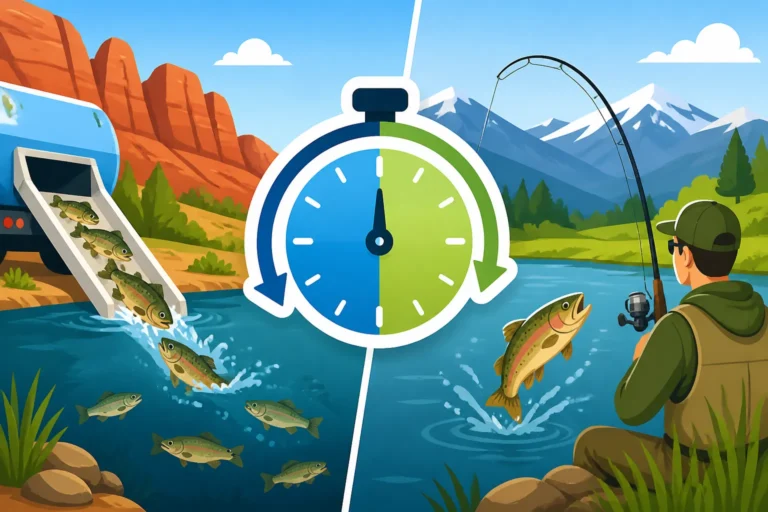
While wild trout hold a special place, it's the stocked and hybrid trout that provide the bulk of Utah's incredible fishing opportunities, especially for beginners and those looking for more consistent action. The Utah Division of Wildlife Resources (DWR) does an amazing job stocking our waters year-round.
Stocked Rainbow Trout are arguably the most common and accessible trout species in Utah. They're regularly planted in community ponds, urban fisheries, and many of our larger reservoirs, making them a fantastic target for anglers of all skill levels. These fish are typically eager to bite and can be caught using a wide variety of baits and lures, which makes them perfect for family outings or teaching kids how to fish. While they might not be as naturally wary as their wild counterparts, they still provide a spirited fight and delicious table fare. They're identifiable by their iridescent pink or red band running down their side and generally smaller, more uniform spots compared to other trout. You can often find them cruising the shallower waters of reservoirs or congregating near stocking points shortly after a plant. For detailed info on where they're found, check out our Rainbow Trout in Utah Reservoirs article. If you’re curious about how big these stocked fish usually get, our guide on the Average Size of a Stocked Utah Trout can shed some light.
Tiger Trout are one of Utah's most visually striking and aggressive hybrids, a cross between a brown trout and a brook trout. They get their name from their intricate, maze-like patterns that resemble tiger stripes. These fish are sterile, meaning they cannot reproduce, and are stocked primarily for sport fishing and to help control populations of less desirable fish species, as they are voracious predators. Tiger trout grow quickly and fight incredibly hard, often leaping and thrashing once hooked. You'll often find them in waters like Scofield Reservoir and Fish Lake, where they provide a thrilling challenge. Their aggressive nature means they respond well to lures and flies that imitate baitfish or other small prey. Discover more about these unique fish in our article Tiger Trout Explained, and find out the best places to target them with our Where to Catch Tiger Trout at Scofield Reservoir guide.
Splake are another fascinating hybrid, resulting from a cross between a lake trout and a brook trout. They are primarily stocked in deeper, colder reservoirs in Utah, offering anglers a chance to catch a fish that combines the best fighting qualities of a brook trout with the deep-water habits and larger size potential of a lake trout. Splake often have a slightly fork-shaped tail, a trait they inherit from their lake trout parent, and mottled markings similar to a brook trout. They tend to prefer cooler water temperatures and can often be found suspended in the water column or near the bottom in deep areas, making them a prime target for jigging or trolling. Understanding the specific characteristics of these hybrids helps in tailoring your approach. Our guide on Splake in Utah Reservoirs provides more insight into where you can find these unique fighters.
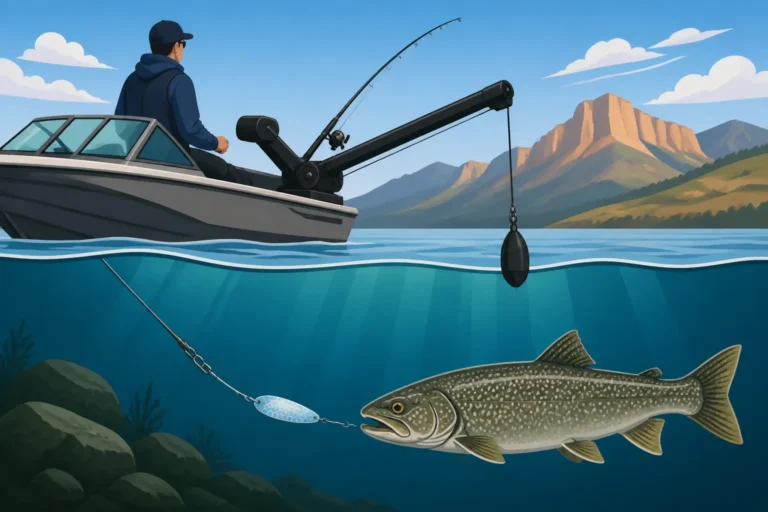
And then there are the Lake Trout, affectionately known as Mackinaw in many circles. These are the giants of Utah's trout world, capable of growing to immense sizes. Found predominantly in vast, deep, and cold reservoirs like Flaming Gorge and Bear Lake, lake trout are characterized by their pale spots on a dark grey or olive body and a deeply forked tail. They are primarily piscivores, meaning they feed on other fish like kokanee salmon and ciscos, which contributes to their impressive growth. Targeting trophy lake trout usually involves specialized techniques like deep trolling with downriggers or vertical jigging in significant depths. Patience, powerful gear, and a good understanding of their deep-water habits are essential when pursuing these prehistoric-looking monsters. For the ultimate challenge, check out our Utah Lake Trout (Mackinaw) Guide and learn about Flaming Gorge Trophy Lake Trout Spots where record-breakers have been caught.
| Trout Species | Native/Stocked | Preferred Habitat | Best Baits/Lures/Flies | Unique Characteristic |
|---|---|---|---|---|
| Bonneville Cutthroat | Native | Cold mountain streams, Bear Lake | Small nymphs, dry flies, tiny spinners, worms | Red "slash" marks under jaw, sensitive to habitat |
| Brown Trout | Wild (Introduced) | Rivers, streams, some cold reservoirs | Streamers, nymphs, egg patterns, crankbaits, spoons, worms | Aggressive, wily, nocturnal, gold-brown with red/black spots |
| Rainbow Trout | Stocked/Wild | Reservoirs, ponds, rivers, streams | PowerBait, worms, corn, spinners, spoons, nymphs, dry flies | Pink/red band, generally eager to bite, widely stocked |
| Tiger Trout | Stocked (Hybrid) | Reservoirs, lakes (e.g., Scofield) | Spinners, spoons, jerkbaits, streamers | Distinctive maze-like "tiger" patterns, aggressive |
| Splake | Stocked (Hybrid) | Deep, cold reservoirs | Jigs, spoons, cut bait, trolled lures | Forked tail, mottled markings, combines brook & lake trout traits |
| Lake Trout (Mackinaw) | Stocked/Wild (Native to some regions) | Deep, very cold reservoirs | Large jigs, cut bait, trolled spoons/plugs, live bait | Large size potential, deeply forked tail, pale spots |
Year-Round Trout Fishing Strategies in Utah
The beauty of trout fishing in Utah is that it's a year-round sport. Each season presents its own unique challenges and incredible opportunities. What works in July often won't work in January, so adapting your strategy to the calendar is key to consistent success.
Spring and Fall Opportunities
Ah, spring! The ice is melting, the days are getting longer, and trout are starting to become more active after a long winter. This can be a fantastic time to fish, but it also comes with its challenges, namely runoff. In early spring, right after the ice has melted from reservoirs, trout, especially stocked rainbows, often cruise the shallower waters looking for food. The water is still cool, and they haven't settled into their deep summer patterns yet. This is a prime time for shore anglers using baits like PowerBait or worms, or casting small spinners and spoons. However, as the snowmelt really kicks in, rivers and streams can become high and muddy due to spring runoff, making them tough to fish. You'll need to seek out calmer eddies or fish lake inlets that aren't overly turbid. Our guide on How to Fish Utah Waters in Early Spring Right After Ice-Off provides some excellent tactics for this period. Don't forget that if the rivers are raging, understanding When Does Runoff End on Utah's Mountain Rivers? can help you plan your next trip more effectively.
Fall is another phenomenal time for trout fishing in Utah, often considered by many seasoned anglers to be the very best. The scorching summer heat gives way to crisp, cool air, and the water temperatures become ideal for trout. This is when many species, particularly brown trout, become incredibly active as they prepare for their annual spawn. They'll be aggressively feeding, packing on weight before winter, making them more susceptible to a well-presented lure or fly. Streamers fished in rivers can be particularly effective for browns during this period, mimicking baitfish that these opportunistic predators are targeting. In reservoirs, trout will also be shallower and more active than in summer, making trolling and casting more productive. The vibrant fall colors reflecting on the water only add to the magic of the experience. To maximize your success during this prime season, make sure to check out our Best Fall Technique for Utah Trout and learn How to Fish a Streamer for Brown Trout in Utah to target those aggressive fall fish.
Summer and Winter Tactics
Summer fishing in Utah presents a different set of challenges. As air temperatures rise, so do water temperatures in many lakes and lower-elevation rivers. Trout, being cold-water fish, will seek out deeper, cooler water in reservoirs, or higher, colder stretches of mountain streams. This means you often need to adapt your techniques. For reservoir fishing, targeting trout in the summer often involves going deep. This could mean trolling with downriggers to get your lures down to where the fish are holding, or vertical jigging. Early mornings and late evenings are also key for shallower water action, as the sun is less intense. For those willing to hike, the high-altitude lakes and streams of the Uinta Mountains offer incredible summer fishing, as these waters remain consistently cold throughout the warmer months. These remote locations offer not just fantastic fishing, but also breathtaking scenery and solitude. Learn the secrets to summer success with our guide on How to Fish Deep Water for Summer Lake Trout and plan your high-country adventures with How to Fish High-Altitude Uinta Lakes in July.
Winter in Utah, particularly for ice fishing, is a world unto itself. When the lakes and reservoirs freeze over, it opens up a whole new dimension of trout fishing. Instead of casting, you're drilling holes in the ice and using specialized ice fishing gear. Trout remain active under the ice, and with the right techniques, you can have some of the most consistent fishing of the year. Popular spots like Strawberry Reservoir, Scofield Reservoir, and Rockport Reservoir become ice fishing hubs. Techniques typically involve jigging small lures or baits vertically, or setting up "dead sticks" with bait. A fish finder becomes an invaluable tool here, helping you locate fish beneath the ice and understand their depth. Safety on the ice is paramount, so always check ice thickness and go with a buddy. Don't let the cold deter you; ice fishing can be incredibly comfortable with a good shelter and heater. Our comprehensive Utah Ice Fishing Guide is an essential read before you head out, and for specific locations, Where to Ice Fish at Strawberry Reservoir offers excellent advice.
Essential Gear for Every Utah Trout Angler
You don't need to break the bank to catch trout in Utah, but having the right tools for the job can make a world of difference. Investing in quality gear that matches the type of fishing you plan to do will lead to more enjoyable and successful outings.
Rods, Reels, and Line Choices
For most general trout fishing in Utah, a spinning rod and reel setup is your best friend. It's versatile, easy to learn, and can handle everything from casting PowerBait at a community pond to throwing spinners in a river. Look for a rod that's around 6 to 7 feet long, with a light to medium-light action. This gives you enough sensitivity to feel subtle bites but enough backbone to fight a decent-sized trout. Pair it with a spinning reel in the 1000 to 2500 size range, spooled with 4-6 pound test monofilament or fluorocarbon line. Monofilament is forgiving and great for beginners, while fluorocarbon offers more sensitivity and less visibility underwater. Braided line, while strong, can be too visible for wary trout in clear water, so if you use it, be sure to add a fluorocarbon leader. An ultralight setup, usually a 5-foot rod with a tiny reel, is fantastic for smaller streams and highly sensitive to light bites, but you sacrifice some casting distance.
If you're delving into the elegant world of fly fishing, your gear choice becomes a bit more specialized. A typical setup for Utah trout streams like the Provo or Green River would be a 9-foot, 4-weight or 5-weight fly rod. This size offers a good balance for casting various fly sizes and handling most trout you'll encounter. Match it with a corresponding fly reel and a weight-forward floating fly line, which is standard for most dry fly and nymphing applications. Don't forget your leader and tippet; a 7.5 to 9-foot tapered leader ending in 4x or 5x tippet is a common starting point for presentation. Different situations might call for different lines (like sinking lines for stillwater streamer fishing), but a floating line is the workhorse. You can get more specific insights into this with our guide on the Best Fly Rod Weight for the Provo River.
For ice fishing, the gear is distinctly different. You'll want much shorter rods, typically 24 to 36 inches long, with sensitive tips to detect the often subtle bites through the ice. These rods are paired with small spinning reels or specialized ice fishing reels. Spool them with 2-4 pound test monofilament or fluorocarbon line, as heavy line can negatively impact lure action and bite detection. Many anglers opt for a specialized ice fishing line that is designed to stay flexible in cold temperatures.
Terminal Tackle and Baits
This is where the real fun begins – deciding what to tempt those trout with!
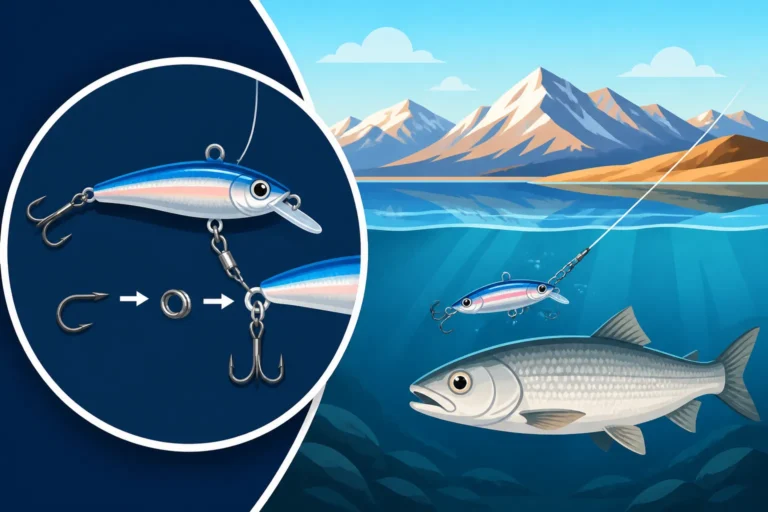
For lure fishing, spinners are a universal trout slayer. Brands like Mepps and Panther Martin in sizes #0 to #3 are staples. Silver, gold, and brass blades with bright (orange, chartreuse) or natural (brown, black) dressings are always good to have. Spoons, such as the Kastmaster or Daredevle, are also incredibly effective, especially for casting distance or when targeting deeper fish. Small crankbaits, like Rapalas, can be deadly in rivers and lakes, imitating baitfish. Always experiment with different colors and sizes until you find what the fish are keying in on that day.
When it comes to baits, PowerBait is practically synonymous with stocked trout fishing in Utah. It comes in various forms – dough, nuggets, and even scented soft plastics. Floating PowerBait fished off the bottom with a small slip sinker is a classic and highly effective method. Worms (nightcrawlers, mealworms, wax worms) are natural and universally appealing to trout. Salmon eggs and even canned corn (used sparingly and legally, as some waters prohibit it) can also entice bites. Understanding What Color PowerBait Works Best in Utah Reservoirs? can give you an edge, as trout often show preferences.
For fly anglers, a well-stocked fly box is crucial. You'll want an assortment of nymphs (Pheasant Tail, Hare's Ear, Prince Nymph), dry flies (Parachute Adams, Caddis patterns, ants, grasshoppers), streamers (Woolly Bugger in black, olive, white), and egg patterns (especially during fall spawning runs). "Matching the hatch" – presenting a fly that mimics the insects currently emerging or present in the water – is the pinnacle of fly fishing. However, sometimes a well-presented attractor pattern can work wonders. To get started, consider reviewing our Best Flies for Utah Trout Streams guide for essential patterns.
Essential Accessories
Beyond the basics, a few accessories will make your trout fishing trips much more comfortable and successful. A good landing net with rubber mesh is critical for safely landing fish, especially if you plan on catch-and-release, as it minimizes harm to the fish's protective slime coat. Long-nosed pliers or forceps are essential for easily removing hooks, particularly if they're deep-set. Waders (chest or hip) are a game-changer for river and stream fishing, allowing you to access prime spots and stay dry and warm. A comfortable fishing vest or sling pack keeps your tackle organized and easily accessible. Don't underestimate the power of polarized sunglasses; they cut glare, allowing you to see into the water and spot fish or structure. A good multi-tool comes in handy for everything from cutting line to minor repairs. And finally, a cooler with ice is crucial for keeping any harvested trout fresh on a warm day. You can find a fantastic selection of all these accessories on platforms like Amazon, offering convenience and a wide range of options to suit any budget or need.
Effective Techniques for Stillwater Trout Fishing
Stillwater fishing, whether on Utah's sprawling reservoirs or tranquil community ponds, offers some of the most consistent trout action. However, success often hinges on understanding how trout behave in these environments and adjusting your tactics accordingly.
Shore Fishing and Boat Fishing
Shore fishing is often the most accessible way to target trout in lakes and reservoirs. When fishing from shore, it's crucial to think about casting distance and where the fish might be holding. Early mornings and late evenings are prime times when trout, especially stocked rainbows, often move into shallower areas to feed. Look for drop-offs, points, or submerged structure where trout might ambush prey. A common and highly effective setup is a slip bobber rig, which allows you to suspend your bait at a precise depth without having to constantly reel in and cast. You can also fish bait directly on the bottom using an egg sinker or similar weight, ensuring your PowerBait or worm floats just above the substrate. Casting spinners and spoons from shore can also cover a lot of water and entice aggressive bites. For larger reservoirs, a long rod can help you reach deeper water further from the bank.
Boat fishing opens up a whole new realm of possibilities, allowing you to access areas unreachable from shore and present baits and lures more effectively. Trolling is a hugely popular and productive method for stillwater trout, especially for targeting suspended fish like kokanee salmon or deeper-dwelling lake trout. Utilizing downriggers allows you to precisely control the depth of your lure, which is critical when fish are holding in a specific temperature range or near a particular structure. Many anglers at Flaming Gorge Reservoir swear by downriggers for consistently landing large lake trout. Another effective boat technique is jigging, especially over submerged structures, drop-offs, or schools of baitfish. Vertical jigging with spoons or specialized trout jigs can be incredibly effective, particularly when fish are congregated. For those who prefer a more relaxed approach, still fishing from a boat, anchoring over a promising spot and soaking bait, can also yield excellent results. Regardless of your chosen method, a good fish finder is an invaluable tool for boat anglers, helping you locate fish, identify structure, and understand the bottom contour. Learning Utah Trolling Techniques for Lake Trout is a must if you plan to hit the bigger waters, and mastering How to Read a Fish Finder for Utah Reservoirs will give you a significant advantage.
Bait, Lure, and Fly-Fishing Strategies
When it comes to bait fishing in stillwaters, versatility is key. As mentioned, PowerBait is a go-to for stocked trout. Rigged on a small treble hook with an egg sinker above a swivel, it floats off the bottom, making it highly visible. Worms, particularly nightcrawlers, can be fished similarly or under a bobber. For larger, more predatory trout like lake trout or large brown trout, cut bait (often pieces of chub or perch) can be irresistible when fished on the bottom or suspended. Adjusting your bait presentation to the depth where trout are feeding is paramount. Sometimes a long leader is needed to keep the bait naturally drifting.
Lure fishing in lakes and reservoirs is all about covering water and triggering strikes. Spinners (like a Vibrax or Roostertail) are fantastic for casting from shore or boat, retrieved at a steady pace. Spoons (like a Kastmaster or Krocodile) offer excellent casting distance and a flashy, erratic action that mimics struggling baitfish. Small crankbaits or jerkbaits can be trolled or cast, especially effective for aggressive trout like tiger trout or larger rainbows. Experiment with retrieve speeds and pauses, as trout often strike on the change of pace. Trolling a variety of lures at different depths and speeds can help you quickly identify what the fish prefer on any given day.
Stillwater fly fishing might not be the first thing that comes to mind for many, but it's an incredibly productive method, especially from a float tube, pontoon boat, or kayak. Indicator nymphing, where a nymph pattern is suspended under a strike indicator, can be deadly for trout feeding on aquatic insects. Stripping streamers, imitating baitfish, is excellent for aggressive trout like browns and tiger trout. Chironomid patterns, fished deep under an indicator, are often the secret weapon on still, clear days when trout are feeding on these tiny insects. Float tubes and kayaks allow fly anglers to quietly access prime feeding lanes and cover water effectively, getting their flies to where the fish are without spooking them. If you're considering expanding your horizons on the water, our guide on How to Fish From a Kayak in Utah offers some great starting points for adapting your techniques.
Mastering River and Stream Trout Fishing Tactics
Fishing rivers and streams for trout is a deeply rewarding experience, often requiring a more nuanced approach than stillwater fishing. It's a dance between reading the water, presenting your offering naturally, and understanding the trout's behavior in moving currents.
Reading the Water and Approach
The number one rule for river and stream trout fishing is learning to read the water. Trout in moving water are constantly positioning themselves to conserve energy while maximizing feeding opportunities. Look for seams where faster current meets slower water, as these are natural ambush points. Eddies, the calm pockets of water behind obstacles, offer trout a resting place where food still swirls by. Deep pools provide refuge and cooler temperatures, especially during warm weather, and often hold larger fish. Riffles (shallow, turbulent water) oxygenate the water and dislodge insects, making them feeding grounds. Undercut banks and submerged logs or boulders provide crucial cover and protection. Learning to identify these "lies" or holding spots is paramount.
Your approach is equally important. Trout in rivers, especially wild ones, are incredibly wary of movement and shadows. Move slowly, quietly, and use the natural contours of the bank or stream bed to your advantage. Try to approach from downstream, casting upstream and allowing your bait or fly to drift naturally back to you, presenting it before you're seen. Avoid stomping along the bank or casting long shadows over the water. High, clear water conditions demand even more stealth and longer, lighter leaders to avoid spooking fish. Conversely, during periods of higher, murkier water (like spring runoff), trout might be less wary, but finding them can be harder. Our article on How Runoff Affects Utah River Fishing provides critical insights into how these conditions impact trout behavior and what you can do to adapt.
Fly Fishing and Spin Fishing Techniques
For many, fly fishing is the quintessential river trout experience. There are several primary techniques, each suited to different conditions. Dry fly fishing involves presenting a floating imitation of an insect on the surface, requiring delicate casts and precise presentations to wary trout. When you see fish rising to insects, matching the hatch with the right dry fly can be incredibly exciting. Nymphing is often the most productive method, as trout feed on aquatic insects below the surface about 90% of the time. This involves drifting weighted nymph patterns, often under a strike indicator, to mimic emerging or drifting insects. Techniques like Euro nymphing, which uses specialized long rods and no indicator, are gaining popularity for their sensitivity. Streamer fishing involves stripping larger, baitfish-imitating flies to trigger aggressive strikes from predatory trout, especially brown trout. For a deeper dive into specific tactics for our region, consult our How to Fly Fish the Provo River guide, and familiarize yourself with Best Nymph Patterns for Utah Tailwaters for consistent success.
Spin fishing in rivers also offers fantastic opportunities. Small spinners (sizes #0 to #2) are incredibly effective when cast upstream and retrieved just fast enough to get the blade spinning, allowing it to drift naturally downstream past likely holding spots. Small spoons or even tiny crankbaits can also trigger strikes. Drifting natural baits like worms or salmon eggs under a bobber or with minimal weight can be very productive, especially in slower currents or pools. The key with spin fishing in rivers, as with fly fishing, is to present your offering as naturally as possible, mimicking a natural food source drifting with the current. This often means casting slightly upstream of your target and allowing the current to carry your lure or bait into the strike zone. Wading safely and effectively is also a skill. Always use a wading staff in unfamiliar water, and wear appropriate footwear. Investing in good waders, especially for cold mountain rivers, will significantly extend your fishing comfort and time on the water. Check out our recommendations for Best Waders for Cold Provo River Water to stay warm and dry.
Advanced Tips for Challenging Trout Encounters
Even the most experienced anglers face days when the trout seem to have lockjaw. Challenging conditions or particularly elusive fish require a thoughtful approach and often a tweak to your usual tactics. Don't get discouraged – these are the days that build character and hone your skills!
Dealing with Difficult Conditions
One of the most common tough situations is clear, low water. In these conditions, trout become incredibly wary. They can see everything, and any unnatural movement, shadow, or heavy line will send them fleeing. The solution? Think stealth and subtlety. Use longer leaders and lighter tippets (e.g., 6x or 7x fluorocarbon), downsize your flies or baits, and make longer, more precise casts to avoid spooking the fish. Approach quietly, stay low, and try to cast from a position where you're not silhouetted against the sky. A tiny midge pattern on 7x tippet might be the only thing that works when the water is crystal clear and still.
Conversely, muddy water or heavy runoff presents its own set of problems. Visibility is low, making it hard for trout to see your offering, and the current can be overpowering. In these situations, trout will often move into slower, calmer pockets of water along the banks or behind obstacles. Focus your efforts there. Since sight is diminished, trout rely more on scent and vibration. Use baits with strong scents (like PowerBait with extra attractant, or worms), or lures that produce a lot of vibration and flash (like brightly colored spinners or spoons). Slow your retrieve down significantly, as fish won't have much time to react. Bright colors like chartreuse, orange, or hot pink can sometimes stand out better in murky conditions. If you're struggling with high flows, our article on How to Fish a River During Spring Runoff in Utah offers some great strategic advice.
Windy days on large reservoirs can be a particular headache, making casting difficult and boat control a nightmare. If you're casting from shore, try to position yourself so the wind is at your back, assisting your cast. From a boat, using a strong anchor or a quality trolling motor with spot-lock features is essential to hold your position and allow for effective fishing. The wind can also create currents and chop that can push baitfish around, sometimes concentrating trout. Pay attention to wind-blown shorelines, which might be gathering food. While challenging, don't let the wind deter you entirely; it can sometimes stir up the water, making trout more aggressive. Understanding How Wind Affects Fishing on Utah Reservoirs can help you prepare mentally and strategically.
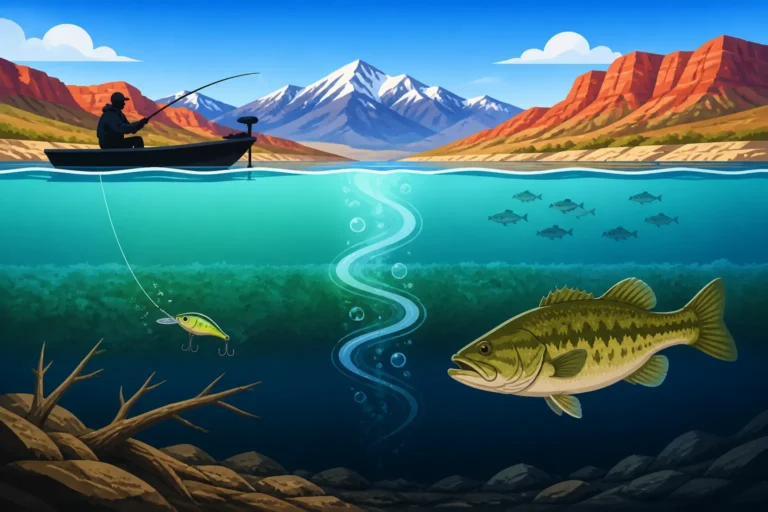
Finally, when trout are holding in deep water, which is common in summer or for species like lake trout and splake, you need specialized tactics. Electronics become crucial here. Downriggers for trolling, as discussed earlier, are excellent for presenting lures at precise depths. Vertical jigging with heavy spoons or specific deep-water jigs can also be very effective once you've located a school of fish on your fish finder. Pay attention to thermoclines (layers of water with different temperatures), as trout will often suspend just above or within these cooler zones during warmer months.
Locating Elusive Trout
Sometimes, the challenge isn't the conditions, but simply finding the fish! Trout are creatures of habit and will often relate to specific structure or food sources. In lakes, this means looking for submerged islands, points extending into the water, old river channels, humps, or even standing timber. These features provide cover, ambush points, and often concentrate baitfish. In rivers, it's all about seams, eddies, pools, and undercut banks.
This is where modern electronics, like advanced fish finders with side imaging or down imaging, truly shine. They allow you to "see" underwater, identifying structure, baitfish schools, and even individual trout that are otherwise invisible. Learning to interpret these sonar readings takes practice, but it's an invaluable skill for serious anglers. Even basic fish finders can help you determine depth and locate schools of baitfish, which are often indicative of trout nearby.
Another fantastic way to locate fish, especially recently stocked trout, is to pay close attention to stocking reports. The Utah DWR regularly posts these reports, indicating which waters have been recently stocked and with what species. While these fish can be easy targets initially, they often disperse quickly, so timing is key. For a comprehensive overview, our guide on How to Find Recent Stocking Reports for Utah Waters is a must-read.
Finally, understanding the seasonal movements of trout is critical. As we discussed, trout behave differently in spring, summer, fall, and winter. In spring, they might be shallower after ice-off. In summer, they retreat to deeper, cooler water. Fall sees them become more aggressive and move shallower for feeding and spawning. By anticipating these movements, you can be in the right place at the right time.
Ethical Angling and Conservation for Utah Trout
As anglers, we have a responsibility to not only enjoy Utah's incredible trout fisheries but also to protect them for future generations. Practicing ethical angling and understanding conservation principles are just as important as knowing how to tie a good knot or pick the right lure.
Catch and Release Best Practices
Catch and release is a cornerstone of conservation, especially for wild or trophy trout populations, but it only works if done correctly. The goal is to minimize stress and injury to the fish, ensuring its survival after release.
Firstly, consider using barbless hooks. You can buy them or simply crimp down the barb on your existing hooks with pliers. Barbless hooks greatly reduce tissue damage and allow for much quicker, easier removal. When you do land a fish you intend to release, try to keep it in the water as much as possible. Wet your hands before handling the fish to protect its delicate slime coat, which is its primary defense against disease. Avoid squeezing the fish, especially around its belly or gills. If you need to take a photo, do it quickly and hold the fish horizontally, supporting its weight properly. Never hold a large fish vertically by its jaw, as this can cause internal damage.
Use long-nosed pliers or forceps to gently and quickly remove the hook. If the hook is deeply swallowed, it's often best to cut the line as close to the hook as possible, as attempts to remove it can cause more harm than leaving it. Once the hook is out, hold the fish gently in the water, facing upstream into the current, until it regains its strength and can swim away on its own. Don't simply toss it back; ensure it's ready. Knowing How to Release a Fish Without Hurting It in Utah is a skill every angler should master. Also, remember that sometimes regulations require you to release certain fish, or have specific limits on others. For example, some waters have strict slot limits for certain species to protect spawning populations. Always check the current regulations for the specific water body you're fishing. Our guide on Strawberry Reservoir Trout and Kokanee Limit highlights how crucial these specific rules can be.
Understanding Regulations and Protecting Waters
The bedrock of responsible angling in Utah is understanding and adhering to the fishing regulations. This starts with obtaining a valid Utah fishing license. Licenses are required for most anglers over the age of 12, and the fees go directly back into managing and improving our fisheries. It's easy to purchase one online, at a DWR office, or from many sporting goods stores. Always carry your license with you when fishing, whether it's a physical copy or stored digitally on your phone. For comprehensive details, our Utah Fishing License Guide and How to Buy a Utah Fishing License Online are excellent resources.
Beyond the license, it's critical to know the daily bag and possession limits, as well as any size restrictions or species-specific rules for the water you're fishing. These rules can vary wildly from one lake or river to another, even within the same county, and they're put in place for a reason – to manage fish populations sustainably. For instance, some waters might have a "no bait" rule for fly-fishing-only sections, or a "mandatory harvest" rule for invasive species. Our detailed guide on Utah Daily Bag and Possession Limits is an excellent starting point, but always refer to the latest Utah Fishing Guidebook published by the DWR before each trip.
Protecting our waters from Aquatic Invasive Species (AIS) is another paramount responsibility. Invaders like quagga and zebra mussels can devastate ecosystems and impact fishing severely. The "Clean, Drain, Dry" protocol for boats and gear is not just a suggestion, it's often mandatory. Before leaving any water body, especially one known to have AIS (like Lake Powell), thoroughly clean all mud, weeds, and debris from your boat, trailer, and fishing gear. Drain all water from your boat, live wells, and bilge. Finally, allow your boat and gear to thoroughly dry for the recommended period before launching in another water body. These simple steps make a huge difference. You can find out more about these critical efforts in our article on Utah Aquatic Invasive Species Rules for Anglers.
Lastly, always respect private property and designated public access points. Obtain permission before fishing on private land. Pack out all your trash, and leave the fishing area cleaner than you found it. By following these ethical and conservation practices, we ensure that Utah's fantastic trout fishing opportunities remain abundant and healthy for generations to come.
Disclaimer
Please note that fishing regulations, season dates, and limits are subject to change by the Utah Division of Wildlife Resources (DWR). While every effort has been made to provide accurate and up-to-date information in this guide, it is the angler's responsibility to consult the current Utah Fishing Guidebook before heading out on any fishing trip. The information provided here is for general guidance and informational purposes only.