Utah Fishing License Guide
It can feel like a maze sometimes, can't it? You're just eager to get out on one of Utah's incredible lakes or rivers, cast a line, and enjoy some peace and quiet, but then you remember: the dreaded fishing license. The rules and regulations can seem overwhelming, leaving you wondering who needs one, where to get it, and what happens if you accidentally forget. This comprehensive guide is here to untangle all that confusion, walking you through everything you need to know about securing your Utah fishing license so you can focus on the tug on your line, not the worry in your mind.
Why a Fishing License is Non-Negotiable in Utah
Let's get this out of the way first: a fishing license isn't just a suggestion in Utah; it's a legal requirement for most anglers. While it might feel like another hoop to jump through or another fee to pay, understanding the fundamental reasons behind these regulations can help ease any frustration. It’s all part of a much larger, vital effort to preserve the very fishing opportunities we cherish.
The Law and Its Purpose
At its core, requiring a fishing license is a fundamental part of wildlife management and conservation across the entire state of Utah. The Utah Division of Wildlife Resources (UDWR) is the agency tasked with overseeing all hunting, fishing, and wildlife-related activities, and they are the ones who set these rules and manage the license system. When you purchase a Utah fishing license, you're not just buying a piece of paper that allows you to fish; you're directly contributing to the health and sustainability of Utah's aquatic ecosystems.
Think about it: the revenue generated from license sales, along with federal excise taxes on fishing equipment, is channeled directly back into projects that benefit anglers. This includes crucial initiatives like stocking millions of fish into lakes, reservoirs, and rivers statewide each year. Without these programs, many of the easily accessible fishing opportunities we enjoy, especially for popular species like rainbow trout in community ponds and larger reservoirs, simply wouldn't exist. Beyond stocking, these funds also support vital habitat restoration projects, ensuring that natural fish populations have healthy environments to thrive in. This might involve improving stream banks, managing water quality, or creating new fish habitat structures. Moreover, a portion of the funds goes towards public access projects, making it easier for you to reach those prime fishing spots. It’s a self-sustaining cycle designed to ensure future generations can experience the same joy of fishing that we do today. To dive deeper into all the rules that govern fishing here, check out our comprehensive article on Utah Fishing Regulations Explained.
Consequences of Fishing Without One
Ignoring the licensing requirement, even if it's just an oversight, can lead to some pretty significant headaches and financial penalties. Utah Division of Wildlife Resources conservation officers are actively patrolling all major waterways, community ponds, and remote fishing areas. They are highly trained law enforcement professionals, and they take their job of protecting Utah's natural resources seriously. If you're caught fishing without a valid license, or with an expired one, you’re looking at more than just a stern warning.
The typical scenario often involves a conservation officer checking licenses as you’re fishing. If you can’t produce a current, valid license, they can issue a citation, which is essentially a ticket. These fines can range from a couple of hundred dollars for a first offense to much steeper penalties for repeat offenders. On top of the fine, you might also face court costs and restitution fees, which further inflate the overall expense. But it’s not just about the money. Getting a citation can also impact your ability to purchase future licenses or even lead to a suspension of your fishing privileges for a period of time. Imagine having to sit out a whole season because of one mistake! It’s simply not worth the risk. It’s far cheaper and less stressful to ensure you have the correct documentation before your line even touches the water. For a detailed breakdown of the potential legal and financial repercussions, you can read more in our guide on Utah Fishing License Penalties for Violations and specifically, What Happens If You Get Caught Fishing Without a License in Utah?.
Who Needs a Utah Fishing License and When
One of the most common questions anglers have revolves around who actually needs a license. It’s not a one-size-fits-all answer, as age, residency, and even the role you play in a fishing trip can determine whether you need to carry that permit. Getting this right is crucial to avoid any unexpected issues while you’re out on the water.
Age Requirements and Exemptions
Utah has specific age criteria that dictate whether a fishing license is required. Generally speaking, anyone age 12 or older needs a valid Utah fishing license to angle in public waters. This means that if you're bringing the kids along, you need to be aware of their age.
For the youngest aspiring anglers, there's good news: children under the age of 12 do not need a fishing license in Utah. This is fantastic for families, as it allows parents and grandparents to introduce their little ones to the joys of fishing without the added cost or administrative step. It’s an intentional move by the state to encourage youth participation in outdoor activities. However, it's important to remember that even if the child doesn't need a license, all other fishing regulations, such as daily bag and possession limits, still apply to their catch. Once a child turns 12, they enter a different category. Anglers aged 12 to 17 are considered youth, and they do need a license, though often at a reduced rate compared to adult licenses. This transition point is where many parents make mistakes, so keep a close eye on those birthdays! Then, from age 18 up to 64, you're squarely in the "adult" category requiring a full license. For those seasoned anglers who've reached 65 years or older, Utah offers senior fishing licenses, often with specific discounts and different validity periods. It's not just about who's holding the rod, either. If you are actively participating in the act of fishing, such as setting the hook, reeling in a fish, or even handling a net for someone else, you generally need to be licensed. Simply observing or helping a child bait a hook without touching the rod is usually fine, but active participation requires a license. For more details on this, especially for young anglers, check out Do Kids Under 12 Need a Fishing License in Utah? and Utah Youth Fishing License Rules. A comprehensive overview of all age groups can be found in our guide on Utah Fishing License Age Requirements.
Residency Defined for Anglers
Defining residency for a fishing license isn't always as straightforward as it seems, especially for people who might be new to the state, military personnel, or students. In Utah, being a resident means you've established a continuous, bona fide residency in the state for at least six consecutive months immediately prior to applying for a license.
This isn't just a casual declaration; you typically need to provide proof. Common forms of documentation include a valid Utah driver's license or state ID card, voter registration, vehicle registration, or a utility bill in your name. For those who own property but don't reside in Utah for the full six months, they would still be considered non-residents for licensing purposes. It’s important to understand this distinction because resident licenses are significantly less expensive than non-resident ones, reflecting the ongoing tax contributions residents make to the state. The rules can be a bit tricky for certain groups. For example, active-duty military personnel stationed in Utah, along with their dependents, may qualify for resident license fees even if they haven't met the full six-month residency requirement. Similarly, out-of-state college students attending a Utah institution might wonder if their student status grants them resident privileges. Generally, merely attending school here doesn't automatically confer residency for a fishing license if their permanent address and legal domicile remain out of state, even if they have a Utah driver's license. They would typically need to meet the same six-month residency criteria or qualify under specific exceptions. Always double-check with the UDWR if you're in a gray area, as getting this wrong can lead to a violation. Our articles like Utah Fishing License Residency Proof Requirements and How Long Do You Have to Live in Utah to Qualify for a Resident License? offer more clarity, and for students specifically, you might find our article Can an Out-of-State Student With a Utah Driver's License Buy a Resident Fishing License? particularly helpful.
Types of Utah Fishing Licenses Available
Once you've determined that you indeed need a license, the next step is figuring out which type is right for you. Utah offers a few different options, each designed to cater to different needs, from the casual visitor to the dedicated year-round angler. Making the right choice can save you money and ensure you're covered for all your fishing adventures.
Annual vs. Short-Term Options
The most common and popular choice for Utah residents and frequent visitors is the annual fishing license. This license is valid for a full year, specifically from March 1st of the purchase year through the last day of February of the following year. So, if you buy an annual license in August, it will still expire on February 28th of the next year, not the following August. This fixed annual cycle makes it easy to remember renewal dates.
An annual license is almost always the most cost-effective option if you plan to fish more than just a couple of times a year. It gives you the freedom to hit the water whenever the mood strikes, without having to think about getting a new license for each outing. For those who visit Utah occasionally or only plan a single fishing trip, the UDWR offers short-term options that are often more economical. You can typically purchase a 3-day or a 7-day non-resident fishing license. These are ideal for vacationers, tourists, or those just passing through who want to try their luck in Utah’s waters for a brief period. The validity begins on the date of purchase and runs for the specified number of consecutive days. While convenient, the per-day cost of these short-term licenses is higher than that of an annual license, so calculate your expected fishing days to determine the best value. For comprehensive information on these short-term options, explore Utah 3-Day and 7-Day Fishing License Options. If you're wondering about the exact duration, we cover that in How Long Does a Utah Fishing License Last? and when to expect that renewal, check out When Does a Utah Annual Fishing License Expire?.
Combination Licenses and Special Permits
Beyond the standard fishing licenses, Utah also offers combination licenses that bundle fishing with other outdoor pursuits, most notably hunting. The combination hunting and fishing license is a fantastic option for those who enjoy both activities throughout the year. It's often priced to be more economical than purchasing separate annual hunting and fishing licenses individually.
This combo license follows the same annual validity period as the standalone fishing license, from March 1st to the end of February. It provides full general season privileges for both hunting and fishing, making it incredibly convenient for active outdoors enthusiasts. If you’re a multi-sport person, seriously consider this option; it simplifies your license management and usually saves you some money in the long run. Beyond the combo, there are very few instances where a "special permit" is required in addition to a general fishing license for standard angling activities. The general fishing license typically covers all legal fishing within the statewide regulations and specific waterbody rules. However, if you're involved in organizing or participating in large-scale events like fishing derbies or tournaments, the organizers themselves may need to secure special permits from the UDWR. Individual anglers participating in these events still need their personal fishing license. This ensures that the DWR can track catch data, manage potential impacts on fish populations, and maintain fair play. For more on the combined license, see Utah Combination Hunting and Fishing License and its cost implications in Utah Fishing and Hunting Combination License Cost. If you’re thinking of organizing or joining a derby, our guide on Utah Fishing Derby and Tournament Permits will be invaluable.
Costs and Discounts: Making Fishing More Accessible
Nobody wants to pay more than they have to, and understanding the pricing structure for Utah fishing licenses, along with potential discounts, can help you budget for your trips. Utah aims to make fishing accessible, and part of that is offering various price points and special exemptions.
Standard Resident and Non-Resident Fees
The cost of a Utah fishing license varies significantly depending on your residency status and age. As mentioned, resident licenses are generally much more affordable, reflecting the fact that residents contribute to the state's resources through taxes year-round. For an adult resident (ages 18-64), an annual fishing license is a very reasonable investment. Non-residents, however, face higher fees, which is common practice in states across the U.S. to help fund conservation efforts for all users.
Youth licenses (ages 12-17) for both residents and non-residents are offered at a reduced rate, making it easier for younger generations to get involved without a hefty upfront cost. Senior residents (age 65 and over) also benefit from discounted rates, acknowledging their long-standing contributions to the community and encouraging continued participation in outdoor activities. While exact prices can shift slightly each year due to legislative changes and conservation funding needs, the general structure remains consistent. It's always a good idea to check the most current UDWR fishing guidebook or website for the precise, up-to-date figures before you plan your purchase. Our specific articles on Utah Resident Fishing License Cost and Utah Nonresident Fishing License Cost offer detailed breakdowns, and for a comprehensive overview of all age groups, check out Utah Fishing License Costs by Age and Residency.
Discounts and Exemptions You Might Qualify For
Utah is commendable in its efforts to make fishing accessible to various groups through discounts and exemptions. These programs are designed to honor specific populations or provide opportunities for those who might otherwise face barriers.
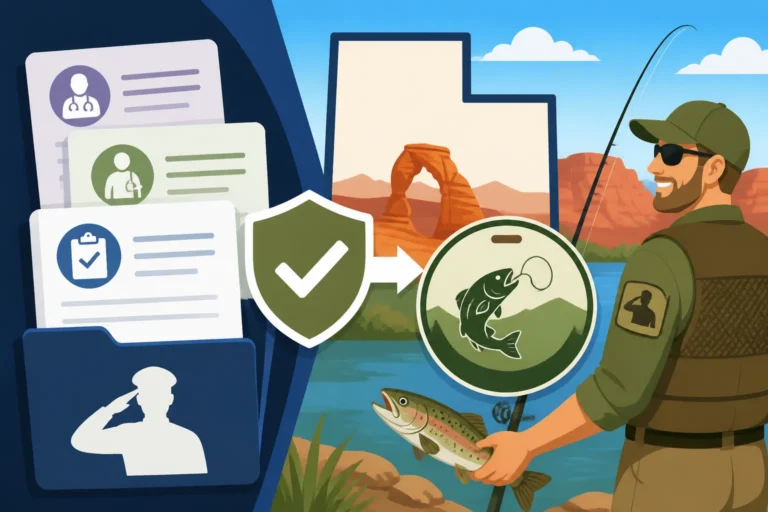
One of the most significant discounts is offered to senior residents, typically those aged 65 and older. These licenses are available at a substantially reduced rate and sometimes offer different validity periods. Active-duty military personnel, and often their immediate family members stationed in Utah, can also qualify for resident rates or specific military discounts, regardless of their original state of residency. This is a small token of appreciation for their service. Disabled veterans who are Utah residents and meet certain criteria (usually a service-connected disability rating) are eligible for a significantly reduced or even free fishing license. This is a wonderful program that allows those who have sacrificed so much to enjoy the therapeutic benefits of fishing. Additionally, Utah offers specific provisions for foster children, allowing them to fish without a license, or providing free licenses to ensure they have access to recreational opportunities. The state also designates a Free Fishing Day each year, typically in early June, where anyone can fish in Utah's public waters without a license for that single day. This is a fantastic opportunity for beginners to try fishing for the first time or for families to enjoy a day out without the usual licensing requirement. However, all other regulations, like bag limits, still apply on this day. Always ensure you have the correct documentation ready if you’re applying for any discounted or exempted license. You can find more comprehensive details about these programs in Utah Fishing License Exemptions and Discounts, Utah Senior Fishing License Discount, and Utah Disabled Veteran Fishing License. For specific dates and details about the annual event, our article on Utah Free Fishing Day is the place to look, and for a deeper dive into who can claim these benefits, read Who Qualifies for a Free Utah Fishing License?.
Here's a quick reference table for typical annual Utah fishing license costs (always check the current DWR guidebook for exact, up-to-date pricing):
| License Type | Resident (Typical Annual Cost) | Non-Resident (Typical Annual Cost) | Notes |
|---|---|---|---|
| Youth (12-17) | ~$16 | ~$20 | Great for encouraging young anglers. |
| Adult (18-64) | ~$40 | ~$95 | Standard annual license for most anglers. |
| Senior (65+) | ~$35 | N/A (Non-resident senior rates often same as adult) | Discounted rate for Utah resident seniors. |
| 3-Day Non-Resident | N/A | ~$30 | Ideal for short trips or visitors. |
| 7-Day Non-Resident | N/A | ~$45 | Good for longer vacations. |
| Combination (Hunt & Fish) | ~$86 | ~$300 | Cost-effective for those who enjoy both activities. |
| Disabled Veteran | Free or significantly reduced | N/A | Specific criteria apply; requires documentation. |
Note: These prices are estimates and subject to change. Always consult the official UDWR website or current Utah Fishing Guidebook for the most accurate information.
How and Where to Purchase Your Utah Fishing License
You’ve decided which license you need, now it's time to actually get it in your hands. Thankfully, the Utah Division of Wildlife Resources (UDWR) has made the process relatively convenient, offering several avenues for purchase to suit almost anyone’s preference. Whether you're a tech-savvy angler or prefer a face-to-face transaction, you have options.
Online Purchase Process
For most anglers, buying a Utah fishing license online is by far the easiest and quickest method. The UDWR's website is user-friendly and allows you to complete the entire transaction from the comfort of your home, at any time of day or night. This means no waiting in lines and immediate access to your license.
The process is pretty straightforward: you'll navigate to the UDWR licensing portal, create an account (if you don't already have one), provide some personal information to verify residency and age, select the type of license you wish to purchase, and then complete the payment using a credit or debit card. Once the transaction is successful, you'll receive a confirmation and a printable version of your license. What's even better is that most official licenses can be stored digitally on your smartphone through the UDWR's Utah Hunting and Fishing app, which acts as proof of your license in the field. This means you don't necessarily need to carry a physical printout, though many anglers still prefer to for backup. This digital convenience is a game-changer for spontaneous trips. For a detailed walkthrough of the digital purchasing steps, be sure to read Utah Fishing License Online Purchase Process and How to Buy a Utah Fishing License Online. Plus, learn how to keep it handy on your device with How to Store a Utah Fishing License on Your Phone.
In-Person and Phone Options
While online purchases are increasingly popular, the UDWR still provides traditional methods for those who prefer them or don't have easy internet access. You can purchase your Utah fishing license in person, which can be a good option if you have questions or need to ensure all your documentation is correctly submitted for a special discount.
Authorized license agents are scattered throughout the state. These typically include sporting goods stores like Cabela's or Sportsman's Warehouse, some smaller local tackle shops, and various general stores that serve as community hubs. You'll simply go to the customer service counter, provide your identification, fill out the necessary paperwork, and pay. The staff at these locations are usually knowledgeable and can help you select the correct license. You can also visit any Utah Division of Wildlife Resources office during business hours to purchase a license directly from them. If you prefer to make a purchase over the phone, the UDWR typically has a dedicated phone line for licensing services. You’ll need to have all your personal information and payment details ready, and they can process the transaction and mail you a physical license or send an email confirmation for you to print. Just be aware that mail delivery will take time, so plan ahead if you choose this option. To locate the nearest physical purchasing point, consult Where to Buy a Utah Fishing License in Person, and for phone assistance, our article Utah Fishing License Phone Order Number provides the contact details.
What to Do If You Lose Your License
It happens to the best of us: you're out on the water, reach for your license, and realize it's gone. Whether it fell out of your pocket, blew away, or simply vanished, a lost fishing license can cause immediate panic, especially if a conservation officer is nearby. The good news is that losing your Utah fishing license isn't a permanent disaster, and replacing it is usually a straightforward process.
If you purchased your license online or through the UDWR app, retrieving a copy is incredibly simple. You can log back into your online account on the UDWR website, and you should be able to access and print a duplicate copy of your license. Similarly, if you're using the Utah Hunting and Fishing app, your digital license remains stored there, so a lost physical copy becomes less of an issue. If you purchased in person and don't have a digital record, or if you prefer a physical replacement, you can visit any authorized license agent or a DWR office. They can look up your purchase record in their system and print you a duplicate for a small reissuing fee. It’s a minimal cost for peace of mind. The key is not to panic and not to continue fishing without a valid license, even if it's just a lost copy. Get it replaced as soon as you can. For more detailed instructions on how to quickly get a replacement, check out How to Replace a Lost Utah Fishing License.
Important Rules Beyond the License Itself
While having a valid fishing license is the first and most critical step, it's far from the only rule you need to follow for a responsible and legal fishing trip in Utah. The state has a comprehensive set of regulations that govern everything from how many fish you can keep to what you can put on your boat. Ignoring these can lead to fines just as easily as fishing without a license.
Understanding Bag and Possession Limits
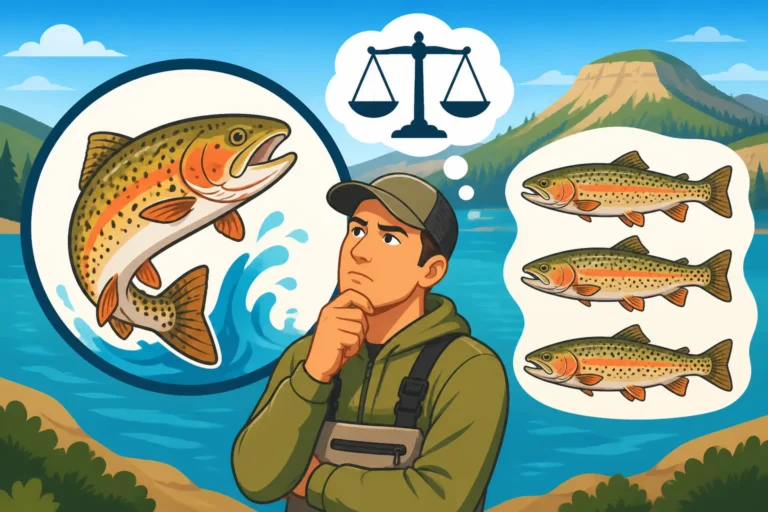
These are perhaps the most frequently encountered regulations after the license itself, and they are absolutely crucial for sustainable fisheries management. Bag limits refer to the maximum number of fish of a particular species or group of species that an individual angler can keep in a single day. For instance, a common statewide trout limit might be four fish. This means that once you’ve caught and kept four trout, you must stop fishing for trout for the rest of that day, or at least release any additional trout you catch immediately and unharmed.
Possession limits, on the other hand, refer to the maximum number of fish you can have in your possession at any given time, regardless of when they were caught. This includes fish at home in your freezer, in your cooler in the car, or on your stringer. Often, the possession limit is twice the daily bag limit, but it can vary. These limits are designed to prevent overharvesting and to ensure that fish populations remain healthy and productive for everyone. It is absolutely essential to check the current Utah Fishing Guidebook before every trip, as these limits can vary dramatically not just by species, but also by specific water body. What's allowed at Strawberry Reservoir might be completely different from Flaming Gorge or a local community pond. Some waters might have specific size restrictions (e.g., trout under 15 inches must be released), while others have special rules for certain species like bass or walleye. This attention to detail is paramount. You can find more general information in Utah Daily Bag and Possession Limits, and specific examples are covered in Utah Trout Limits by Water and Utah Bass Fishing Regulations.
Aquatic Invasive Species (AIS) Regulations
This is a critical topic in Utah, especially concerning boats and other watercraft. Aquatic Invasive Species (AIS), particularly quagga and zebra mussels, pose an enormous threat to Utah's delicate ecosystems, infrastructure (like dams and water pipes), and ultimately, our fishing opportunities. These tiny mussels can rapidly colonize surfaces, disrupt the food chain, and even crash native fish populations. Because of this severe threat, Utah has some of the strictest AIS regulations in the country.
The core message for all boaters, paddleboarders, and even kayakers is to Clean, Drain, and Dry your watercraft and gear every single time you leave a body of water. "Clean" means removing all visible plants, animals, and mud. "Drain" means pulling all drain plugs, emptying bilges, and allowing all water to escape. "Dry" means ensuring your vessel and gear are completely dry for a specified period (which varies based on temperature and previous water body) before launching into a new water. For boats that have been in infested waters, like Lake Powell, mandatory inspection and decontamination are often required before launching anywhere else in Utah. You’ll see specific Utah Aquatic Invasive Species Inspection Stations set up at key locations, especially near high-risk waters. Failing to comply with these AIS rules can lead to hefty fines, impoundment of your watercraft, and even criminal charges. This isn't just a suggestion; it's a legal mandate to protect our precious waters. For detailed guidance on this, see Utah Aquatic Invasive Species Rules for Anglers, Utah Quagga Mussel Decontamination Rules, and specifically for Lake Powell, Are Boat Inspections Mandatory Before Leaving Lake Powell?.
Specific Waterbody Rules and Closures
One of the biggest mistakes anglers make is assuming that statewide regulations apply uniformly everywhere. In Utah, this is simply not the case. Many individual lakes, reservoirs, and rivers have their own unique set of rules, often stricter or more specific than the general statewide guidelines. These localized rules are put in place for specific management objectives, such as protecting vulnerable populations, enhancing trophy fisheries, or controlling invasive species.
For example, some waters are designated as "catch-and-release only" for certain species or all species, meaning you cannot keep any fish caught there. Other areas might be designated as "fly-fishing only," where bait and lures are prohibited. You'll find specific slot limits on some reservoirs, where only fish within a certain size range can be kept. A notable example of a mandatory harvest rule is at Utah Lake, where anglers are required to kill every Northern Pike caught, as they are an invasive species threatening native fish. Waters like Strawberry Reservoir also have seasonal closures, particularly in late fall and early spring, to protect spawning fish. These closures are clearly outlined in the annual fishing guidebook. It is absolutely critical that, before you head to any specific body of water, you consult the current Utah Fishing Guidebook and pay close attention to the specific regulations listed for that particular location. What might be legal at one lake could be a serious violation just a few miles down the road. This level of detail ensures you're fishing legally and contributing to the health of that specific fishery. To understand more about specific water rules, explore Utah Fishing Season Dates and Limits, Utah Ice Fishing Regulations, Utah Fly-Fishing-Only Water Rules, and Utah Catch-and-Release Waters. For specific examples of unusual rules, you might find Why Does Utah Lake Require You to Kill Every Northern Pike? and Strawberry Reservoir Seasonal Closure Dates particularly illuminating.
Renewing Your License and Staying Informed
Once you've navigated the initial purchase of your Utah fishing license, it’s important to stay on top of renewals and to keep yourself informed about any changes in regulations. The fishing landscape, much like the fish themselves, is dynamic, and staying current ensures you're always fishing legally and effectively.
The Renewal Process
If you've opted for an annual Utah fishing license, remember that it doesn't last for 365 days from your purchase date. Instead, all annual licenses are valid from March 1st of the year of purchase through the last day of February of the following year. This means that regardless of when you buy it, your license will always expire on February 28th (or 29th in a leap year).
This fixed expiration date makes it easy to remember when to renew. Many seasoned anglers make it a habit to renew their licenses around late February or early March, ensuring they're covered for the entire upcoming fishing season. Renewing is just as simple as the initial purchase; you can do it online through the UDWR website, via phone, or in person at an authorized license agent. If you’ve created an online account, the system often stores your information, making the renewal process even quicker. The UDWR also offers reminder services. You can often opt-in to receive email or text notifications as your license expiration date approaches, which is a fantastic way to avoid accidentally fishing with an expired license. Being proactive about renewal saves you potential hassle and ensures uninterrupted access to Utah's waters. For a full breakdown on how to keep your license current, see Utah Fishing License Renewal Guide, and to set up helpful reminders, check out Utah Fishing License Renewal Reminder Options. If you're wondering when the most strategic time to buy is, What Is the Best Time of Year to Buy a Utah Annual Fishing License? offers some insights.
Utilizing the Utah DWR Resources
The Utah Division of Wildlife Resources is your ultimate authority and best friend when it comes to understanding fishing regulations, seasons, and licensing in the state. While helpful guides like this one provide a great overview, the official DWR resources are where you’ll find the most up-to-date and legally binding information.
First and foremost, the UDWR website is an invaluable hub of information. It houses the complete Utah Fishing Guidebook, which is published annually and details all statewide and water-specific regulations, bag limits, seasons, and any special provisions. You can download a PDF version, view it online, or pick up a physical copy at many sporting goods stores. The website also provides stocking reports, current fishing conditions, and news updates. Secondly, consider downloading the Utah Hunting and Fishing app for your smartphone. This app is incredibly useful. Not only can it store a digital version of your license, but it also provides easy access to the current fishing guidebook, allows you to report harvests, and can even help you find nearby fishing spots. It’s an essential tool for any serious angler in Utah. Always refer to these official sources before your trip, and if you have any doubts or specific questions that aren't clearly answered, don't hesitate to contact the DWR directly. Their staff are there to help ensure you have a safe, legal, and enjoyable fishing experience. To make the most of the digital tools available, check out Utah Hunting and Fishing App Features and learn how to keep your license handy with Can You Show a Digital Fishing License on Your Phone in Utah?. And remember, if you need to stock up on any last-minute gear or specialized tackle, platforms like Amazon can be a convenient option before you hit the water, though nothing beats local knowledge from your DWR office or tackle shop.
Disclaimer
Please note that while this guide strives to provide accurate and up-to-date information regarding Utah fishing licenses and regulations, rules can change. It is always the angler's responsibility to consult the most current official Utah Fishing Guidebook published by the Utah Division of Wildlife Resources (UDWR) or their official website before engaging in any fishing activities. This guide is for informational purposes only and should not be considered legal advice.